Samsung Galaxy S26 (Pro): Everything You Need to Know
SammyGuru is reader-supported. We have affiliate and sponsored partnerships, so we may earn a commission when you buy through links on our site — at no extra cost to you. Learn more.
In this article
- Table of contents
- Galaxy S26: Design and Hardware
- No titanium frame and anti-reflective coating yet
- Galaxy S26: Display
- No S Pen support
- Galaxy S26: Camera
- A new 3x zoom camera, maybe
- Expect notable software-powered enhancements
- Galaxy S26: Processor and Specs
- What does the Exynos 2600 offer?
- What about the rumored 2nm Snapdragon 8 Elite Gen 5?
- Galaxy S26: Software and Features
- Galaxy S26 Pro: Battery and Charging
- Galaxy S26: Price, Colors, and Release Date
- Frequently Asked Questions (FAQs)
UPDATE 02/25: Galaxy S26 series preorders are now live, and you’ll have to use this link to be eligible for the mystery box offer (don’t open it in the Shop Samsung app on mobile, just continue in your browser). Once you’ve completed your purchase, you can head to the verification page to submit your details so we can ship the mystery box to your address.
Samsung’s successor to the Galaxy S25 was once rumored to be called the Galaxy S26 Pro. However, the company may have reverted the plan, with the device likely arriving as the Galaxy S26. Regardless of whether it carries the Pro branding, the upcoming model may bring some noteworthy upgrades. Let’s break down its design, display, hardware, software, cameras, notable new features, and everything else fans can expect, based on leaks to date.
While early signs are promising, there’s still plenty left to uncover. We will regularly update this article to reflect the latest leaks and rumors. The last update was made on February 05, 2026. Meanwhile, if you plan to buy the Galaxy S26, our Mystery Box program is now live. You can sign up here to be eligible for free accessories during pre-orders (more about the program later).
Table of contents
- Design and Hardware
- Display
- Camera
- Processor and Specs
- Software and Features
- Battery and Charging
- Price, Colors, and Release Date
- FAQs
Galaxy S26: Design and Hardware
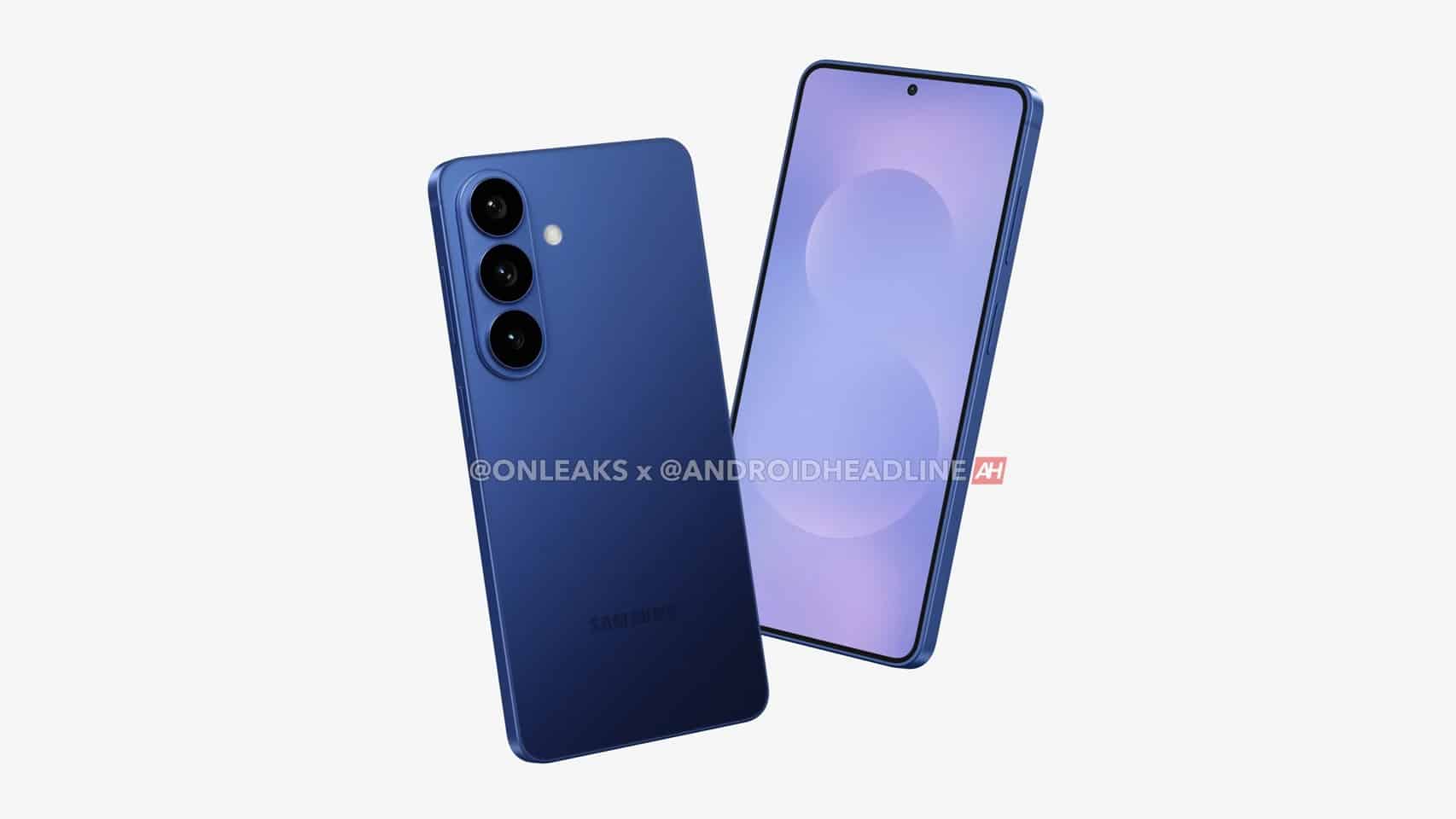
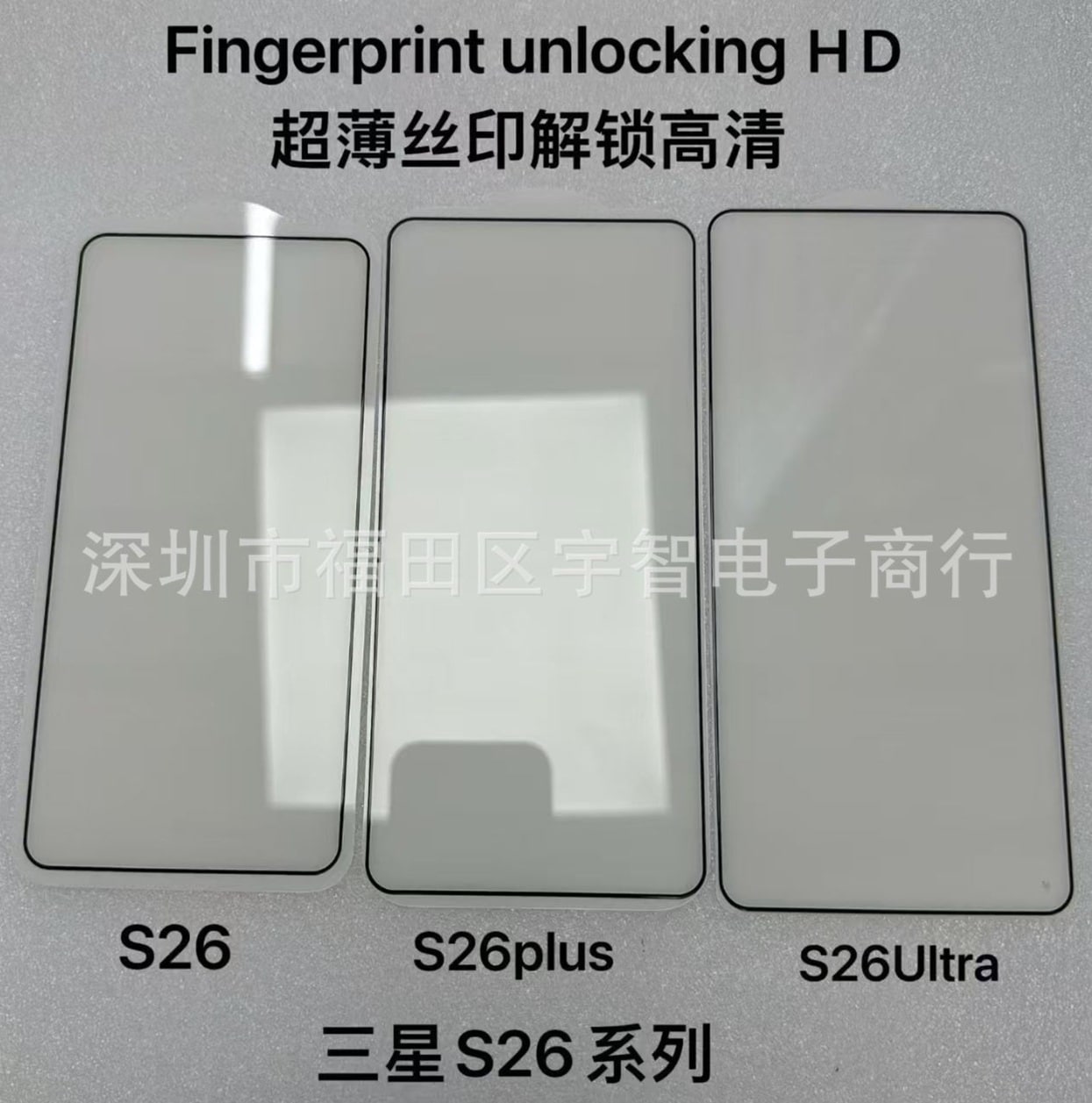
From leaked CAD renders and insider reports, the Galaxy S26 keeps the same broad silhouette as the S25. It sports a flat display, softly curved corners, and slim, symmetrical bezels. However, Samsung is adding a slightly boxier vibe — subtle but noticeable. The idea seems to be a consistent design language across the lineup. The Ultra model, which used to be boxy, is also getting softer corners.
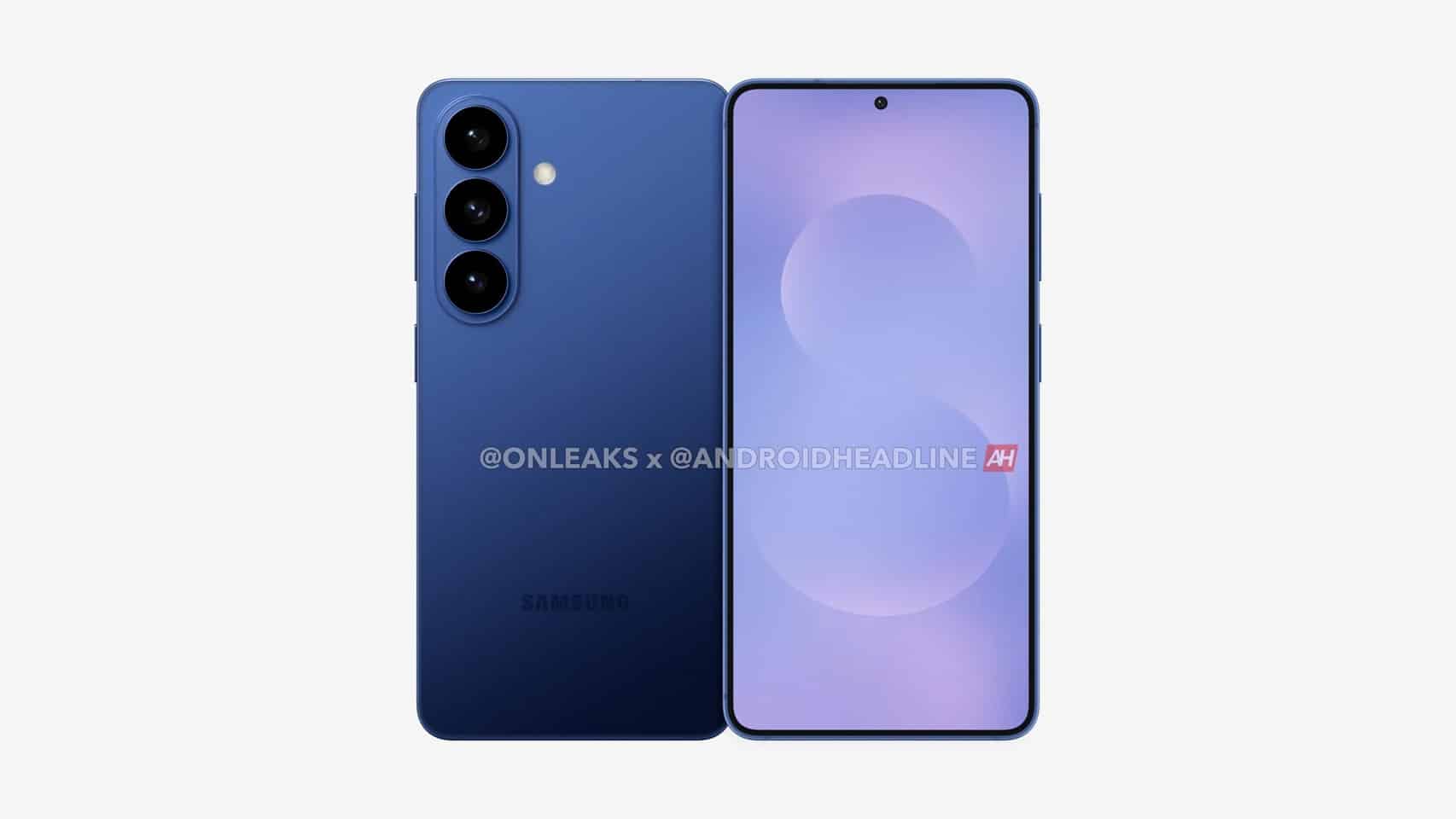
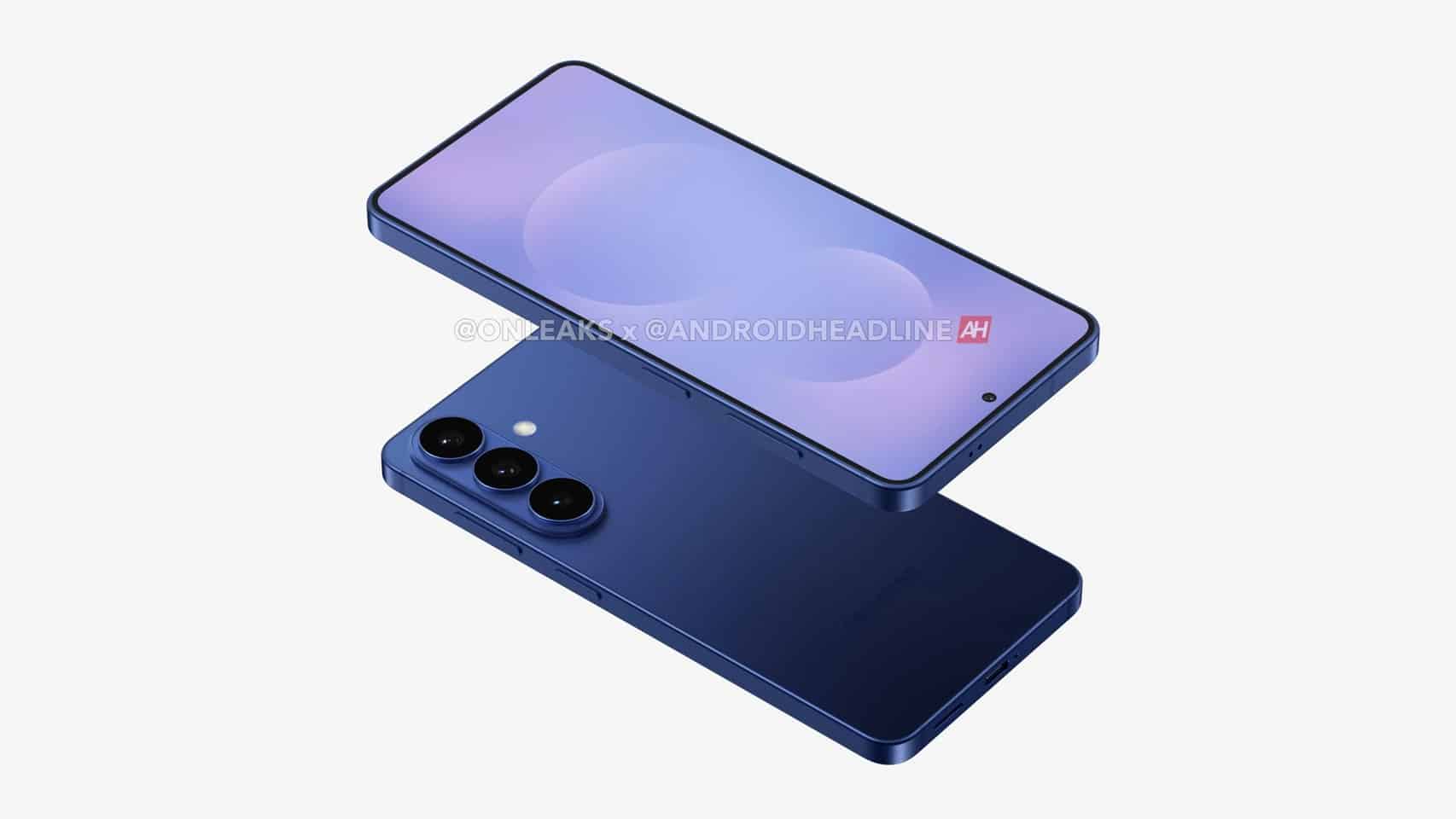
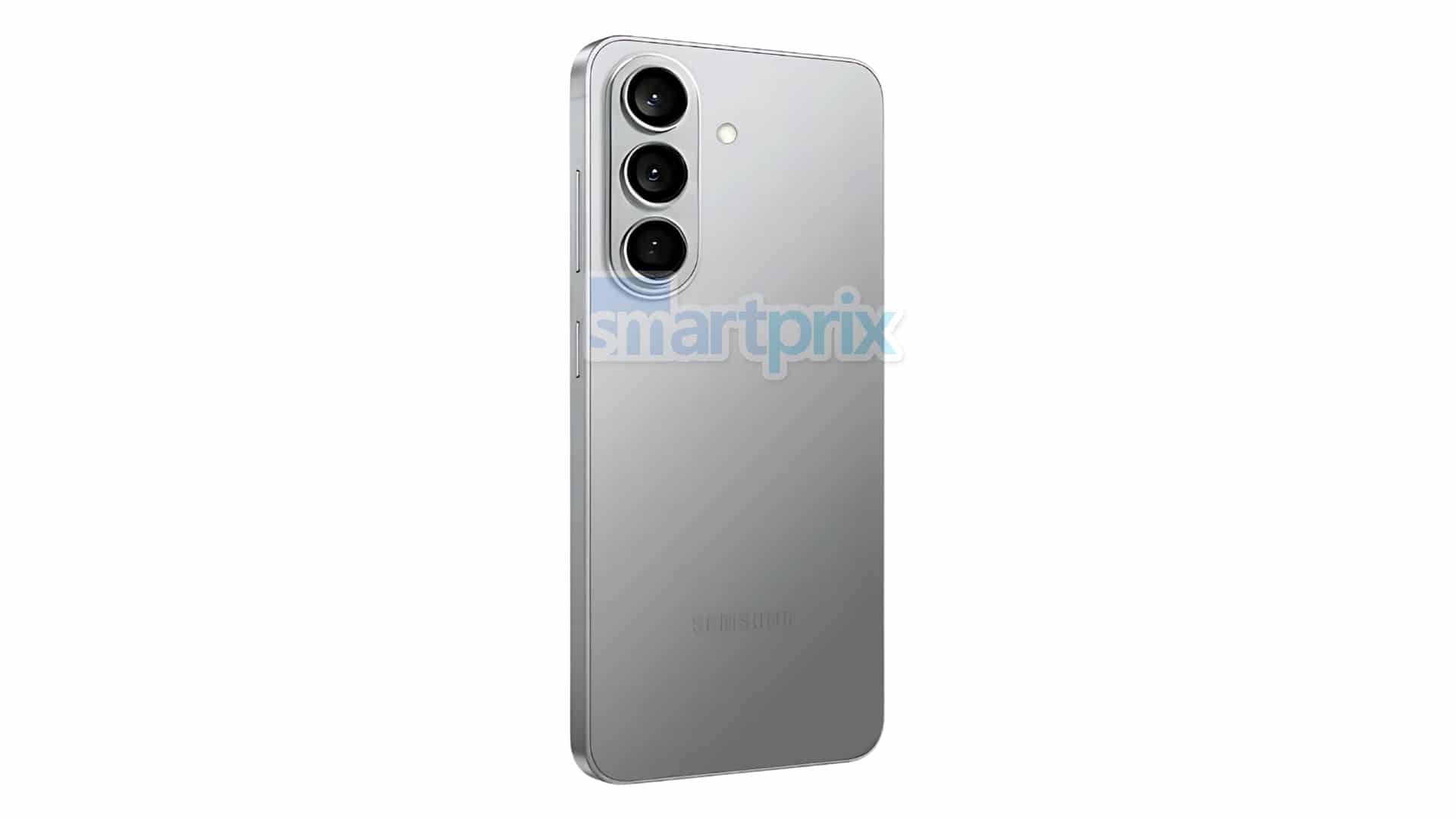
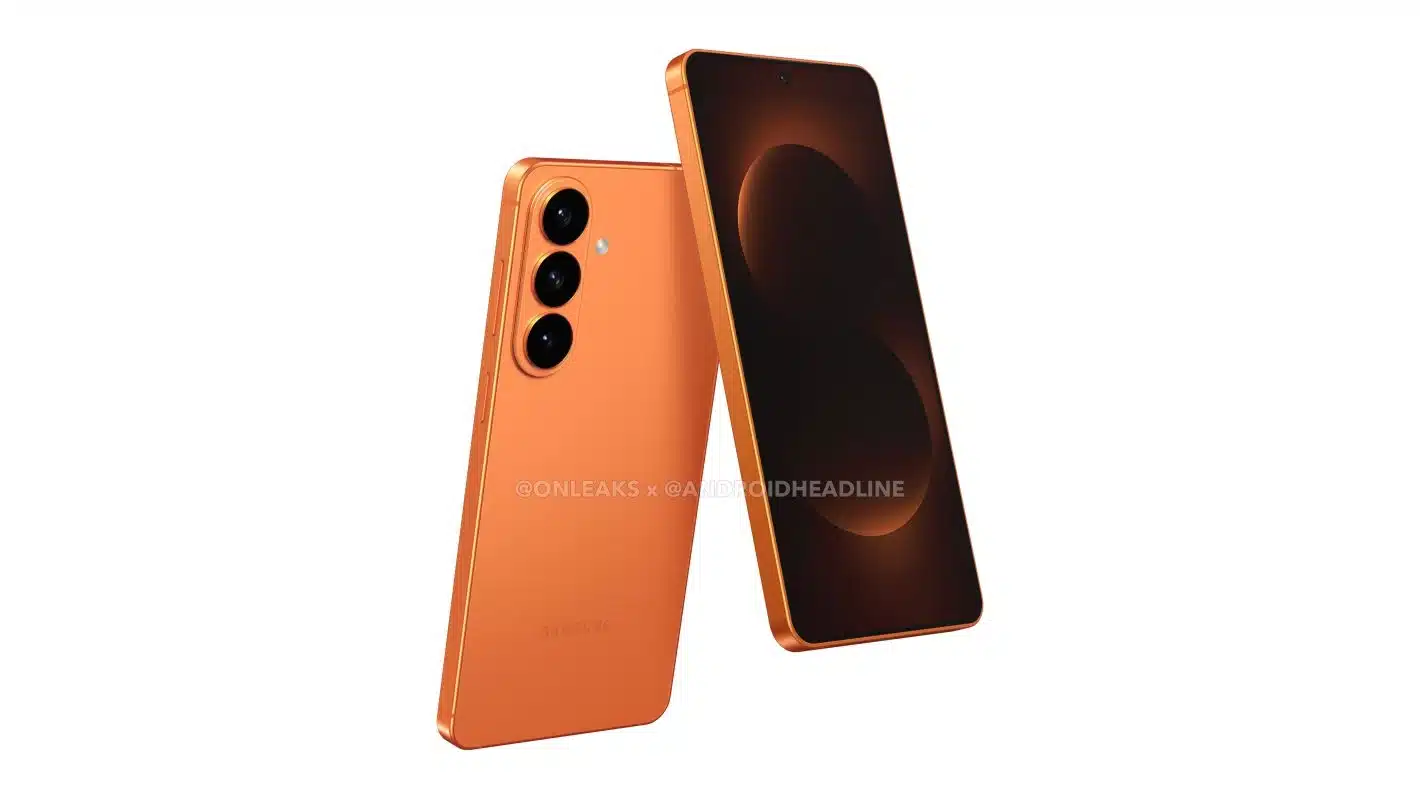
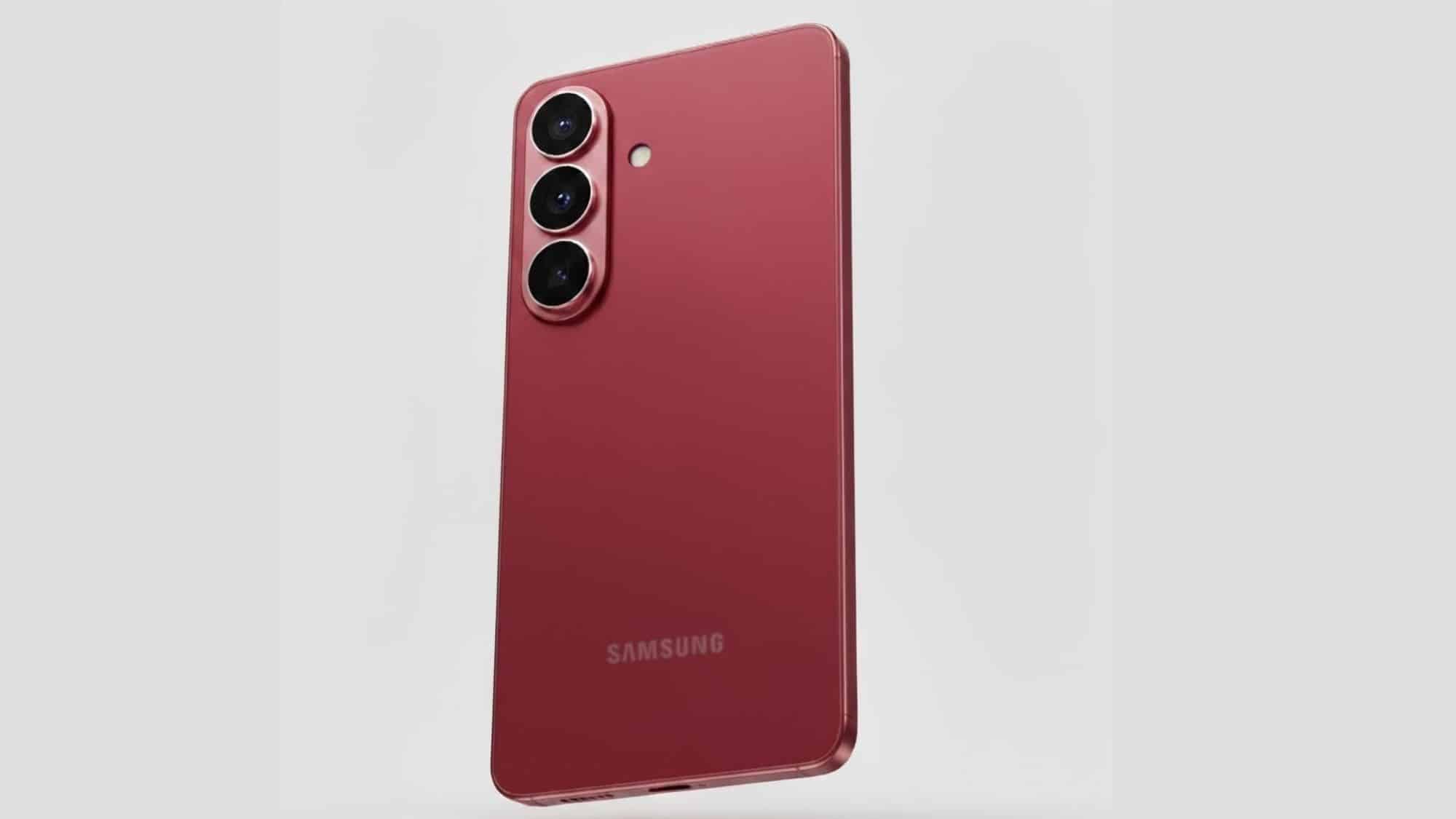
The most noticeable change is on the back. The flush rear lens setup is now gone, replaced by a raised, pill-shaped camera block with prominent metallic lens rings. The LED flash sits beside the module, giving the Galaxy S26 immediate visual distinction from its predecessor. Samsung reintroduced the camera bump to create space for a bigger battery in a lighter profile.
Speaking of which, the Galaxy S26 is said to measure 149.6 x 71.7 x 7.2mm and weigh 137 grams. The Galaxy S25 is 7.2mm thick and weighs 162 grams. Interestingly, early dummy leaks pointed at an even slimmer profile for the upcoming model, measuring just 6.7mm or 6.9mm in thickness. Samsung may have dropped that idea later.
No titanium frame and anti-reflective coating yet
Leaks so far do not suggest Samsung will offer a titanium frame or anti-reflective display coating on the Galaxy S26. In fact, the Ultra model could also miss out on a titanium finish, though it should get an anti-reflective panel. The base model should feature an aluminum frame and Gorilla Glass Victus 2 or an improved glass panel on the front and back. Rumors also suggest a re-engineered internal cooling system with a larger vapor chamber for the Galaxy S26 Ultra. It’s unclear if the S26 gets these enhancements.
Galaxy S26: Display
The Galaxy S26 may sport a 6.27-inch Dynamic LTPO AMOLED 2X display, with chances of an upgrade to a QHD+ resolution (1440p). Earlier models feature an FHD+ panel (1080p), with Samsung offering QHD+ screens on bigger flagships. Expect HDR10+ certification, 120Hz variable refresh rate, and 2600 nits or higher peak brightness. While this may already sound exciting, the upcoming Samsung flagship may have more in store.
One of the biggest changes comes from the introduction of a Color Filter on Encapsulation (CoE) depolarizer layer, which replaces the traditional polarizer with a color filter and adds a black pixel definition layer (PDL) in place of the standard one. This new design allows the display to transmit more light, resulting in higher brightness, richer colors, and better power efficiency.
The device is also expected to feature M14 OLED panels, bringing further gains in power efficiency, though peak brightness may remain at 2,600 nits. Additionally, Samsung may debut a new feature called AI Magic Flex Screen on the 2026 flagships. This AI-driven technology can dynamically adjust the viewing angle of the display by directly controlling the OLED pixels. When viewing sensitive information, the system can limit visibility from side angles, acting as a built-in privacy filter.
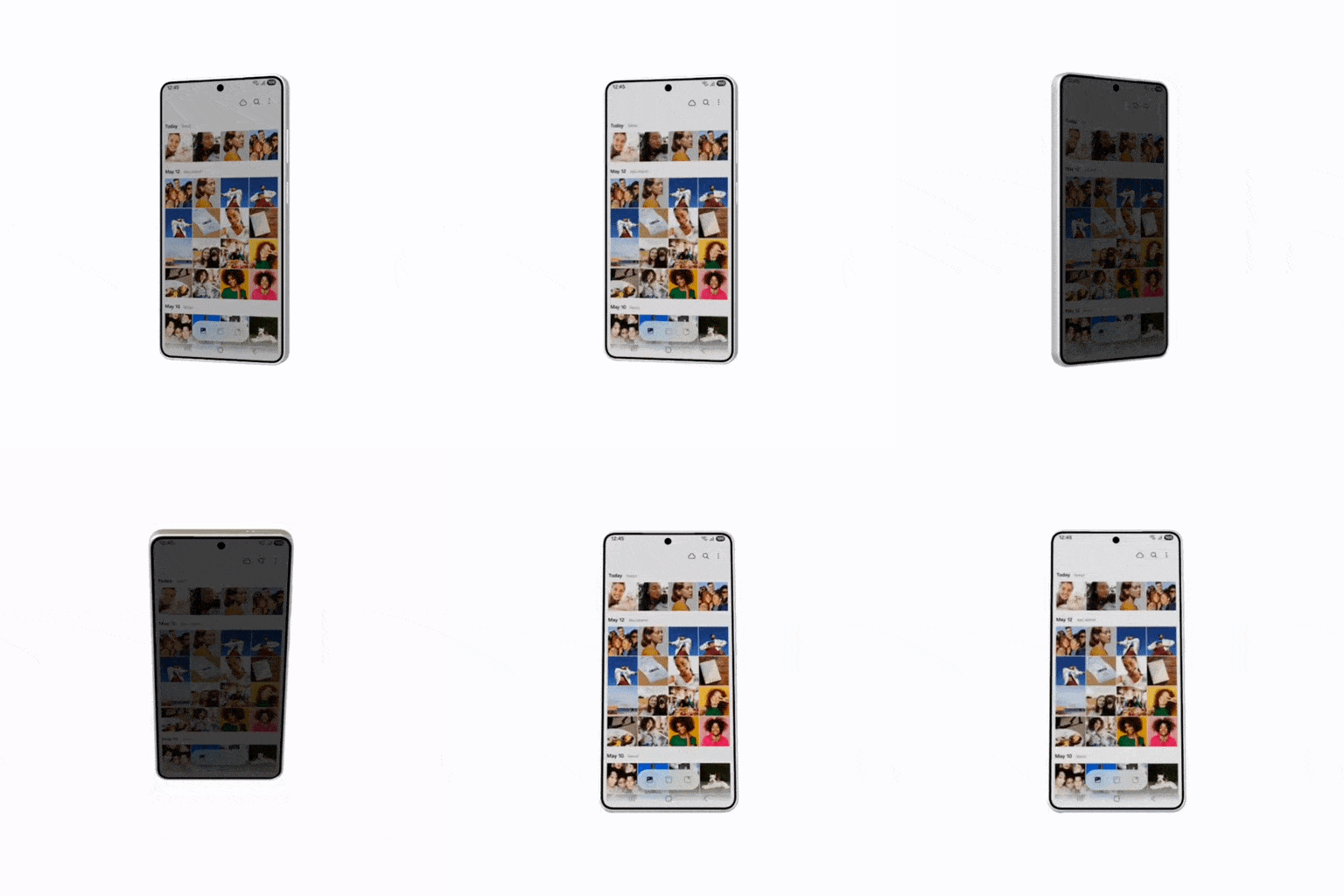
It’s worth noting that some of these upgrades are particularly rumored for the Ultra model. It’s unclear if Samsung will keep them all exclusive to the big flagship or offer some new features on the base model as well. The privacy screen tool, however, should be available widely.
No S Pen support
Despite rumors suggesting Samsung might eventually drop the built-in S Pen from its Ultra lineup, the Galaxy S26 Ultra will likely retain it. However, do not expect it on any other S26 model. The stylus pen has already lost Bluetooth support with the S25 Ultra, and it is unlikely to return. The stylus now serves mainly as a drawing and note-taking tool rather than a full productivity accessory.
Galaxy S26: Camera
According to early insider reports, the Galaxy S26 will feature an enhanced 50MP primary sensor measuring 1/1.3 inches, a noticeable jump from the 1/1.56-inch sensor in the Galaxy S25. It could be a Sony sensor, though details are under wraps. The Galaxy S23, S24, and S25 all use Samsung’s in-house ISOCELL GN3 sensor for the 50MP primary shooter. A larger sensor on the Galaxy S26 means more light capture and improved dynamic range, promising brighter, more detailed shots, especially in low-light scenes.
Even more exciting is the inclusion of a 50MP ultrawide camera, a first for Samsung’s standard flagship models. It could be the same sensor that debuted with the Galaxy S25 Ultra and is expected on the S26 Ultra. This move aims to ensure consistent color science and detail across both wide and ultrawide photos, pushing the base model’s imaging experience closer to Ultra-level performance. That said, some reports suggest the Galaxy S26 will keep the same 12MP ultrawide lens as the Galaxy S25, so don’t get too excited just yet.
A new 3x zoom camera, maybe
Coming to the telephoto camera, it is expected to maintain 3x optical zoom, so no 5x unit yet. Moreover, there are contrasting reports about this sensor too. Some say Samsung will keep the same 10MP sensor, while others hint at an upgrade, though with an unchanged resolution. In fact, the sensor size may remain unchanged, but it could be completely new hardware. The current 3x setup on the Galaxy S25 does feel outdated, so an upgrade would be huge. Even if the sensor remains unchanged, we may see improved 3x photography.
While the rear camera setup gets a serious upgrade, the front camera might not change much. Reports suggest Samsung will retain the 12MP selfie sensor used since the Galaxy S23 series. However, improvements could come via a wider aperture, better low-light performance, and AI-driven software tuning for more natural skin tones and refined HDR selfies. Or perhaps it’s also a new sensor with unchanged resolution; we shall find out soon.
It’s worth noting that the Galaxy S26 Ultra is rumored to get a wider field of view for the selfie camera. This could make the punch hole cutout larger, but allow for bigger group selfies. It’s unclear if the Galaxy S26 and S26+ will get the same change. Meanwhile, the devices may boast official support for some third-party professional camera accessories.
Expect notable software-powered enhancements
Besides hardware upgrades, Samsung may introduce several notable software-powered camera enhancements with its next-gen flagships. Rumors hint at APV codec and LUT profile support across the Galaxy S26 lineup. These features help improve color consistency for professional-grade control in videos. AI may also be integral to Samsung’s improved post-processing in One UI 8.5, which debuts with the Galaxy S26 series.
The Galaxy S26 series will “revolutionize the user experience with user-centric, next-gen AI, a second-generation custom AP, and stronger performance, including new camera sensors,” Daniel Araujo, VP of Samsung’s smartphone Division, recently said. Samsung also recently teased camera upgrades, including improved night photos, zoom photos, and sound clarity.
Leaks have hinted at features like a focus speed slider in Photo and Video modes and Neural Framing. The latter uses an AI-assisted composition engine to predict and frame the best possible shot before you even tap the shutter button. Rumors also point to new Camera Assistant features, better flare control, and enhanced skin tone reproduction.
Galaxy S26: Processor and Specs
Samsung may be all geared up to bring back its in-house silicon in a big way. The Exynos 2600 is widely expected to debut with the Galaxy S26. Built on Samsung’s cutting-edge 2nm SF2 process featuring 3rd-gen Gate-All-Around (GAA) transistors, this chip reportedly delivers up to 12% higher performance and 25% better power efficiency compared to the Exynos 2500.
In a recent official statement, Samsung revealed that it plans to “strengthen the competitiveness of the Exynos processor for key flagship models” in 2026. This basically confirmed the launch of the Exynos 2600 with the next-gen flagships.
However, the real competition is Qualcomm’s latest Snapdragon 8 Elite Gen 5 (a 3nm processor), and it still may not disappoint. The Exynos 2600 has produced comparable results in early benchmark tests. If the real-world performance is close to the Snapdragon, it may signal a spectacular return of Exynos processors. However, if the age-old issues with thermals persist, it may be the end of the road for Samsung’s in-house flagship silicon.
Early reports hinted that the Galaxy S26 would use Exynos globally, but that plan has evolved. The Exynos 2600 will likely power the devices in select regions, with markets like the US and Europe still getting the Snapdragon 8 Elite Gen 5. In fact, some say the Exynos version will be limited to Korea. This mixed approach lets Samsung reintroduce Exynos more cautiously after past performance controversies, focusing on stability, consistency, and trust.
In fact, initial speculation pointed to a Snapdragon-only Galaxy S26 lineup, fueled by concerns over Exynos yield and performance. Those fears have eased as test results from the new 2nm node reportedly show promising stability. Still, the Galaxy S26 Ultra may remain Snapdragon-exclusive, reaffirming its place as the global performance flagship.
What does the Exynos 2600 offer?
Built using Samsung Foundry’s cutting-edge 2nm Gate-All-Around (GAA) process, the Exynos 2600 features a 10-core CPU based on the latest Arm v9.3 architecture. Its C1 Ultra prime core runs at 3.8 GHz, delivering up to 39 % better CPU performance than its predecessor. Samsung has also replaced traditional low-power cores entirely in favor of more capable C1 Pro mid cores optimized for both performance and efficiency.
Graphics performance gets a significant boost with the Xclipse 960 GPU, offering twice the compute power and 50 % better ray-tracing performance than the previous generation. The chip’s Neural Processing Unit (NPU) is also dramatically enhanced, providing up to 113 % faster AI performance, enabling advanced on-device AI tasks and privacy features like hardware-backed security with post-quantum cryptography.
Exynos 2600 also introduces a new Heat Path Block (HPB) thermal architecture that improves heat dissipation and sustained performance, addressing past concerns about overheating in Exynos chips. Additional features include support for high-resolution cameras up to 320 MP, advanced video capture, and improved ISP/AI imaging capabilities.
What about the rumored 2nm Snapdragon 8 Elite Gen 5?
Samsung’s appearance at the Snapdragon Summit raised questions about whether it would use its own 2nm foundry to produce Qualcomm’s latest chip. There have been some rumors around that possibility. However, insiders suggest the Snapdragon 8 Elite Gen 5 chip powering the Galaxy S26 phones will be exclusively made by TSMC on its 3nm process. Even if Samsung makes a 2nm version, it may debut with the Galaxy Z Flip 8 in mid-2026.
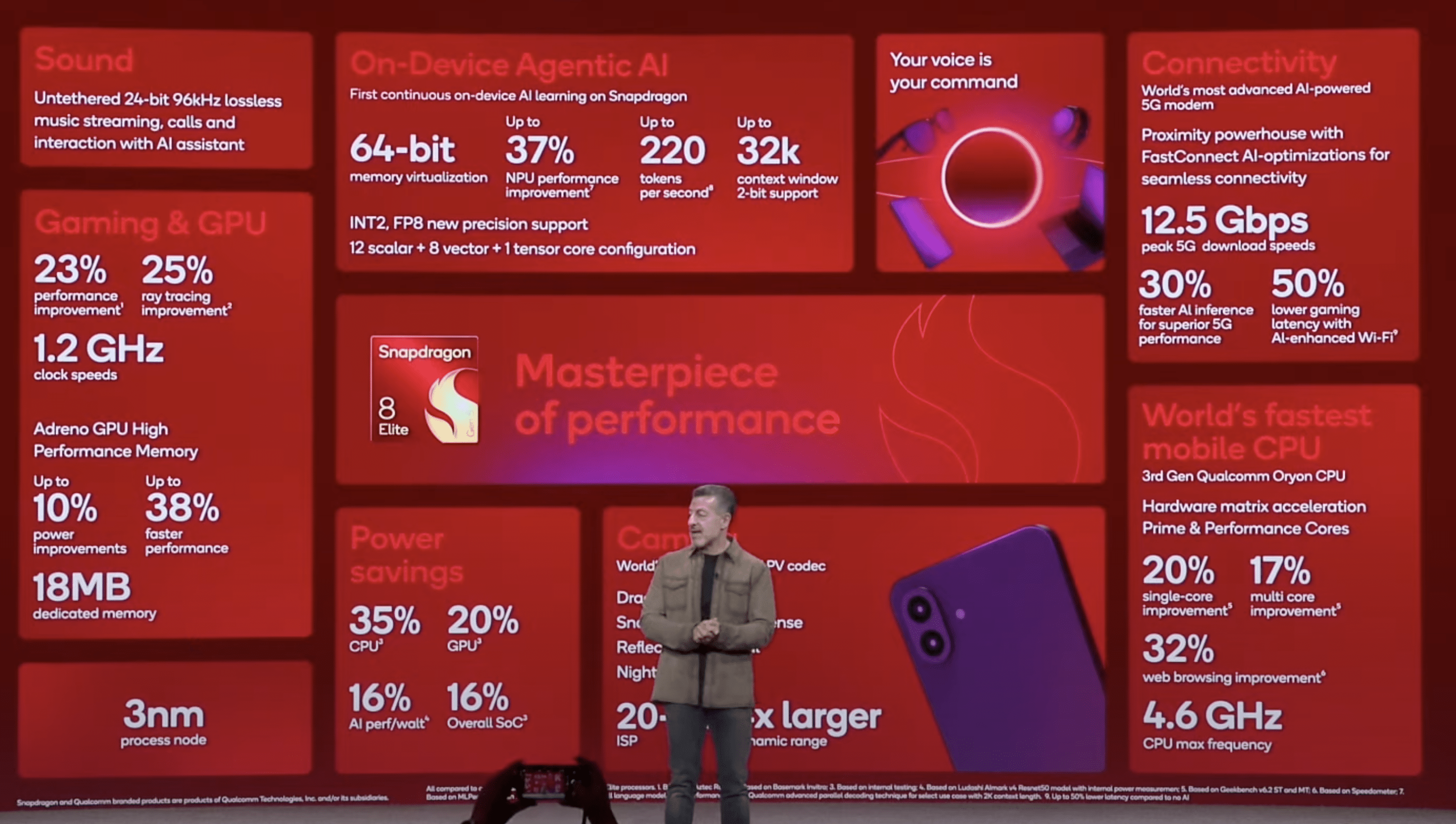
Beyond processors, Samsung is preparing across-the-board improvements in speed, storage, and security. The S26 lineup is expected to feature UFS 4.1 storage, offering faster read/write speeds and improved energy efficiency. Thankfully, Samsung appears to have dropped the 128GB base model, starting at 256GB instead. Enhanced LPDDR5X RAM is also on the table, and this time, 16GB memory could extend beyond the Ultra model. This move aligns with Samsung’s growing focus on AI processing and multitasking.
Meanwhile, the next-gen ultrasonic fingerprint sensor promises faster, more accurate unlocking. It could represent the biggest leap in Samsung’s biometric tech in several years. On the connectivity front, all three Galaxy S26 models are tipped to feature Qualcomm’s X85 5G modem, delivering higher speeds and improved network reliability. Additionally, enhanced NFC hardware is expected to refine Samsung Wallet for smoother and more secure contactless payments.
Galaxy S26: Software and Features
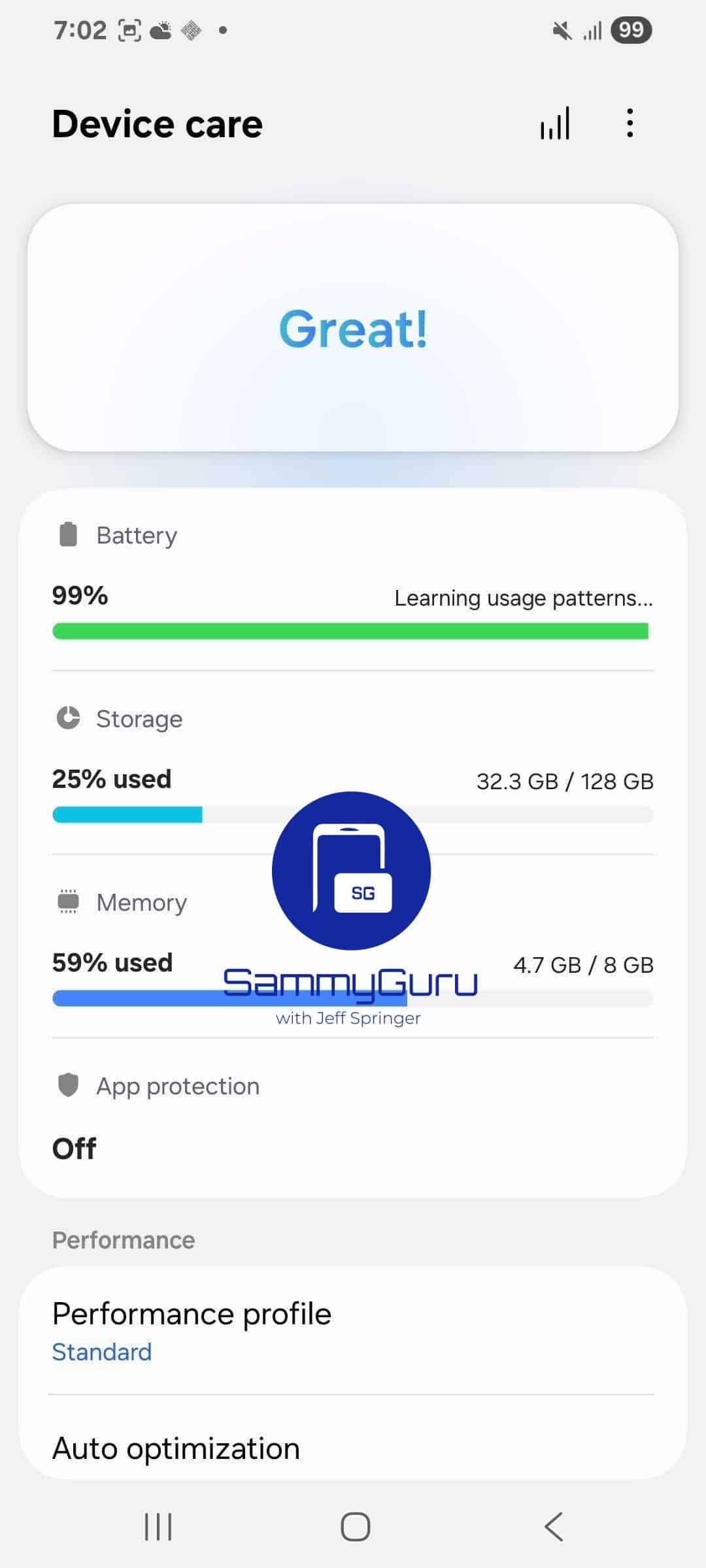
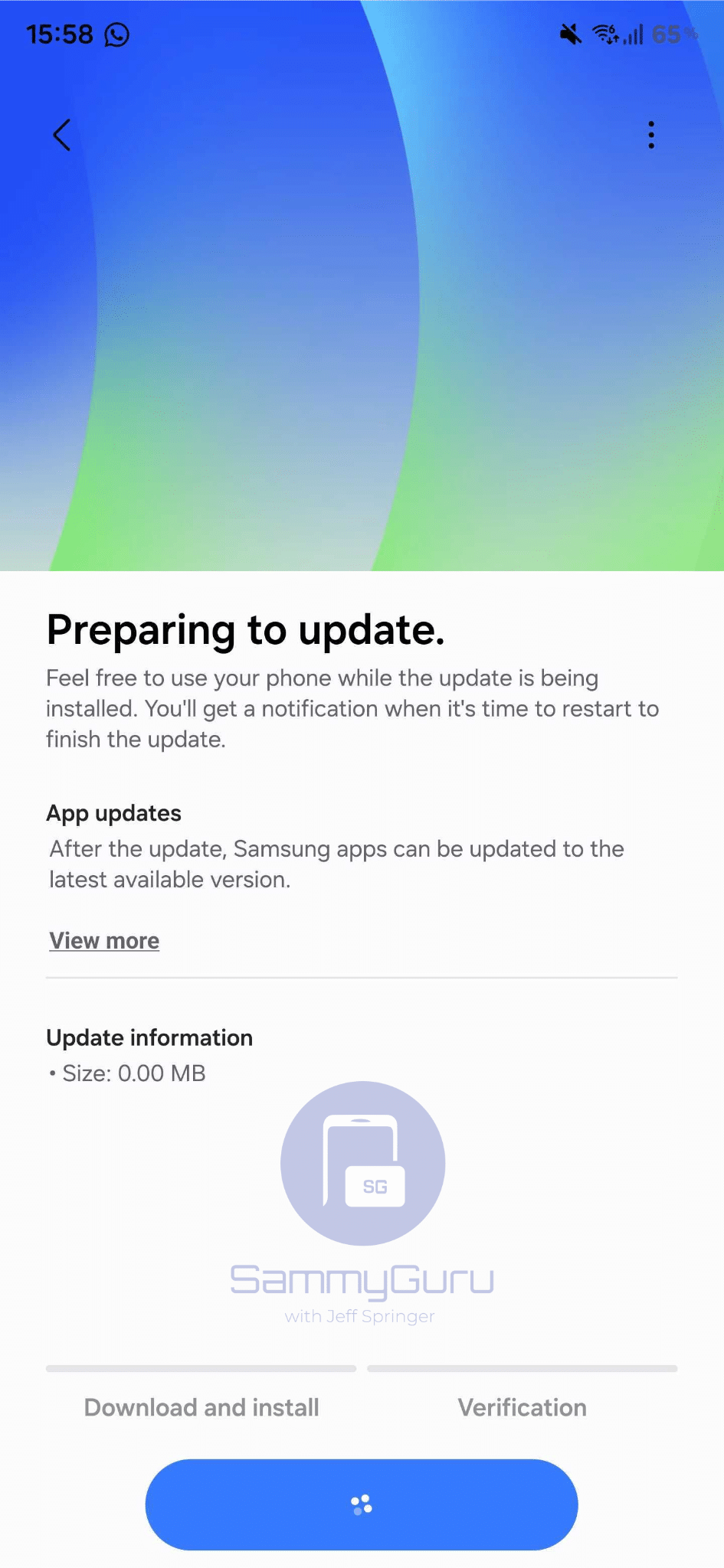
Samsung will ship the Galaxy S26 series with One UI 8.5. While these “point” updates are typically smaller than the major One UI releases, that may not be the case with the upcoming version. If not larger, One UI 8.5 could be as big a release as One UI 8. Still based on Android 16, it is centered around next-generation AI integration and a refined experience.
If reports are accurate, Samsung is extending its AI vision beyond Google’s Gemini, embracing a diverse ecosystem powered by collaborations with leading innovators like OpenAI and Perplexity. Galaxy S26 users may be able to choose their preferred AI assistant, fostering flexibility and diversity. Samsung may even supercharge Bixby with Perplexity integration and offer Perplexity pre-installed on the Galaxy S26 series. EdgeFusion may allow the phones to generate AI images in just a second.
-

- One UI 8.5
-
- One UI 8.5
-

- One UI 8.5
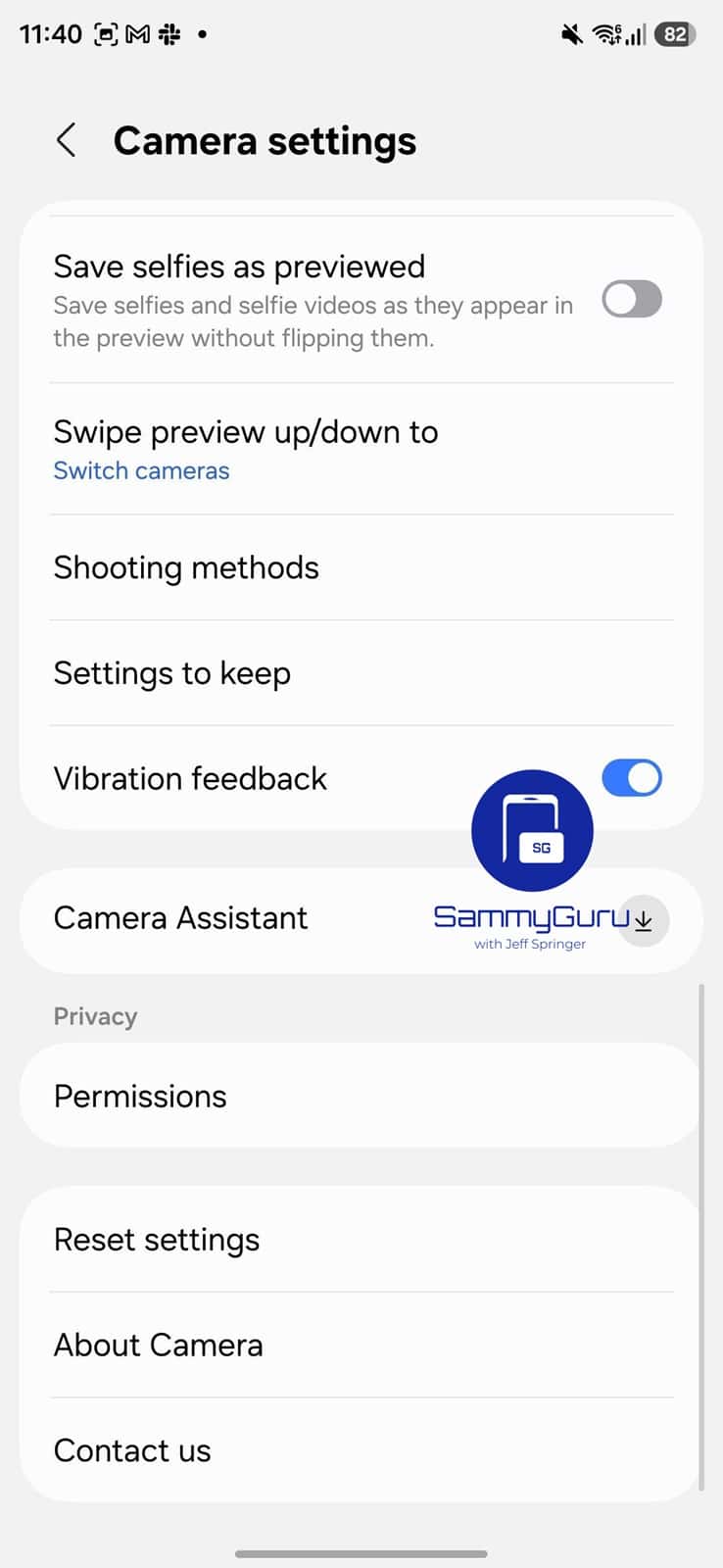
One UI 8.5 also expands Samsung’s ecosystem with fresh design refinements and a deeper infusion of AI capabilities. While retaining the clean aesthetic of One UI 8, the new version introduces system-wide intelligence that adapts to user behavior. Key highlights include:
- AI Call Screening: Real-time call transcription and spam filtering for improved control.
- AI-Driven Privacy Tools: Intelligent features like Private Display and photo privacy shielding to prevent on-screen snooping.
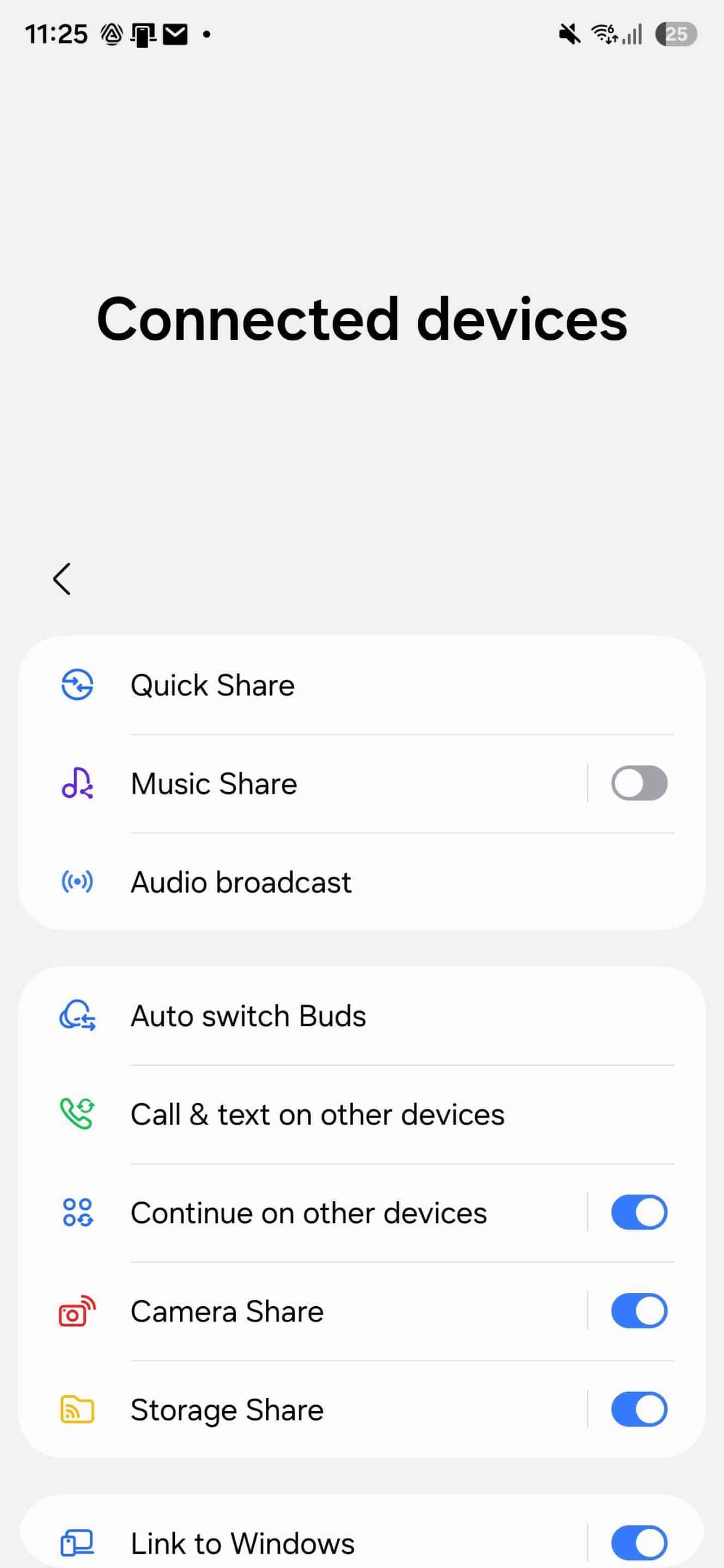
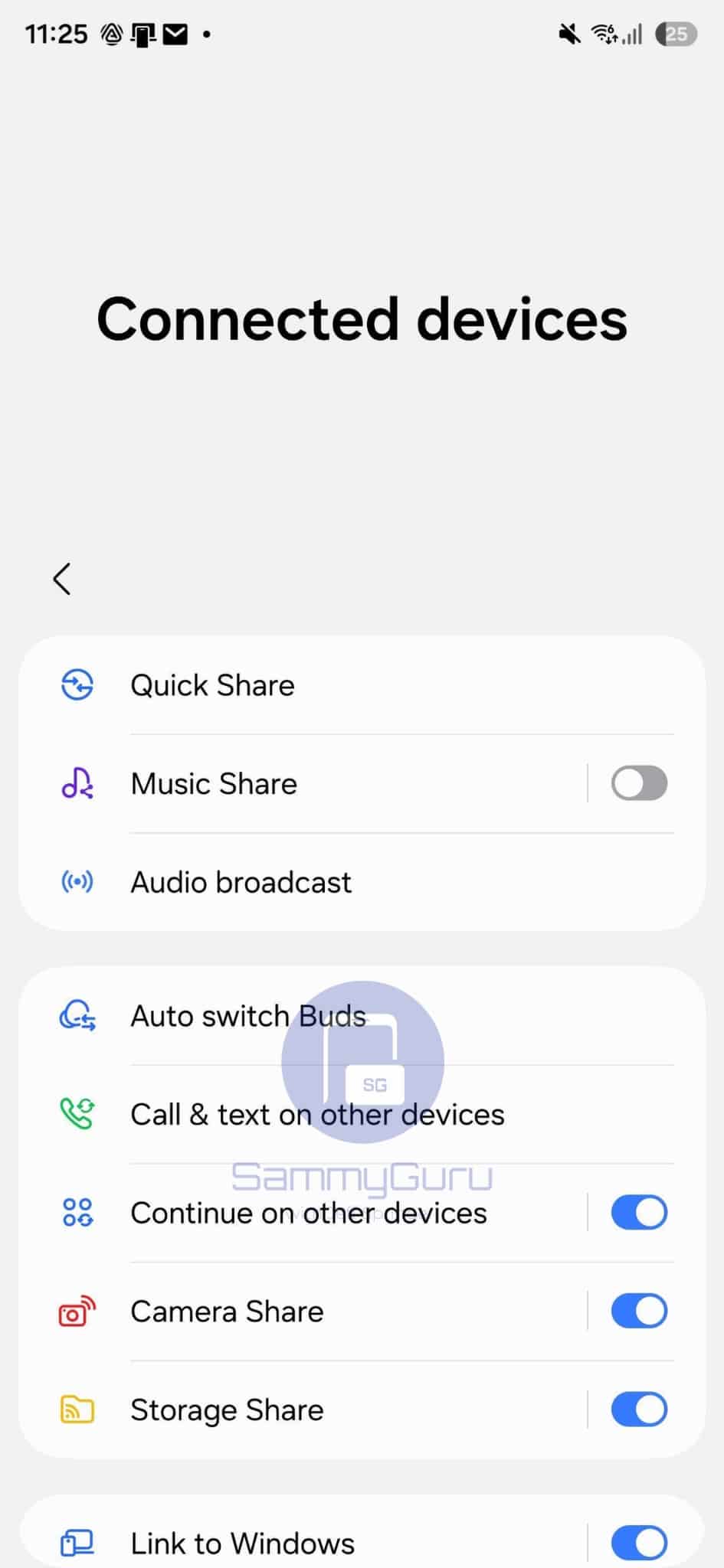
- Revamped Apps: Gallery, Phone, My Files, and Quick Share get cleaner layouts and pill-shaped navigation.
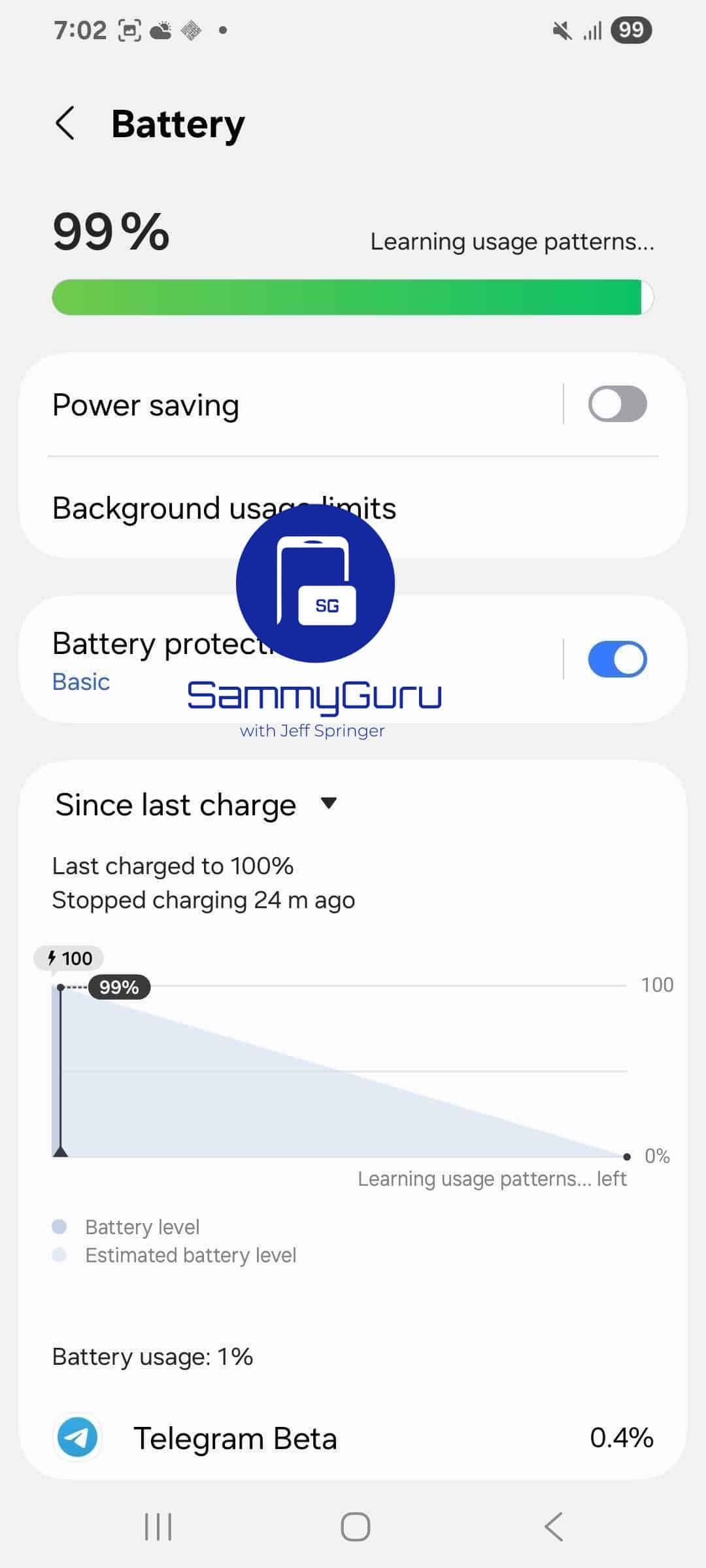
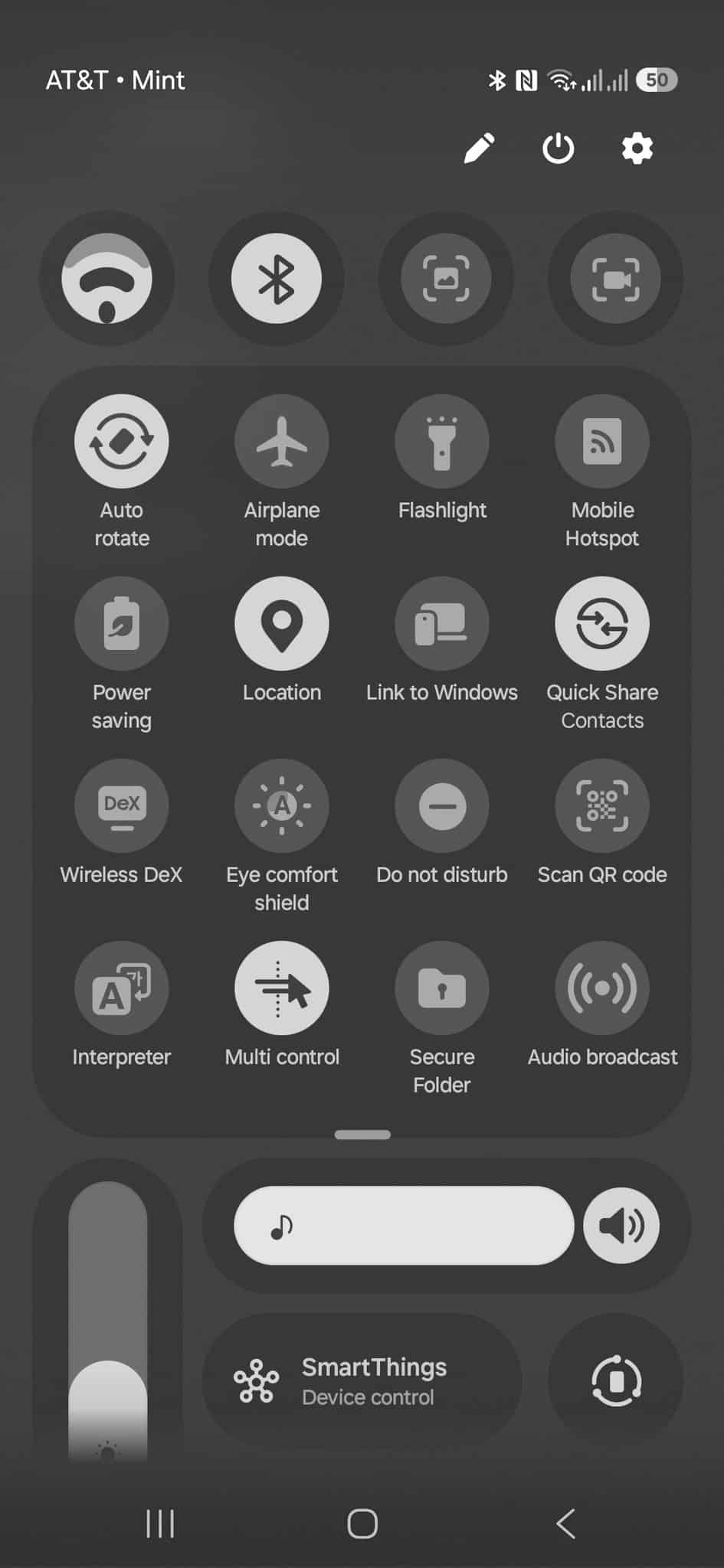
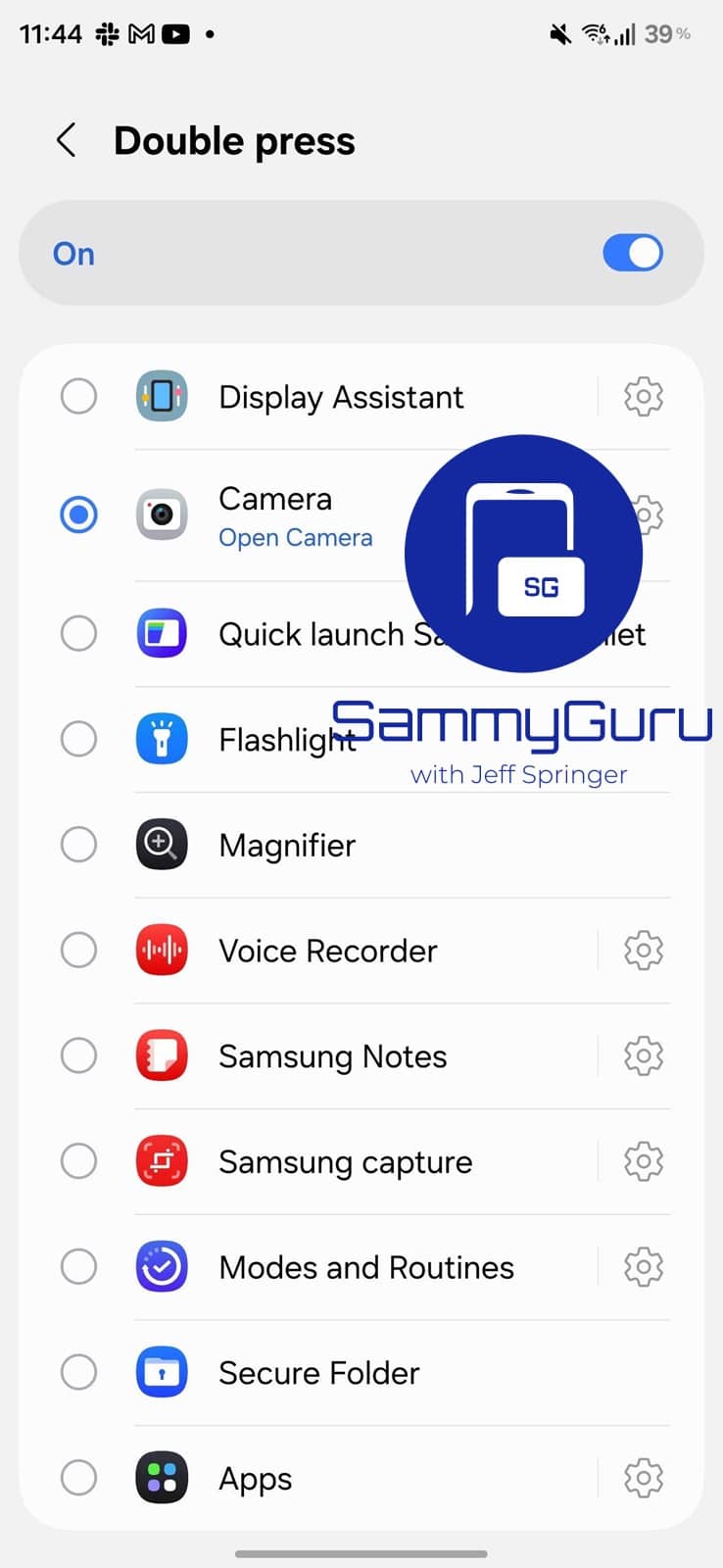
- Customization Upgrades: A fully editable Quick Panel, simplified Power Saving toggles, and a new Double Back Tap gesture for instant actions.
- Samsung Cloud: Gallery once again supports native cloud backup, reducing reliance on OneDrive.
With One UI 8.5 as its foundation, Samsung’s Galaxy S26 phones may not just follow the AI trend. They could build a flexible, multi-assistant ecosystem that could redefine what a smart device truly means. You can read more about One UI 8.5 here.
Galaxy S26 Pro: Battery and Charging
Despite a slimmer profile, the Galaxy S26 is expected to pack a bigger battery. The device may boast a 4,300mAh battery, up from the 4,000mAh unit in the S25. What’s more impressive is that Samsung managed to do that without upgrading to the silicon-carbon (Si-C) battery technology, which offers higher energy density than traditional lithium-ion (Li-ion) chemistry. The Galaxy S26 reportedly still has a Li-ion battery.
Beyond the raw capacity increase, Samsung is rumored to integrate advanced power management strategies and more efficient display hardware to extend real-world battery life. Combined with One UI 8.5’s refined power-saving features and AI-powered optimizations, this should deliver noticeable gains in day-to-day usage.
Unfortunately, despite market trends pushing toward faster charging, the Galaxy S26 reportedly sticks to 25W wired charging, unchanged from the S25 series. Some reports suggested that Samsung will upgrade its base flagship to 45W speeds, bumping the Ultra to 60W, but that looks unlikely now.
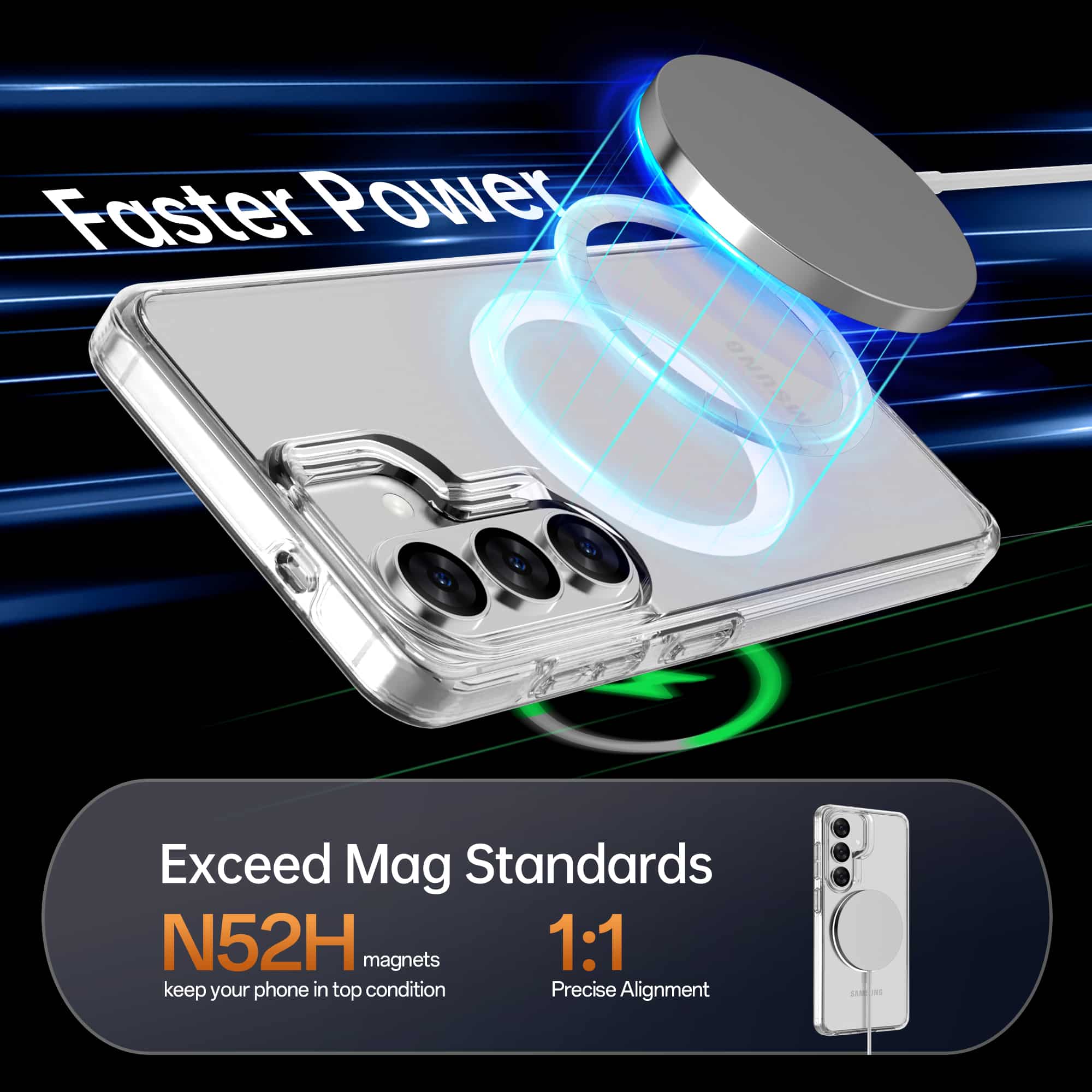
Coming to wireless charging, Samsung may once again skip native Qi2 support. While there have been early rumors about the Galaxy S26 series featuring built-in magnets for optimal alignment, recent developments suggest otherwise. All three models may require a magnetic case for Qi2 features.
Nonetheless, we could see the wireless charging speed jump from 15W to 20W or more. Leaked accessories also hint at Qi2-enabled wireless chargers. Lack of magnets is still a bummer, though.
Galaxy S26: Price, Colors, and Release Date
While there have been rumors of Samsung potentially unveiling the Galaxy S26 series at the end of January 2026, followed by a market release in February, that’s not happening. The new flagships have been delayed by a month, with all signs pointing to a February 25 launch. The device may hit store shelves on March 11.
As for color details, leaked wallpapers hint at Mint, Coral, and Grey options for the Galaxy S26. The S26 Ultra, meanwhile, is rumored to come in Black, White, Sky Blue, Cobalt Violet, Silver Shadow, and Pink Gold colors. It remains to be seen if Samsung decides to offer any of these colors on the base model. More details should surface closer to the official launch.
As far as prices are concerned, the Galaxy S26 is widely expected to retail at $800, the same as the Galaxy S25. Samsung may be able to keep the price unchanged thanks to the Exynos processor. The in-house chip costs less than Qualcomm’s Snapdragon 8 Elite Gen 5. However, rising material costs could make it tricky for Samsung. The company recently increased the prices of its existing phones in some regions, so a price hike for the S26 series is highly likely. At the very least, Samsung may cut preorder benefits to improve margins.
Meanwhile, if the Galaxy S26 sounds like your next phone, you might want to check out our Mystery Box program. We offer a bunch of free accessories when you buy the phone. You can sign up here to receive the official purchase link following the launch early next year. Once you successfully place the order, we will verify your purchase and send you a gift box containing a case, screen protector, cleaning kit, phone stand, a 65W charger, and more freebies, including some bigger random prizes.
Frequently Asked Questions (FAQs)
When will Samsung launch Galaxy S26?
The Samsung Galaxy S26 is expected to launch in February 2026 alongside the Galaxy S26 Ultra. The device should be available for pre-order immediately after launch.
How much will Galaxy S26 cost?
Samsung may keep the Galaxy S26 at the same price as the S25, starting at $799. Detailed prices should be available closer to launch.
Does Galaxy S26 get new cameras?
Leaks suggest Samsung will introduce a new 50MP main camera on the Galaxy S26. The ultrawide camera may also get an upgrade.

Written by
Sumit AdhikariSumit, a life-long Samsung user, is passionate about technology and has been professionally writing on tech since 2017. He’s a mathematics graduate by education and enjoys teaching basic mathematics tricks to school kids in his spare time. Sumit believes in artificial intelligence and dreams of a fully open, intelligent and connected world.

Follow us on Google Discover & set us as a preferred source in Google News
Share this Post
___________________________


New Blog Posts
___________________________
First Set of Pixel 11 Pro XL Renders Are Here
Pixel 11 Pro XL CAD renders show minimal design changes
Is Samsung Preparing One UI 8.5 Beta for Galaxy Z Fold 5 and Flip 5?
Samsung may launch a One UI 8.5 beta program for its 2023 foldables
Galaxy S25 One UI 8.5 Beta May Run Longer Than Expected
Galaxy S25 series’ One UI 8.5 beta may stretch to 10 rounds