
The Real Problem with Samsung’s Flagships
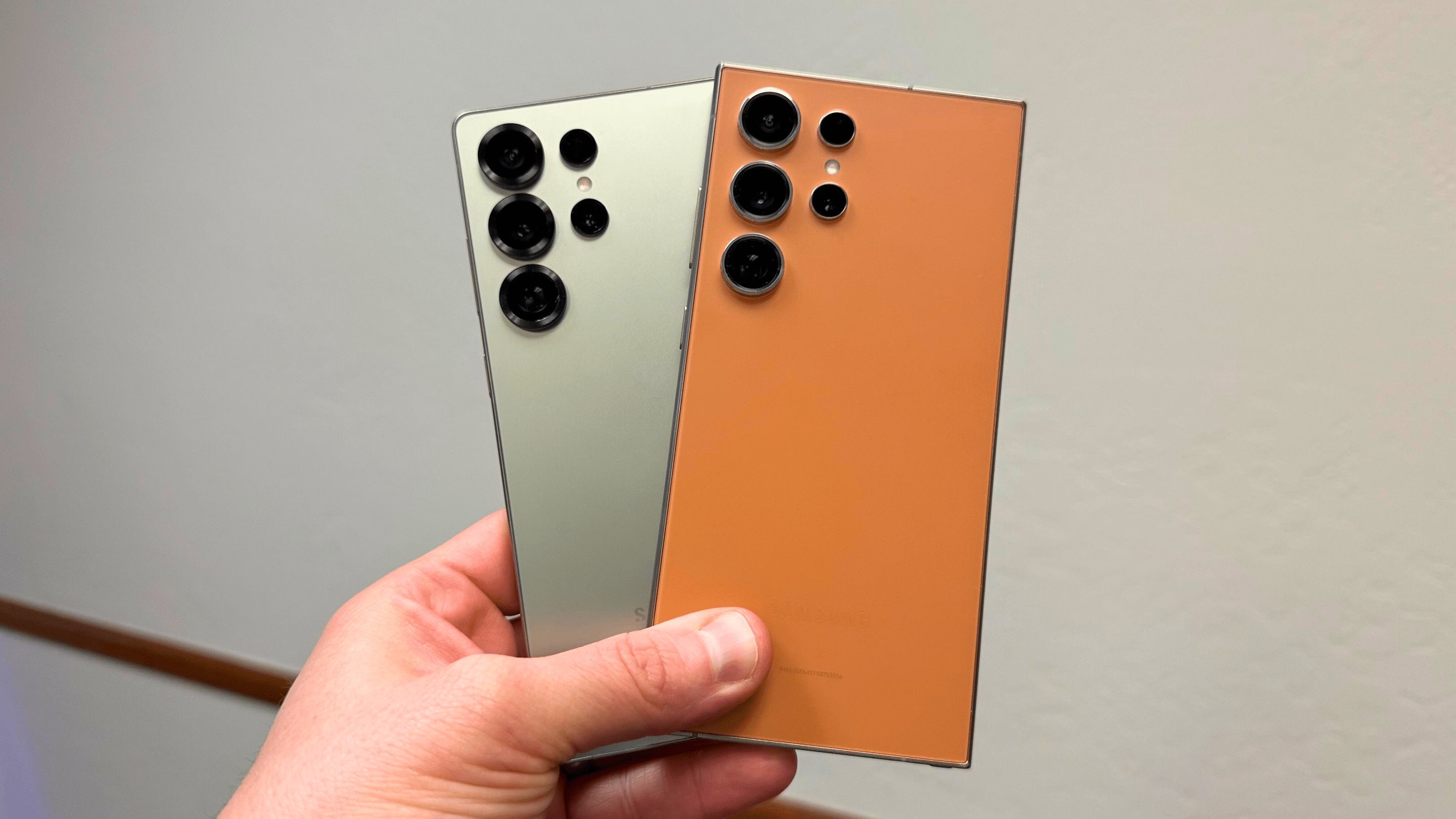
Samsung’s Galaxy S26 series is close, and recent developments suggest the base model will miss out on meaningful upgrades. The device is rumored to retain the same camera sensors as the Galaxy S25, reportedly due to cost reasons. Most notably, RAM prices have skyrocketed in recent months — tracking the price of a 32GB RAM kit on Amazon, prices have surged 400%.
Not only has this revealed what Samsung is doing to ensure profitability, but it has also once again demonstrated the actual problem with its flagship line. It has been evident since the Galaxy S23 series, yet it remains unfixed.
Galaxy flagships lack intention behind their hardware decisions
Samsung’s Galaxy flagships strive to be the jack-of-all-trades but are masters of none. This trend worsens as you move down the lineup. Whether it’s the Galaxy S25 Ultra or the Galaxy S25/S25+, these devices face constraints due to either software or hardware limitations, or sometimes both.
The Galaxy S25 Ultra is equipped with great sensors, but the software hinders their full potential, as demonstrated by Expert RAW. Meanwhile, the base and Plus models come with an excellent ISP that is severely limited by outdated, four-generation-old sensors.
Samsung must establish a balance between its flagship lineup; it is unnecessary to provide everything to each flagship. We will use the upcoming Galaxy S26 series as an example.
Galaxy S26 doesn’t require the Snapdragon 8 Gen 5 Elite
The Galaxy S26 doesn’t require top-of-the-line performance; it should be an all-around performer. Instead of the Snapdragon 8 Gen 5 Elite, equip the base model with the Snapdragon 8 Elite for Galaxy. Instead of pushing for more power, focus on thermal performance.
Since the cost of production has been reduced by opting for a previous-generation chip, which is still a solid chip, cost is saved with software as well. You don’t need to include the APV Codec in the base model. You can now allocate more of the budget for meaningful improvements.
This is how the Galaxy S26 should be configured:
- 6.3-Inch FHD+ Anti-Reflective Display
- Snapdragon 8 Elite for Galaxy | Exynos 2500 (+ Larger Vapor Chamber)
- Updated 50MP Ultrawide Sensor
- Updated 50MP Main Sensor
- 3x Sensor from the Galaxy S25 Ultra
- 4,300mAh
The Galaxy S26 is now a reliable, well-rounded device, boasting improvements over its predecessor.
A smaller Ultra is necessary
The Galaxy S26 Plus must transition to the Galaxy S26 Edge — “Bleeding Edge” in a smaller chassis. However, Samsung has to listen to its customers and learn from the S25 Edge. Instead of focusing on thinness, the S26 Edge should chase capability.
The device could have the Snapdragon 8 Gen 5 Elite for Galaxy processor, APV Codec, and cameras that are equivalent to the Galaxy S26 Ultra. It doesn’t have to be as thin as the Galaxy S25 Edge, nor as thick as the Galaxy S25+. The S25 Edge already had better thermal performance thanks to its larger vapor chamber. Carrying those improvements over would result in a powerful middle child.
Configuring the Galaxy S26 Edge will be simple:
- 6.7-Inch QHD+ Anti-Reflective Display
- Snapdragon 8 Gen 5 Elite for Galaxy | Exynos 2600
- 50MP Ultrawide Sensor
- 200MP Main Sensor from the Galaxy S25 Edge
- 4,900mAh
Because the S26 Edge has one less sensor, everyday users will be confused as to why it costs more than the standard, cheaper Galaxy S26. Simply demonstrate how the stronger camera sensors are able to outperform the base model, even at longer distances. With the addition of the APV Codec, you can shoot higher-quality videos over the base model. And of course, it’s slim!
Reviewing PhoneArena’s Galaxy S25 Edge’s camera performance, it provides great 2x sensor crop and even at longer zoom, up to 10x. Any improvements, and it’s already huge.
-

- PhoneArena’s Galaxy S25 Edge’s 2x Shot
-

- PhoneArena’s Galaxy S25 Edge’s 10x Shot
Galaxy S26 Ultra is the ultimate utility smartphone
The Galaxy S26 Ultra is the true jack-of-all-trades flagship, the final piece in ensuring the upgrades. I understand the contract that Samsung has with Qualcomm, but in regions where possible, shipping the Ultra with the Exynos 2600 may not be a bad idea. On paper, it’s as good as the Snapdragon 8 Elite Gen 5, and it will help mitigate the cost of the Snapdragon chip.
Optimal Galaxy S26 Ultra configuration:
- 6.9-Inch QHD+ Anti-Reflective Display + AI Privacy
- Snapdragon 8 Gen 5 Elite for Galaxy | Exynos 2600
- 50MP Ultrawide Sensor
- Updated 200MP Main Sensor
- 12MP 3x Sensor
- Updated 50MP 5x Sensor
- Bluetooth S Pen Returns
- 5,200mAh
These upgrades may be small, but together they amplify the upgrade from the Galaxy S25 Ultra to the S26 Ultra. As a result of the upgrades mostly being refinements, it’ll leave room for bigger upgrades for the Galaxy S27 Ultra.
Samsung’s real competitor has already figured it out
Apple ended 2026 with a bang; it created each device with purpose. The iPhone Air may not have delivered at the expected levels, but everything else is on point. The base iPhone 17 is an all-around device: 120Hz refresh rate, dual 48MP sensors, great SoC… you name it. The iPhone 17 Pro / Pro Max is equipped with triple 48MP sensors, LiDAR, and a thermal solution that’s similar to a heat sink. As a result, Apple’s sales are breaking records.
Samsung needs to follow this mantra. Each Galaxy flagship requires purpose, but so far, the base and Plus models just feel like a 4-year-old echo chamber. The Ultra is the only one that has any meaningful changes, but still not enough. The Galaxy S26 should be an all-around device, the S26 Edge should be the smaller Ultra, and the S26 Ultra must be an ultra-capable device that outpaces your real competitor, the iPhone 17 Pro Max. But alas, none of this might come to fruition.

Follow us on Google Discover & set us as a preferred source in Google News
Share this Post
___________________________


New Blog Posts
___________________________
First Set of Pixel 11 Pro XL Renders Are Here
Pixel 11 Pro XL CAD renders show minimal design changes
Is Samsung Preparing One UI 8.5 Beta for Galaxy Z Fold 5 and Flip 5?
Samsung may launch a One UI 8.5 beta program for its 2023 foldables
Galaxy S25 One UI 8.5 Beta May Run Longer Than Expected
Galaxy S25 series’ One UI 8.5 beta may stretch to 10 rounds