Samsung’s One UI Update Process is Unacceptable
Samsung’s failure to deliver a simultaneous One UI 8 rollout in 2025 is unacceptable. Nearly a week after the stable rollout began, the update has yet to be available for all Galaxy S25 models worldwide, let alone expand to other devices. Apple and Google comfortably outpace Samsung in terms of updates. There’s no competition at all.
Clearly, an efficient approach is possible for simultaneous releases. And no, Samsung can’t hide behind the excuse that it has a vast phone lineup when it fails to update even a single flagship model on the same day. But what exactly is going wrong for the world’s largest smartphone company, and how can it be fixed? Let’s take a closer look.
One UI 7 was massive
The phrase “bit off more than they could chew” perfectly encapsulates Samsung’s struggle with One UI 7. The Galaxy S25 build was enough to deliver to consumers, packed with the features and AI showcased at January Unpacked 2025.
Comparing the builds of the Galaxy S25 series and Galaxy S24 series suggests that Samsung is not using the same build across these devices. I hypothesize that the One UI 7 ‘stable’ version for the Galaxy S25 series is a beta build that was deemed stable enough for public release. The charging UI animations support this theory.
Charging animations from Stable One UI 7 April build for Galaxy S24 Ultra
Charging animations from Stable One UI 7 April build for Galaxy S25 Ultra
Now, both were April 2025 builds, yet the Galaxy S25 Ultra shared the same animations from the early beta builds. Why is that? I’d have to assume that Samsung prioritized the new AI features over having consistent builds.
Fast-forward to the One UI 8 2nd beta: The Galaxy S24 and Galaxy Z Fold6/Flip6 series now have Now Brief, while the Galaxy S23 series is still missing it. It’s clear that Samsung is playing catch-up, identically with Live Notifications.
One UI 7 Live Notification
One UI 8 Live Notification
It’s now dismissible in One UI 7 but not in One UI 8 is due to Android 16’s official Live Notification implementation.
One UI 7 was massive. I don’t think anyone fully grasps how extensive it was: removing legacy TouchWiz code, introducing AI features like Battery AI (found in the Galaxy S25 Edge), and implementing OS-level changes, as demonstrated by the charging animation when the device is off.
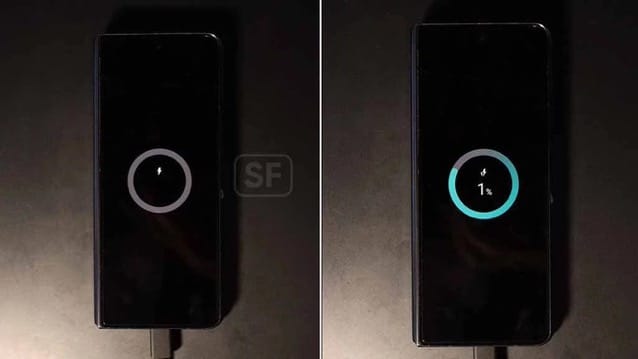
One UI 6 charging when device is off. Source: SammyFans
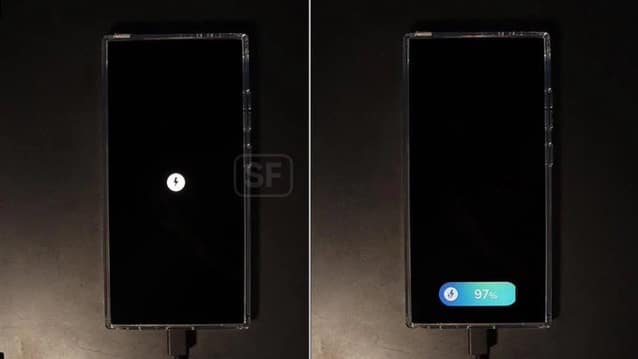
One UI 7 charging when device is off. Source: SammyFans
Communication and transparency need improvement
One UI 7’s six-month development period is reasonable. However, the main issue was Samsung’s lack of transparency and poor communication, not the beta’s duration. Samsung’s claim that the leaked One UI 7 schedule was unofficial only added to the confusion. Alarmingly, even beta moderators were kept in the dark about the actual plans.
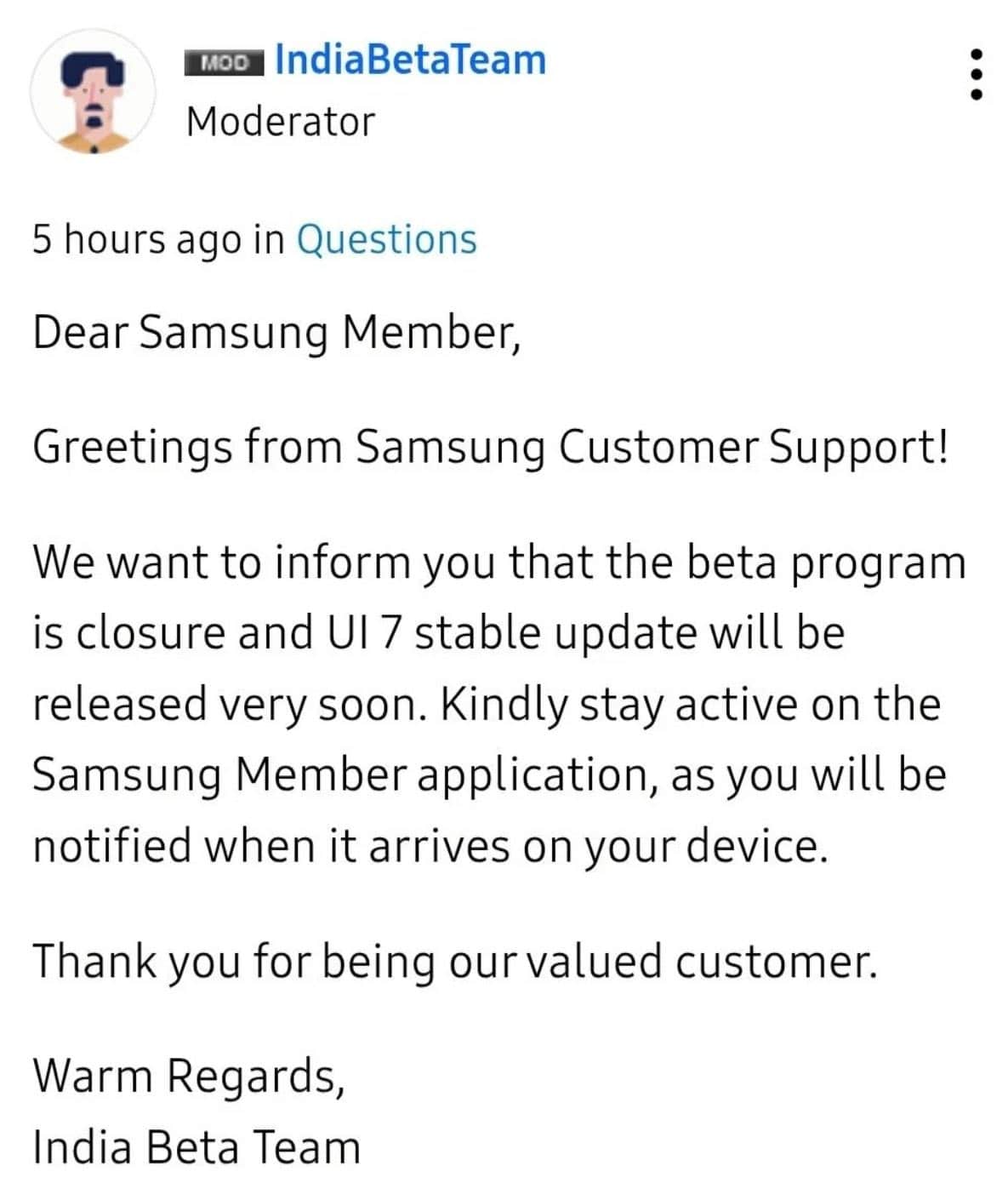
A moderator message posted in February indicated an upcoming stable release, but the One UI 7 stable version arrived in April. Betas are unpredictable; it is the lack of clarity that frustrates users. Clear communication is essential, and Samsung must deliver it.
One UI 7 was always planned to have six beta releases, and when an X user named CID accurately revealed the One UI 7 stable release date, it raised questions. How did he know? It was likely due to, once again, leaked information.
Create a real beta program
Samsung, the solution is clear: establish structure and clear communication. When Android 16 hits platform stability in March, launch a beta program for all flagships by April. After Android 16’s stable release in June, roll out One UI 8 stable by August.
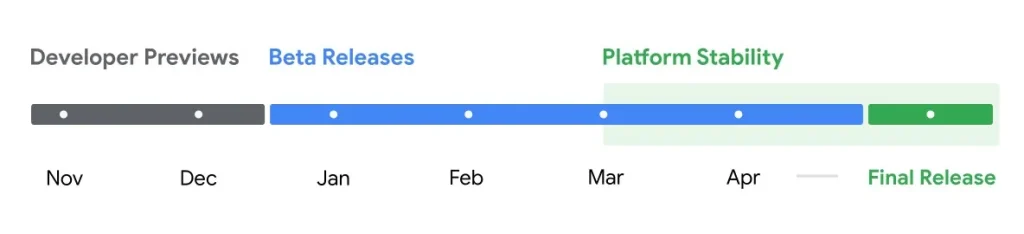
Android 16 timeline
Launch a beta program simultaneously across all regions, carriers, and unlocked models. Prioritize flagships, as it’s illogical for a Galaxy A series to receive updates before the Galaxy S series. Therefore, streamline the rollout process.
The supported Galaxy S, Galaxy Z, Galaxy Tab S, and Galaxy Watch should receive a simultaneous release. Apple and Google deliver simultaneous updates across all devices. Likewise, Samsung must match this standard for its flagships. This is the bare minimum.
Take a page out of Google’s playbook
Samsung should adopt Google’s Feature Drop approach, which effectively balances delivering key improvements, such as security patches, with new features over time.
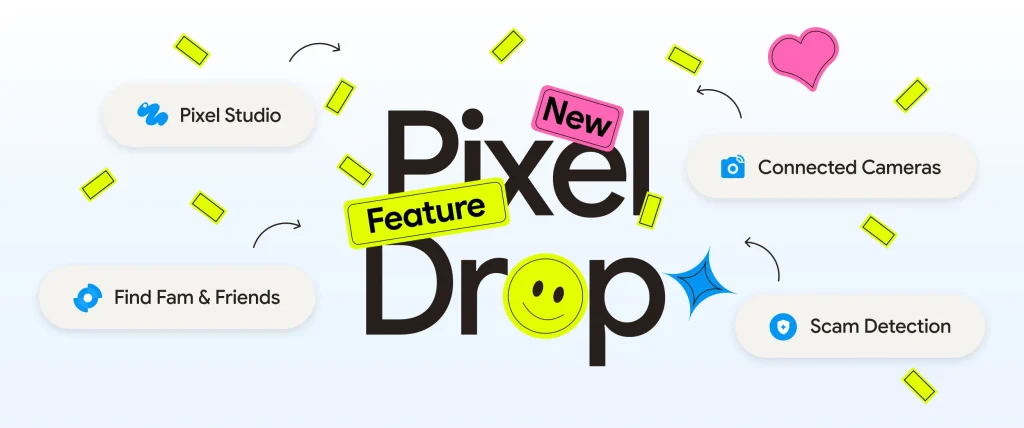
Google Pixel Drop
Samsung should also deliver core One UI and Android changes, along with any aesthetic updates, in a unified release. They can start with the foundational elements of the new update and roll out additional features throughout the year.
This is the timeline I constructed for 2025, which I believe would have been the optimal approach for One UI 7 and One UI 8.
- One UI 7 beta period: October – December 2024
- One UI 7 stable in late January (older models): Now Bar, UI/UX Changes, Android 15 Changes
- One UI 7 February update: Bug Fixes, Log Video, UI/UX Optimization
- One UI 7 April update: Bug Fixes, AI Features (Audio Eraser & Now Brief), UI/UX Optimization
- One UI 8 beta period: May – July 2025
- One UI 8 July release: Live Notifications, Desktop Mode, Android 16 Changes
One UI 7 and One UI 8 share similarities, with One UI 8 building on One UI 7’s foundation. This progression strengthens One UI, outpacing stock Android’s capabilities. However, the issue arises when One UI 7 (Part 2) takes over six months to release, with updates for some models delayed by weeks or even months. Samsung, I urge you to take this seriously. This cannot continue with the One UI 9.

Follow us on Google Discover & set us as a preferred source in Google News
Share this Post
___________________________


New Blog Posts
___________________________
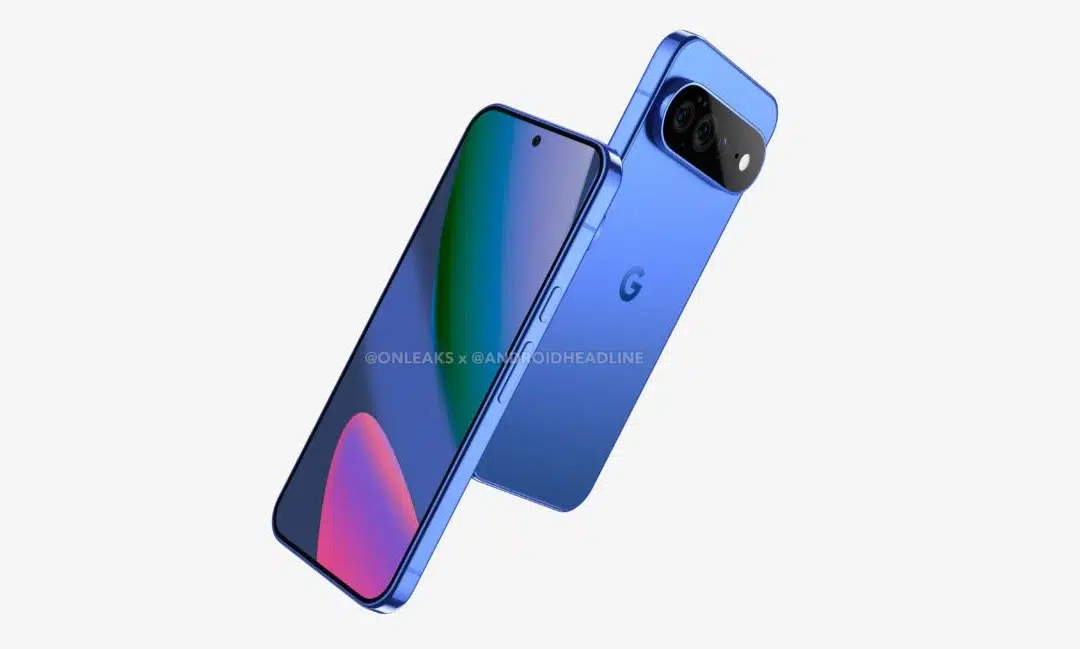
First Set of Pixel 11 Pro XL Renders Are Here
Pixel 11 Pro XL CAD renders show minimal design changes
Is Samsung Preparing One UI 8.5 Beta for Galaxy Z Fold 5 and Flip 5?
Samsung may launch a One UI 8.5 beta program for its 2023 foldables
Galaxy S25 One UI 8.5 Beta May Run Longer Than Expected
Galaxy S25 series’ One UI 8.5 beta may stretch to 10 rounds