iPhone Air vs Galaxy S25 Edge: What’s the Difference?
SammyGuru is reader-supported. We have affiliate and sponsored partnerships, so we may earn a commission when you buy through links on our site — at no extra cost to you. Learn more.
In this article
Earlier this year, Samsung launched the Galaxy S25 Edge, its thinnest Galaxy S model to date. Apple recently answered with the iPhone Air, a direct rival to the Edge. Both models aim to deliver pro-grade performance in an incredibly slim profile, with the battle going beyond pricing. In this article, we will discuss some of the key differences between these two devices.
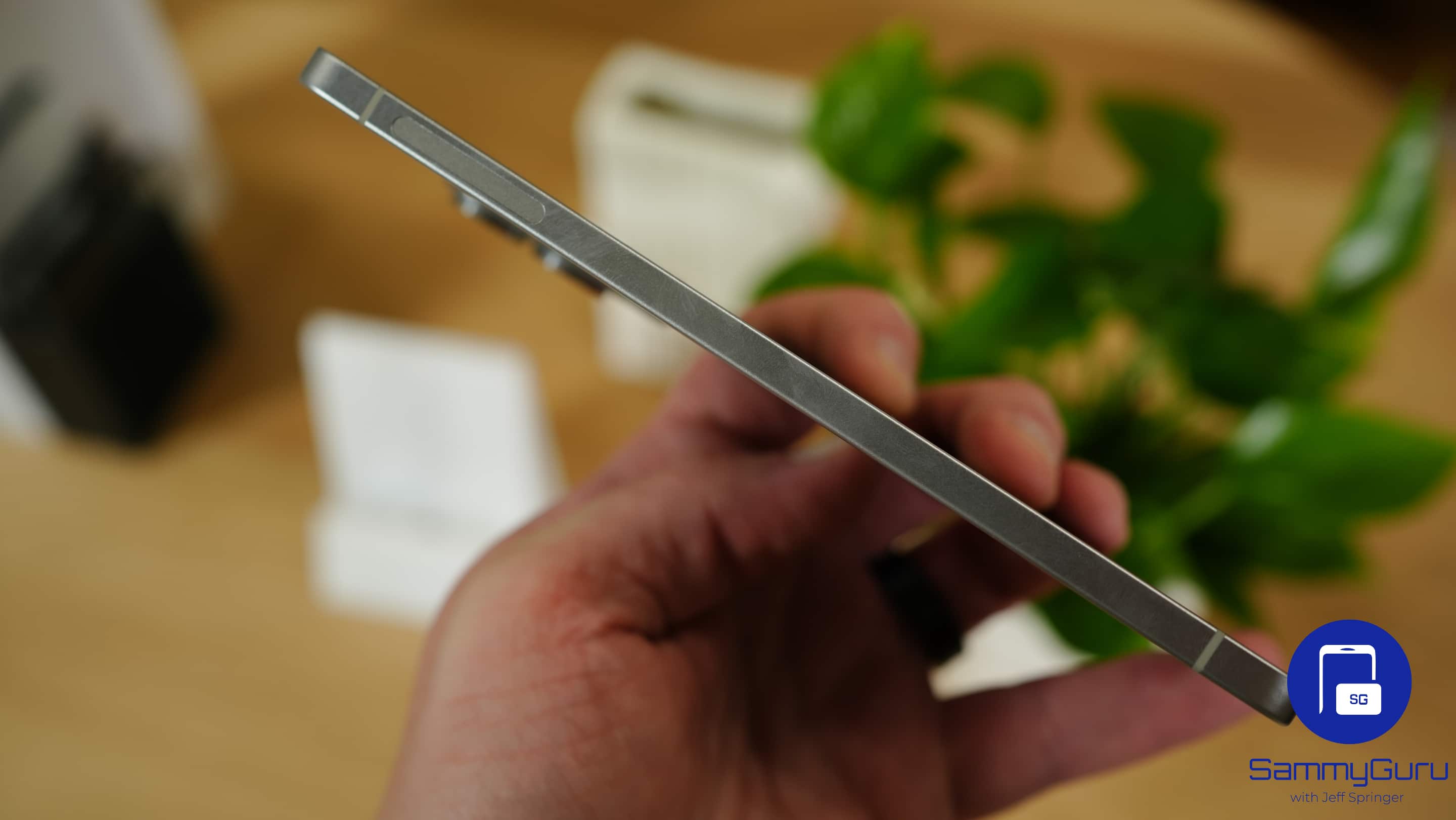
There is no doubt that both iPhone Air and Galaxy S25 Edge have brought a major leap in smartphone design and engineering. But who won the battle of slim smartphones? Well, it’s iPhone Air, which measures just 5.6 mm thick, compared to Galaxy S25 Edge at 5.8 mm. In terms of weight, the Edge is slightly lighter, weighing 163 grams against the Air’s 165 grams. However, to achieve their ultra-slim profiles, both companies had to make some compromises in different aspects of the devices. Let’s take a deep dive into it all.
Display
iPhone Air features a 6.5-inch Super Retina XDR display with an adaptive refresh rate of up to 120Hz and a resolution of 1260 x 2736 pixels. In comparison, Galaxy S25 Edge boasts a slightly larger 6.7-inch Dynamic AMOLED 2X display with a resolution of 1440 x 3120 pixels and a refresh rate of 120Hz.
-
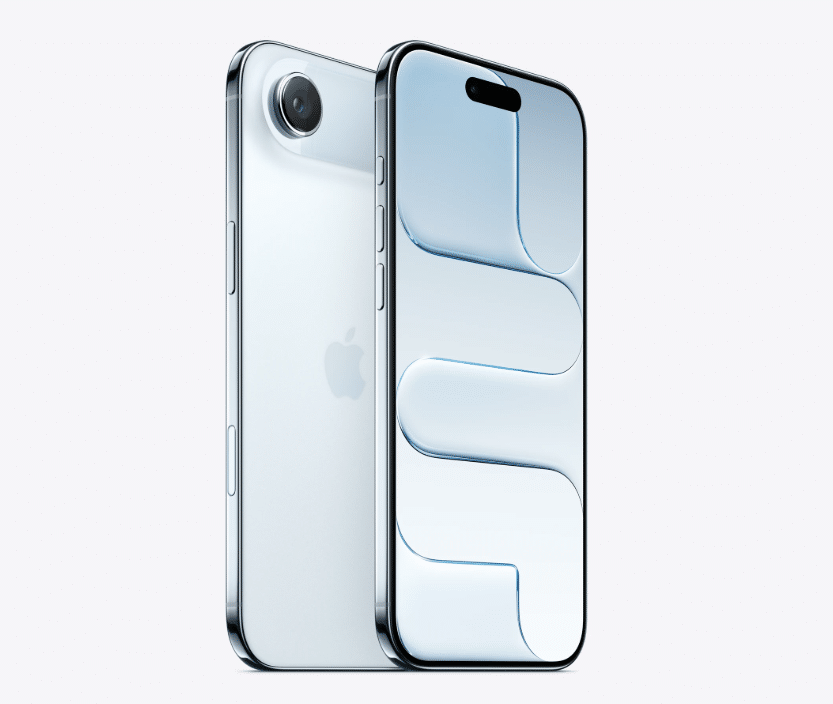
- iPhone Air
-
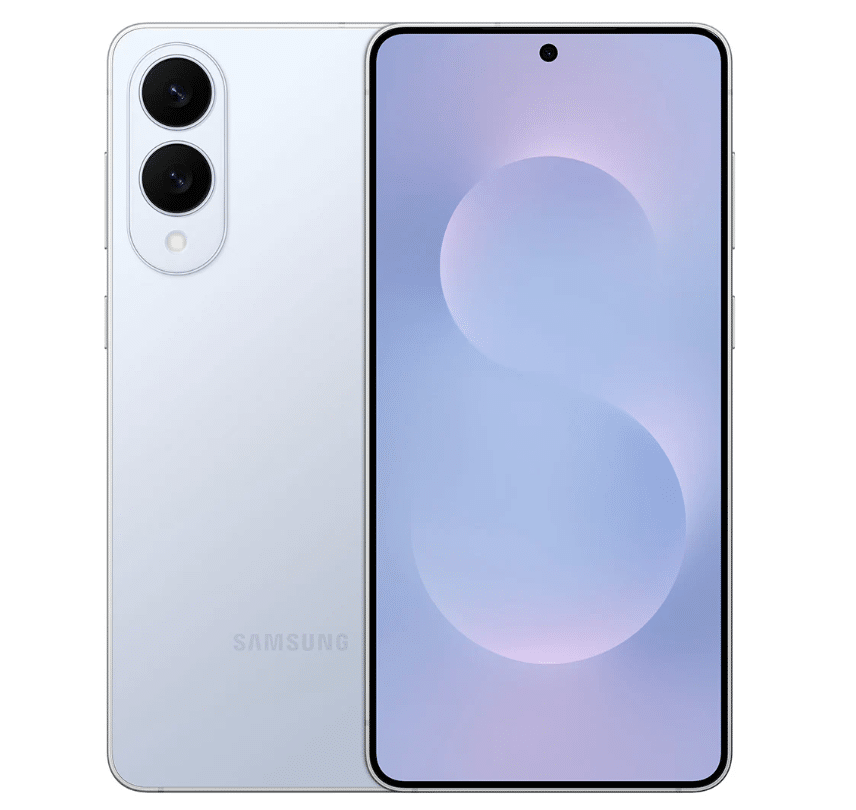
- Galaxy S25 Edge
While both phones use advanced display protection technology, Ceramic Shield 2 and Corning Gorilla Glass Ceramic 2, respectively, Samsung’s offering misses out on an anti-reflective coating. This means the iPhone Air provides slightly better visibility under bright sunlight by reducing screen glare and reflections. Also, thanks to its peak brightness of 3,000 nits compared to 2,600 nits on the S25 Edge, the slim iPhone’s screen should be more legible in bright conditions.
Camera
The biggest difference lies in the camera department — Galaxy S25 Edge features a dual camera setup on the back, while iPhone Air has a single unit. The Edge features a powerful 200MP camera sensor, the same as the Galaxy S25 Ultra, for pro-level photography, paired with a 12MP ultrawide lens. In contrast, the Air features a 48MP main camera, the same unit found on the iPhone 17. For selfies, they feature a 12MP (f/2.2) camera and an 18MP (f/1.9) camera, respectively.
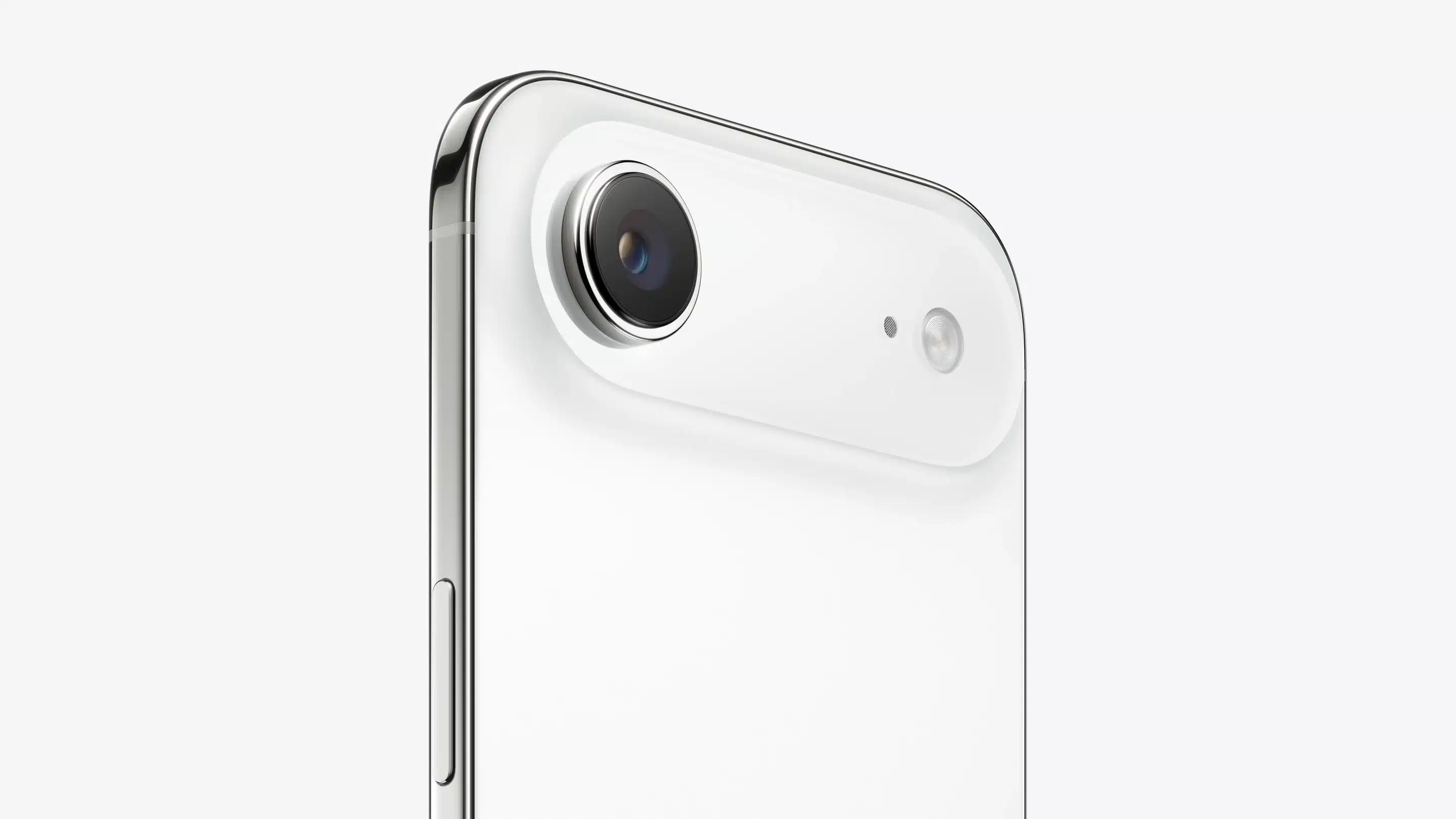
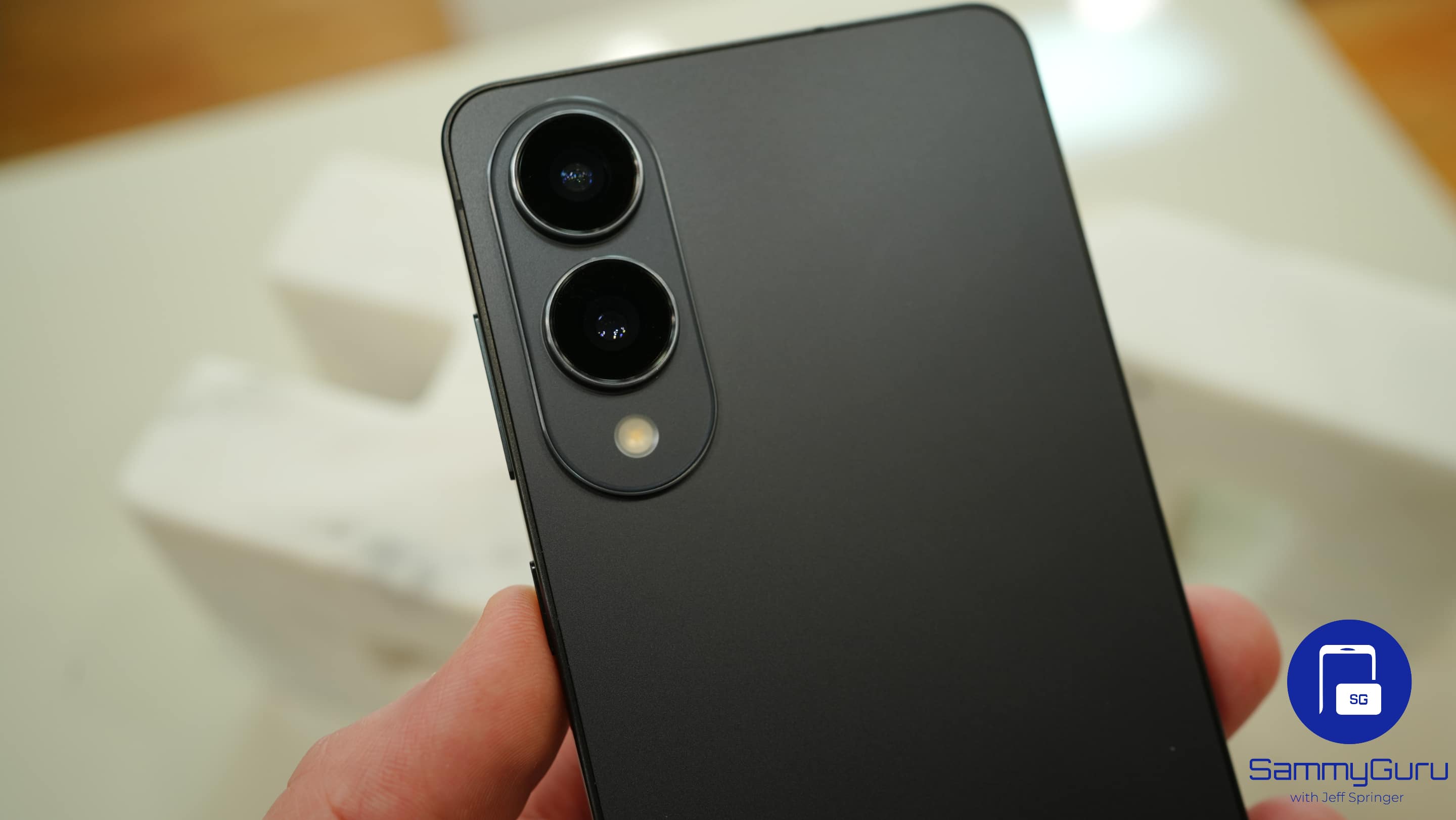
As you can see, both devices lack a dedicated telephoto lens, which is one of the trade-offs made to achieve their slim profiles. While the companies claim the main camera can deliver optical-quality 2x telephoto, this basically means an enhanced digital zoom for distant shots rather than a true optical zoom. The Edge’s 200MP sensor should theoretically produce more details at 2x digital zoom.
Chipset and Battery
Under the hood, iPhone Air uses Apple’s A19 Pro chip while Galaxy S25 Edge runs on Snapdragon 8 Elite for Galaxy. Built on 3nm process nodes, these chipsets are the most advanced in mobile technology, delivering excellent performance and efficiency. For power users who also prefer a slim design, both devices are a solid option. After all, they are the buyers both companies are targeting with their offerings. Note that the S25 Edge has a vapor chamber, while the iPhone Air lacks this heat dissipation component.
In the battery and charging segment, iPhone Air packs a 3149 mAh battery and supports up to 50% charge in 30 minutes using a 20W adapter. On the other hand, Galaxy S25 Edge comes with a bigger 3900 mAh battery and offers 25W wired charging, allowing it to reach 55% charge in 30 minutes. Both devices offer fast charging, but with an extra 751 mAh capacity, Galaxy S25 Edge should last longer than the iPhone Air in a single charge.
Software and other details
On the software front, iPhone Air runs on the company’s latest iOS 26 operating system, whereas Galaxy S25 Edge comes with Android 15-based One UI 7. The Samsung phone will receive the latest Android 16-based One UI 8 in the coming weeks, offering a refined user experience with new AI features.
It is worth mentioning that if you rely on both eSIM and a physical SIM, you won’t get that flexibility with the iPhone Air. The Apple phone comes with eSIM support only, while the Galaxy S25 Edge offers support for both connectivity options. Furthermore, the S25 Edge features stereo speakers for an immersive audio experience, while the iPhone misses out on it. Here’s a quick summary of the key differences:
- iPhone Air (5.6mm) is thinner than S25 Edge (5.8mm)
- Galaxy S25 Edge (163g) is slightly lighter than iPhone Air (165g)
- Galaxy S25 Edge has a bigger and crisper display (6.7-inch, 1440×3120 pixels) than iPhone Air (6.5-inch, 1260×2736 pixels)
- iPhone Air has a brighter screen (3000 nits) than S25 Edge (2600 nits)
- iPhone Air has an anti-reflective display coating; Galaxy S25 Edge does not
- Galaxy S25 Edge has dual rear cameras (200MP main + 12MP ultrawide), while iPhone Air has a single 48MP unit
- Galaxy S25 Edge has stereo speakers; iPhone Air does not
- iPhone Air has an 18MP selfie camera compared to Galaxy S25 Edge’s 12MP
- Galaxy S25 Edge has a vapor chamber cooling system; iPhone Air does not
- Galaxy S25 Edge has a bigger battery (3900 mAh) than iPhone Air (3149 mAh)
- iPhone Air is eSIM only, while S25 Edge offers eSIM + physical SIM
As far as pricing is concerned, the iPhone Air starts at $999 for the 256GB model. While the Galaxy S25 Edge debuted at $1,099 for the same storage, it is currently available cheaper (at just $849). For users who want more storage, Apple offers a 1TB option, whereas the S25 Edge is limited to 512GB.

Written by
Binay KonwarBinay Konwar started his blogging journey in 2014 and has since written plenty of tech articles. At present, he is working as a News Writer at SammyGuru, covering everything about Samsung. He holds a Master's degree in Mathematics, but his real passion lies in tech and writing. In his free time, he enjoys playing chess and watching movies.

Follow us on Google Discover & set us as a preferred source in Google News
Share this Post
___________________________


New Blog Posts
___________________________
First Set of Pixel 11 Pro XL Renders Are Here
Pixel 11 Pro XL CAD renders show minimal design changes
Is Samsung Preparing One UI 8.5 Beta for Galaxy Z Fold 5 and Flip 5?
Samsung may launch a One UI 8.5 beta program for its 2023 foldables
Galaxy S25 One UI 8.5 Beta May Run Longer Than Expected
Galaxy S25 series’ One UI 8.5 beta may stretch to 10 rounds