If Samsung Needs to Drop Reverse Charging for Qi2, the Trade-off is Worth It
SammyGuru is reader-supported. We have affiliate and sponsored partnerships, so we may earn a commission when you buy through links on our site — at no extra cost to you. Learn more.
Despite its clear advantages, Android manufacturers have been slow to embrace the Qi2 wireless charging standard, including Samsung. That hesitation isn’t accidental but rather the result of patent hurdles, higher development costs, and strategic restraint. Still, if dropping reverse wireless charging helps Samsung implement full-fledged Qi2 support, it’s a trade worth making. After all, the company’s latest smartwatches no longer support Wireless PowerShare, so retiring it from future phones would be a logical step forward.
Samsung, go drop reverse wireless charging if it clears the way for Qi2
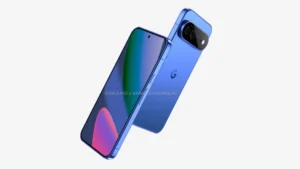
Google’s latest Pixel 10 series launched with full Qi2 wireless charging support. However, it came at the cost of reverse wireless charging. The company revealed that it was a physical limitation caused by the magnetic array used for Qi2. Those magnets take up space around the wireless charging coil, preventing the phone from pushing power outward to other devices.
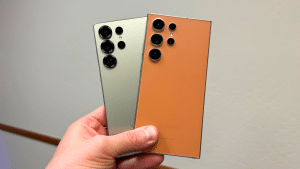
That’s the reality of physics and design. And if Samsung plans to embed full Qi2 magnets in the upcoming Galaxy S26 series, the same trade-off could be inevitable. Recent surveys sent to Samsung Members hinted at upcoming Qi2 functionality, but they also mentioned potential drawbacks, likely referring to this exact limitation.
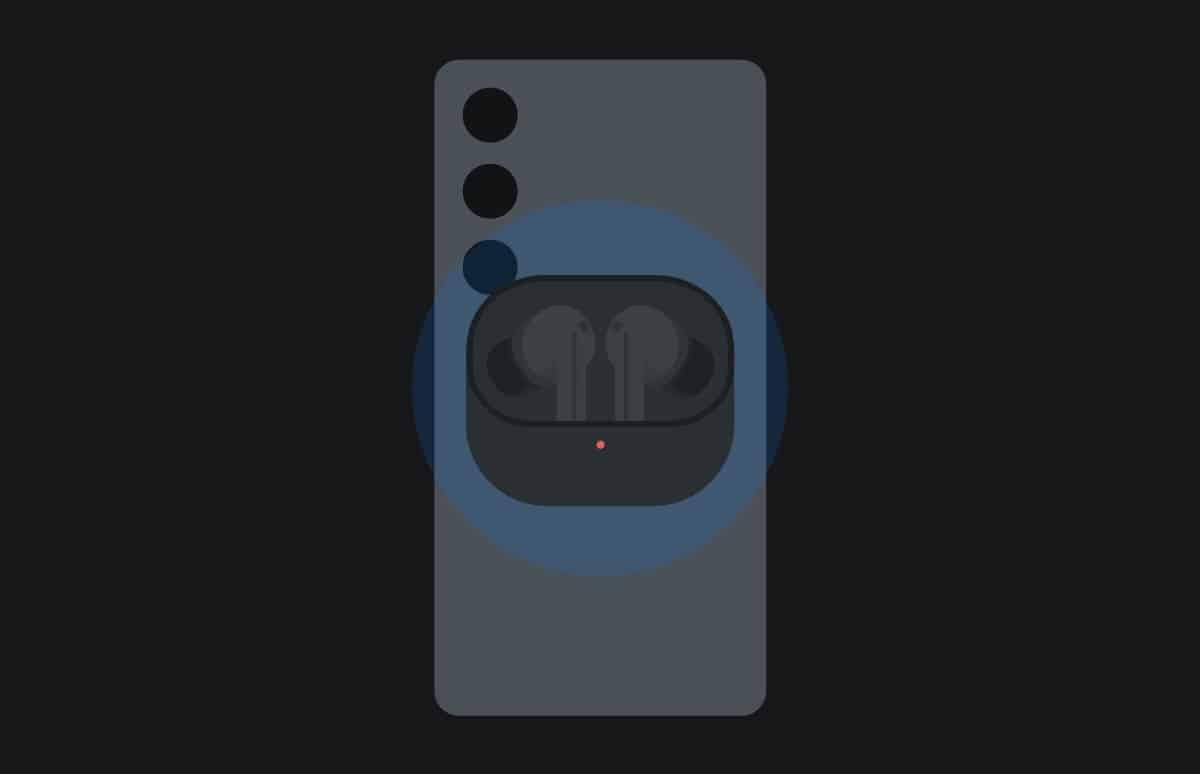
Let’s be honest: Wireless PowerShare sounds great on paper, but in real-world use, it’s more of a convenience feature than a necessity. It lets Galaxy users wirelessly charge compatible smaller devices like earbuds, watches, or another phone by placing them on the back of the phone. It’s a clever trick for emergencies, but few users rely on it daily. I don’t remember when I used this feature last.
Even Samsung’s own ecosystem has quietly moved away from depending on it. The Galaxy Watch 7 and newer models, for instance, don’t truly support wireless power sharing anymore. Their redesigned BioActive health sensor sits deeper under the glass, pushing the internal charging coil farther from the surface. As a result, these watches can’t draw enough power from a Galaxy phone’s wireless coil to charge effectively. Samsung even warns users not to use older chargers to charge the new watches.
In testing, the Galaxy S25 Ultra could still reverse charge the Watch Ultra and Watch 8 Classic, but only inconsistently. It required careful alignment and held contact, which isn’t the seamless experience Samsung once promised. Fortunately, Samsung built a wired alternative. If you have your watch’s charging puck nearby, you can plug it directly into your phone’s USB-C port, and the watch will draw power from the phone’s battery. It’s not as elegant as placing the devices back-to-back, but it works every time, and it’s more power-efficient.
Qi2 is the real step forward
So, should Samsung cling to reverse charging or move forward with full Qi2? The answer seems obvious. Qi2 is the future of wireless charging, not just for Android phones but for the entire ecosystem, including accessories, tablets, and laptops. Built around the Magnetic Power Profile (MPP), Qi2 aligns your device perfectly every time, ensuring faster charging speeds, better efficiency, and cooler operation. It also reduces wear on charging ports and cables, which is great for long-term device health.
Apple’s MagSafe system already relies on this same standard, and now Google’s Pixel 10 lineup has joined in. The shift toward a unified, magnet-based wireless standard means that accessories like chargers, mounts, and power banks will soon become cross-compatible across brands.
Samsung risks looking behind the curve if it keeps shipping “Qi2 Ready” phones that depend on magnetic cases for full functionality. The Galaxy S25 Ultra’s current implementation — faster charging when using a compatible Qi2 magnetic case — feels like a stopgap solution rather than a long-term design direction. By going all-in on Qi2, Samsung could deliver the same magnetic convenience that Pixel 10 and iPhone users already enjoy.
After all, reverse wireless charging has never been a defining feature. Many users forget it even exists, and for those who do use it, it’s typically in emergencies, not daily routines. In contrast, Qi2 will make every wireless charge better, not just occasional ones. If Samsung must choose between maintaining reverse wireless charging or adopting full Qi2 integration, the decision should be simple. Qi2 benefits every user, every day. Reverse charging benefits a few, occasionally.
Dropping Wireless PowerShare would also simplify internal design, improve heat management, and open up space for other components, possibly a larger cooling system, better antennas, or an even bigger battery. And for those rare times you need to charge your watch or earbuds on the go, Samsung’s USB-C reverse charging option is still there.

Written by
Sumit AdhikariSumit, a life-long Samsung user, is passionate about technology and has been professionally writing on tech since 2017. He’s a mathematics graduate by education and enjoys teaching basic mathematics tricks to school kids in his spare time. Sumit believes in artificial intelligence and dreams of a fully open, intelligent and connected world.

Follow us on Google Discover & set us as a preferred source in Google News
Share this Post
___________________________


New Blog Posts
___________________________
First Set of Pixel 11 Pro XL Renders Are Here
Pixel 11 Pro XL CAD renders show minimal design changes
Is Samsung Preparing One UI 8.5 Beta for Galaxy Z Fold 5 and Flip 5?
Samsung may launch a One UI 8.5 beta program for its 2023 foldables
Galaxy S25 One UI 8.5 Beta May Run Longer Than Expected
Galaxy S25 series’ One UI 8.5 beta may stretch to 10 rounds