Samsung’s Qi2 Hesitation Makes Sense — Nothing Just Explained Why
SammyGuru is reader-supported. We have affiliate and sponsored partnerships, so we may earn a commission when you buy through links on our site — at no extra cost to you. Learn more.
Many have questioned Samsung’s decision not to fully embrace the Qi2 wireless charging standard, but that choice may be more strategic than it seems. Nothing’s recent revelation about Qi2 has shed light on why most smartphone brands remain cautious despite the technology’s clear potential. Beneath the surface lies a complex mix of patent restrictions, high development costs, and deliberate restraint, creating a barrier.
Qi2 has huge potential, but adoption has been slow
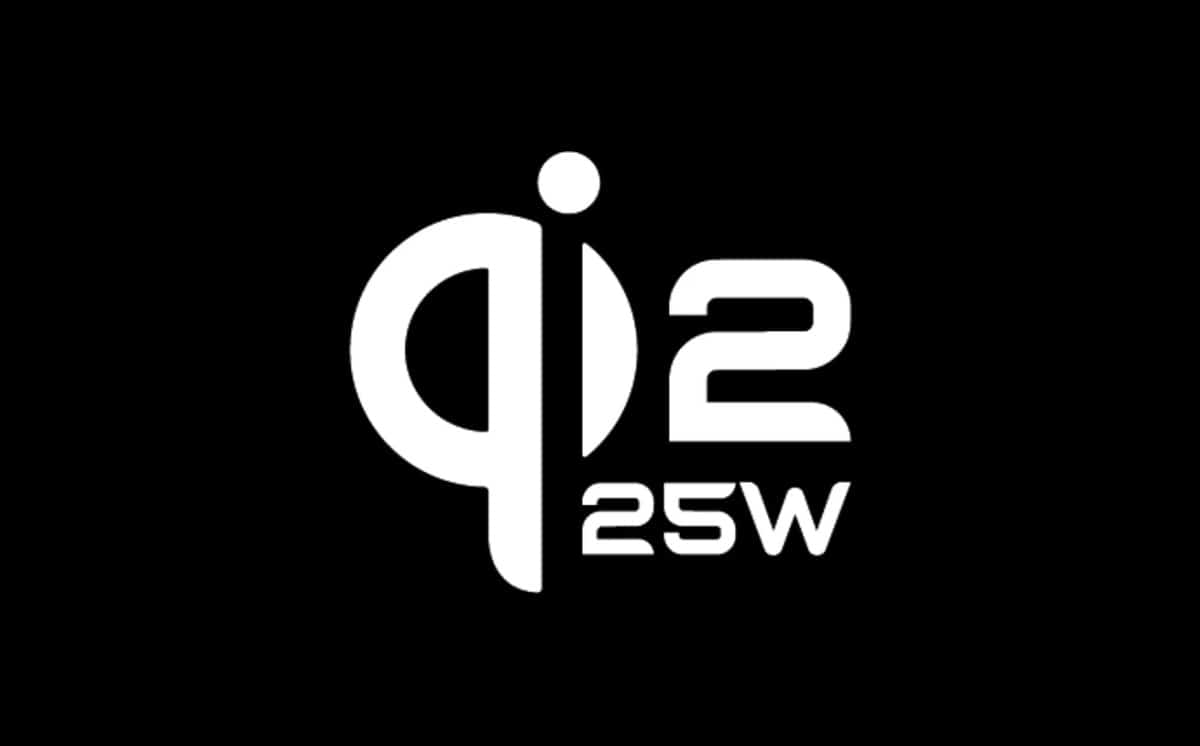
Qi2 is the next-generation wireless charging standard developed by the Wireless Power Consortium, centered on a Magnetic Power Profile (MPP) inspired by Apple’s MagSafe system. It uses magnets for precise coil alignment, enabling faster, more efficient wireless charging with less heat generation and more stability.
In theory, Qi2 should unify the wireless charging scene with cross-compatible magnetic accessories, chargers, and power pads. In practice, however, adoption has been slow. According to Nothing, this has little to do with technical challenges and everything to do with legal and patent politics. The magnet configurations that perfectly align with Apple-compatible wireless chargers are patented and restricted, creating a bottleneck that prevents true cross-platform interoperability.
Nothing bluntly summed up the situation as “legal red tape, industry politics, and a whole load of nonsense.” For any brand wanting optimal magnetic alignment without licensing Apple’s design, the only alternative is to develop a completely new magnetic system. Nothing’s engineers estimated that it could cost roughly $10 million.
While that’s not a huge sum, the resulting system might still suffer from misalignment, slower speeds, and higher heat output, making the investment questionable at best. Moreover, proprietary solutions already work well for most brands, including Samsung. Magnetic attachments also remain a niche interest among Android users. The Korean firm may not see an urgent need to embrace Qi2 fully, more so if it must compromise on reverse wireless charging.
Samsung’s “Qi2-Ready” strategy might be the perfect workaround
Samsung’s approach has been noticeably cautious. Its recent flagships are labeled as “Qi2 Ready,” meaning they technically support Qi2’s communication and power protocols, but do not feature built-in magnetic rings for perfect coil alignment. Instead, Samsung lets users achieve alignment via magnetic cases, which mimic MagSafe’s ring configuration.
This setup delivers compatibility without the licensing issues or manufacturing compromises that come with embedding magnets directly into the device. Samsung isn’t alone in its cautious stance. Apart from Google’s Pixel 10 series, few Android manufacturers have gone all-in on Qi2. The combination of patent limitations, cost, and unclear market demand has most OEMs sitting on the sidelines for now.

Written by
Sumit AdhikariSumit, a life-long Samsung user, is passionate about technology and has been professionally writing on tech since 2017. He’s a mathematics graduate by education and enjoys teaching basic mathematics tricks to school kids in his spare time. Sumit believes in artificial intelligence and dreams of a fully open, intelligent and connected world.

Follow us on Google Discover & set us as a preferred source in Google News
Share this Post
___________________________


New Blog Posts
___________________________
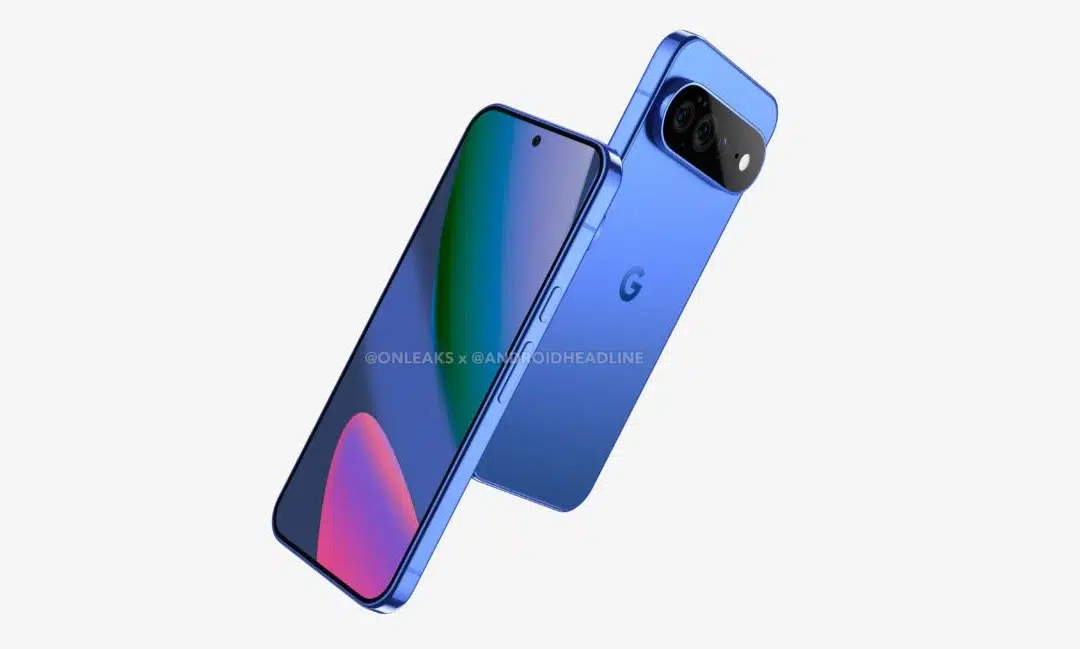
First Set of Pixel 11 Pro XL Renders Are Here
Pixel 11 Pro XL CAD renders show minimal design changes
Is Samsung Preparing One UI 8.5 Beta for Galaxy Z Fold 5 and Flip 5?
Samsung may launch a One UI 8.5 beta program for its 2023 foldables
Galaxy S25 One UI 8.5 Beta May Run Longer Than Expected
Galaxy S25 series’ One UI 8.5 beta may stretch to 10 rounds