WhatsApp Tests Cover Photos and Third-Party Group Chats
SammyGuru is reader-supported. We have affiliate and sponsored partnerships, so we may earn a commission when you buy through links on our site — at no extra cost to you. Learn more.
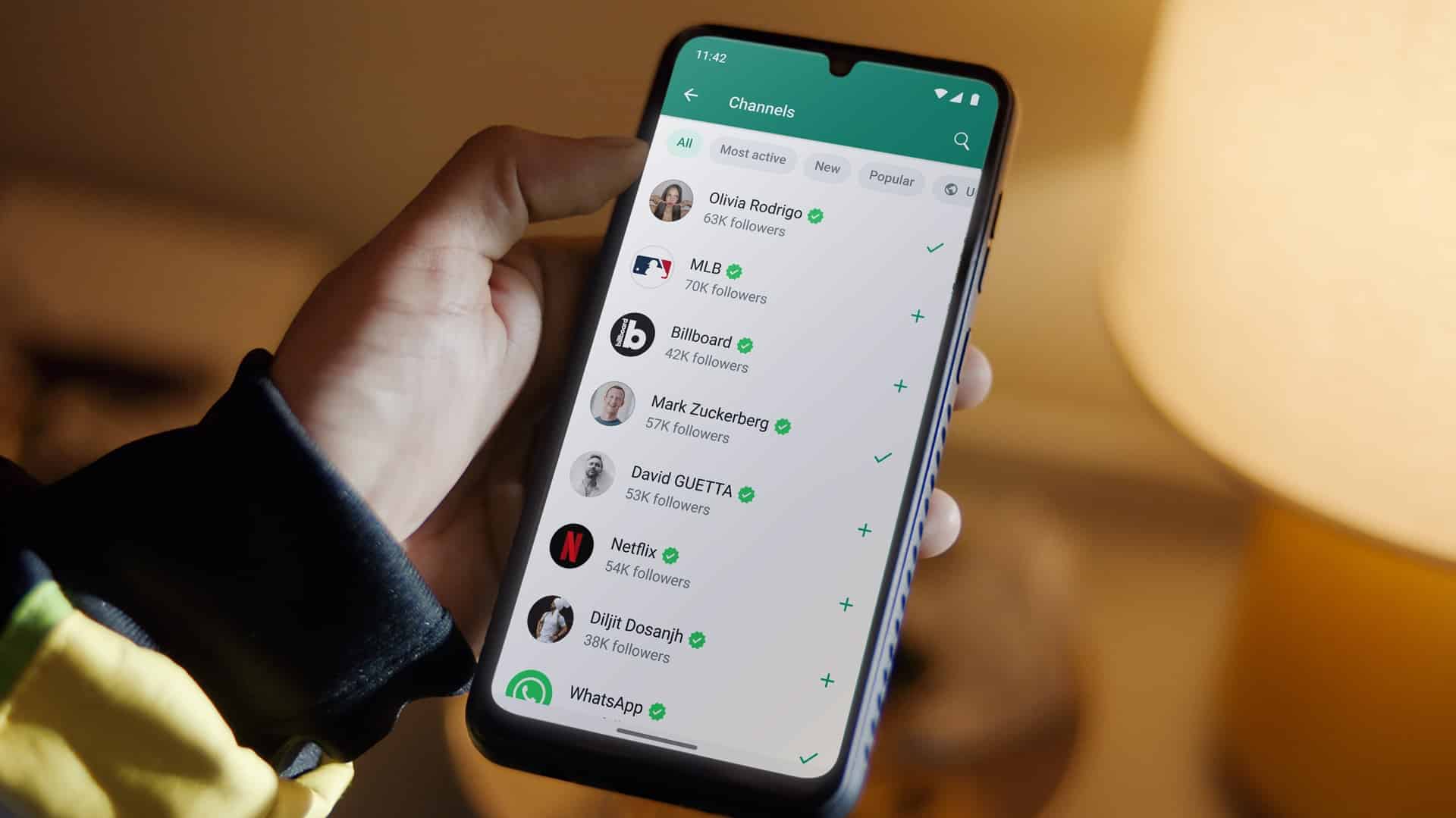
WhatsApp is testing two new features to make the messaging platform more personal and connected. The first feature will let you set a cover photo for your profile, while the second will let you join third-party group chats with people who use other messaging apps. Both features are currently available for beta testers, but they may reach the stable channel in the coming weeks.
New WhatsApp beta updates make the app more personal and connected
As spotted by WABetaInfo, WhatsApp beta version 2.25.32.2 brings the ability to add a cover photo to the profile. This feature is similar to the cover images seen on Facebook or LinkedIn. The cover photo shows up as a wide banner at the top of the profile page, allowing you to show your personality or interests through images. It is worth mentioning that WhatsApp Business accounts can already use a cover photo to display branding or information.
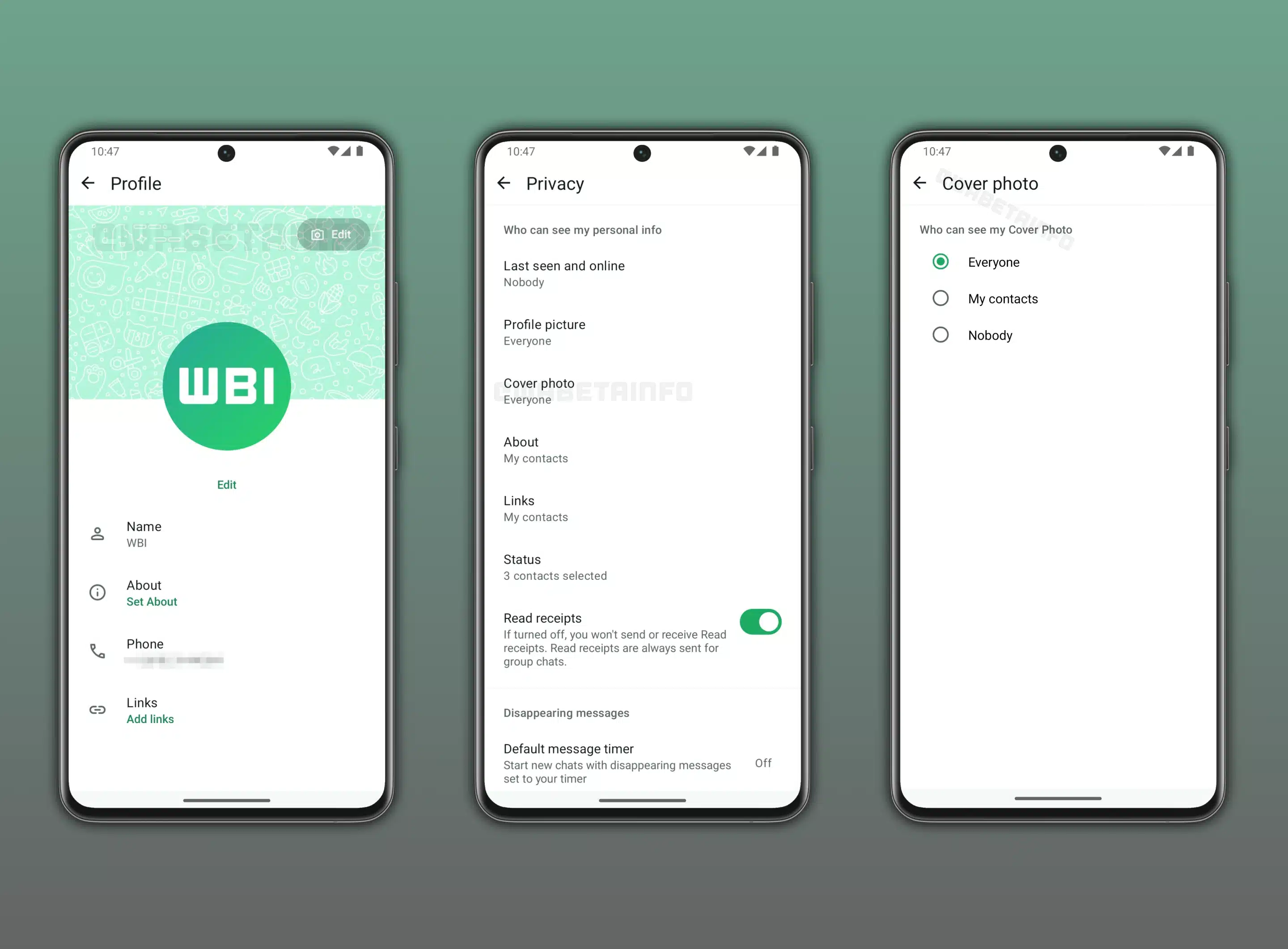
To add a cover photo, go to your profile settings and pick any image from your gallery. The best thing is that you will have control over who can see your cover photo. You can choose between Everyone, My contacts, or Nobody. Needless to say, the first option makes the cover image visible to all users, while the second option limits it to your saved contacts. Likewise, the third option hides it from everyone.
Meanwhile, WhatsApp beta version 2.25.32.7 introduces third-party group chats. This new feature is basically WhatsApp’s response to the European Union’s Digital Markets Act (DMA), which requires messaging services to be interoperable with other platforms. Everyone in the third-party group will have to enable the interoperability feature in their account settings. This allows all members to participate in the group conversation, regardless of which messaging app they use.
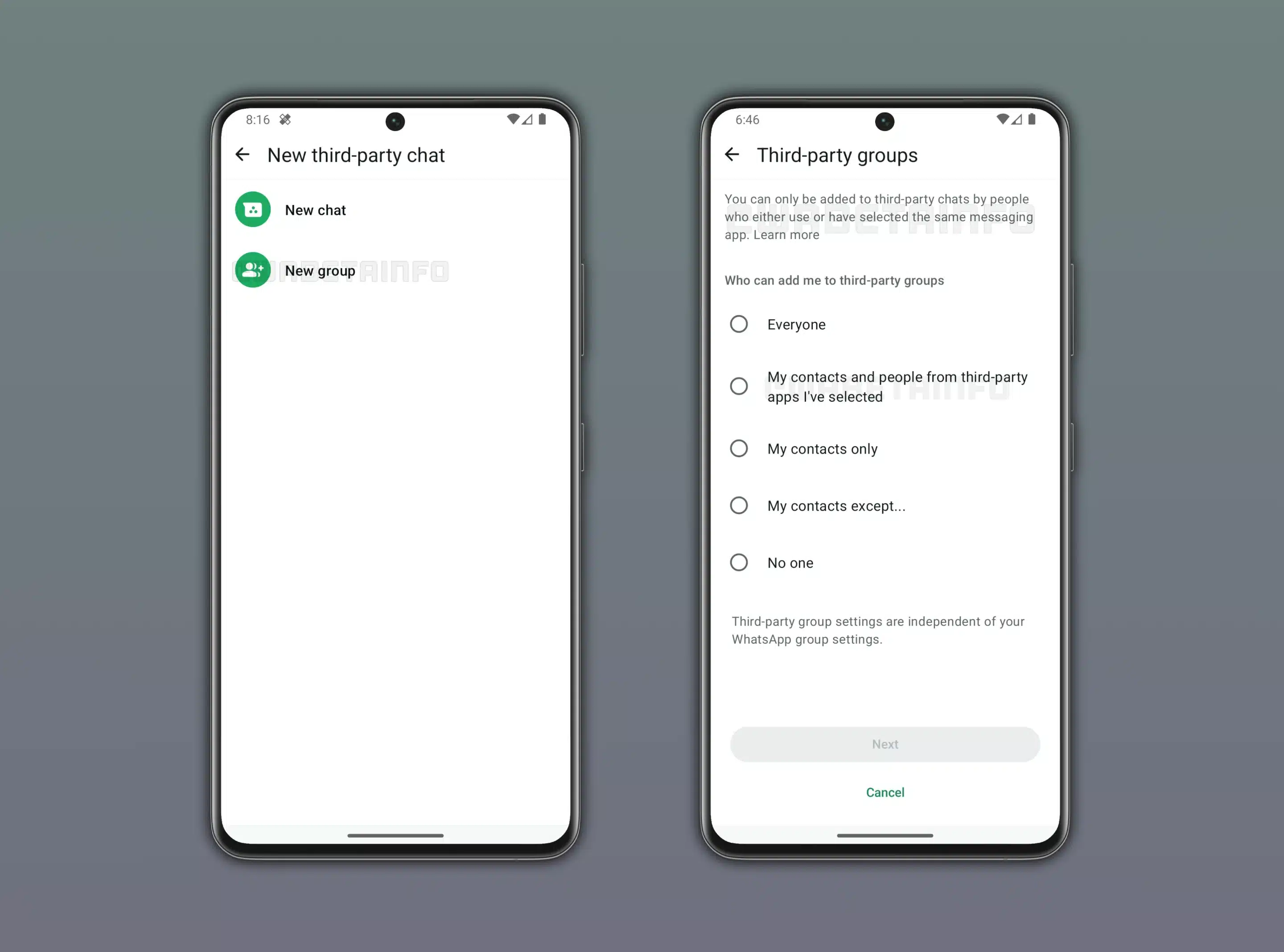
Furthermore, users will have control over who can add them to third-party groups. The choices include “Everyone”, “My contacts and people from third-party apps I’ve selected”, “My contacts only”, “My contacts except”, and “No one.” Note that this feature will be available only in the European region.

Written by
Binay KonwarBinay Konwar started his blogging journey in 2014 and has since written plenty of tech articles. At present, he is working as a News Writer at SammyGuru, covering everything about Samsung. He holds a Master's degree in Mathematics, but his real passion lies in tech and writing. In his free time, he enjoys playing chess and watching movies.

Follow us on Google Discover & set us as a preferred source in Google News
Share this Post
___________________________


New Blog Posts
___________________________
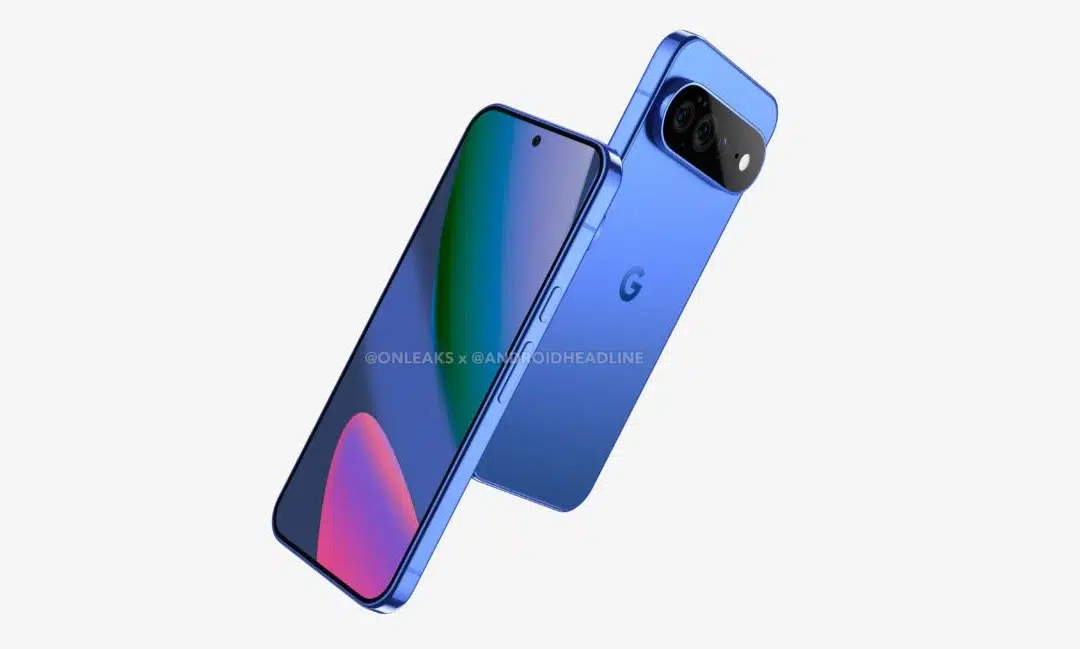
First Set of Pixel 11 Pro XL Renders Are Here
Pixel 11 Pro XL CAD renders show minimal design changes
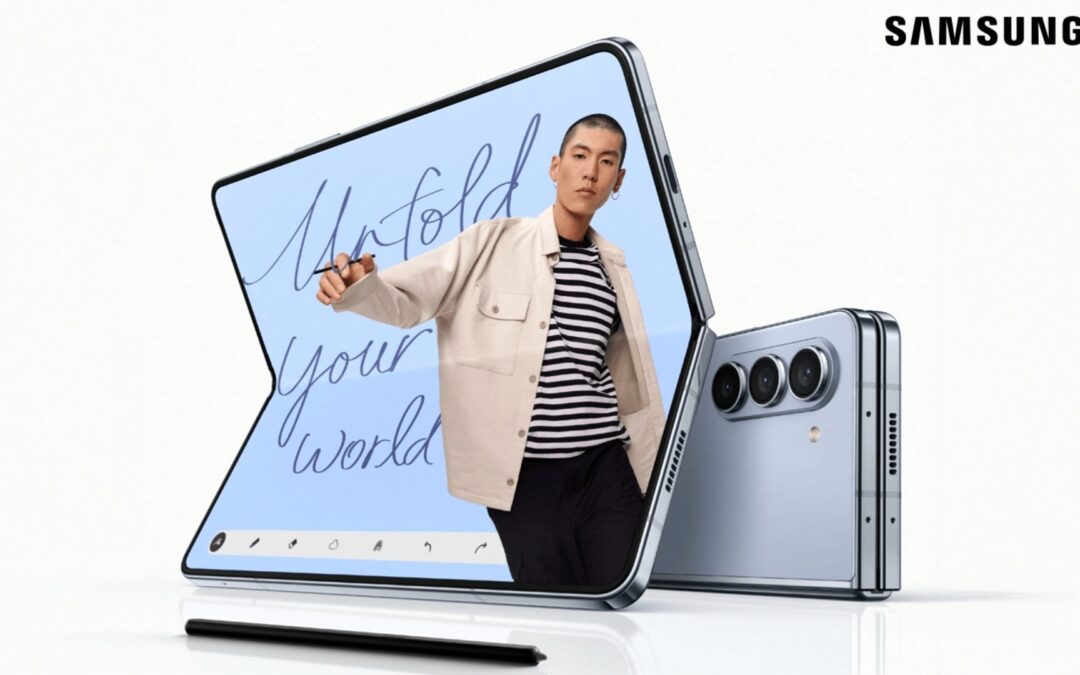
Is Samsung Preparing One UI 8.5 Beta for Galaxy Z Fold 5 and Flip 5?
Samsung may launch a One UI 8.5 beta program for its 2023 foldables
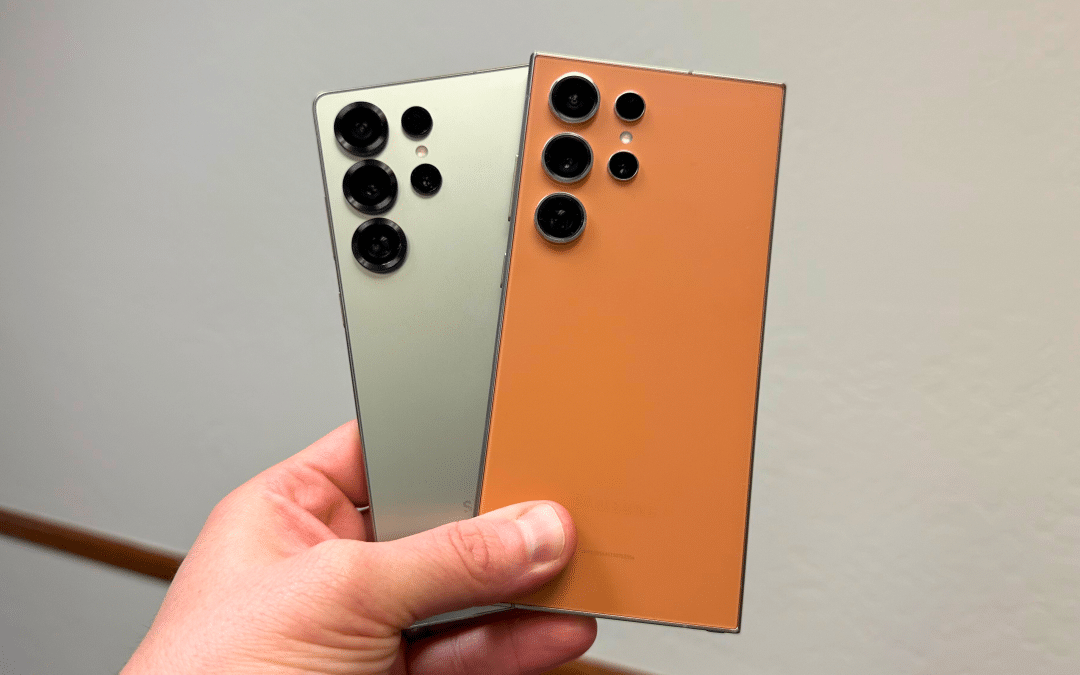
Galaxy S25 One UI 8.5 Beta May Run Longer Than Expected
Galaxy S25 series’ One UI 8.5 beta may stretch to 10 rounds