
Samsung to Increase Apple’s Foldable OLED Production
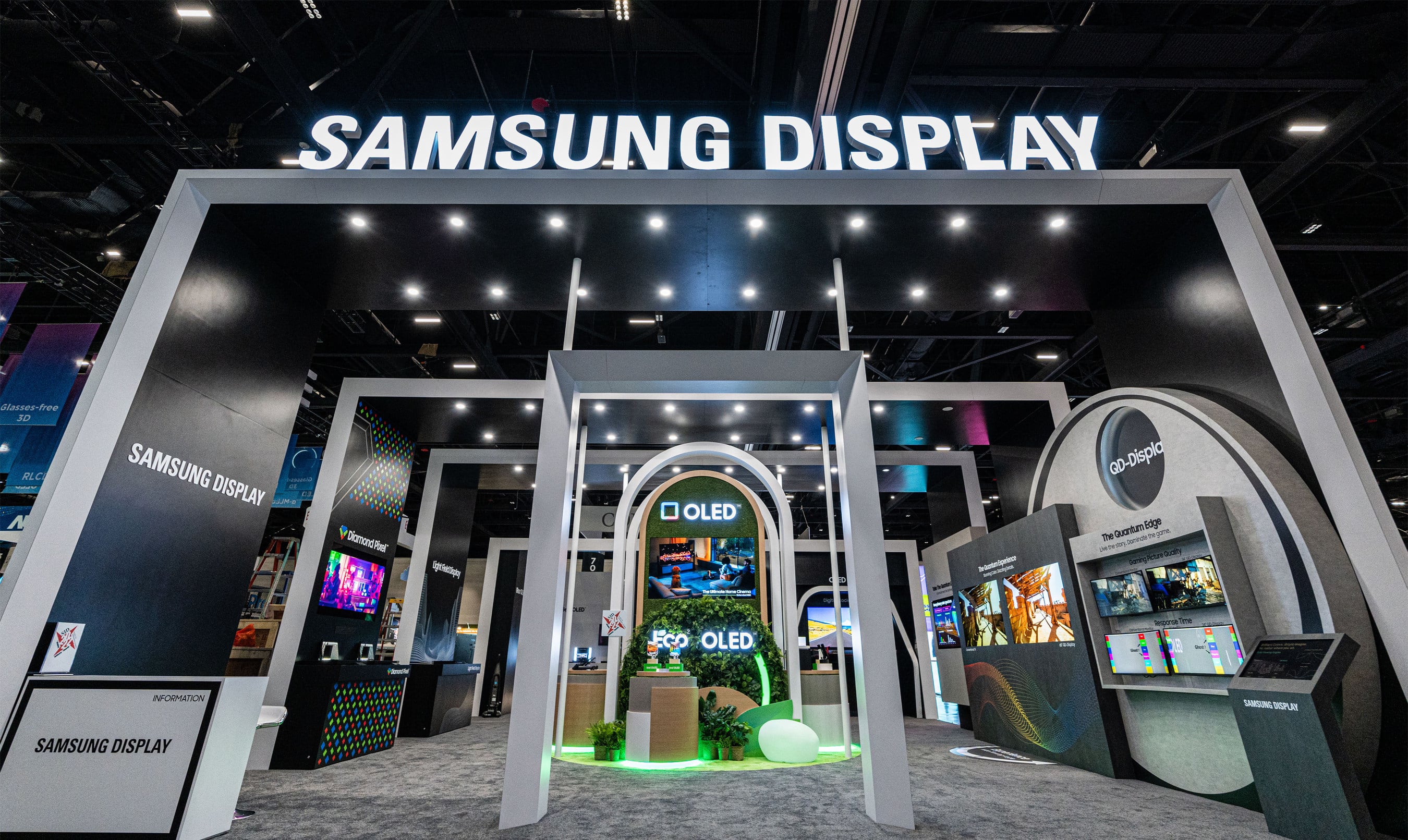
Samsung Display is planning to increase its production capacity of OLED panels for Apple’s upcoming foldable iPhones. This comes after the Cupertino giant is reportedly gearing up to launch its much-awaited foldable iPhone later this year. Meanwhile, Apple is also reviewing materials for the phone’s ultra-thin glass (UTG).
Apple’s foldable iPhone could become a cash cow for Samsung Display
According to ETNews, Samsung Display is planning to invest in its A4 plant in Asan, South Chungcheong Province. As such, the company will be able to boost its production facilities, particularly for thin-film transistor (TFT) processing. The firm is doing this to prepare for the expected increase in Apple foldable volumes next year. Once it finalizes the specific investment scale (through deliberation), investment could begin in Q2 2026.
Samsung’s dedicated production line at its A3 plant for Apple’s foldable devices is capable of making around 15 million 7-inch foldable OLED panels annually. Production of panels for the first iPhone Fold could begin in June 2026. The Korean firm has already completed equipment setup and other preparations to ensure smooth production starts on schedule.
Apple expects to make around 10 million units in the first year. However, Samsung may see an increase in OLED demand if Apple releases another foldable next year. This is likely why the display maker has decided to expand its production capacity. The first foldable iPhone may feature an infolding design with a wider form factor, just like the rumored Galaxy Wide Fold. The main display may measure 7.58 inches with a 4:3 aspect ratio, while the outer screen may measure 5.35 inches.
Meanwhile, Apple is planning to use polyimide (PI) film as a protective layer for the ultra-thin glass (UTG) on its foldable phone. Note that PI films are more expensive and offer higher protection from scratches. This move could allow it to differentiate its foldable phones from Samsung’s latest offering. The Korean firm also used PI as the cover window on its first foldable phone, the Galaxy Fold.

Follow us on Google Discover & set us as a preferred source in Google News
Share this Post
___________________________


New Blog Posts
___________________________
First Set of Pixel 11 Pro XL Renders Are Here
Pixel 11 Pro XL CAD renders show minimal design changes

Is Samsung Preparing One UI 8.5 Beta for Galaxy Z Fold 5 and Flip 5?
Samsung may launch a One UI 8.5 beta program for its 2023 foldables
Galaxy S25 One UI 8.5 Beta May Run Longer Than Expected
Galaxy S25 series’ One UI 8.5 beta may stretch to 10 rounds