Samsung Secures HBM4 Deal to Power Google’s Next-Gen TPUs [U: Statement]
SammyGuru is reader-supported. We have affiliate and sponsored partnerships, so we may earn a commission when you buy through links on our site — at no extra cost to you. Learn more.
UPDATE (December 08, 2025): Shortly after we published the report, a Samsung spokesperson reached out to share the following statement: “The information is based on speculation and rumors and is not factual.” It appears Samsung and Broadcom have yet to finalize the deal. Talks may be underway, though.
The original article, published on December 4, follows:
Samsung’s HBM business is finally gaining strong momentum in the global AI memory market. The company’s HBM4 chip will power Google’s next-generation Tensor Processing Units (TPUs). The Korean firm has secured a supply contract with Broadcom (which serves as the design and production hub for TPUs) for this cutting-edge memory chip.
Samsung’s HBM business gains momentum with Google TPU deal
According to a report from Chosun, Broadcom’s chairman and CEO, Hock Tan, visited South Korea to meet with Samsung executives and finalize the HBM4 supply deal. While Broadcom requested a long-term supply contract until 2028, Samsung has agreed to supply volumes for next year. The two companies will discuss future volumes at a later time.
The deal comes after Samsung successfully passed the final quality verification for HBM4, confirming that the memory meets the standards required for TPU. Samsung may supply more than three times the volume (including HBM3E) compared to this year. Google’s 7th-generation TPU uses HBM3E, while the 8th-generation TPU next year will use HBM4.
The contract with Broadcom represents half of Samsung’s annual HBM production capacity. Even though Broadcom wanted more HBM4 chips, Samsung hesitated due to its commitments to other key clients, including Nvidia. The company appears to maintain good relationships with all customers as it expands its market presence.
In the AI hardware market, Google TPUs are becoming an alternative to Nvidia GPUs. Industry analysts expect that Google TPU volume could increase from 1.5-2 million units this year to 8-9 million units by 2028. This growth will definitely push solid demand for high-performance memory, such as HBM4.
To meet the demand, Samsung is ramping up production of its advanced 1c DRAM process, the core foundation of HBM4. The company aims to reach about 150,000 wafers per month by the end of next year. Meanwhile, the firm plans to showcase an upgraded HBM4 chip at the International Solid-State Circuits Conference (ISSCC) in February 2026.

Written by
Binay KonwarBinay Konwar started his blogging journey in 2014 and has since written plenty of tech articles. At present, he is working as a News Writer at SammyGuru, covering everything about Samsung. He holds a Master's degree in Mathematics, but his real passion lies in tech and writing. In his free time, he enjoys playing chess and watching movies.

Follow us on Google Discover & set us as a preferred source in Google News
Share this Post
___________________________


New Blog Posts
___________________________
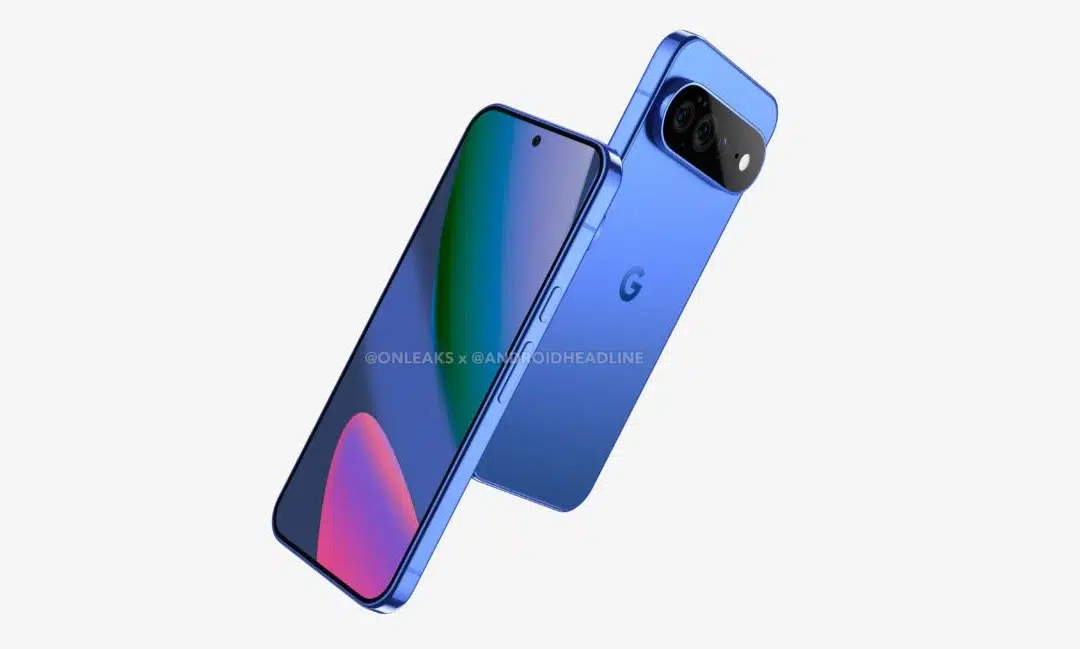
First Set of Pixel 11 Pro XL Renders Are Here
Pixel 11 Pro XL CAD renders show minimal design changes
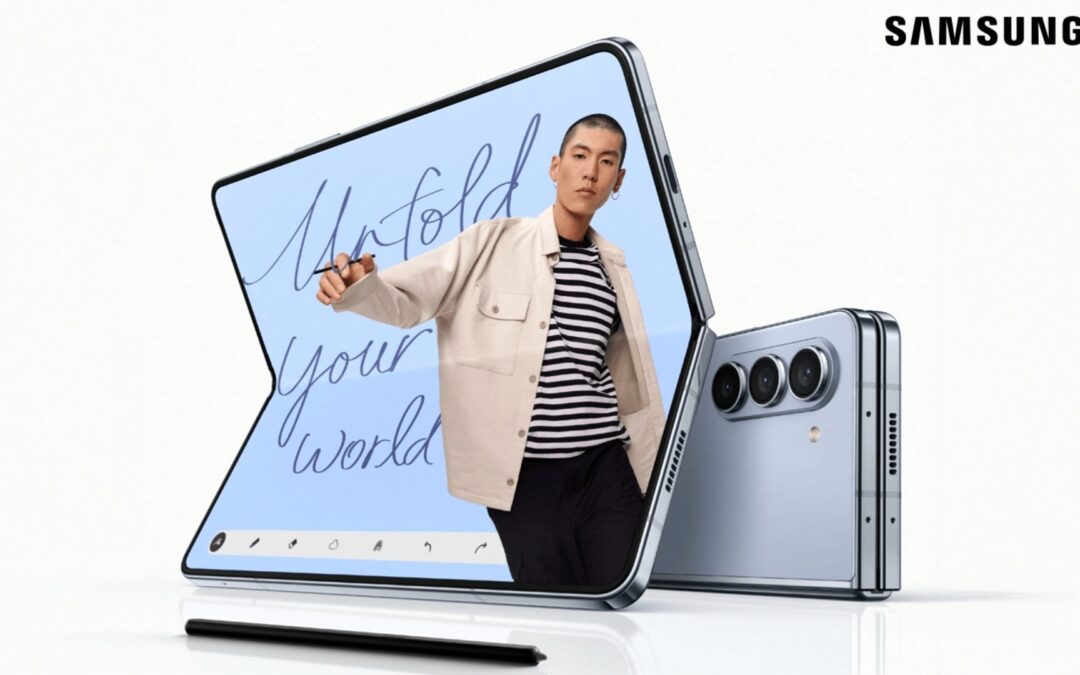
Is Samsung Preparing One UI 8.5 Beta for Galaxy Z Fold 5 and Flip 5?
Samsung may launch a One UI 8.5 beta program for its 2023 foldables
Galaxy S25 One UI 8.5 Beta May Run Longer Than Expected
Galaxy S25 series’ One UI 8.5 beta may stretch to 10 rounds