Samsung-owned Harman Sues US Government Over Reciprocal Tariffs
A key Samsung subsidiary has joined a growing legal pushback against the Trump administration’s new trade policies. Harman International, Samsung’s US-based automotive and audio electronics arm, has filed a lawsuit in a US federal court seeking refunds of reciprocal tariffs imposed by the government. The company is also asking the court to block the imposition of any additional reciprocal tariffs going forward.
Samsung subsidiary Harman challenges Trump-era tariffs
US President Donald Trump introduced the reciprocal tariffs via executive order in April last year, without congressional approval. Some countries saw reciprocal tariffs of over 40%, causing serious trade concerns worldwide. Samsung’s home country, South Korea, was initially hit with a 25% tariff, later reduced to 15% after Korean firms committed to investing $350 billion in the United States.
In its filing, Harman argues that the reciprocal tariffs imposed by the Trump administration are procedurally flawed and therefore invalid. The tariffs were enacted under the International Emergency Economic Powers Act (IEEPA), a law typically used to address national security emergencies rather than to impose broad trade measures.
Harman’s legal position aligns with a growing consensus among importers that the executive branch overstepped its authority. More importantly, the Samsung subsidiary is not alone in this fight. Globally, nearly 1,000 companies have now filed suits seeking refunds of reciprocal tariffs already paid. Legal experts say the surge in filings reflects strategic timing rather than coincidence.
According to US legal professionals, the Supreme Court may rule soon on whether the reciprocal tariffs were unlawful. Ahead of that decision, companies that have already paid the tariffs are racing to file claims with the Court of International Trade to preserve their right to refunds if the policy is struck down. A favorable ruling could open the door to billions of dollars in refunds. More importantly, it could set clear limits on the executive branch’s authority over trade policy going forward.

Follow us on Google Discover & set us as a preferred source in Google News
Share this Post
___________________________


New Blog Posts
___________________________
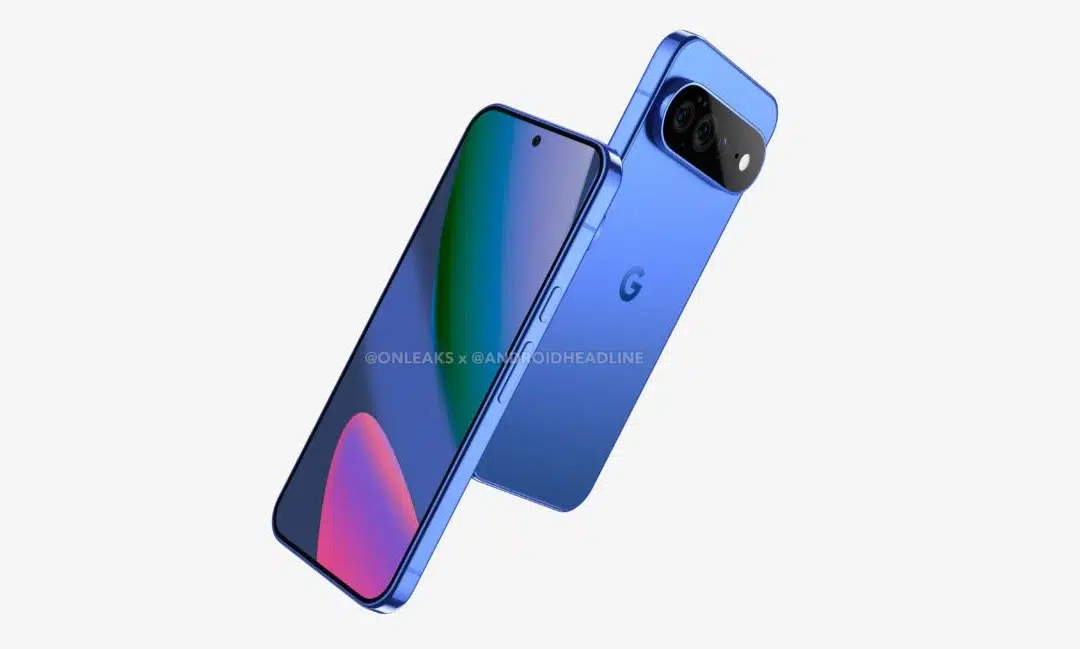
First Set of Pixel 11 Pro XL Renders Are Here
Pixel 11 Pro XL CAD renders show minimal design changes
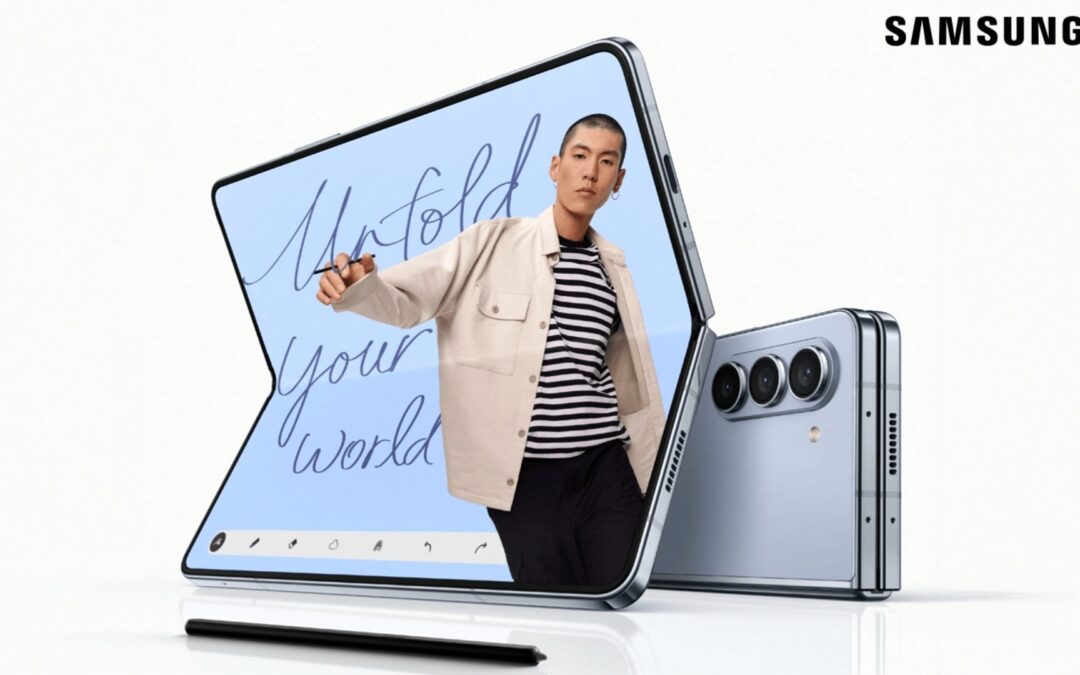
Is Samsung Preparing One UI 8.5 Beta for Galaxy Z Fold 5 and Flip 5?
Samsung may launch a One UI 8.5 beta program for its 2023 foldables
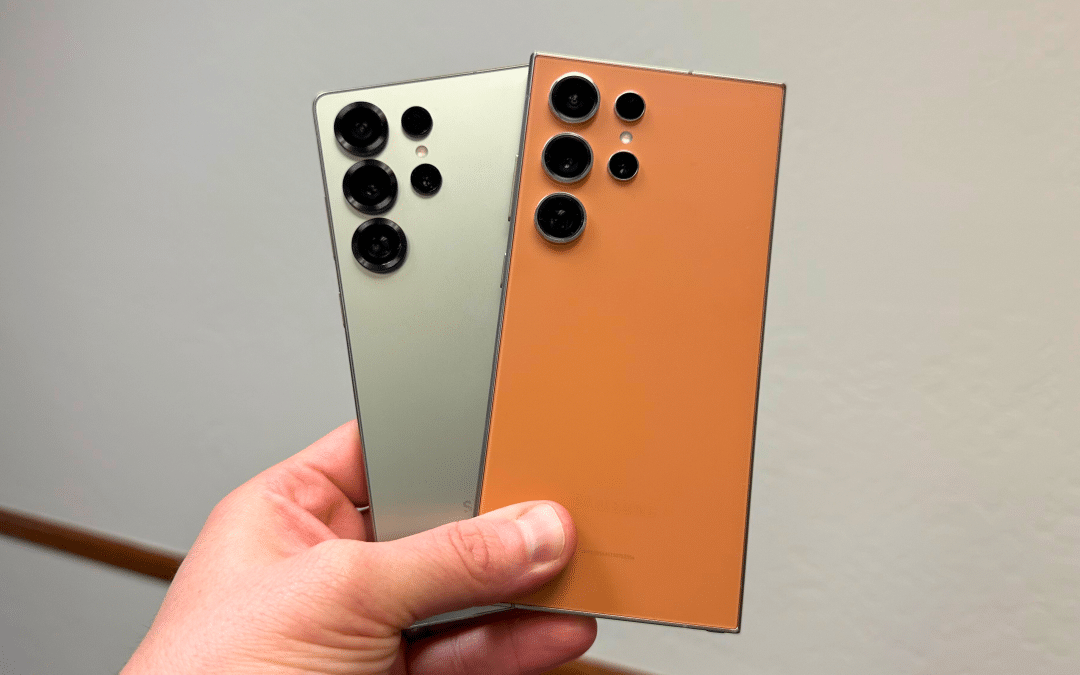
Galaxy S25 One UI 8.5 Beta May Run Longer Than Expected
Galaxy S25 series’ One UI 8.5 beta may stretch to 10 rounds