Samsung May Be Wise to Avoid Silicon-Carbon Batteries — Here’s Why
SammyGuru is reader-supported. We have affiliate and sponsored partnerships, so we may earn a commission when you buy through links on our site — at no extra cost to you. Learn more.
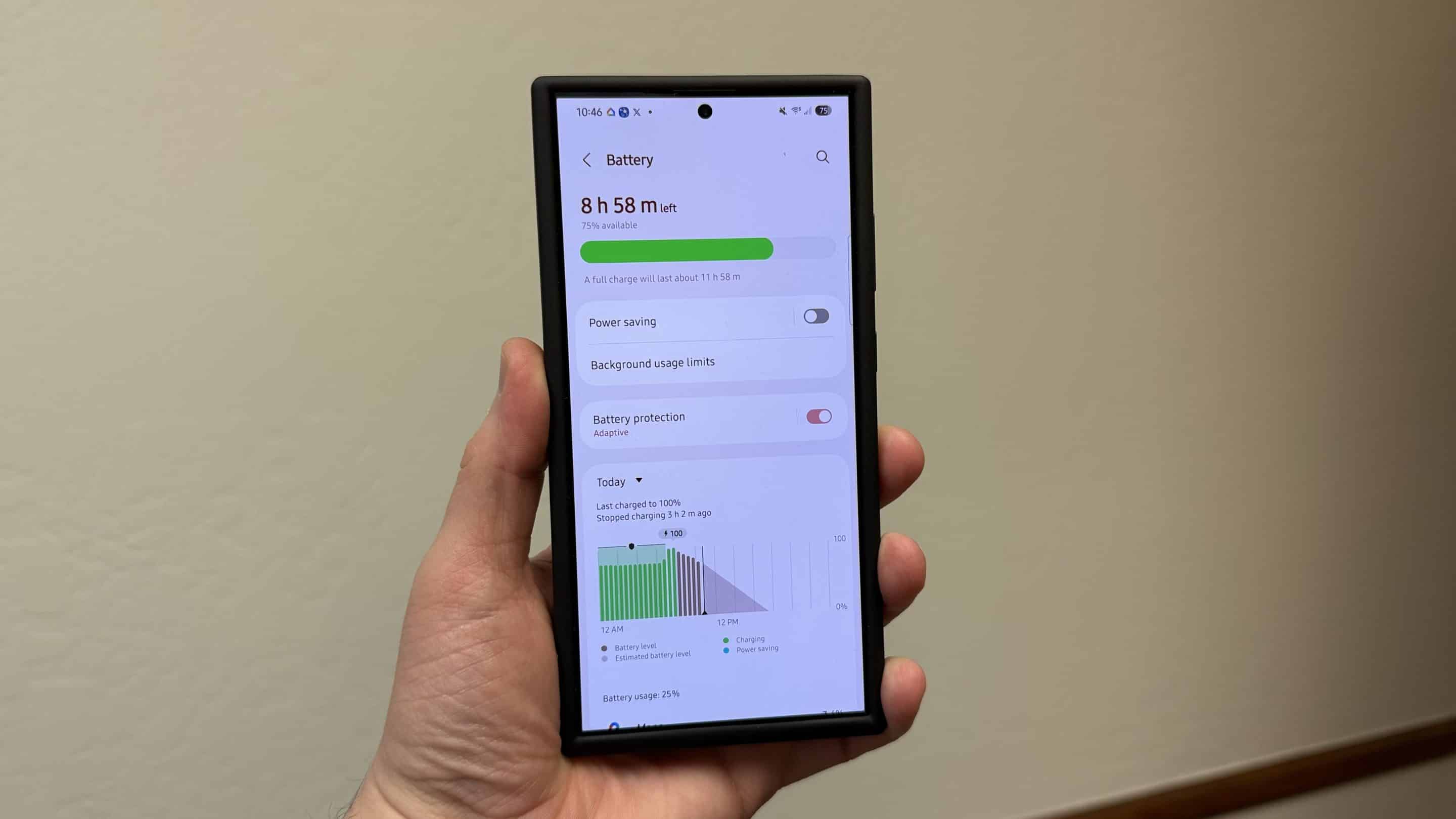
As battery innovation accelerates, many companies are exploring silicon-carbon anodes to replace traditional graphite in lithium-ion batteries. The appeal is obvious — higher energy density, faster charging, and more power. However, there’s a hidden cost that might explain why Samsung is sticking with the tried and tested lithium-ion cells, especially in flagship smartphones with long-term software commitments.
Samsung has been reluctant to switch to silicon-carbon batteries
According to industry experts, silicon-carbon batteries have a key drawback: these batteries degrade much faster, often losing a significant portion of their capacity in just 2–3 years. That’s a major red flag, especially when Samsung promises seven years of updates for devices like the Galaxy S25 and Fold 7 (eight years for enterprise models). Battery longevity needs to match the lifespan of the software.
While silicon anodes can theoretically hold ten times more lithium than graphite, they swell dramatically. Research shows they swell up to three times their original size during charge cycles. This swelling leads to mechanical stress, cracking, and eventual degradation of the anode. Companies are working on ways to stabilize this, using engineered materials and new battery structures. However, most of these solutions are still in the lab or early production stages. They haven’t proven their reliability at scale in real-world consumer electronics.
And there are safety concerns too. Because silicon-based batteries store more energy, thermal runaway events — the kind that cause overheating or even fires — could be more severe if things go wrong. Testing shows that as energy density increases, the consequences of failure become harder to contain. More so in tightly packed smartphones or tablets.
Samsung, having already dealt with a high-profile battery recall in the past (nobody has forgotten the Galaxy Note 7 disaster), is likely playing it safe. The company seems to be waiting for proven solutions that can match or exceed the long-term reliability and safety of today’s lithium-ion tech.
That’s not to say Samsung is ignoring silicon-carbon batteries entirely. The company is likely monitoring progress and may even be testing these batteries internally. But until the swelling issue is solved and real-world endurance data matches the lab hype, Samsung is wise to prioritize reliability over raw specs. Could we see something change with the Galaxy S26 series next year? Only time will tell.

Written by
Sumit AdhikariSumit, a life-long Samsung user, is passionate about technology and has been professionally writing on tech since 2017. He’s a mathematics graduate by education and enjoys teaching basic mathematics tricks to school kids in his spare time. Sumit believes in artificial intelligence and dreams of a fully open, intelligent and connected world.

Follow us on Google Discover & set us as a preferred source in Google News
Share this Post
___________________________


New Blog Posts
___________________________
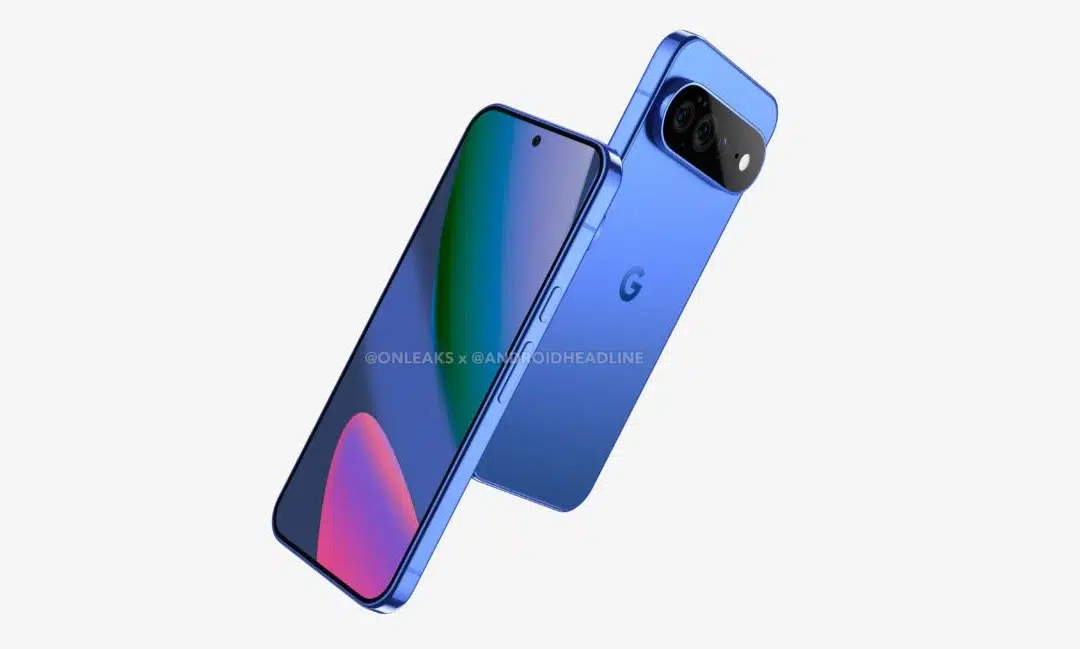
First Set of Pixel 11 Pro XL Renders Are Here
Pixel 11 Pro XL CAD renders show minimal design changes

Is Samsung Preparing One UI 8.5 Beta for Galaxy Z Fold 5 and Flip 5?
Samsung may launch a One UI 8.5 beta program for its 2023 foldables
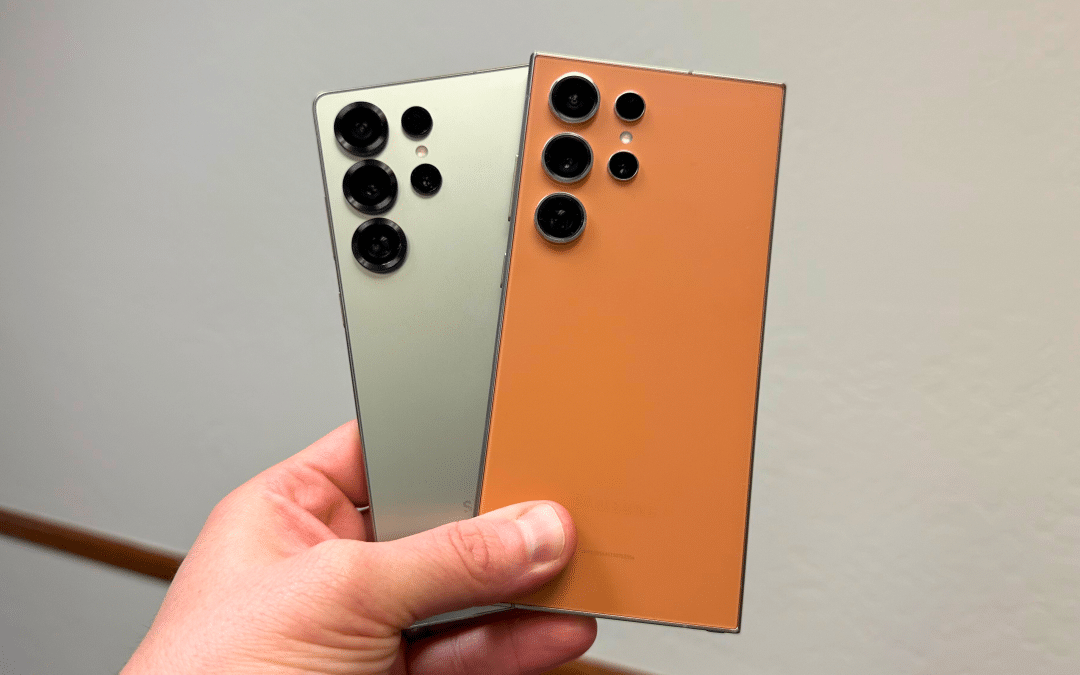
Galaxy S25 One UI 8.5 Beta May Run Longer Than Expected
Galaxy S25 series’ One UI 8.5 beta may stretch to 10 rounds