Samsung Looking to Hire New Talent for AI Chip Development
SammyGuru is reader-supported. We have affiliate and sponsored partnerships, so we may earn a commission when you buy through links on our site — at no extra cost to you. Learn more.
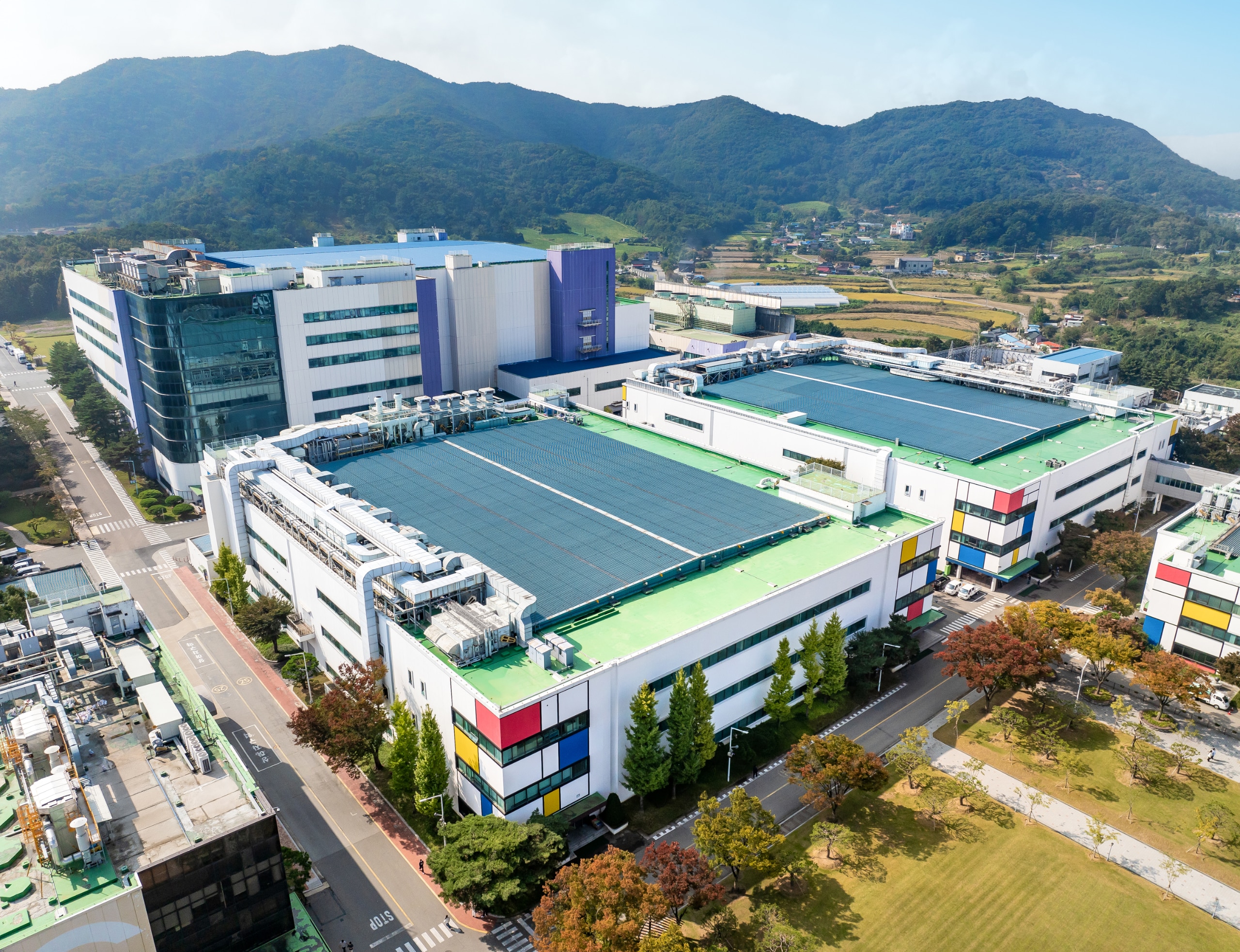
Samsung aims to make its Samsung Semiconductor India Research (SSIR) a key hub for chip design and innovation. The company is now putting a lot of effort into securing talent in India for SSIR. The goal is to strengthen its leadership in the era of artificial intelligence (AI) and high-performance computing (HPC).
Samsung plans to expand its Semiconductor India Research hub
According to a report from Pulse, SSIR has recently opened 16 positions, including system-on-chip (SoC) design engineers, memory design engineers, SSD firmware engineers, and graphics driver developers. This will help Samsung expand its research and development (R&D) activities across its main semiconductor divisions — System LSI, memory, and foundry.
The new team will improve next-generation technologies such as AI computation optimization, system semiconductor integration, and advanced memory design. Industry sources say Samsung aims to make SSIR one of its global design centers for AI semiconductors, rather than a simple support center. The Bengaluru-based research and development arm already plays a big role in the company’s semiconductor innovation.
Recently, Samsung appointed Rajesh Krishnan, a local veteran in the memory sector, as the new head of SSIR. His appointment shows that the company plans to build a locally driven R&D model. “Samsung’s latest actions appear to be a strategic move to position India as one of its core global semiconductor design hubs in the AI era,” said an industry official.
Meanwhile, the Indian government’s Semicon India initiative aims to ramp up the semiconductor and display ecosystem. Experts estimated the semiconductor market in India could grow to $100 billion by 2030. Global companies like Micron have also invested heavily in the country. Now, Samsung’s latest move will further strengthen India’s presence in the semiconductor space.
In related news, Samsung is planning to invest around $770 million over the next few months for High-NA EUV lithography equipment. This shows the company’s confidence after setbacks in its semiconductor business over the past several months. Hopefully, the Korean firm will recover its lost market share in this space in the coming months.

Written by
Binay KonwarBinay Konwar started his blogging journey in 2014 and has since written plenty of tech articles. At present, he is working as a News Writer at SammyGuru, covering everything about Samsung. He holds a Master's degree in Mathematics, but his real passion lies in tech and writing. In his free time, he enjoys playing chess and watching movies.

Follow us on Google Discover & set us as a preferred source in Google News
Share this Post
___________________________


New Blog Posts
___________________________
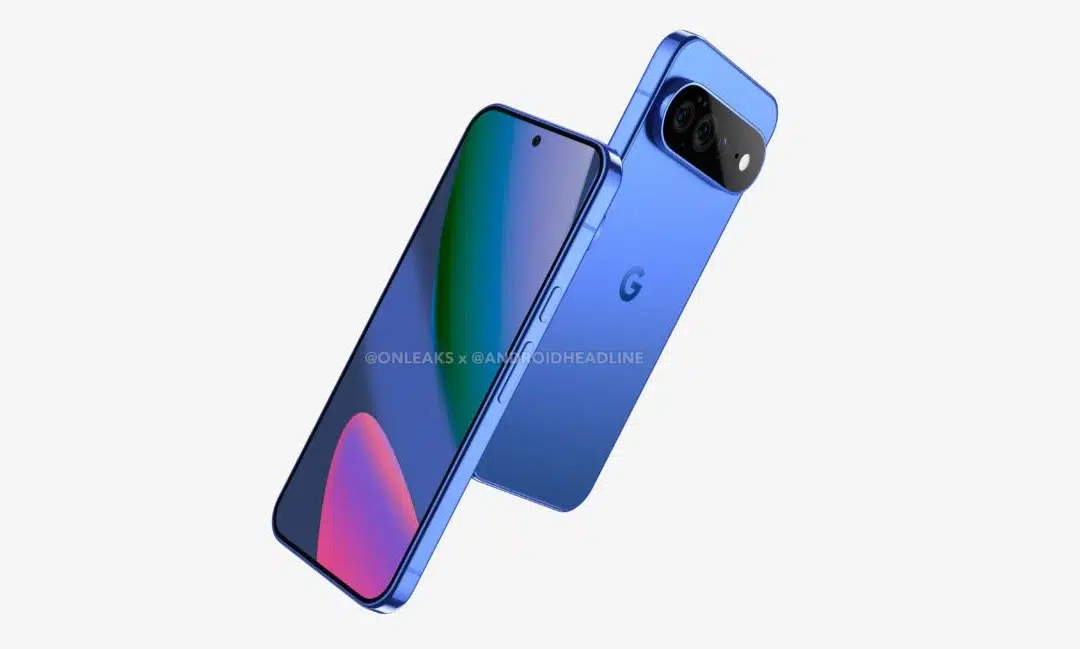
First Set of Pixel 11 Pro XL Renders Are Here
Pixel 11 Pro XL CAD renders show minimal design changes

Is Samsung Preparing One UI 8.5 Beta for Galaxy Z Fold 5 and Flip 5?
Samsung may launch a One UI 8.5 beta program for its 2023 foldables
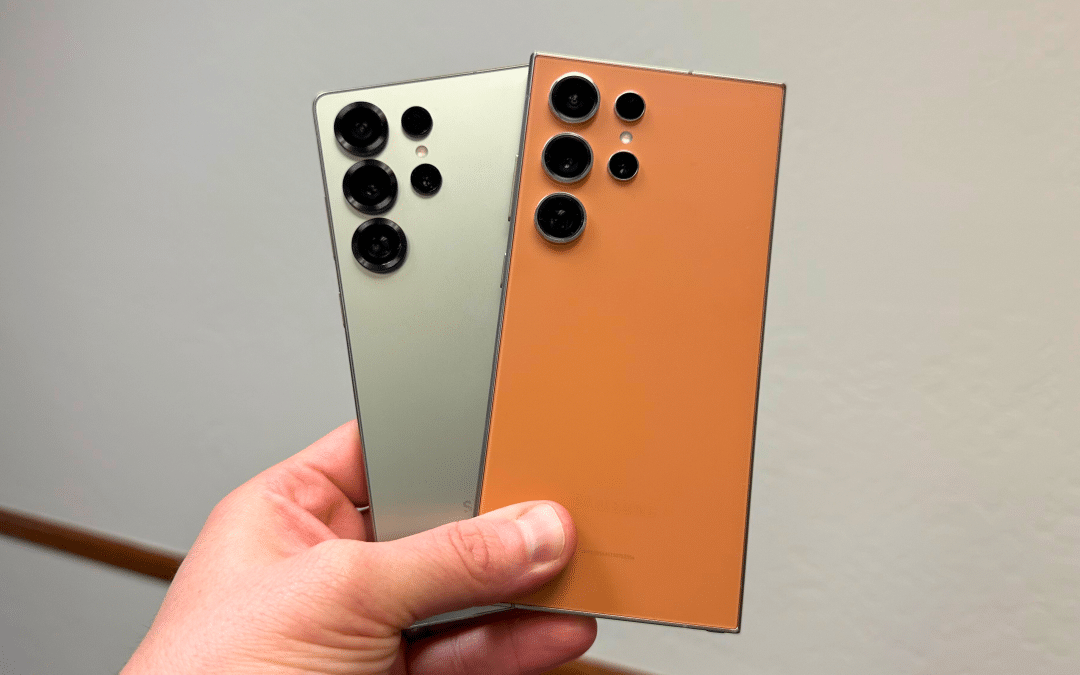
Galaxy S25 One UI 8.5 Beta May Run Longer Than Expected
Galaxy S25 series’ One UI 8.5 beta may stretch to 10 rounds