Samsung’s Galaxy XR Is a Hit with Young Consumers
SammyGuru is reader-supported. We have affiliate and sponsored partnerships, so we may earn a commission when you buy through links on our site — at no extra cost to you. Learn more.
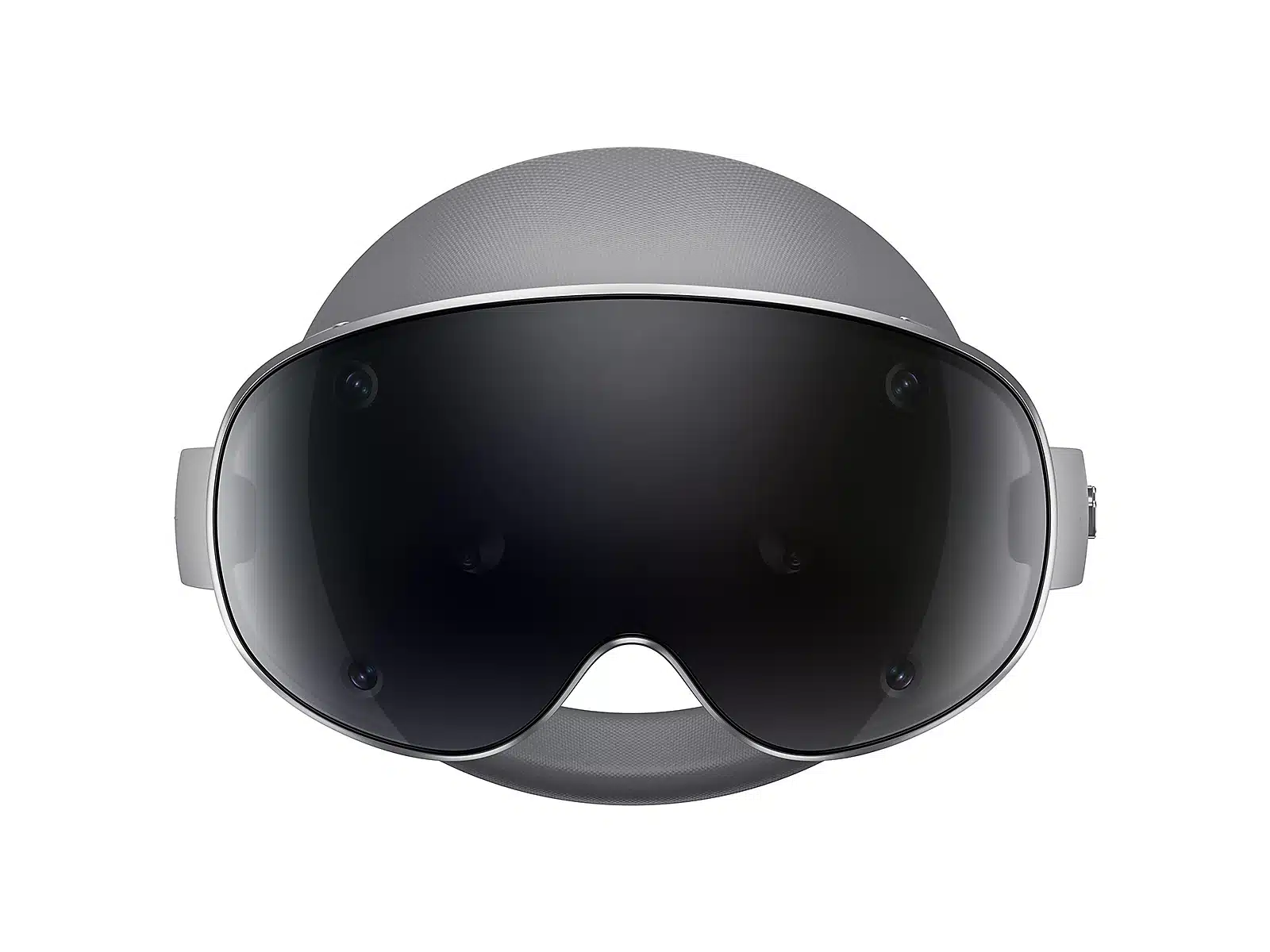
Last week, Samsung officially launched the Galaxy XR, opening sales in the US and South Korea. While it’s unclear if the company plans a global release, it may have found the target audience for its first extended reality headset. The device is striking a chord with younger consumers in Samsung’s home market.
Galaxy XR experience zones are fully booked for weeks
Following the Galaxy XR’s official launch, Samsung set up several experience zones across South Korea. Visitors get a chance to try the headset firsthand before making a purchase. Unsurprisingly, the response has been impressive, with some locations already fully booked for weeks.
According to the Korean media, Samsung Gangnam and The Hyundai Seoul stores are reserved until November 8, reflecting strong early interest in the company’s first extended reality device. Interestingly, around 70% of those who reserved demo slots belong to the “younger” generation, meaning people in their teens, twenties, and thirties.
This strong participation highlights the Galaxy XR’s appeal among young tech-savvy consumers. Samsung attributes this response partly to the headset’s broad app compatibility. In addition to YouTube, the Galaxy XR supports popular streaming platforms like Netflix, TVING, and Coupang Play. This allows users to comfortably enjoy their favorite content in an immersive environment.
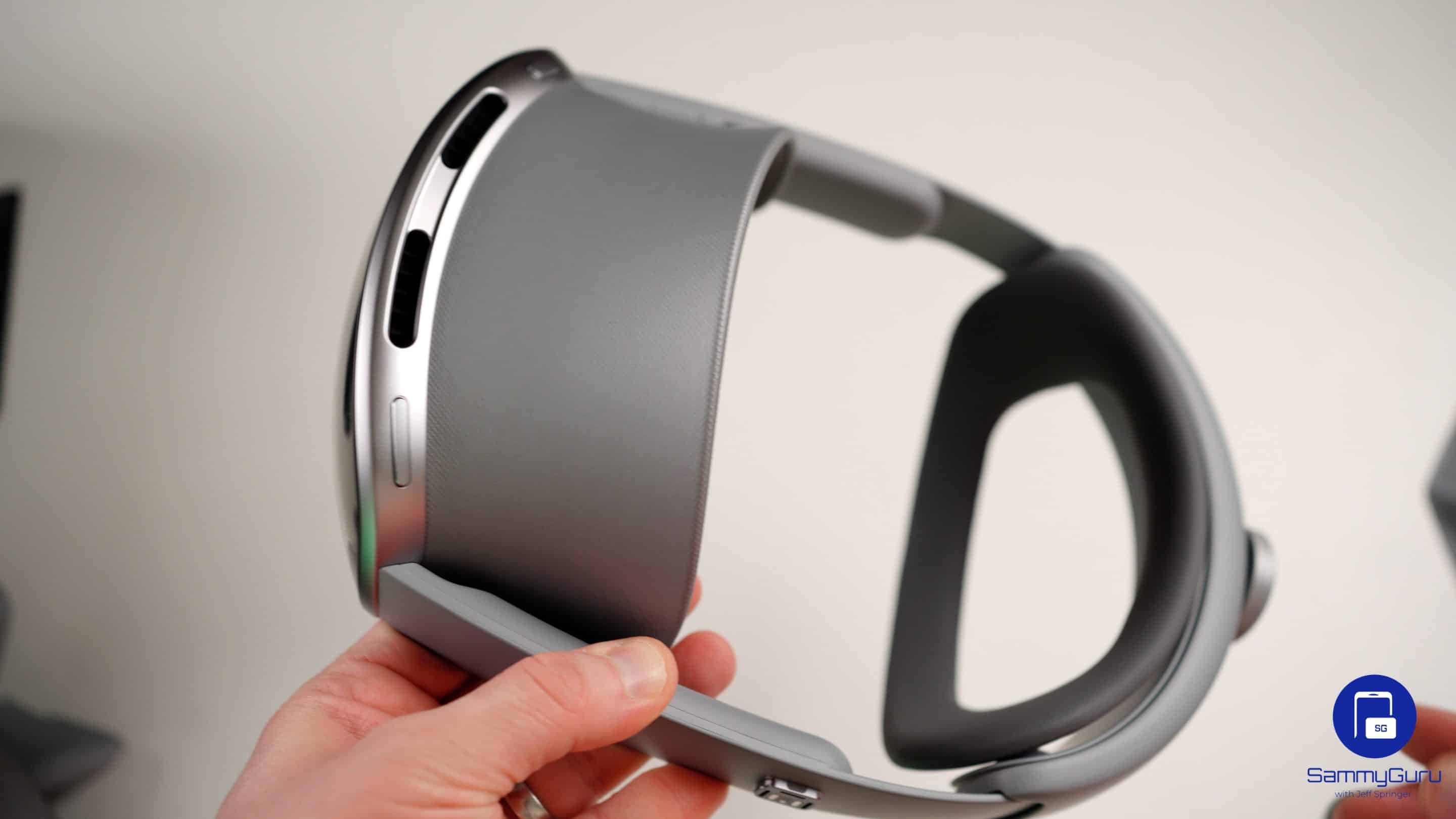
Powered by multimodal AI, the headset can recognize voice, gaze, and gestures for intuitive interaction. This makes it feel more natural and less reliant on traditional controls, though handheld controllers are available too. Samsung engineered the device with a balanced ergonomic design that feels lightweight and stable during extended use.
Priced at $1,799, the Galaxy XR also undercuts Apple’s Vision Pro ($3,499) by a significant margin, while remaining a premium device. With strong early interest, especially from younger consumers, and growing industrial potential, Samsung appears well on its way to shaping the future of spatial computing.

Written by
Sumit AdhikariSumit, a life-long Samsung user, is passionate about technology and has been professionally writing on tech since 2017. He’s a mathematics graduate by education and enjoys teaching basic mathematics tricks to school kids in his spare time. Sumit believes in artificial intelligence and dreams of a fully open, intelligent and connected world.

Follow us on Google Discover & set us as a preferred source in Google News
Share this Post
___________________________


New Blog Posts
___________________________
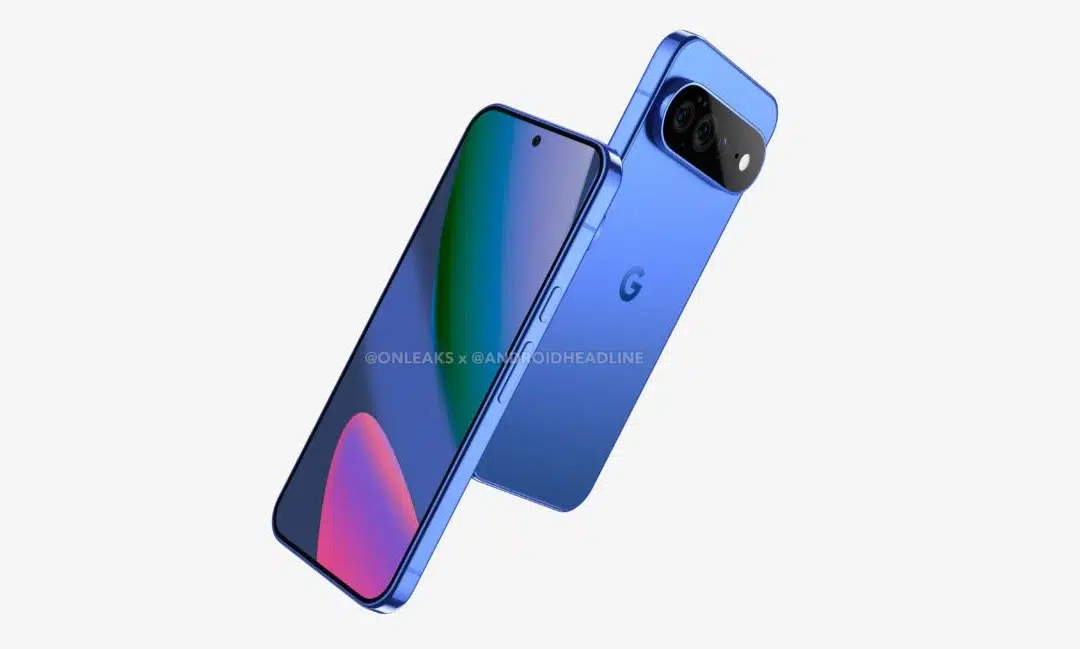
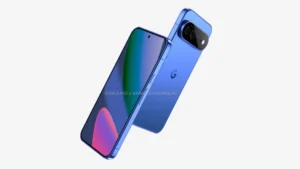
First Set of Pixel 11 Pro XL Renders Are Here
Pixel 11 Pro XL CAD renders show minimal design changes
Is Samsung Preparing One UI 8.5 Beta for Galaxy Z Fold 5 and Flip 5?
Samsung may launch a One UI 8.5 beta program for its 2023 foldables
Galaxy S25 One UI 8.5 Beta May Run Longer Than Expected
Galaxy S25 series’ One UI 8.5 beta may stretch to 10 rounds