Samsung Explains How Galaxy S25 Ultra Camera Brings DSLR Power to Your Pocket
SammyGuru is reader-supported. We have affiliate and sponsored partnerships, so we may earn a commission when you buy through links on our site — at no extra cost to you. Learn more.
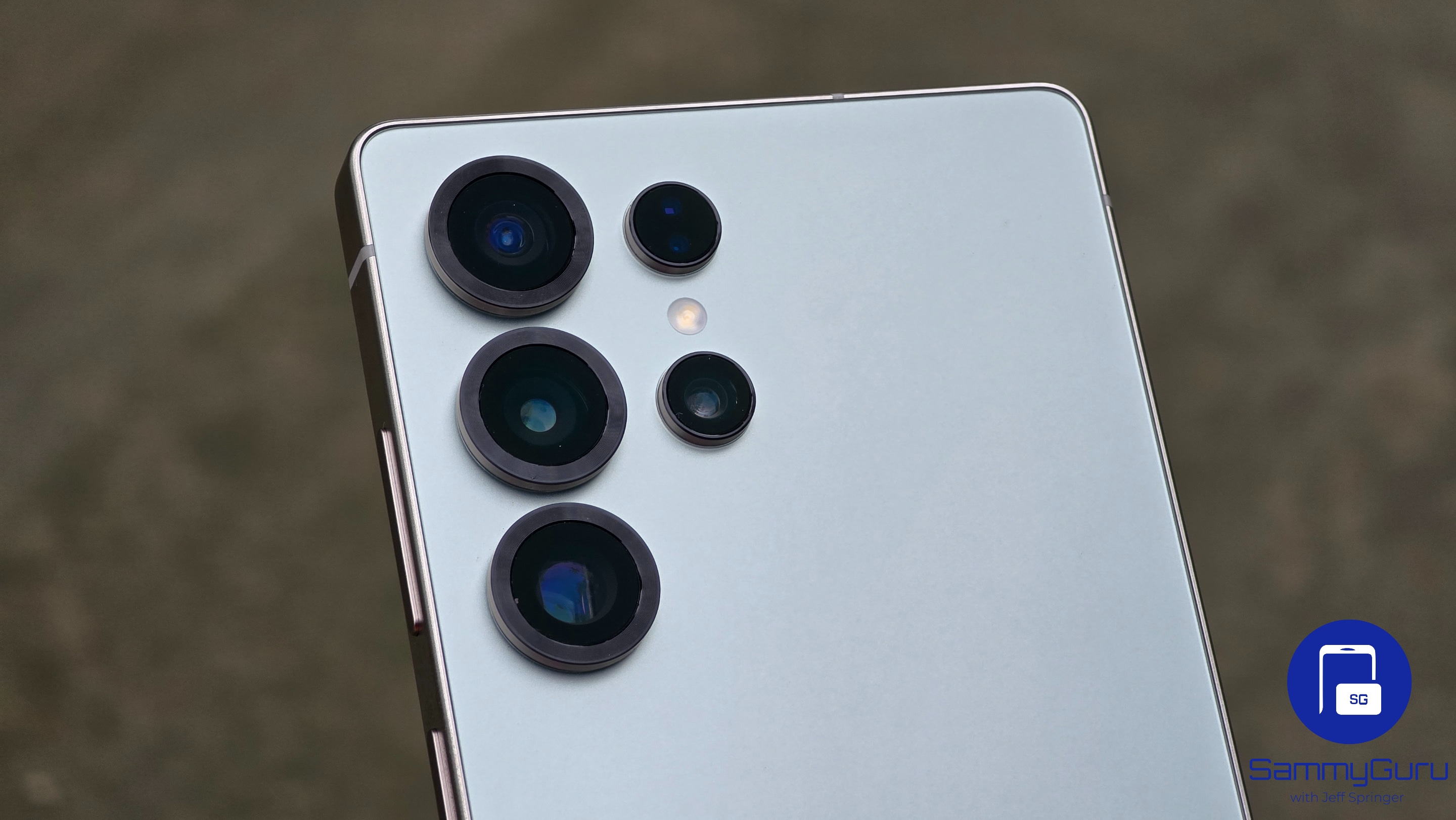
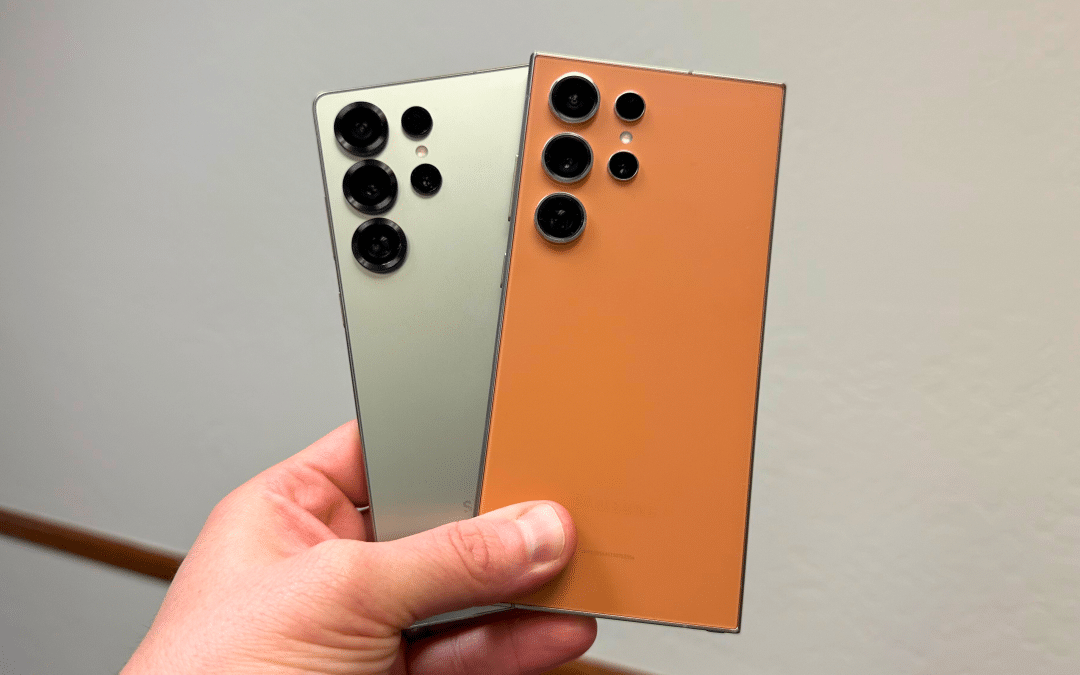
Smartphone cameras have come a long way, and the Galaxy S25 Ultra is a prime example of how far they’ve evolved. Samsung’s latest flagship lineup brings a premium camera experience designed to be enjoyed by anyone, anywhere, anytime. Backed by cutting-edge AI, refined hardware, and intuitive tools, it transforms everyday photography into something extraordinary. Samsung recently shared the thought process behind the Galaxy S25 Ultra’s camera setup.
Samsung wanted to deliver a premium camera experience that anyone can enjoy
According to Samsung, its Galaxy camera developments are guided by three core principles:
- Deliver the best-in-class image quality for anyone
- Satisfy the needs of professional users
- Offer easy, intuitive editing for creative content
The Galaxy S25 Ultra embodies these goals with features like high-resolution sensors, powerful AI models, and software designed to make advanced photography accessible to all. It features a 50MP ultrawide lens, a first for the Galaxy lineup. This sensor captures expansive landscapes with greater clarity and detail, but also delivers depth and drama in close-up shots.
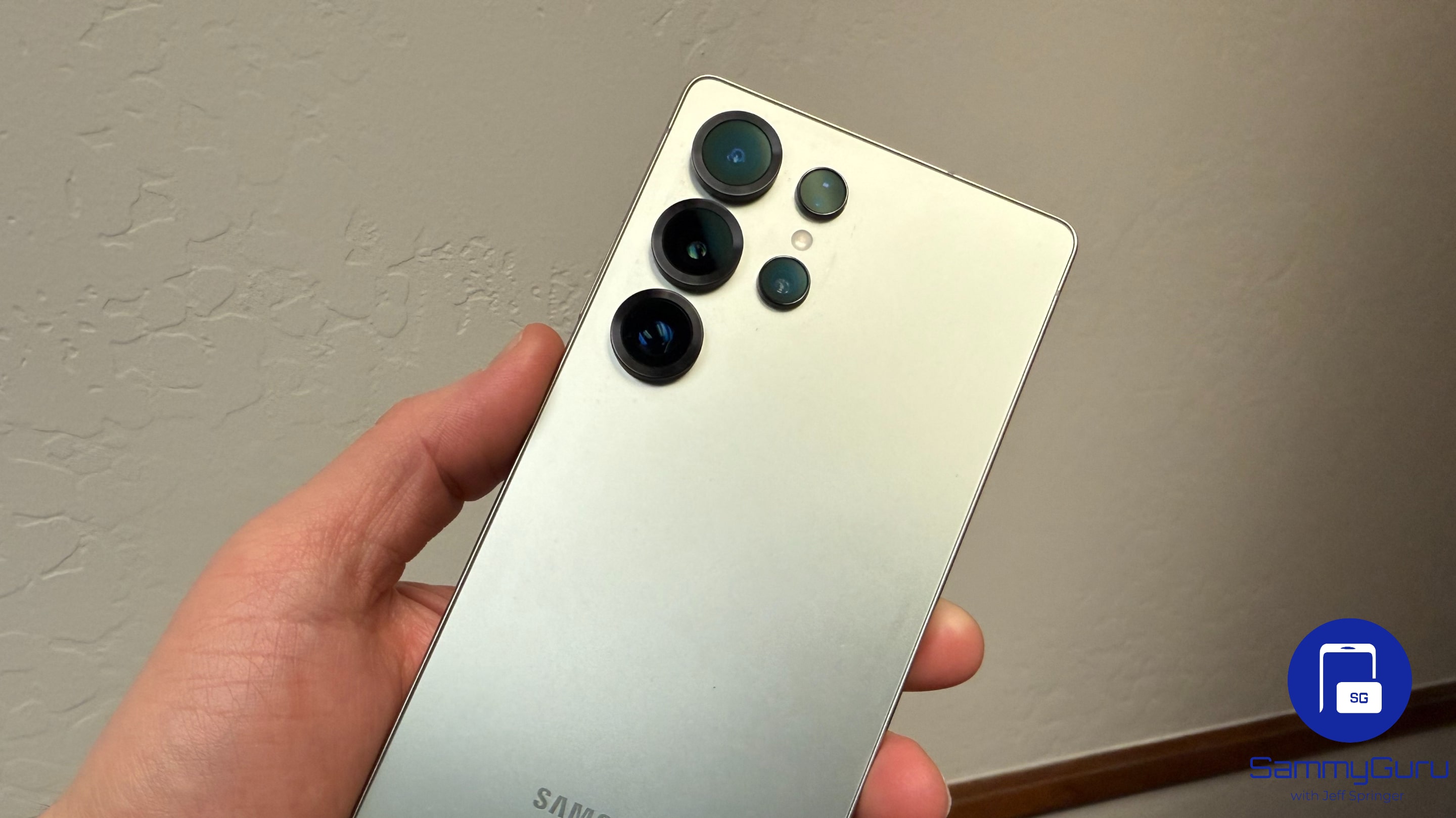
“We optimized not only hardware upgrades such as high-pixel sensors and lenses, but also software technology by building a system that enables AI models to operate organically,” said Wonchul Choi, who led the development of camera quality.
Under the hood, the new ProVisual Engine elevates image processing using AI. It recognizes subjects, clothing, backgrounds, and even fine details like hair and pupils to deliver polished, natural-looking portraits. To ensure broad appeal, Samsung’s engineers tested the system across diverse age groups and environments. Nightography also gets a serious upgrade, especially for video. With 10-bit HDR now standard, users can shoot richer, more realistic low-light videos, aided by intelligent noise reduction that separates and enhances subjects.
Samsung’s Galaxy S25 Ultra simplifies pro-level camera tools
Thanks to the new Virtual Aperture feature in the Expert RAW app, the Galaxy S25 Ultra lets users replicate depth-of-field effects once limited to professional lenses. To develop this feature, Samsung collected over 200,000 training photos taken with both Galaxy and DSLR cameras. The resulting interface allows flexible aperture control to create shallow or deep focus shots, all while leveraging AI to compensate for physical limitations.
“We had to manually control both the focus and exposure of the DSLR camera, and there were some nerve-wracking moments of having to dispose of our hard work because the photos were out of focus or taken with the wrong exposure,” said Pyojae Kim, who led the development of the Virtual Aperture feature. “We learned how difficult of a task it is to obtain data.”
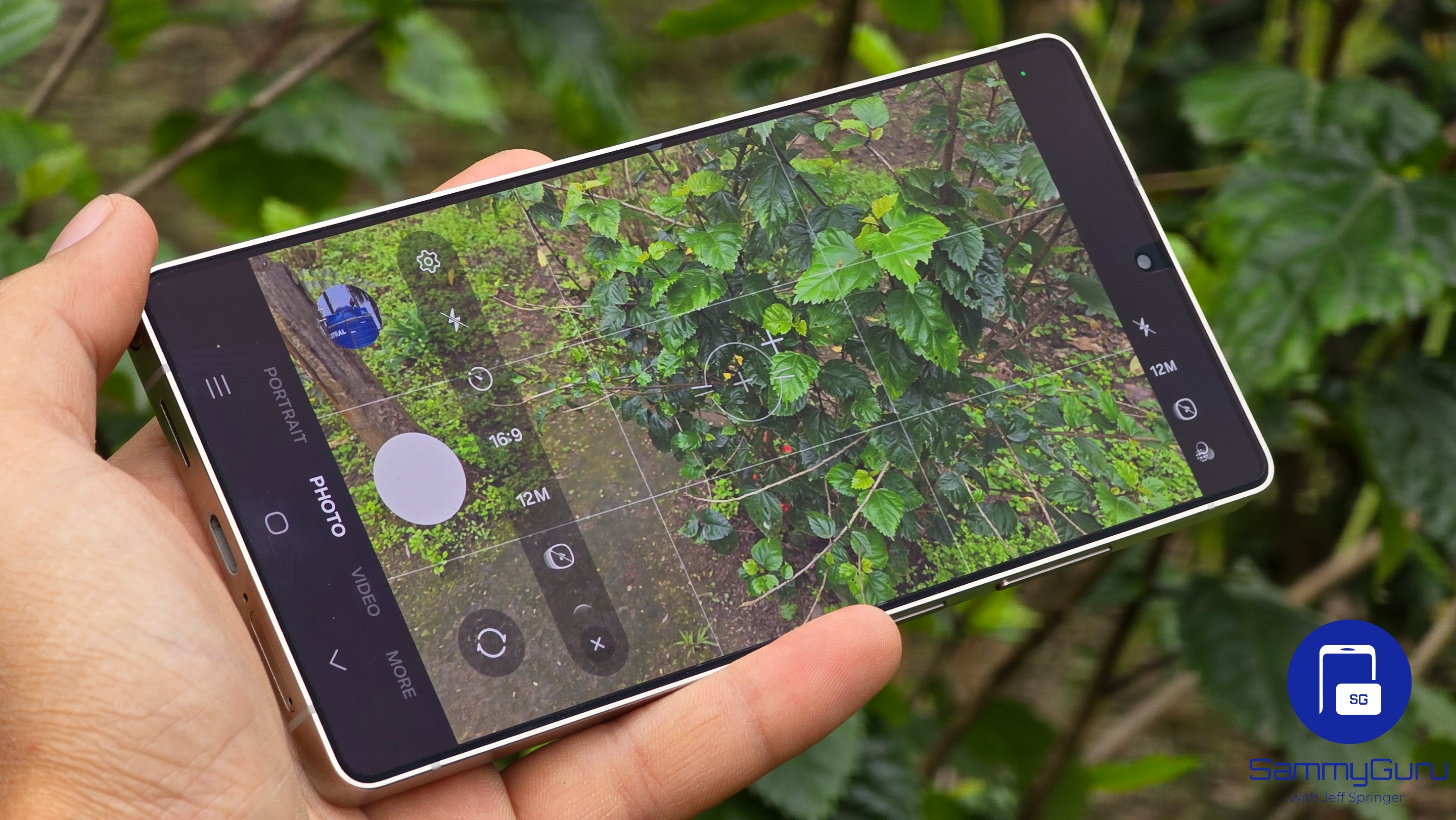
On the video side, Log Video mode brings pro-level post-processing potential. Users can easily apply color corrections within the Gallery app, streamlining what was once a complex task. Samsung is preparing to expand this feature to the selfie camera soon — the Galaxy S25 Edge already supports Log Video on the front camera.
Smarter, simpler AI editing
Generative Edit, first seen on the Galaxy S24, has evolved further on the S25 lineup. It now uses refined AI models to accurately identify and modify parts of an image with a tap, whether removing unwanted elements or enhancing the scene.
Collaboration with Google helped fine-tune these models, and Samsung worked hard to anticipate edge cases and ensure consistent, appropriate results. The addition of the new “Best Face” feature is a highlight: it uses motion photos to composite the best expressions from multiple people into one flawless group shot.
“We focused on enhancing the fun and useful features that only generative AI can deliver,” said Samsung engineer Jihye Kim. “We’ve improved the AI models so that they can now accurately recognize areas of the photo with only a simple touch and seamlessly erase those areas or add onto them. We also made improvements to each of the component technologies involved in generative editing.”
Filters with artistic flair
Samsung’s upgraded Filters feature uses AI to analyze user-selected images and generate personalized filters that match their aesthetic. From bold tones to vintage film looks, these filters balance art and technology, making creative styling effortless. Extensive experimentation and collaboration with Samsung Research allowed developers to simulate the look of analog film and translate it into a digital format that retains warmth, texture, and emotional resonance.

“We have enhanced the AI-powered feature to make it easier for anyone to capture the color or mood of their favorite photos while also improving the overall user experience to make it more user-friendly,” said Yunju Bae, who led the development of Filters. “We went through detailed tuning and repeated evaluations to balance technology and aesthetics to perfect filter quality.”
The Galaxy S25 Ultra lays the foundation for Samsung’s smartphone camera evolution
According to Samsung’s Visual Solution Team, the innovations seen in the Galaxy S25 Ultra are just the beginning. The team plans to expand features like Virtual Aperture to Portrait Mode and further refine generative AI tools for ease and accessibility.
“Our goal is to further strengthen the camera’s picture quality fundamentals, all while maximizing convenience and accessibility so that it can perform at its best no matter where or when it’s used,” said Wonchul Choi. The ultimate goal is to make Galaxy smartphones capable of replacing different types of camera hardware. Samsung aims to “expand the shooting experience to the point where artistic sensibilities and technology naturally blend together through AI.”

Written by
Sumit AdhikariSumit, a life-long Samsung user, is passionate about technology and has been professionally writing on tech since 2017. He’s a mathematics graduate by education and enjoys teaching basic mathematics tricks to school kids in his spare time. Sumit believes in artificial intelligence and dreams of a fully open, intelligent and connected world.

Follow us on Google Discover & set us as a preferred source in Google News
Share this Post
___________________________


New Blog Posts
___________________________
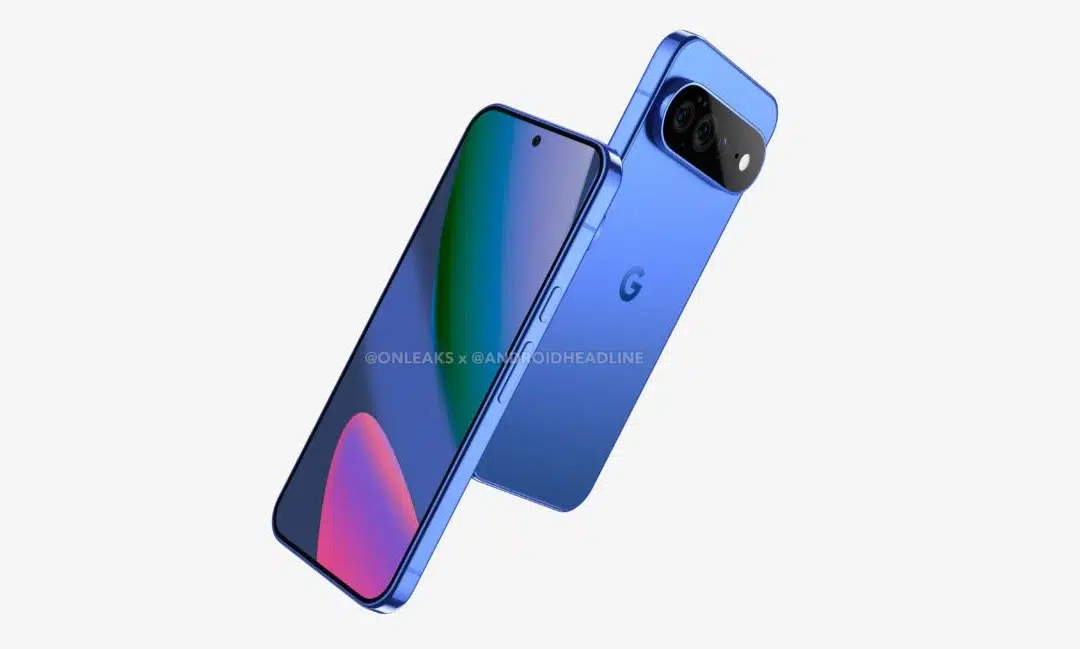
First Set of Pixel 11 Pro XL Renders Are Here
Pixel 11 Pro XL CAD renders show minimal design changes
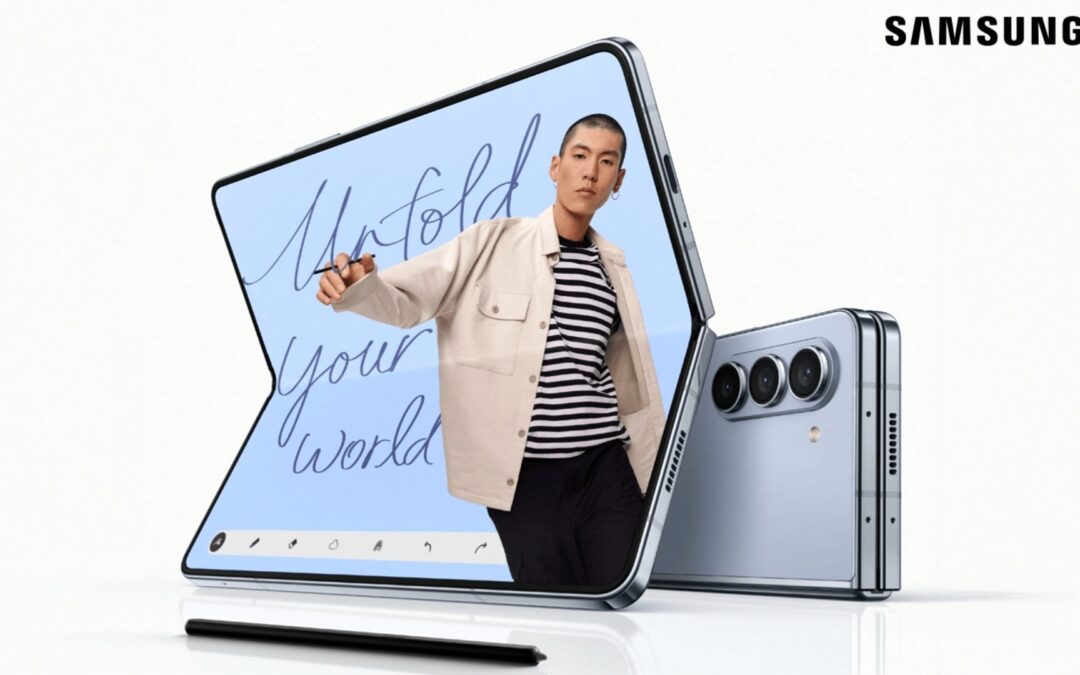
Is Samsung Preparing One UI 8.5 Beta for Galaxy Z Fold 5 and Flip 5?
Samsung may launch a One UI 8.5 beta program for its 2023 foldables
Galaxy S25 One UI 8.5 Beta May Run Longer Than Expected
Galaxy S25 series’ One UI 8.5 beta may stretch to 10 rounds