
Samsung Could Begin Mass Production of HBM4 in February 2026
Samsung is taking a major step in advanced memory technology. The company will reportedly begin mass production of HBM4 chips in February 2026. This could allow the firm to boost its position in the HBM market for next-generation AI systems and data centers.
Samsung’s HBM4 achieved industry-leading performance ahead of mass production
Samsung went through a lot of hurdles with its 5th-generation HBM3E product. Performance and yield issues caused the company to miss early supply opportunities with major clients such as Nvidia. As a result, its arch-rival SK Hynix dominated the early HBM boom. Now, it is moving more carefully and strategically with its next-generation HBM4 memory.
Samsung originally planned to begin mass production of HBM4 chips in the second half of 2025. However, the company later adjusted the timeline to sometime in 2026 to allow additional testing and optimization. It looks like the firm has now finalized the schedule. According to a report from Sedaily, Samsung aims to kick off mass production of HBM4 in February 2026.
Samsung has adopted a turnkey approach for HBM4, bearing everything from chip design and manufacturing to advanced microfabrication technology. During Nvidia’s system-in-package (SiP) testing, the company achieved top scores in both speed and power efficiency. Moreover, the chip reportedly secured an industry-leading performance of 11.7Gbps in internal evaluations.
These results have given Samsung confidence that its HBM4 is ready for large-scale production. The company will begin mass production of the chip at its Pyeongtaek campus. The firm’s current monthly DRAM (foundation for HBM products) output is around 650,000 units, more than SK Hynix’s 550,000 units. So, it remains well-positioned to meet customer needs in the HBM4 market.
Meanwhile, SK Hynix is also aiming to start mass production of its HBM4 chips around the same time. As of now, Samsung is planning to showcase an improved version of the chip at the ISSCC in February 2026.

Follow us on Google Discover & set us as a preferred source in Google News
Share this Post
___________________________


New Blog Posts
___________________________
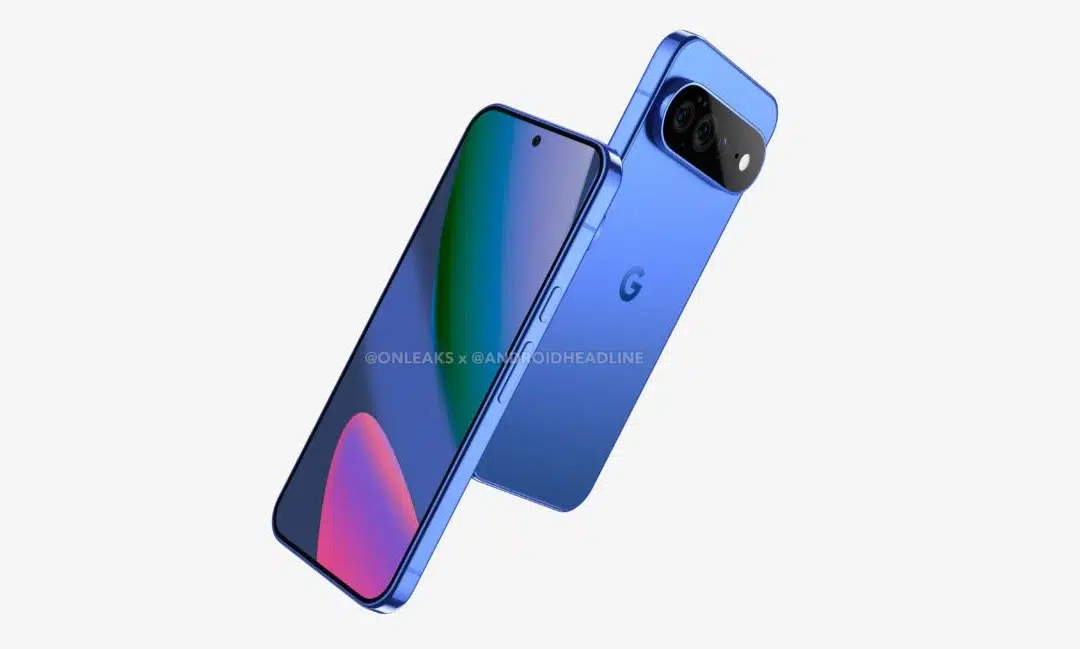
First Set of Pixel 11 Pro XL Renders Are Here
Pixel 11 Pro XL CAD renders show minimal design changes

Is Samsung Preparing One UI 8.5 Beta for Galaxy Z Fold 5 and Flip 5?
Samsung may launch a One UI 8.5 beta program for its 2023 foldables
Galaxy S25 One UI 8.5 Beta May Run Longer Than Expected
Galaxy S25 series’ One UI 8.5 beta may stretch to 10 rounds