Galaxy Z Trifold Review: A Tablet You Can Fit Into Your Pocket
SammyGuru is reader-supported. We have affiliate and sponsored partnerships, so we may earn a commission when you buy through links on our site — at no extra cost to you. Learn more.
In this article
- Table of contents
- Design and build
- The Galaxy Z TriFold experience
- Display
- Galaxy Z Trifold Performance
- Software and multitasking
- App Optimization
- Battery and charging
- Cameras
- For camera snobs, there are better options
- Galaxy Z Trifold Pros and cons
- Verdict
- Galaxy Z Trifold FAQ
- When was the Galaxy Z Trifold Released?
- Does the Galaxy Z TriFold support Samsung DeX?
- How much does the Galaxy Z Trifold cost?
The Galaxy Z Trifold is one of the most anticipated launches in years. Samsung has been making foldables for seven generations now, and as Apple works to catch up, the company has launched the Galaxy Z TriFold, which is now available to buy in the US. And admittedly, it’s the most expensive phone Samsung has ever launched here.
Samsung announced the Galaxy Z TriFold in early December in Korea, and rather than wait for the US rollout or fly to South Korea only to miss out, we imported one, and that turned out to be a tariff-ic decision. I’ve been using the Galaxy Z TriFold daily, and this review breaks down what it’s like to live with, along with where it falls short.
Galaxy Z Trifold Review: Specs, Price, and Real-World Performance
Table of contents
- Design and build
- The TriFold experience
- Display
- Performance
- Software and multitasking
- App Optimization
- Battery and charging
- Cameras
- Pros and cons
- Verdict
Disclaimer: Samsung had no role in creation of this Galaxy Z TriFold review, nor has anyone other than our editorial team seen it before publication.
Editor’s Note (02/19/26): Galaxy Z TriFold restock is coming back this Friday in the US, and for now enjoy this review.
Design and build
How many of you remember the original Galaxy Z Fold? Even at first eye, it didn’t look as appealing, and there were issues. But it did one thing brilliantly: piquing our interest in a foldable future. Years of R&D and the Galaxy Z TriFold feels surprisingly sold even for a first-gen form factor. It has that familiar feeling that it costs a lot for a reason, and after a few days, I stopped babying it altogether.
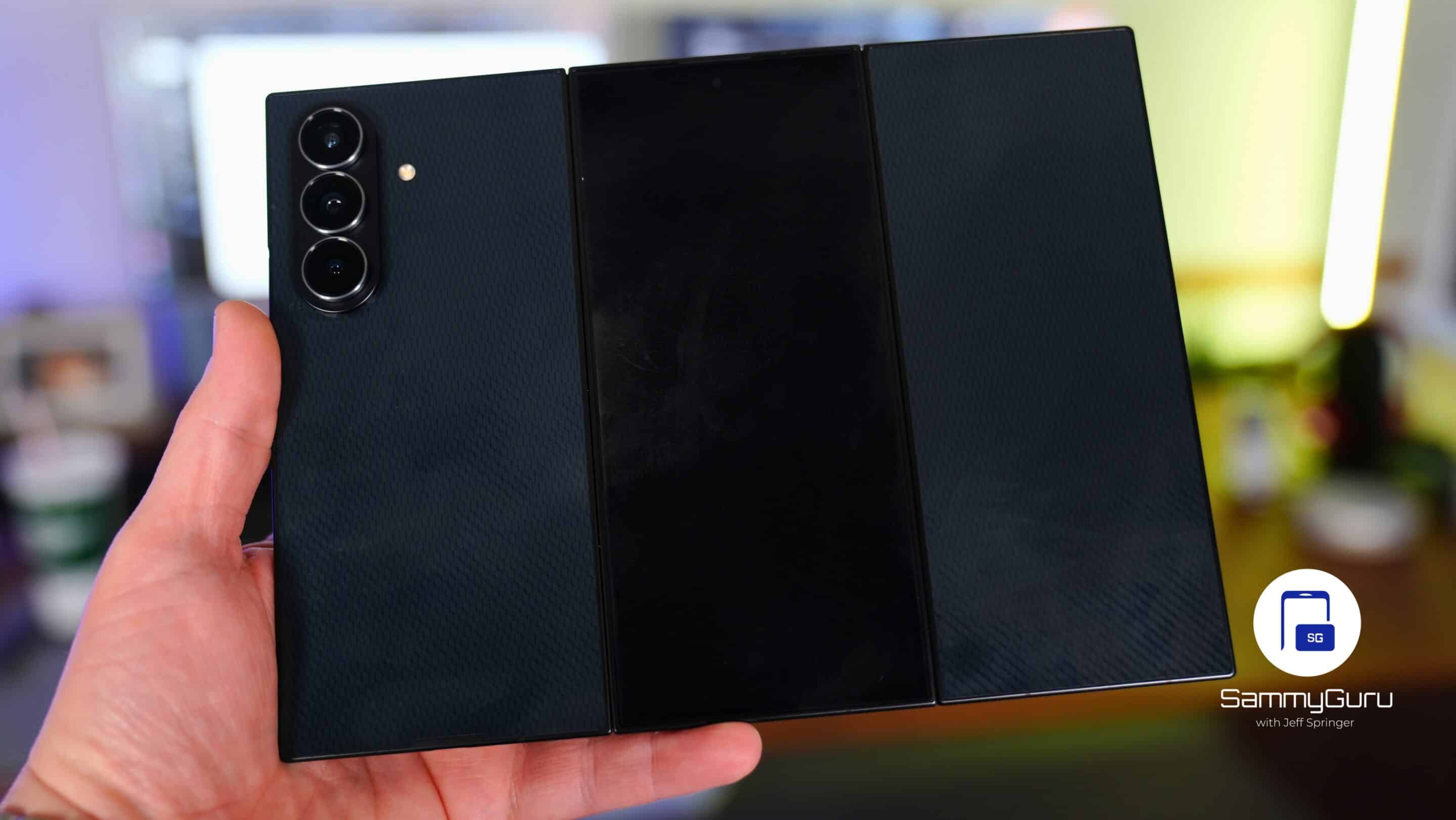
Hinges feel reassuring, tolerances are tight, and nothing creaks or flexes when it shouldn’t. Confidence levels are much higher than expected for something this ambitious. That said, physics still applies. Fully unfolded, you’re dealing with a massive slab of glass that’s absurdly thin, which naturally carries more risk. I never felt like it would snap in half, but long-term durability is a big unknown. But not all glitters is gold, and the sad part is: Samsung isn’t offering Care+, so any catastrophic failure is entirely on you. That’s the real stress point here.
The Galaxy Z TriFold experience
Is it three times the fun? Well, technically, you’re looking at three screens once unfolded. But how much of that are you probably going to use? My usage split was pretty predictable. Roughly 30% of the day, the Galaxy Z TriFold stayed fully unfolded, mostly when I actually had the time and space to enjoy it. At home in the evening, though, it basically unfolded all the time, and that’s where the form factor really clicked.
That fully open screen feels transformative for media, multitasking, and gaming, but it’s less convincing on the move. Unfolding it takes longer than a regular Fold, and it’s awkward in crowds. Compared to the Z Fold 7, this feels like a sit-down device, not a quick, one-handed phone. You can also blame the thickness for that, which, if compared to the Galaxy Z Fold 7 (review) is almost half as thick when folded.
Display
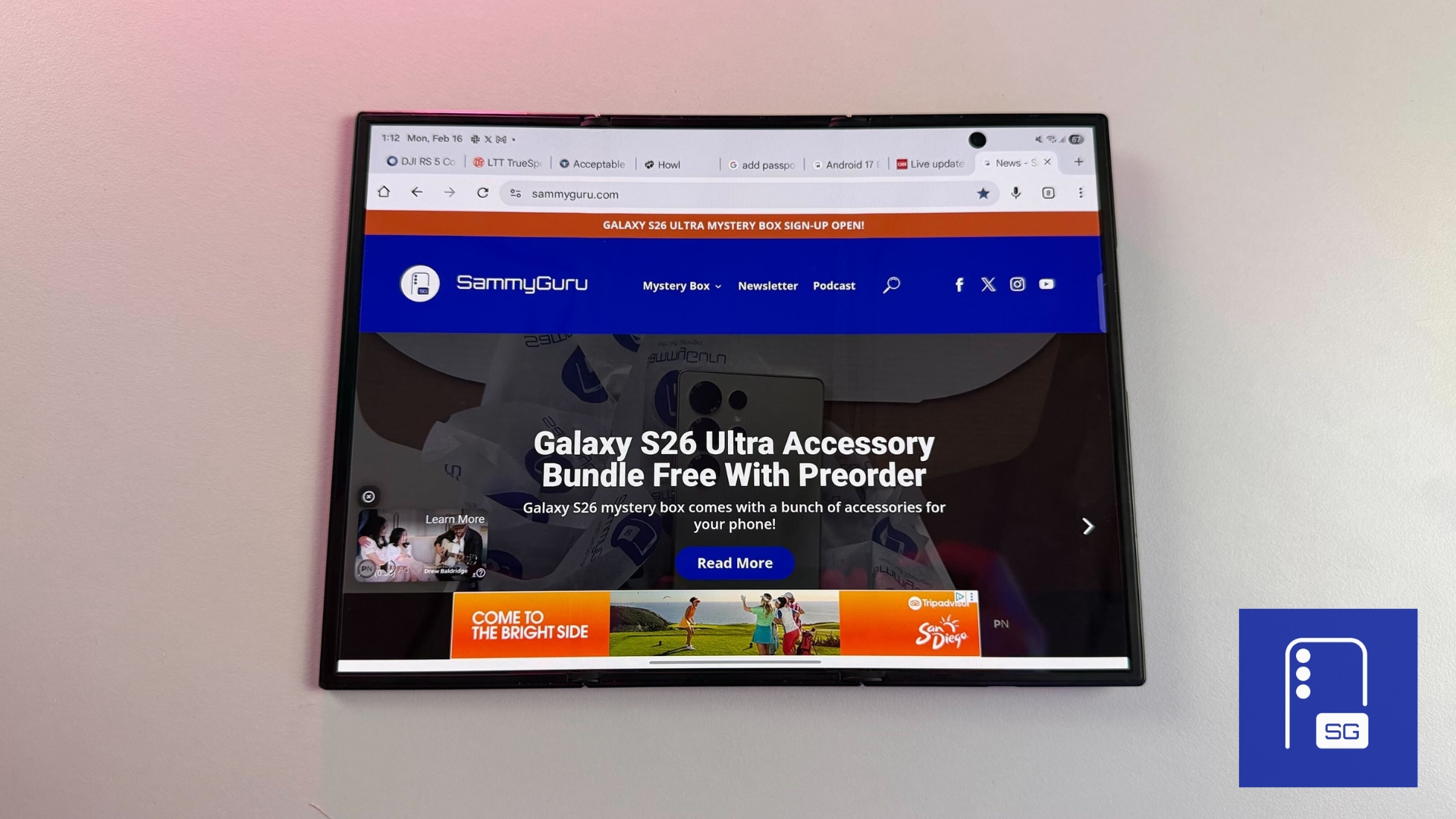
The second most important aspect for any phone, or foldable for that matter, is the display quality. And as it stands, the display quality of the Galaxy Z TriFold is excellent, full stop. Brightness is outstanding whether the phone is folded or fully opened, and it had no trouble staying readable under harsh Phoenix sunlight. Despite the inner screen having a technically lower PPI, it never shows in real use. Text looks sharp, images look crisp, and individual pixels just aren’t something you notice day to day.
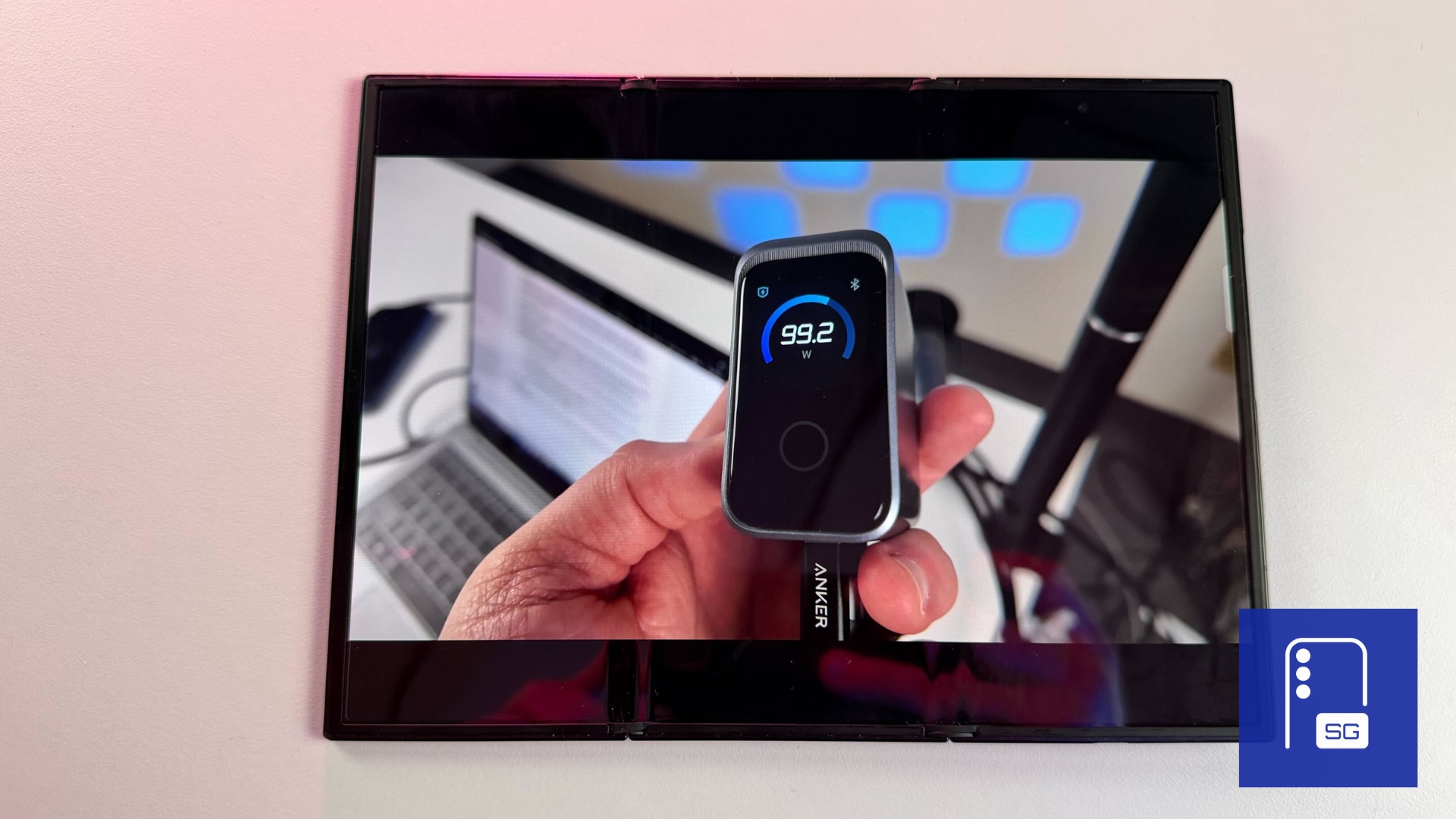
Colors are mostly great, though the inner display does look a bit more washed out than the Z Fold 7 when you put them side by side. That’s likely down to the new protective film Samsung is using here. Crease visibility is similar too, except now you get two of them. Straight on, they fade away, but picky users might notice them at certain angles.
Galaxy Z Trifold Performance
The TriFold is broadly on par with the Galaxy Z Fold 7, which is what you’d expect from a device sitting at the very top of Samsung’s lineup. This is flagship-tier silicon (Snapdragon 8 Elite) and it behaves like it. There’s no sign that the wild trifold design is holding back raw power in any meaningful way.
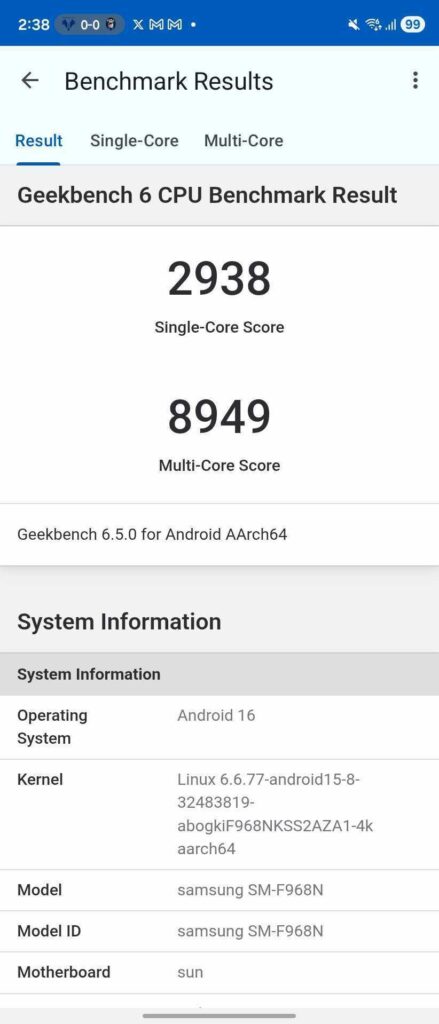
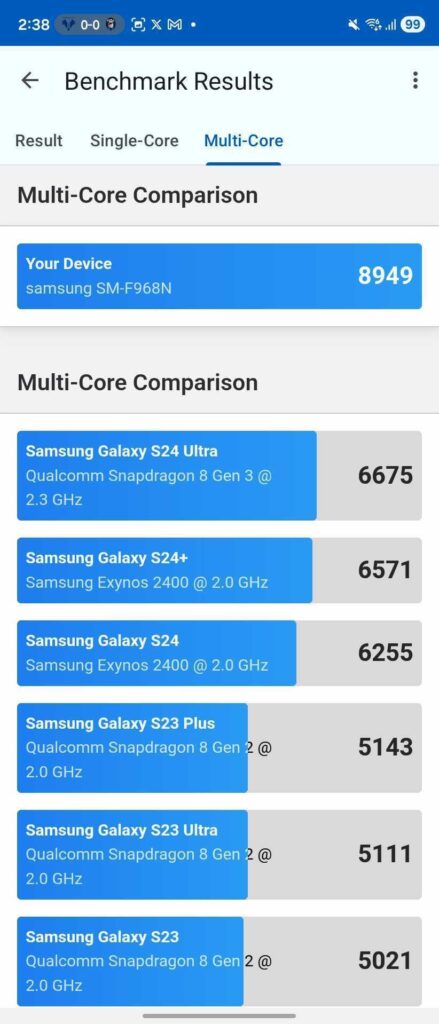
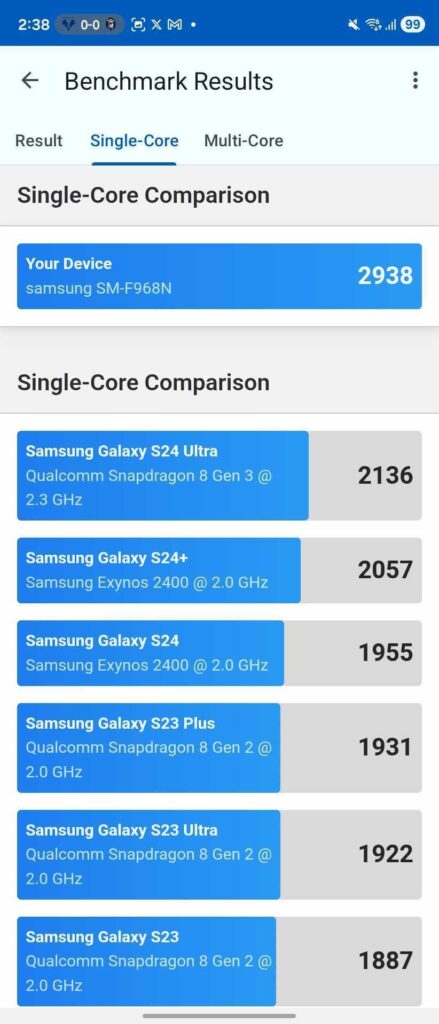
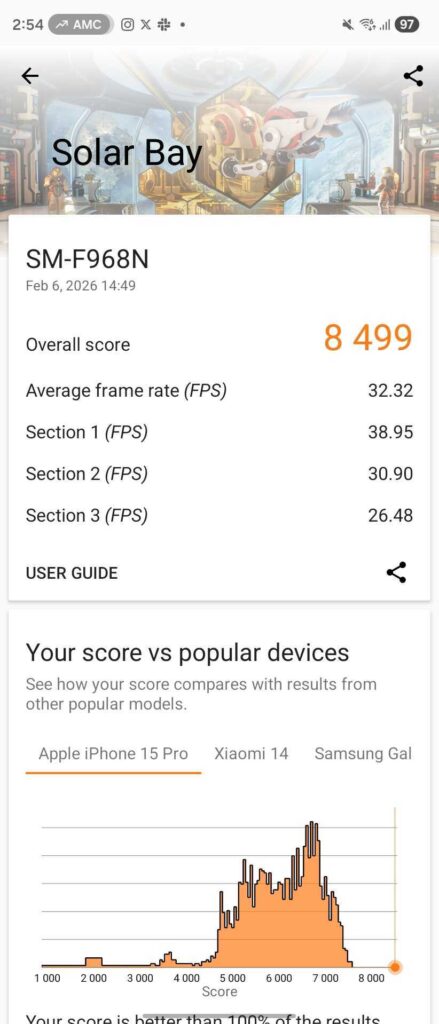
Benchmarks back that up. In Geekbench 6, the TriFold scored 2938 in single-core and 8949 in multi-core, comfortably ahead of the Galaxy S24 Ultra’s 2136 and 6675. That firmly plants it in next-gen flagship territory from a CPU standpoint. On the GPU side, 3DMark Solar Bay returned an overall score of 8499 with a 32.32 FPS average, while Wild Life Extreme came in at 4546 and 27.22 FPS. These are right in line with Samsung’s best and show no obvious thermal constraint in short bursts.
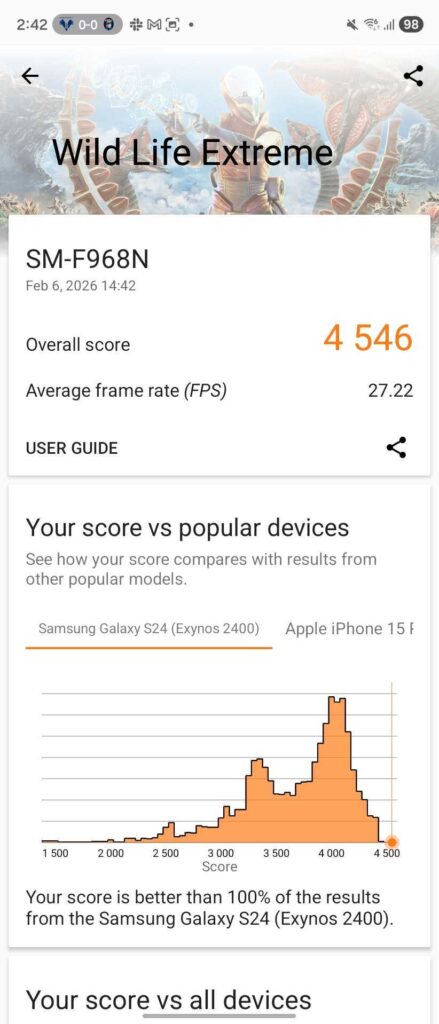
Numbers aside, real-world performance is what matters more on a device built for heavy multitasking. One UI 8 runs extremely smoothly. I didn’t run into perceptible lag, even when juggling split screen apps, pop-up windows, and DeX. Animation fluidity holds up impressively well, which is important because this phone practically invites you to push it harder than a typical slab phone.
Gaming performance was equally reassuring. Asphalt 8 runs effortlessly, and even longer sessions didn’t cause uncomfortable heat buildup. That’s surprising given how thin the device is when fully unfolded. Thermal management seems well tuned, with no obvious throttling during real-world play. If anyone is worried that this feels like a first-gen experiment, performance is definitely not where Samsung cut corners.
Software and multitasking
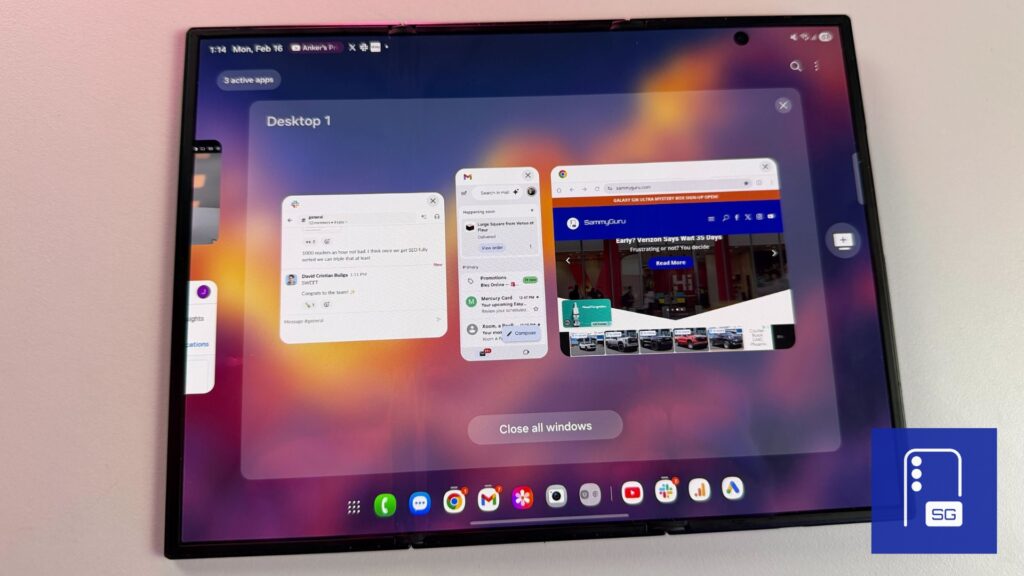
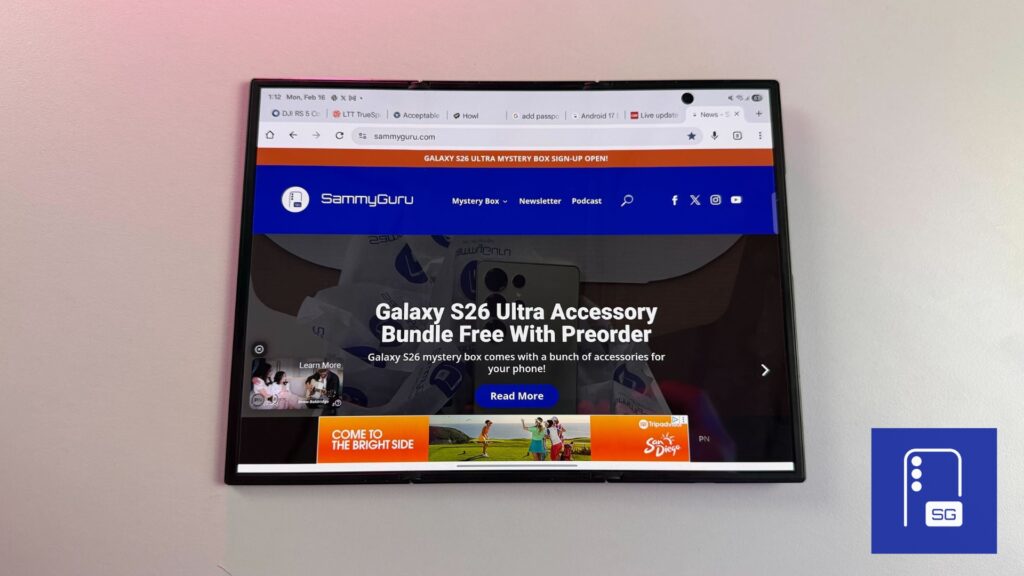
Multitasking on the TriFold is honestly ridiculous in the best way. This is the largest usable canvas you can still shove into a pocket, and Samsung’s split screen and pop-up window system feel purpose-built for it. Nothing feels cramped. Running three apps side by side doesn’t feel like a gimmick anymore. It actually feels natural.
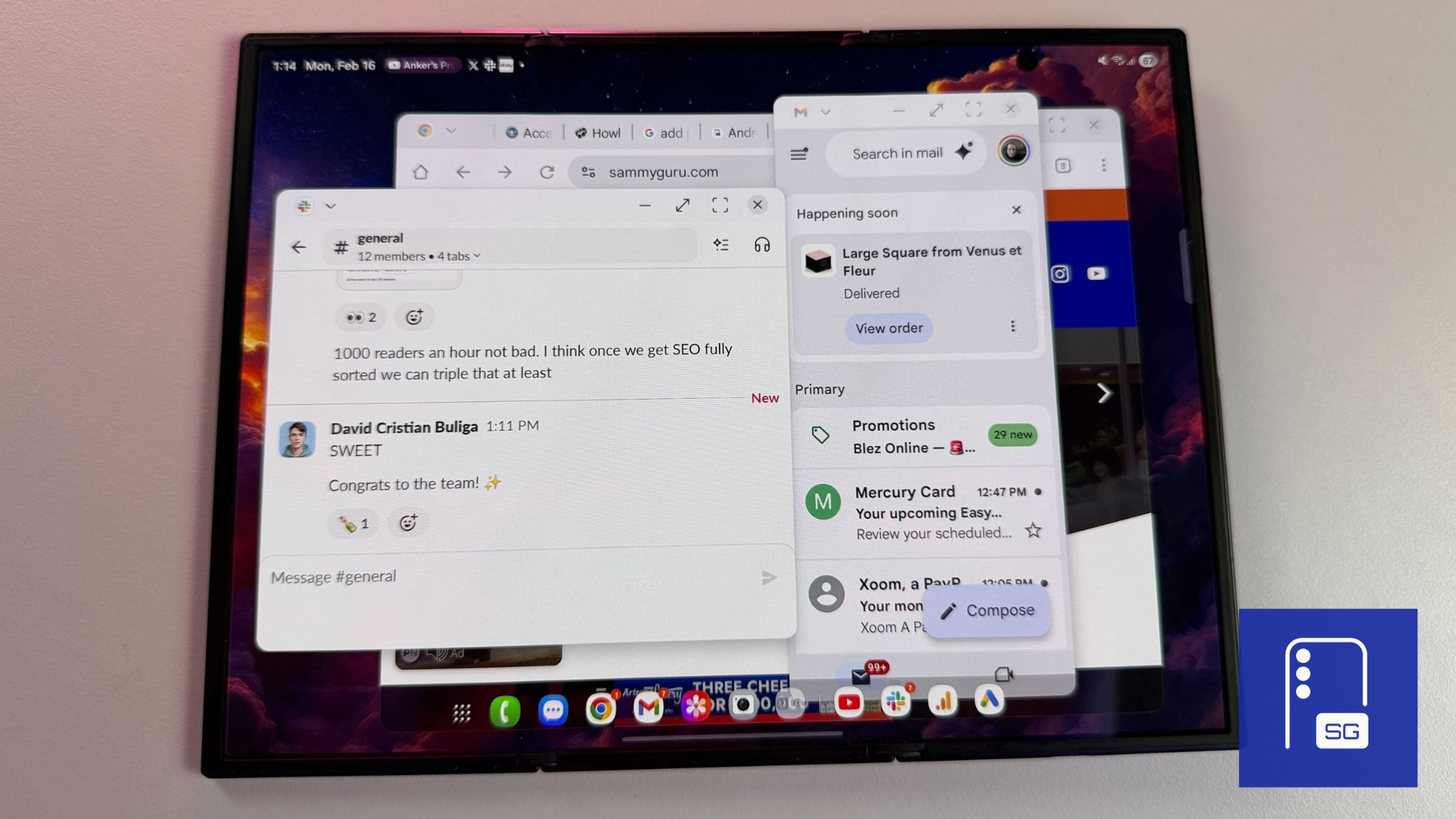
Then there’s Samsung DeX, and this is where things get serious. It’s the first Galaxy phone that runs DeX without an external monitor, and the experience is very close to a Galaxy Tab S desktop setup. Pair it with a slim keyboard and a travel mouse, and this thing can replace a laptop for light to moderate work. This is the first foldable that genuinely feels productivity-first.
App Optimization
Running One UI 8 on the TriFold feels surprisingly polished. Performance is smooth, animations are fluid, and I’ve barely run into any noticeable lag. The UI behavior actually feels closer to Samsung’s tablet software than a typical phone, which makes sense given the screen size. Stock apps like Gallery, Phone, and Samsung Messages are beautifully optimized and genuinely make the hardware shine.
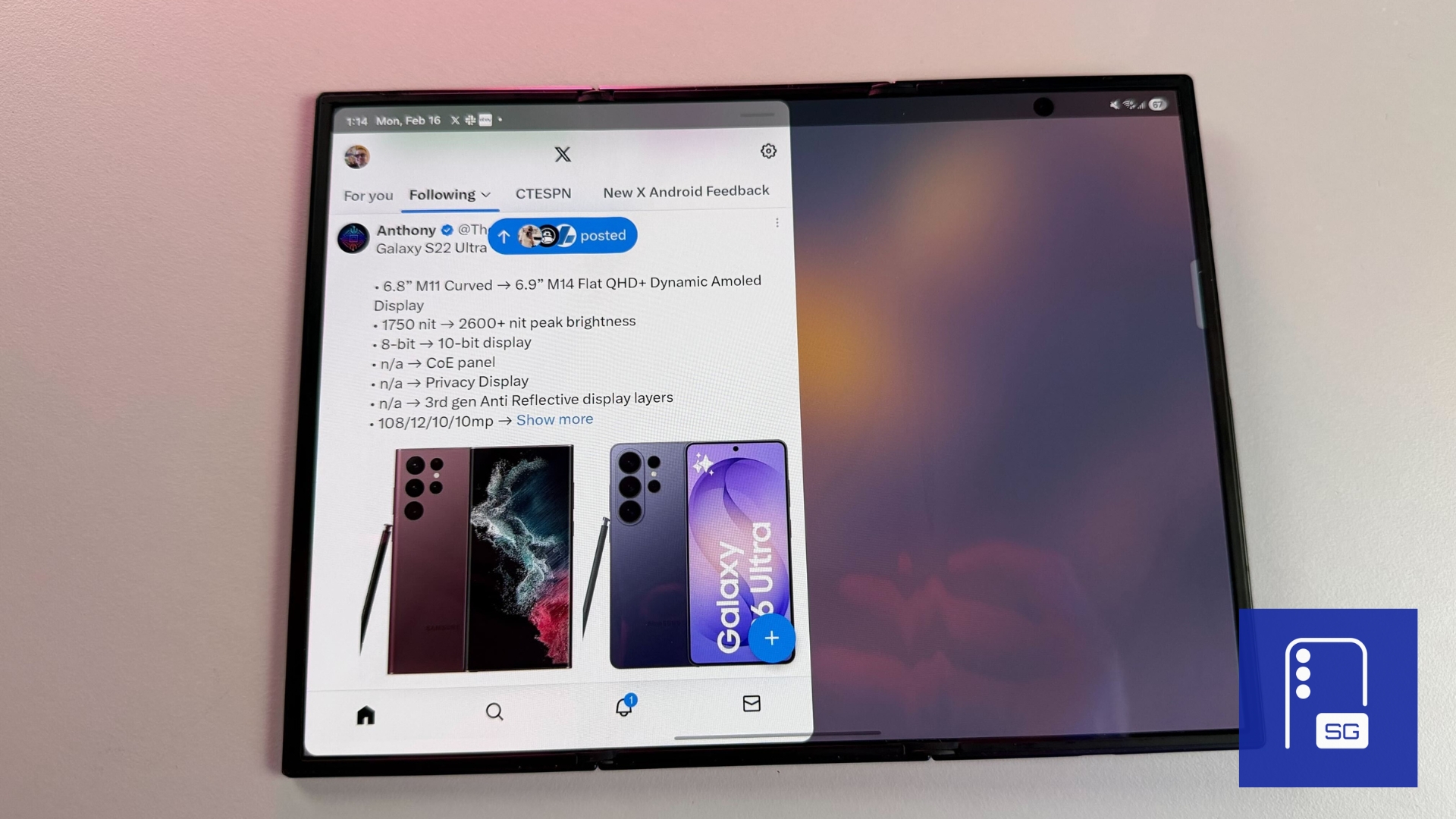
Third-party apps are another story. Facebook doesn’t default to full screen unless you force it in Settings, and X still refuses to properly scale even with “force full screen” enabled. I leaned heavily on app pairs to work around this, which helps, but introduces quirks. Notion sometimes refuses to open full screen after being launched via an app pair, and video scaling is inconsistent. Samsung needs to push developers harder here.
Battery and charging
The 5,600mAh battery sounded ambitious on paper, but in practice it held up better than I expected. I’ve been averaging around five hours of screen-on time with a mix of Wi-Fi and cellular, and that’s with the giant inner display seeing plenty of action at high brightness. For something this big and bright, that’s honestly solid.
For context, my Galaxy S25 Ultra hovers around 4.5 hours in similar conditions, so the TriFold actually edges it out here. That said, I wasn’t using wireless Android Auto on this Korean unit, which definitely helps. Charging is classic Samsung: 45W wired, 15W wireless. Not breaking records, but perfectly fine for daily use.
Cameras
The Galaxy Z TriFold has a surprisingly capable camera system, but this isn’t a camera-first device and it doesn’t try to be. Overall performance lands right alongside the Galaxy Z Fold 7 and the Galaxy S25 Ultra. In good daylight, the main sensor delivers sharp detail and dependable exposure. It’s the kind of camera you can trust, I felt.
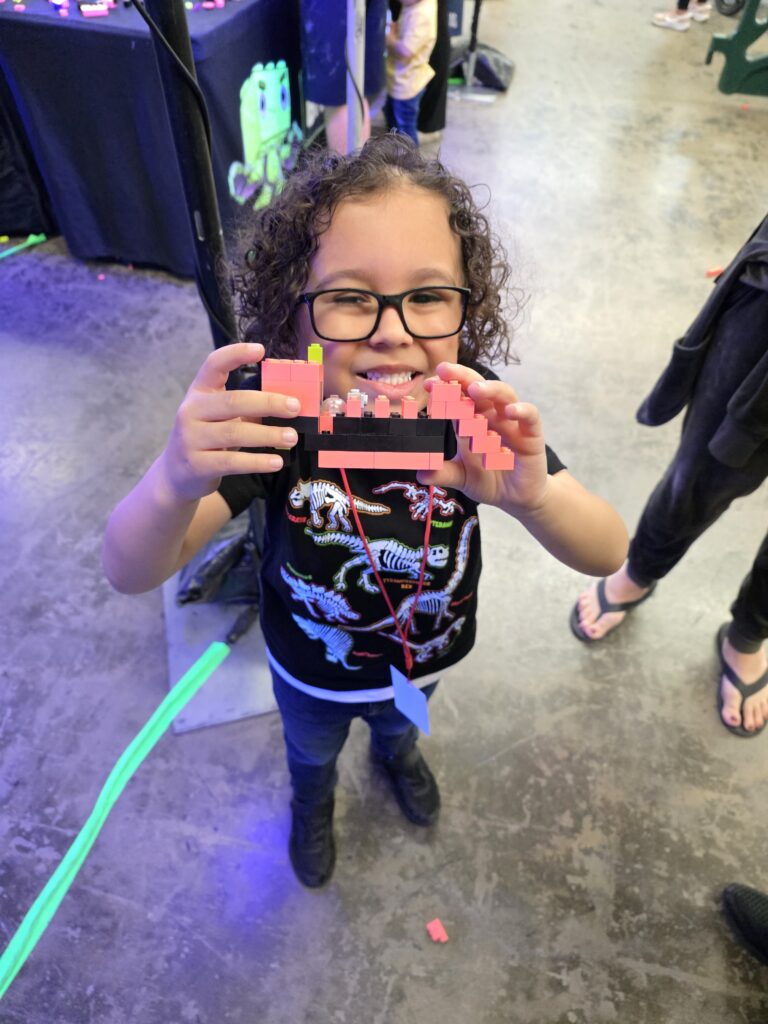



Indoors and in lower light, things get a bit less consistent. The main camera can struggle slightly in dim environments, and I noticed occasional oversharpening, especially in close-up, macro-style shots. If you’ve used the S25 Ultra, the behavior will feel familiar. It’s not bad, just not flawless.




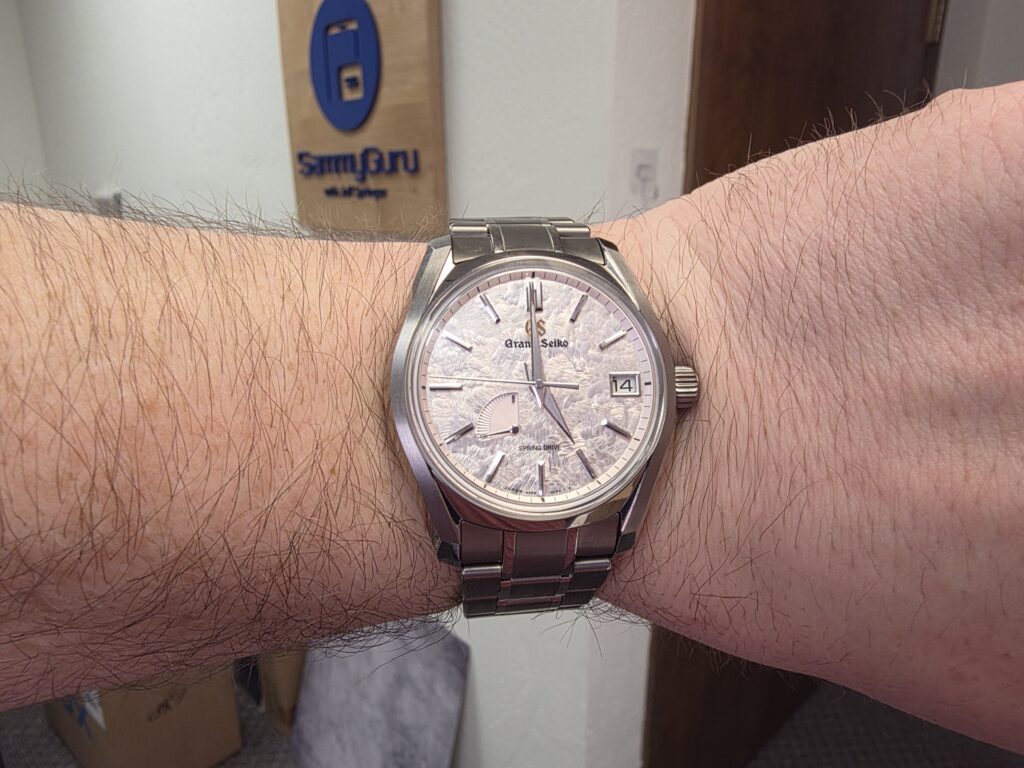

For camera snobs, there are better options
Night performance, interestingly, is a touch better than expected. Compared side by side with the S25 Ultra, the TriFold sometimes holds onto slightly more detail and shows less haloing around bright lights. I saw this clearly in some Phoenix Zoo night shots where Christmas lights had less glow and better definition. The difference is subtle, but it’s there.
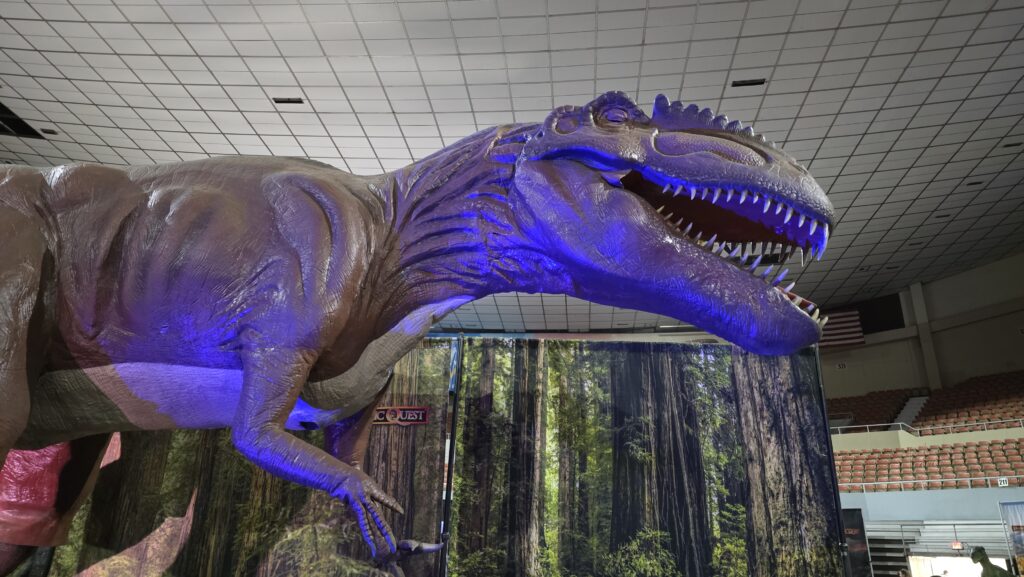
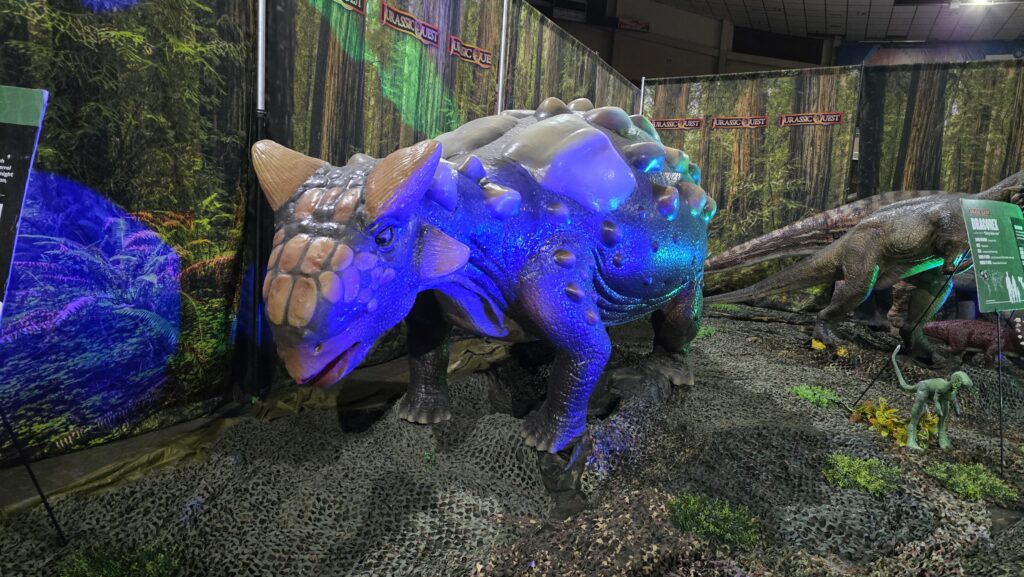



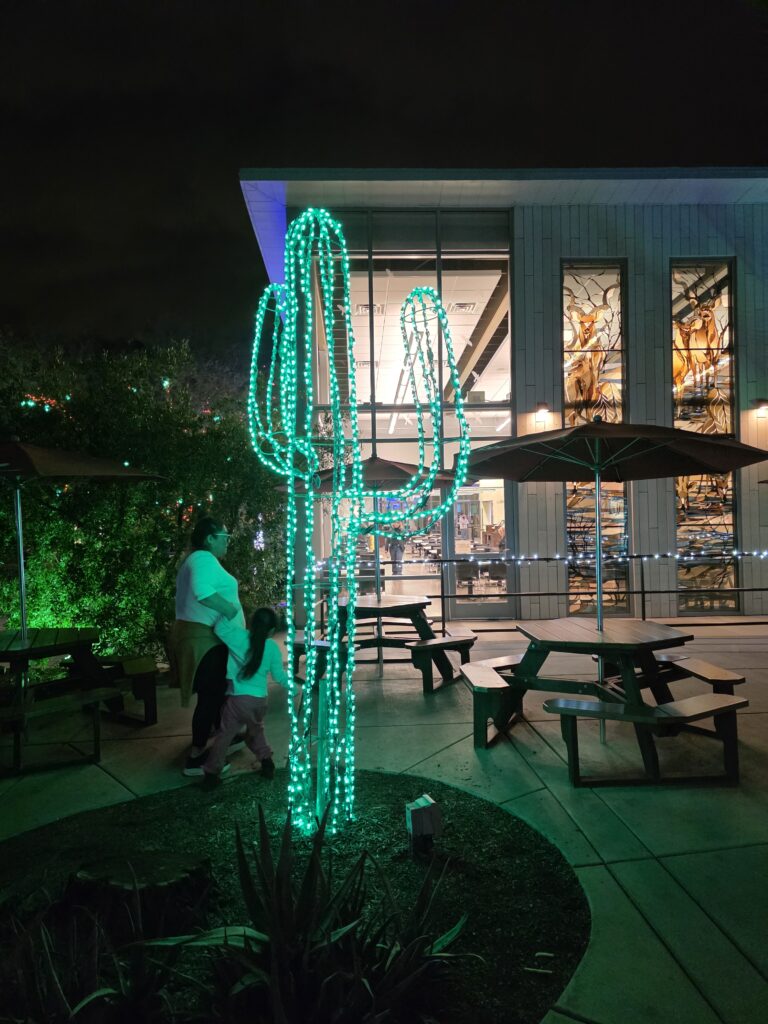


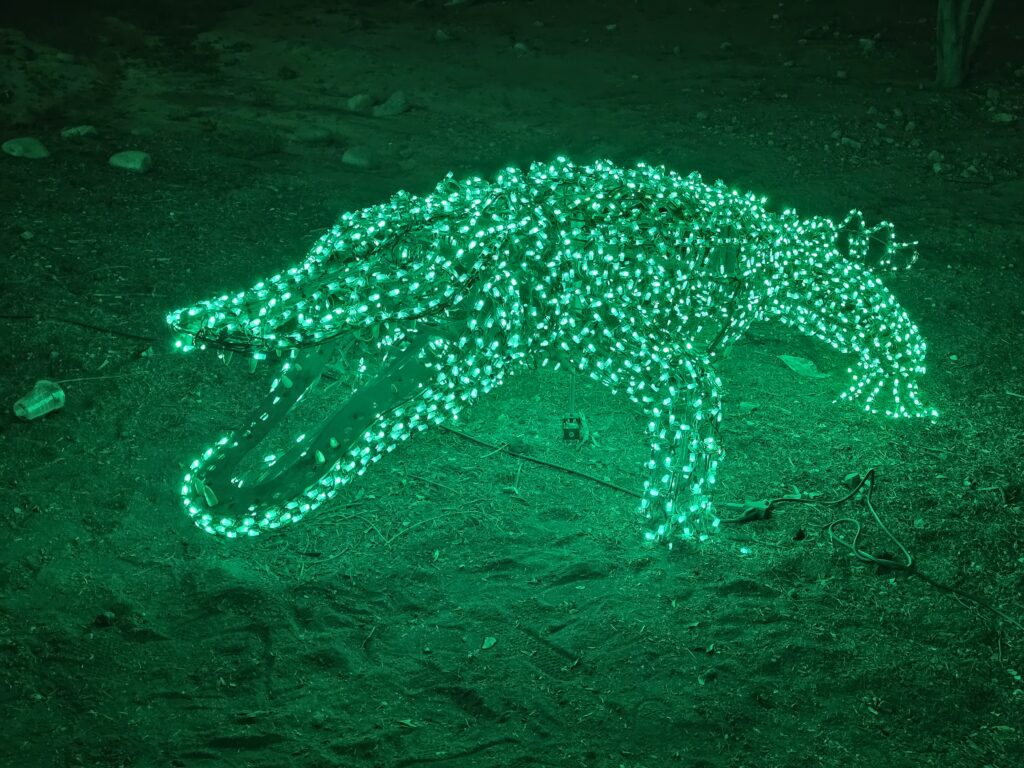

The ultrawide and telephoto cameras are predictably behind the S25 Ultra in pure hardware terms. The 3x telephoto is still usable, even at night, but you don’t get that insane zoom flexibility. The front camera is the weakest link here, with softer detail, slightly odd colors, and no 4K60 video. For most people, it’s fine. For camera snobs, there are better options.
Galaxy Z Trifold Pros and cons
What I like:
— Massive immersive tablet-like display
— Excellent multitasking flexibility
— Full on-device DeX desktop mode
— Loud, well-balanced stereo speakers
— Reliable daylight camera performance
What I don’t like:
— Extremely expensive launch price
— Long-term durability remains uncertain
— No Samsung Care+ coverage
— Thick and heavy when folded
— Inconsistent third-party app scaling
— Mediocre front camera quality
Verdict
The Galaxy Z TriFold feels unapologetically futuristic, and after a few days it genuinely starts to feel like the future in your pocket (even if it’s a chunky one). The massive display transforms everything: multitasking, media, even casual scrolling just hits different. Performance is rock solid, and to be fair, battery life holds up better than expected. For a device this ambitious, that’s no small feat.
That said, let’s not kid ourselves: this thing costs a small fortune, and you’re absolutely paying the early-adopter tax. But this doesn’t feel like a gimmick. It feels intentional. If you want safe and sensible, there are easier picks. If you want something that turns heads, bends the rules (literally), and actually backs up the hype with real-world usability, the TriFold earns its bragging rights.
Buy Galaxy Z TriFold on Samsung.com
Galaxy Z Trifold FAQ
When was the Galaxy Z Trifold Released?
The Galaxy Z Trifold was announced in early December 2025 and released in mid December 2025 in South Korea. The device went up for sale in US in early February 2026, and is currently scheduled for a big restock on February 20, 2026.
Does the Galaxy Z TriFold support Samsung DeX?
Yes! The Galaxy Z Trifold is the first Samsung phone to support Samsung DeX on-device, with no additional external display required. This brings the Galaxy Z Trifold in line with Samsung’s flagship tablet offerings.
How much does the Galaxy Z Trifold cost?
In the US the Galaxy Z Trifold costs $2899. Expensive for sure, but that’s the price you pay for first-get innovation.

Written by
Jeff SpringerJeff Springer is the Founder and Managing Editor at SammyGuru. Pursuing his passion for mobile tech, he started covering Samsung and Android on his Youtube channel in 2014 and continues to post daily Samsung tutorial videos. As a past staff writer at XDA Developers and Android Police, Jeff has a wealth of experience managing written content as well. In 2023, Jeff started SammyGuru to offer a different type of Samsung news site. He firmly believes that providing great value to readers is the core mission of our coverage. Jeff lives in Phoenix, AZ with his wife and two kids. In his small amount of free time, he collects fountain pens, stationery, and Pokémon cards.

Follow us on Google Discover & set us as a preferred source in Google News
Share this Post
___________________________


New Blog Posts
___________________________
First Set of Pixel 11 Pro XL Renders Are Here
Pixel 11 Pro XL CAD renders show minimal design changes
Is Samsung Preparing One UI 8.5 Beta for Galaxy Z Fold 5 and Flip 5?
Samsung may launch a One UI 8.5 beta program for its 2023 foldables
Galaxy S25 One UI 8.5 Beta May Run Longer Than Expected
Galaxy S25 series’ One UI 8.5 beta may stretch to 10 rounds