Galaxy S25 Ultra Sales Prove Samsung’s Strategy Is Working
SammyGuru is reader-supported. We have affiliate and sponsored partnerships, so we may earn a commission when you buy through links on our site — at no extra cost to you. Learn more.
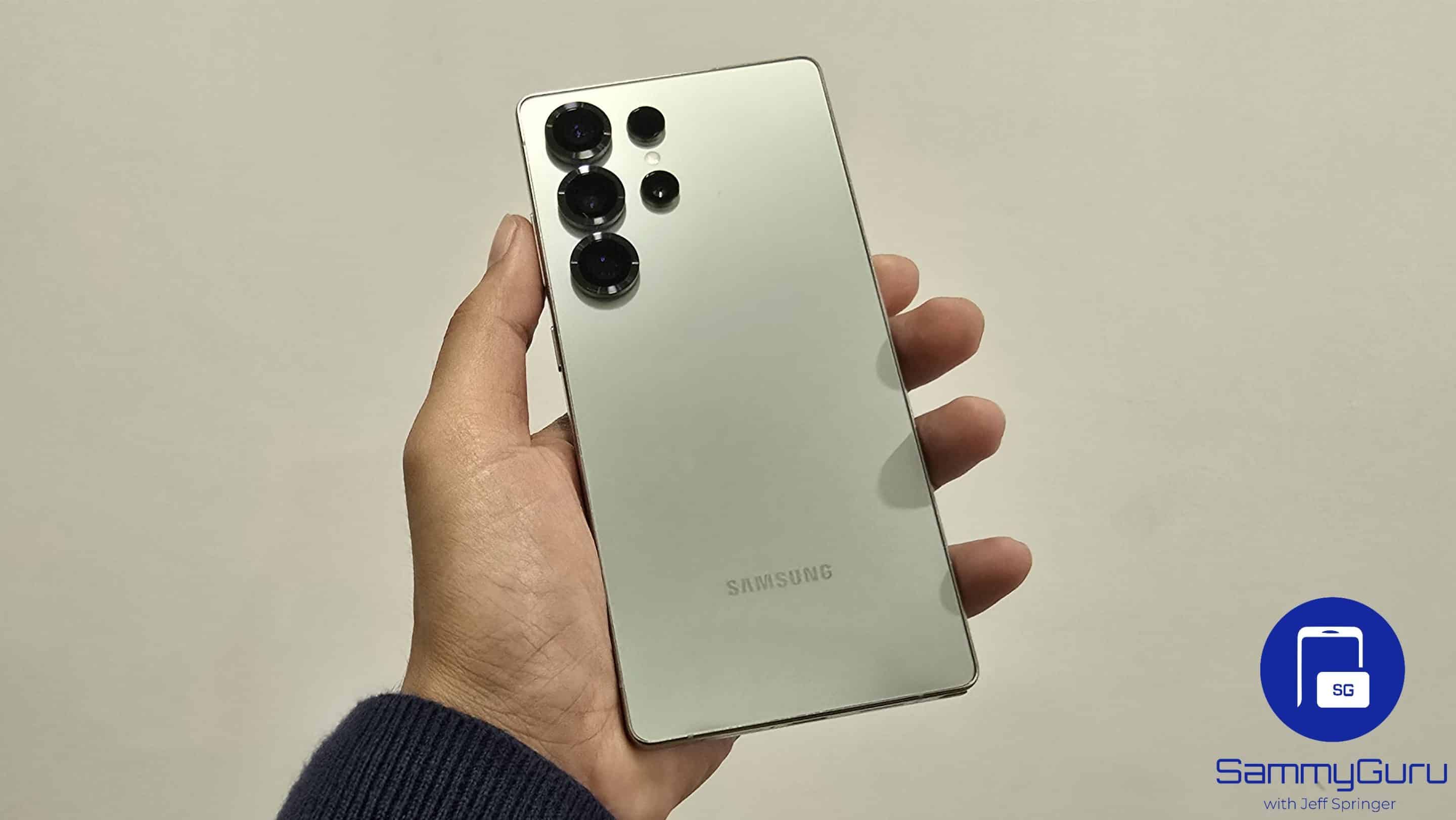
As the first half of 2025 wraps up, the smartphone market reveals a fascinating dynamic, particularly in the ultra-premium segment. Despite bold innovation from Chinese brands, Samsung’s Galaxy S25 Ultra stands unchallenged at the top. This overwhelming success not only highlights its market dominance but also reinforces the company’s current strategy for its Ultra flagship lineup, even if it means going against the wishes of some enthusiasts.
Samsung is doing something right with its Ultra flagship line
While tech communities often debate the latest sensor sizes, periscope zoom ranges, and RAW shooting capabilities, the mass market is speaking with its wallet — and it’s loud and clear: Samsung is doing something right. By the end of May 2025, the Galaxy S25 Ultra had already achieved a staggering 8.39 million units in sales. This figure utterly dwarfs the combined efforts of the three major Chinese Ultra series.
The vivo X200 Ultra, Xiaomi 15 Ultra, and OPPO Find X8 Ultra collectively managed approximately one million units by the end of June. Of course, Samsung has a global presence, while these Chinese brands are mostly limited to the domestic market. If given a chance, a lot of S25 Ultra buyers would probably pick one of these Chinese Ultras. After all, they offer bigger batteries, faster charging, and more powerful camera systems.
However, these sales figures also make it clear that not everyone is running behind raw specs. As tipster IceUniverse points out, the immense success of Samsung’s S Ultra series is linked to its slim, aesthetically pleasing design. This design philosophy has resonated deeply with millions of consumers worldwide, validating the Korean firm’s approach.
The Galaxy S25 Ultra may not have the most powerful camera, but it’s powerful enough for an average user. Likewise, the 5,000mAh battery can easily run the phone through the day. Overall, you get an excellent package in a slimmer, premium build. To risk this proven formula by introducing a thicker body or a more pronounced camera module – features often requested by imaging purists – could jeopardize the very sales growth that has fueled its dominance.

Written by
Sumit AdhikariSumit, a life-long Samsung user, is passionate about technology and has been professionally writing on tech since 2017. He’s a mathematics graduate by education and enjoys teaching basic mathematics tricks to school kids in his spare time. Sumit believes in artificial intelligence and dreams of a fully open, intelligent and connected world.

Follow us on Google Discover & set us as a preferred source in Google News
Share this Post
___________________________


New Blog Posts
___________________________
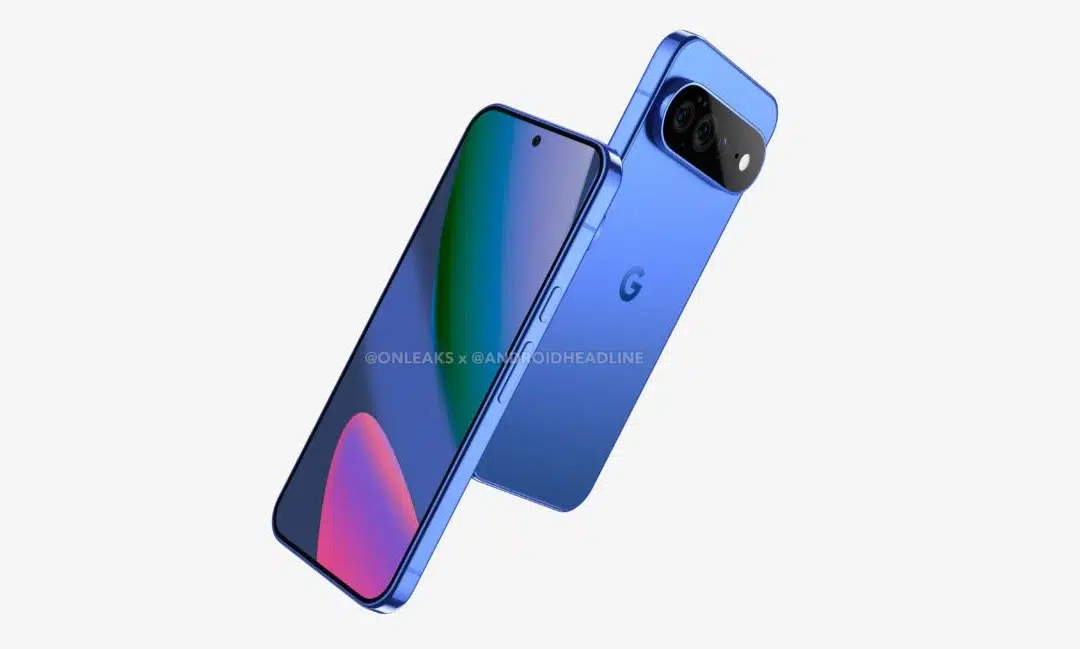
First Set of Pixel 11 Pro XL Renders Are Here
Pixel 11 Pro XL CAD renders show minimal design changes
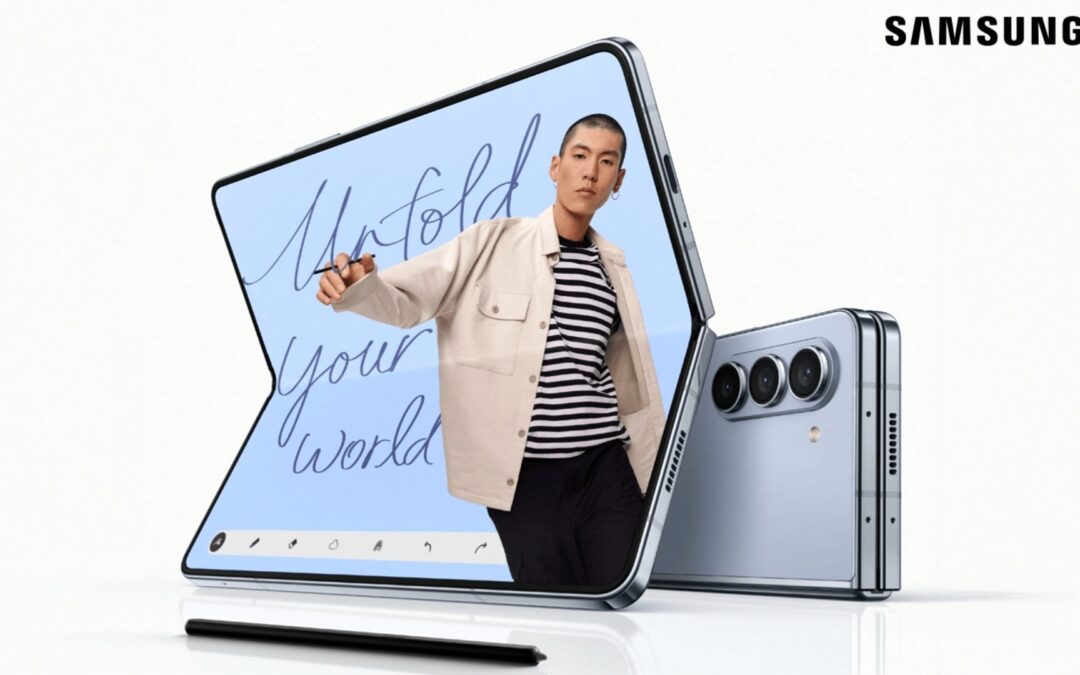
Is Samsung Preparing One UI 8.5 Beta for Galaxy Z Fold 5 and Flip 5?
Samsung may launch a One UI 8.5 beta program for its 2023 foldables
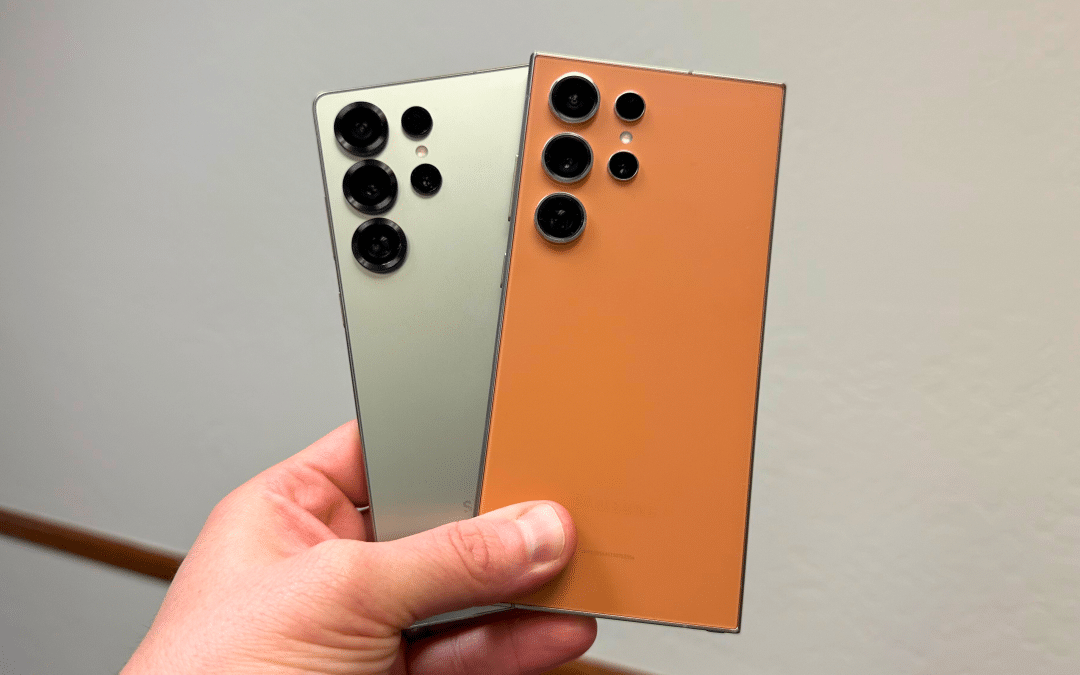
Galaxy S25 One UI 8.5 Beta May Run Longer Than Expected
Galaxy S25 series’ One UI 8.5 beta may stretch to 10 rounds