Samsung Shows Confidence in HBM4 as Clients Express Satisfaction
SammyGuru is reader-supported. We have affiliate and sponsored partnerships, so we may earn a commission when you buy through links on our site — at no extra cost to you. Learn more.
Samsung has expressed confidence in its 6th-generation high-bandwidth memory, HBM4. The reason is that its key customers have provided positive feedback on chip performance. This will allow the firm to secure more volume orders and strengthen its position in the HBM market.
Samsung’s HBM4 is grabbing attention from customers
While Samsung struggled during the early HBM3E period due to quality issues, the company now appears to be back on track with HBM4. The company reportedly plans to begin mass production of HBM4 and start shipments to its key client, Nvidia, later this month. This comes after clearing the GPU maker’s quality certification process. The chip has reportedly reached industry-leading speeds (operates at up to 11.7 gigabits per second), outperforming rivals’ offerings.
Samsung’s Chief Technology Officer (CTO), Song Jai-hyuk, showed confidence in the company’s HBM4 during Semicon Korea 2026, an annual exhibition of semiconductor companies. Song said clients are expressing satisfaction with HBM4 products. He added that the company will continue its efforts in next-generation memory technologies, including HBM4E and HBM5.
Speaking about the strength of Samsung’s HBM4, Song said the company is “just showing its true self” by responding to the market with world-top technology. He also talked about the company’s manufacturing environment. “Samsung, which holds a portfolio spanning memory, foundry, and packaging, has the optimized environment to produce products needed for the AI sector, and they are currently generating synergy,” said the executive.
Meanwhile, to meet the increasing demand for advanced memory, Samsung plans to expand the production of its DRAM chips, the core components of HBM4. The company could boost output at its Pyeongtaek Plant 4 in Gyeonggi Province by building a new production line in the first quarter of 2027.
Reports suggest Nvidia’s initial HBM4 orders were led by SK Hynix, with shares at around the mid-50% range. Samsung and Micron each secured around mid-20% shares. Hopefully, Samsung’s share will increase as production ramps up.

Written by
Binay KonwarBinay Konwar started his blogging journey in 2014 and has since written plenty of tech articles. At present, he is working as a News Writer at SammyGuru, covering everything about Samsung. He holds a Master's degree in Mathematics, but his real passion lies in tech and writing. In his free time, he enjoys playing chess and watching movies.

Follow us on Google Discover & set us as a preferred source in Google News
Share this Post
___________________________


New Blog Posts
___________________________
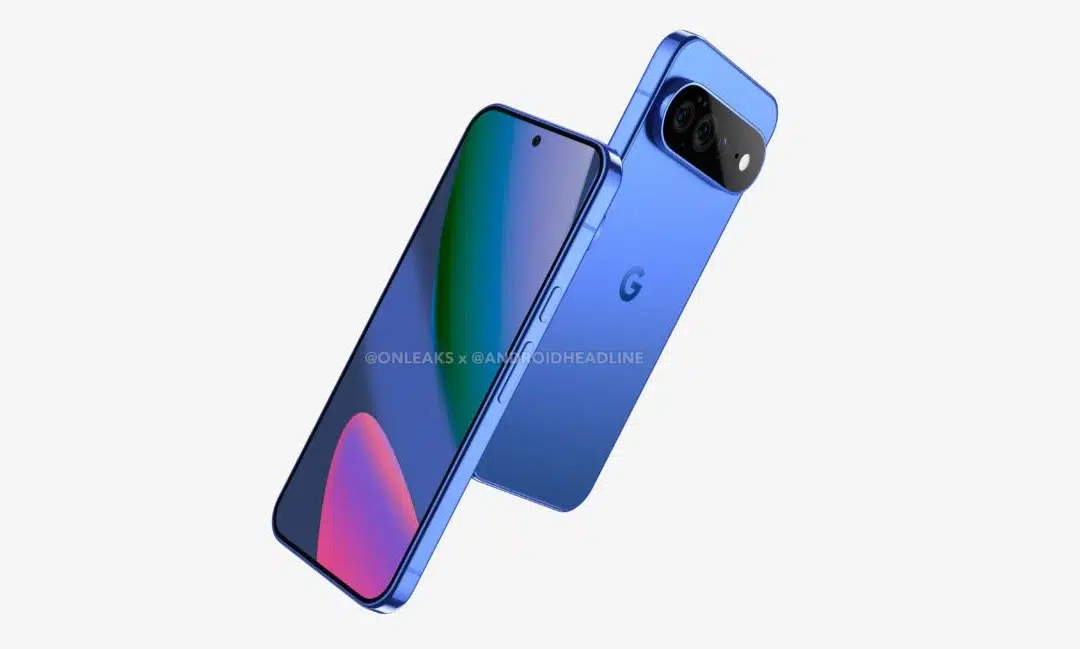
First Set of Pixel 11 Pro XL Renders Are Here
Pixel 11 Pro XL CAD renders show minimal design changes
Is Samsung Preparing One UI 8.5 Beta for Galaxy Z Fold 5 and Flip 5?
Samsung may launch a One UI 8.5 beta program for its 2023 foldables
Galaxy S25 One UI 8.5 Beta May Run Longer Than Expected
Galaxy S25 series’ One UI 8.5 beta may stretch to 10 rounds