Landmark U.S. Ruling Forces Google to Share Search Data with Rivals
SammyGuru is reader-supported. We have affiliate and sponsored partnerships, so we may earn a commission when you buy through links on our site — at no extra cost to you. Learn more.
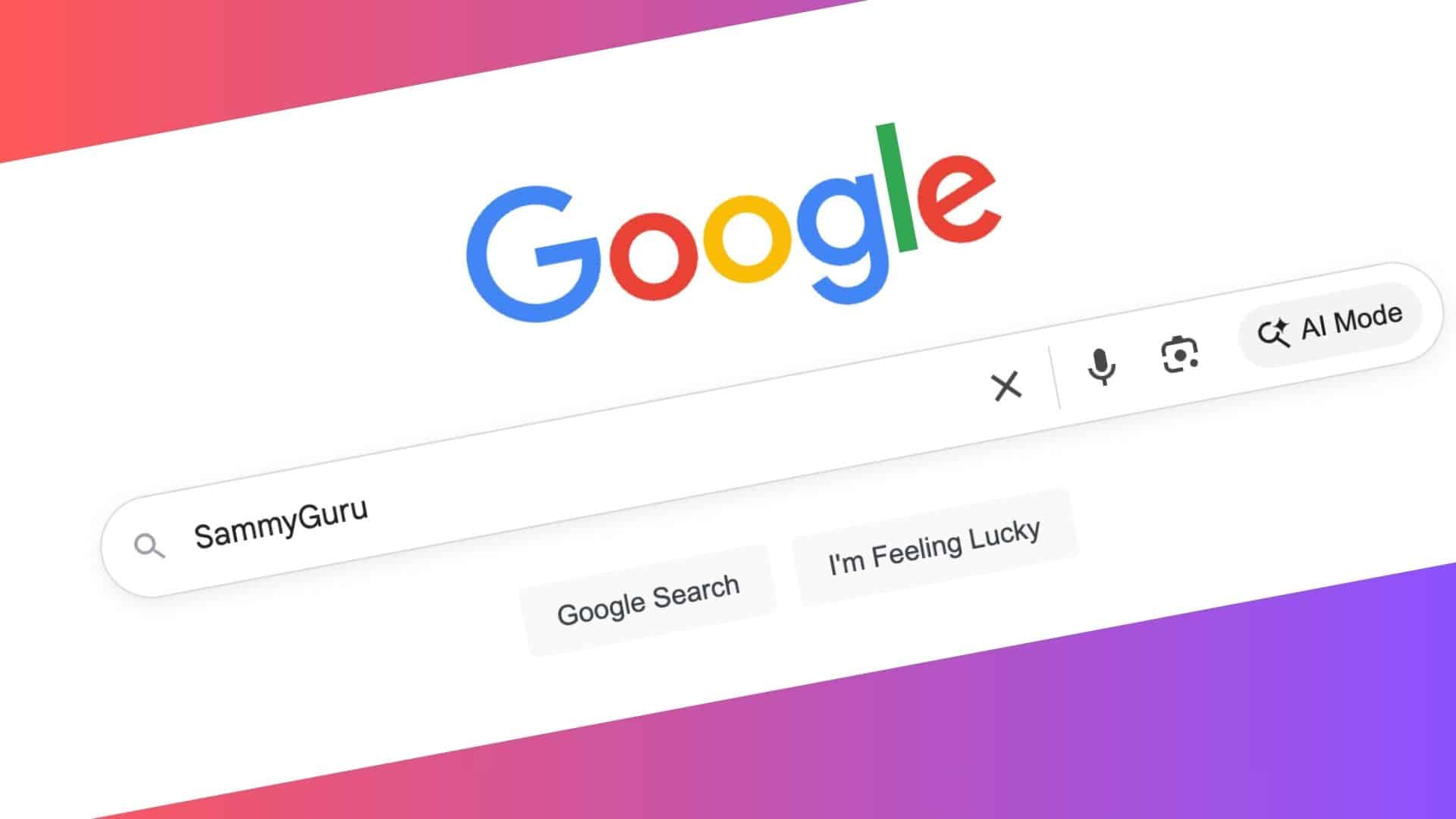
Google has avoided the forced sale of its Chrome browser in a historic U.S. antitrust ruling. However, the company now faces strict new rules designed to open the search market to rivals. The decision, issued by U.S. District Judge Amit Mehta on September 2, 2025, is the most significant ruling against a tech giant in nearly three decades.
Chrome remains a part of Google, but it must open search market to competitors
The Department of Justice accused Google of illegally maintaining a monopoly in online search. Regulators pointed to the company’s exclusive contracts with device makers like Apple and Samsung that made its search engine the default option on billions of devices. These deals, worth up to $20 billion a year, locked out rivals such as Microsoft’s Bing and DuckDuckGo.
Last year, Judge Mehta agreed that Google had violated antitrust laws. Over the past few months, the court weighed potential remedies, including the drastic step of forcing Google to sell Chrome or even parts of Android. However, in his final ruling, Judge Mehta rejected those extreme measures, calling them “messy and highly risky.”
In his 230-page ruling, the U.S. District Judge wrote that remedies must be applied with “significant humility,” given Chrome’s central role in the internet ecosystem. This was a major win for Google, which had argued that a breakup would harm consumers and disrupt the broader digital economy. Instead, the court ordered Google to share portions of its search index and user interaction data with qualified competitors.
Once enforced, this could help rival companies, from Microsoft to emerging AI players like OpenAI and Perplexity, improve their own search engines. Importantly, the ruling excludes advertising data, protecting Google’s most sensitive business assets. The Mountain View company is also barred from entering into exclusive default contracts, though it can still pay partners for placement under new restrictions.
The ruling is a mixed outcome: Google keeps its core businesses intact but must open up critical data that has long fueled its dominance. For Apple, the decision preserves billions in annual payments from Google for Safari placement, though it must better highlight alternative search engines and allow easier switching. Interestingly, Samsung recently began nudging Galaxy users to select a system-wide default search engine.

Written by
Sumit AdhikariSumit, a life-long Samsung user, is passionate about technology and has been professionally writing on tech since 2017. He’s a mathematics graduate by education and enjoys teaching basic mathematics tricks to school kids in his spare time. Sumit believes in artificial intelligence and dreams of a fully open, intelligent and connected world.
Follow us on Google Discover & set us as a preferred source in Google News
Share this Post
___________________________


New Blog Posts
___________________________
First Set of Pixel 11 Pro XL Renders Are Here
Pixel 11 Pro XL CAD renders show minimal design changes
Is Samsung Preparing One UI 8.5 Beta for Galaxy Z Fold 5 and Flip 5?
Samsung may launch a One UI 8.5 beta program for its 2023 foldables

Galaxy S25 One UI 8.5 Beta May Run Longer Than Expected
Galaxy S25 series’ One UI 8.5 beta may stretch to 10 rounds