Galaxy A07 Leak Reveals Design Changes and Helio G99 Chipset
SammyGuru is reader-supported. We have affiliate and sponsored partnerships, so we may earn a commission when you buy through links on our site — at no extra cost to you. Learn more.
Samsung is gearing up to launch a new entry-level Galaxy A model for budget-conscious buyers. Dubbed the Galaxy A07, the smartphone will arrive as the successor to last year’s Galaxy A06. The new model recently appeared on the Google Play Console, revealing its design and key specifications.
Galaxy A07 spotted on Google Play Console ahead of launch
Samsung’s Galaxy A lineup is popular around the world because it includes devices ranging from more affordable options to premium mid-range models. With the upcoming Galaxy A07, Samsung plans to refresh the lower end of its Galaxy A series, offering improved performance and a fresh design. Folks over at Xpertpick have recently spotted the Galaxy A07, identified by the model number SM-A075F, on the Google Play Console.
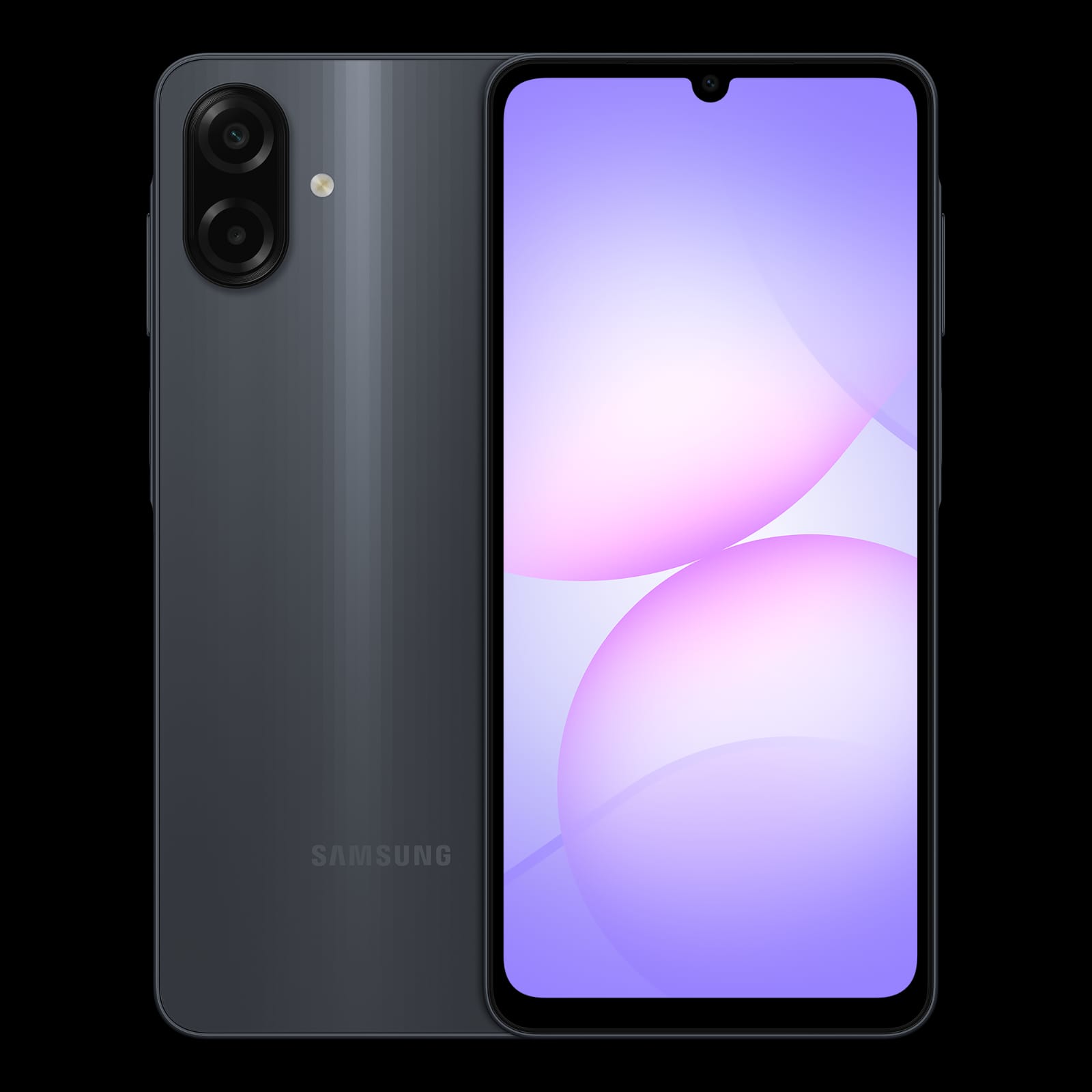
The listing gives us a first look at the official render ahead of its debut. As you can see, Samsung has made some design tweaks on the rear side — a vertically aligned dual-lens setup within a pill-shaped camera bump. Its predecessor, the Galaxy A06, featured two individual lenses without a camera island. There are no changes on the front side — it retains the waterdrop notch screen with thicker bezels.
While the listing did not reveal the camera specs, Samsung is unlikely to bring upgrades to this segment. We can expect a 50MP + 2MP dual-camera setup with an LED flash on the back, and an 8MP camera for selfies, similar to the Galaxy A06.
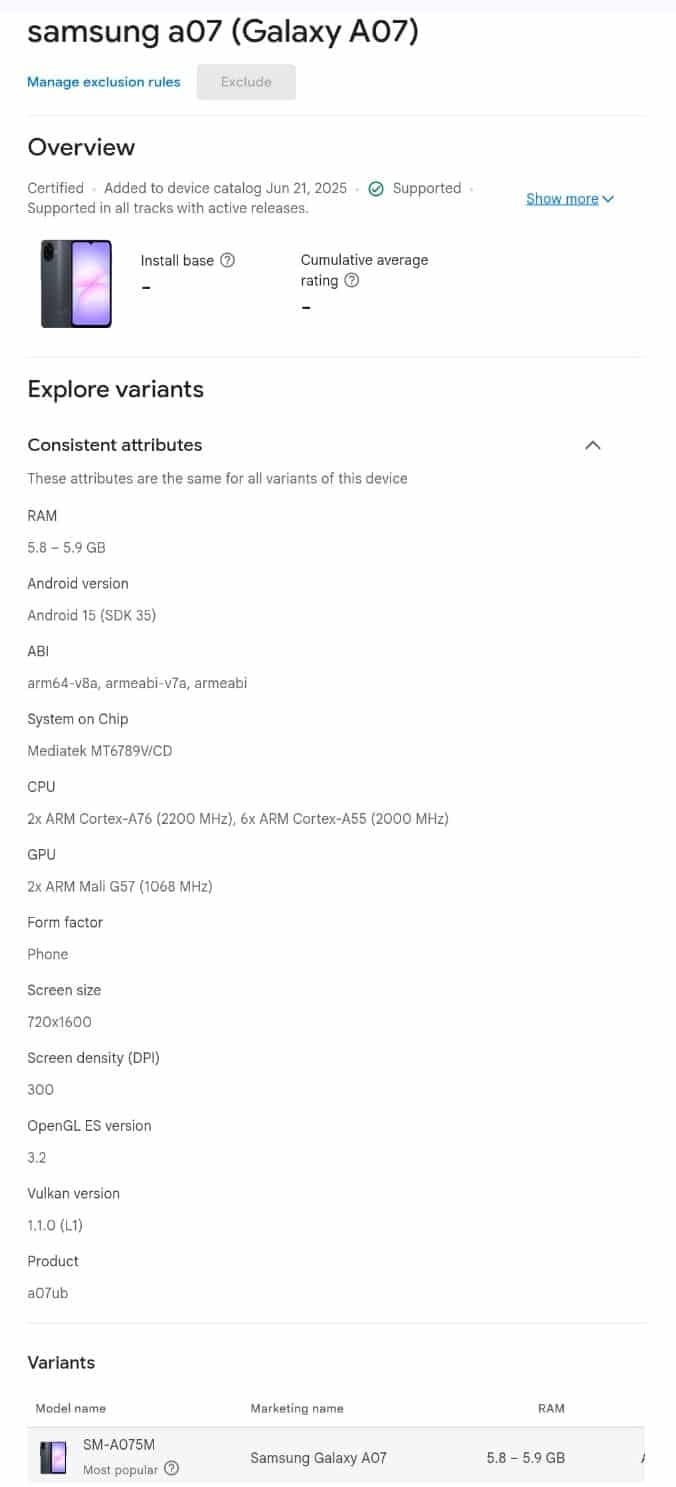
However, in terms of performance, the company will bring a notable improvement — the Galaxy A07 will feature the Helio G99 chipset (MT6789V/DC), coupled with 6GB of RAM. In comparison, the Galaxy A06 came with Helio G85, so you can expect slightly improved performance with the newer model.
Speaking of the display, it will support an HD+ resolution of 720 x 1600 pixels. On the software front, it will run Android 15 with One UI 7 out of the box, which is slightly disappointing given that Android 16 (One UI 8) is now officially available. The Galaxy A07 may debut around the same time as its predecessor, which points to an August 2025 launch.

Written by
Binay KonwarBinay Konwar started his blogging journey in 2014 and has since written plenty of tech articles. At present, he is working as a News Writer at SammyGuru, covering everything about Samsung. He holds a Master's degree in Mathematics, but his real passion lies in tech and writing. In his free time, he enjoys playing chess and watching movies.

Follow us on Google Discover & set us as a preferred source in Google News
Share this Post
___________________________


New Blog Posts
___________________________
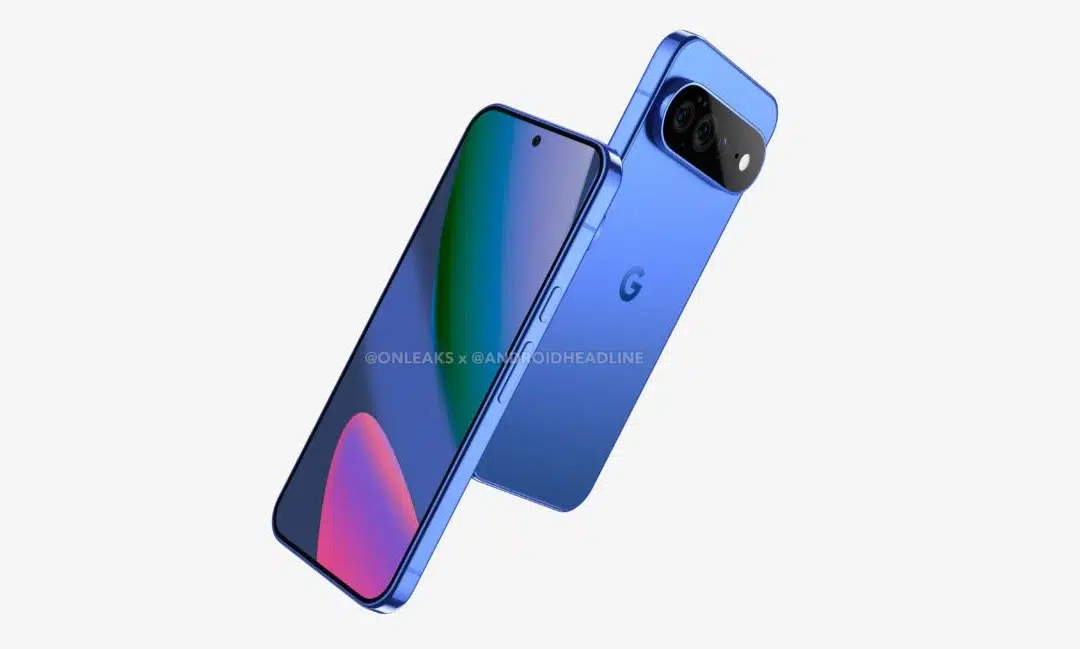
First Set of Pixel 11 Pro XL Renders Are Here
Pixel 11 Pro XL CAD renders show minimal design changes

Is Samsung Preparing One UI 8.5 Beta for Galaxy Z Fold 5 and Flip 5?
Samsung may launch a One UI 8.5 beta program for its 2023 foldables
Galaxy S25 One UI 8.5 Beta May Run Longer Than Expected
Galaxy S25 series’ One UI 8.5 beta may stretch to 10 rounds