Galaxy S26 Edge Leak Hints at Slimmer Design, Bigger Battery
SammyGuru is reader-supported. We have affiliate and sponsored partnerships, so we may earn a commission when you buy through links on our site — at no extra cost to you. Learn more.
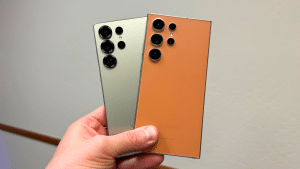
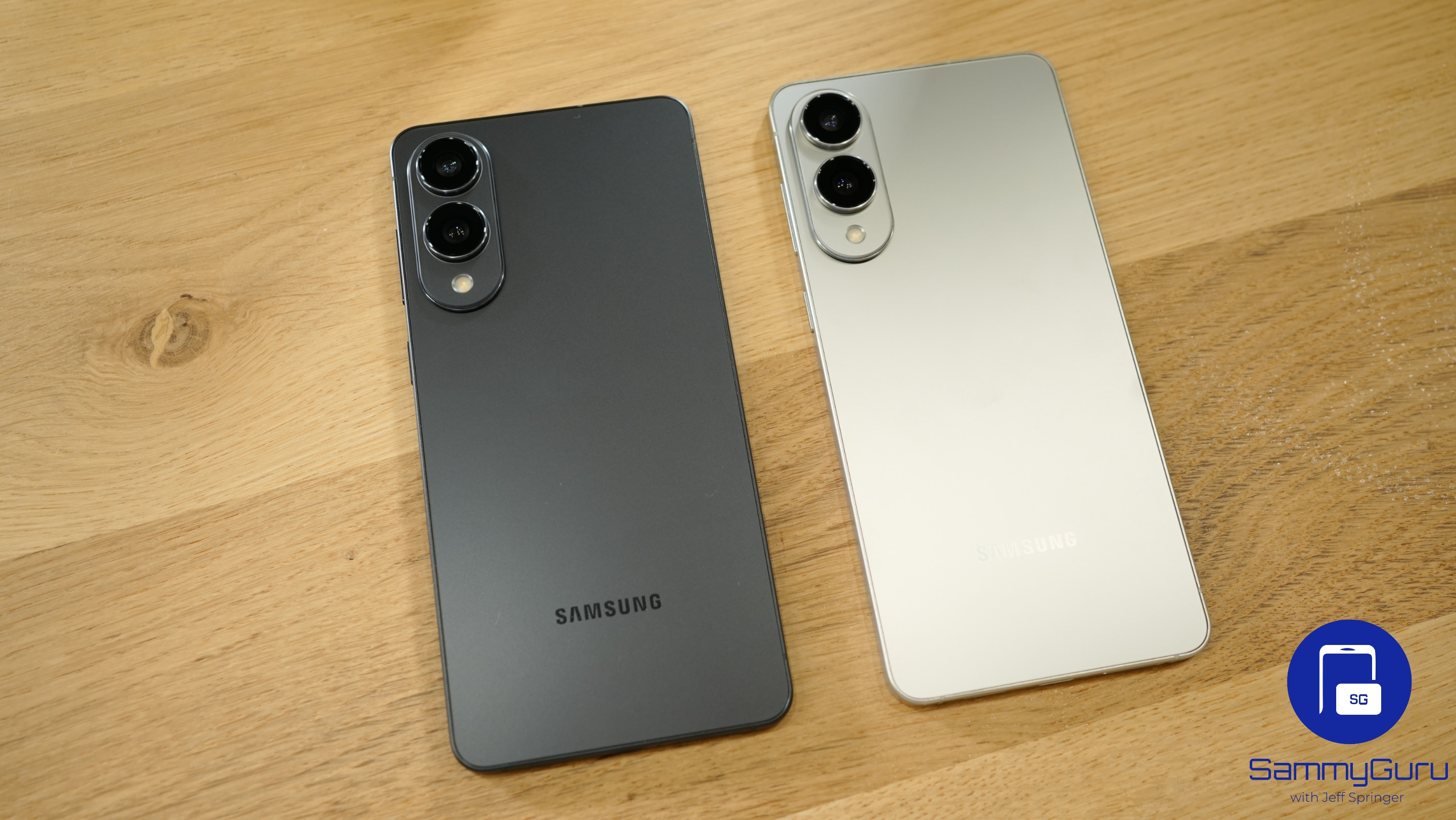
Samsung may tackle one of the biggest trade-offs in its ultra-slim flagship design next year. A new leak suggests the Galaxy S26 Edge will feature a significantly larger battery, while getting even thinner than the Galaxy S25 Edge. To make this possible, the company is reportedly turning to next-gen battery materials, likely silicon-carbon anodes, which offer higher energy density without increasing bulk.
Galaxy S26 Edge to be slimmer while packing a bigger battery
Launched earlier this year, the Galaxy S25 Edge is Samsung’s first “slim flagship.” It has a remarkably thin 5.8mm chassis weighing just 163 grams. Despite a slim profile, Samsung managed to pack a 3,900mAh battery inside, while still offering flagship-grade cameras, including a 200MP primary shooter from the S25 Ultra. The device lacks a telephoto zoom camera, but is still a well-rounded package.
The next-gen model may now further enhance the slim flagship lineup. According to trusted leaker Ice Universe, the Galaxy S26 Edge will be slimmer while packing a bigger battery. The tipster didn’t specify anything, but revealed that Samsung plans a fundamental shift in battery materials and engineering to make this happen. Silicon-carbon battery tech, long seen as a potential game-changer, could be the key.
Unlike traditional graphite-based lithium-ion cells, silicon-carbon batteries offer significantly higher energy density. This means they can store more power in the same physical space — or even less. They also promise faster charging and better thermal efficiency, all of which align with Samsung’s recent focus on slim, high-performance designs.
While Samsung has been conservative about adopting silicon-carbon in its mainstream phones, the Galaxy S26 Edge could mark a turning point. With rivals already exploring solid-state and next-gen lithium cells, the Korean tech giant may finally be ready to step forward, especially in premium, design-focused models like the Edge series. We’ll have to wait for more information, but early signs point to more than just an iterative update.

Written by
Sumit AdhikariSumit, a life-long Samsung user, is passionate about technology and has been professionally writing on tech since 2017. He’s a mathematics graduate by education and enjoys teaching basic mathematics tricks to school kids in his spare time. Sumit believes in artificial intelligence and dreams of a fully open, intelligent and connected world.

Follow us on Google Discover & set us as a preferred source in Google News
Share this Post
___________________________


New Blog Posts
___________________________
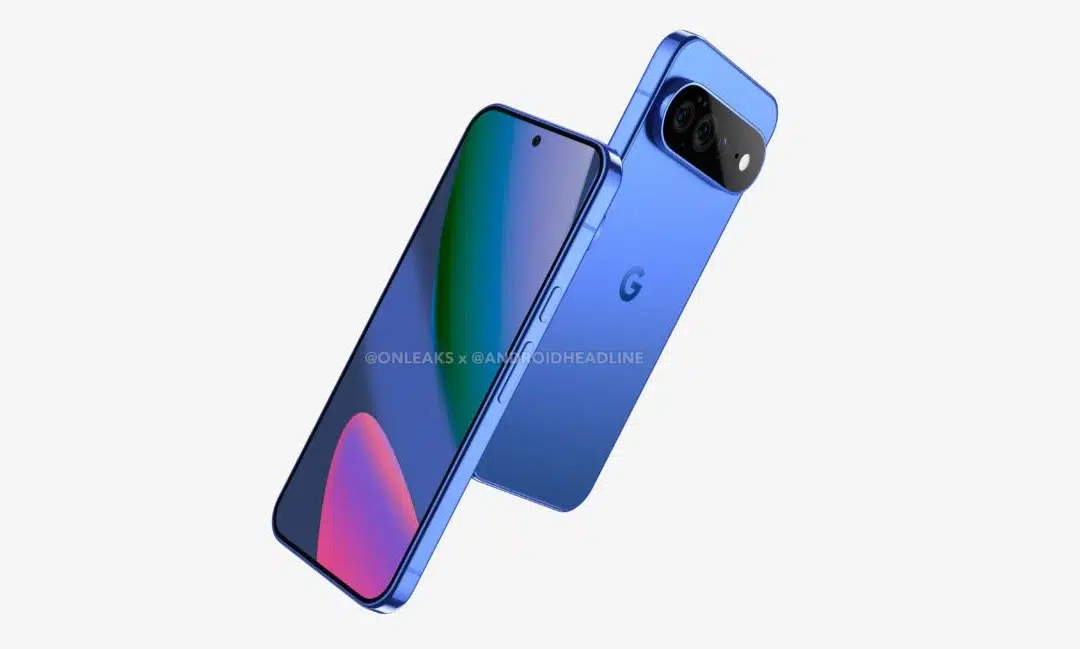
First Set of Pixel 11 Pro XL Renders Are Here
Pixel 11 Pro XL CAD renders show minimal design changes

Is Samsung Preparing One UI 8.5 Beta for Galaxy Z Fold 5 and Flip 5?
Samsung may launch a One UI 8.5 beta program for its 2023 foldables
Galaxy S25 One UI 8.5 Beta May Run Longer Than Expected
Galaxy S25 series’ One UI 8.5 beta may stretch to 10 rounds