Tesla’s $16.5 Billion Deal Could be a Turning Point for Samsung
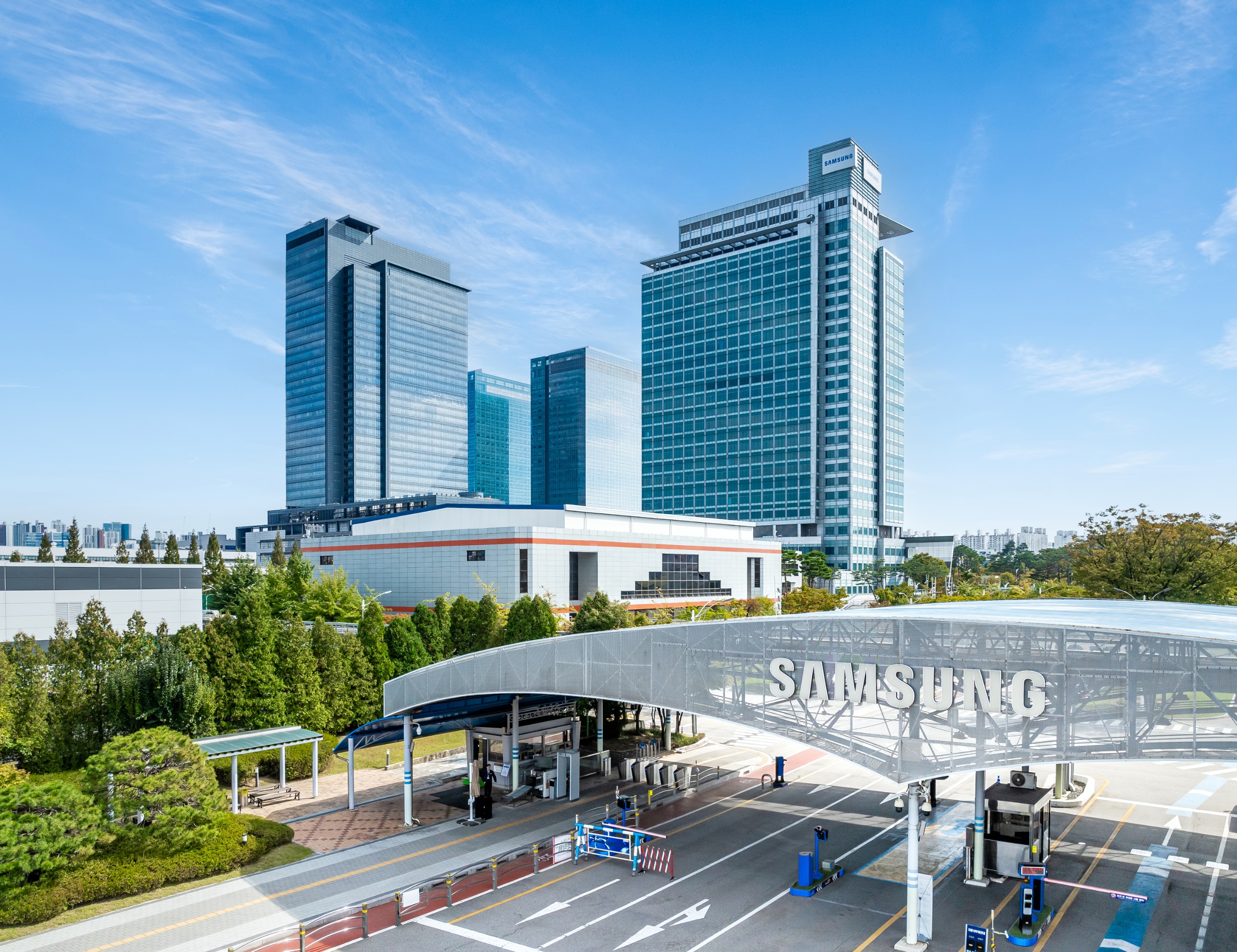
Recently, Samsung struck a deal with Tesla to manufacture the carmaker’s next-gen AI6 chips for autonomous driving. Reportedly valued at $16.5 billion, this contract extends until 2033, with the Korean firm expected to run a delicate production line at its Taylor plant in Texas. While this is undoubtedly a big deal for Tesla, securing a crucial supply of advanced AI brains for its future endeavors, it’s arguably an even more monumental victory for Samsung, particularly its foundry business.
Samsung Foundry has struggled in recent years
To understand why this deal is so important for Samsung, we need to delve into the current landscape of semiconductor manufacturing, specifically the “foundry” segment. Think of a foundry like a factory that specializes in making chips designed by other companies. Samsung Foundry is one such player, competing with industry leaders like Taiwan Semiconductor Manufacturing Company (TSMC).
For years, Samsung has played second fiddle to its Taiwanese rival, and it’s still nowhere close to bridging the gap. In fact, the two companies are moving in the opposite direction. While TSMC keeps getting massive manufacturing contracts from major fabless chipmakers worldwide, Samsung has hardly secured a notable deal in the last few years. The result? TSMC’s foundry market share soared close to 68% in Q1 2025, while Samsung’s dropped below 8%.
Looking at those figures, calling Samsung and TSMC arch-rivals is hard to justify. However, they remain the world’s top two semiconductor foundries. The problem is that the Korean firm is struggling to close the gap — a struggle going on for years. One major setback in this narrative is the Tesla story itself.
Tesla, with its relentless pursuit of autonomous driving and advanced AI capabilities, designs its own specialized chips to power these technologies. For its Full Self-Driving (FSD) system, Tesla initially partnered with Samsung to manufacture its AI4 chips. This was a significant win for Samsung at the time, showcasing its ability to handle complex AI chip production.
However, when it came to its next generation of AI chips, the AI5, Tesla made a notable switch to TSMC. The reasons for this shift are complex and likely involve a combination of factors such as technological capabilities, manufacturing yields, cost considerations, and strategic diversification of suppliers. Losing the AI5 order was undoubtedly a blow to Samsung Foundry, highlighting the intense competition and the high stakes in the advanced chip manufacturing arena.
Samsung Foundry gets a massive lifeline with the return of Tesla
This is what makes the new deal for Tesla’s AI6 chips so significant for Samsung. Winning back a major client like Tesla after losing its previous generation order to an arch-rival is a powerful statement. It signals that Samsung has likely made significant advancements in its technology and manufacturing processes to meet Tesla’s demanding requirements for its next-generation AI.
A multi-billion-dollar contract stretching over several years provides a much-needed financial injection for Samsung’s foundry operations. This revenue can be reinvested in research and development, capacity expansion, and further technological advancements, helping them to become more competitive in the long run.
This deal is also a strong validation of Samsung’s advanced manufacturing capabilities. It can serve as a powerful marketing tool, potentially attracting other major chip designers. With increasing global focus on supply chain security and geopolitical tensions, having a strong alternative to TSMC is becoming strategically important for many companies, including Tesla. Samsung, with its manufacturing bases in countries beyond Taiwan, offers a degree of diversification that some clients might find appealing.
The semiconductor industry is constantly pushing the boundaries of miniaturization. The next big leap is the transition to 2-nanometer (2nm) process technology, which promises even smaller, faster, and more power-efficient chips. This deal for Tesla’s AI6 chips, likely to be manufactured using advanced process nodes, positions Samsung favorably in this transition.
Diversification of the semiconductor business
Samsung’s overall semiconductor business is heavily reliant on its memory chip division. The cyclical nature of the memory market can lead to fluctuations in the company’s financial performance. A stronger and more successful foundry business provides diversification, making Samsung’s overall semiconductor earnings more stable and resilient.
Winning the Tesla AI6 order is undoubtedly a significant milestone for Samsung Foundry. It provides a much-needed boost in revenue, validates their technological prowess, and enhances their reputation within the industry. However, the battle for foundry dominance is far from over. TSMC remains a formidable competitor with a significant lead in market share and established relationships with many top clients.
To truly revive its foundry business and emerge as a strong contender in the 2nm era, Samsung needs to consistently deliver on its promises. It must maintain high manufacturing yields, invest aggressively in research and development, and continue to attract and retain top talent. The partnership with Tesla provides a strong foundation, but sustained effort and strategic execution will be crucial for Samsung to achieve its long-term ambitions in the highly competitive world of semiconductor manufacturing.

Follow us on Google Discover & set us as a preferred source in Google News
Share this Post
___________________________


New Blog Posts
___________________________
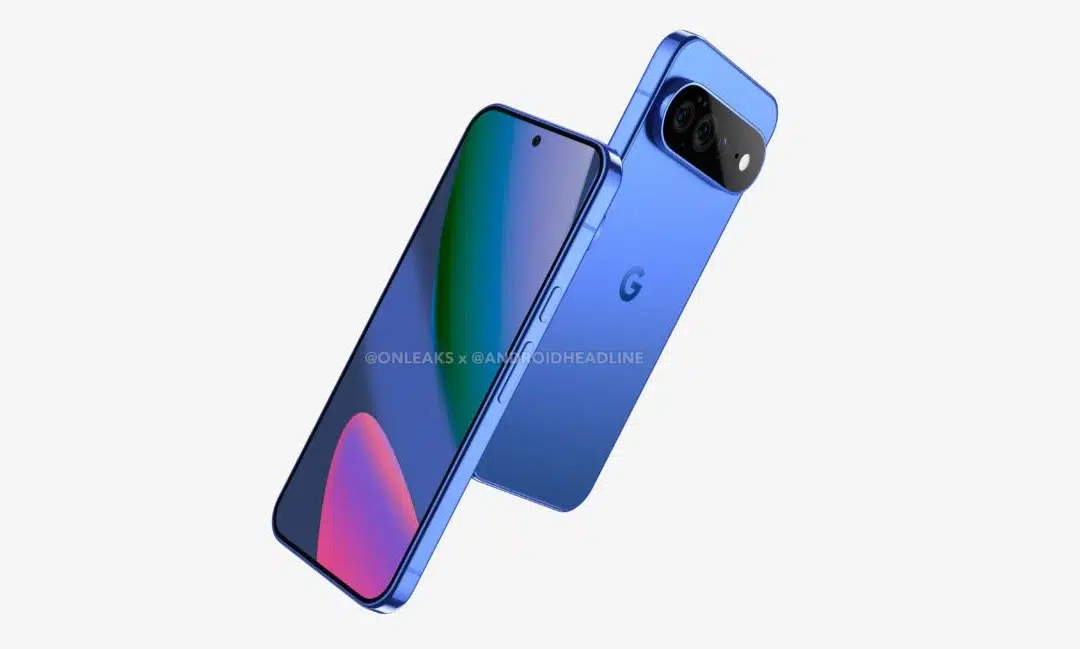
First Set of Pixel 11 Pro XL Renders Are Here
Pixel 11 Pro XL CAD renders show minimal design changes

Is Samsung Preparing One UI 8.5 Beta for Galaxy Z Fold 5 and Flip 5?
Samsung may launch a One UI 8.5 beta program for its 2023 foldables
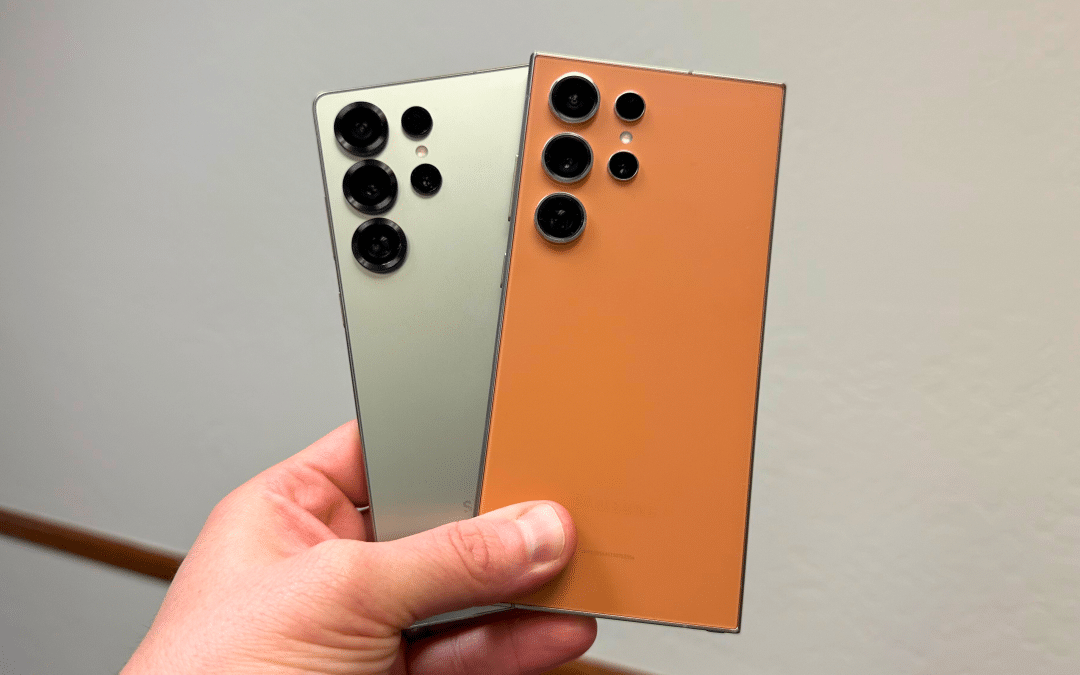
Galaxy S25 One UI 8.5 Beta May Run Longer Than Expected
Galaxy S25 series’ One UI 8.5 beta may stretch to 10 rounds