
Samsung’s Exynos 2600 May Be A Dark Horse In The GPU Race
Samsung will launch the Galaxy S26 series early next year, right on schedule, and it may come equipped with the Exynos 2600 chipset. At least, it looks that way. Whether the chipset will be used globally or limited to select regions remains unknown. Recently, the Exynos 2600 appeared on Geekbench, revealing its CPU specifications and performance. Now, the Exynos 2600’s GPU performance benchmarks have also surfaced.
Exynos 2600 GPU faster than Snapdragon 8 Elite, early benchmarks show
Reliable source Jukanlosreve shared an image of the 3DMark Steel Nomad Light GPU test, in which the Exynos 2600 score 3,135 points with an average of 23.23 frames per second. To put this into perspective, that makes it about 15% ahead of the Snapdragon 8 Elite’s score of 2,681 and 19.87 FPS. If true, this suggests that the Xclipse 960 GPU, based on AMD’s RDNA architecture, may be capable of outperforming Qualcomm’s Adreno 830 GPU. At least, in terms of raw graphics power.
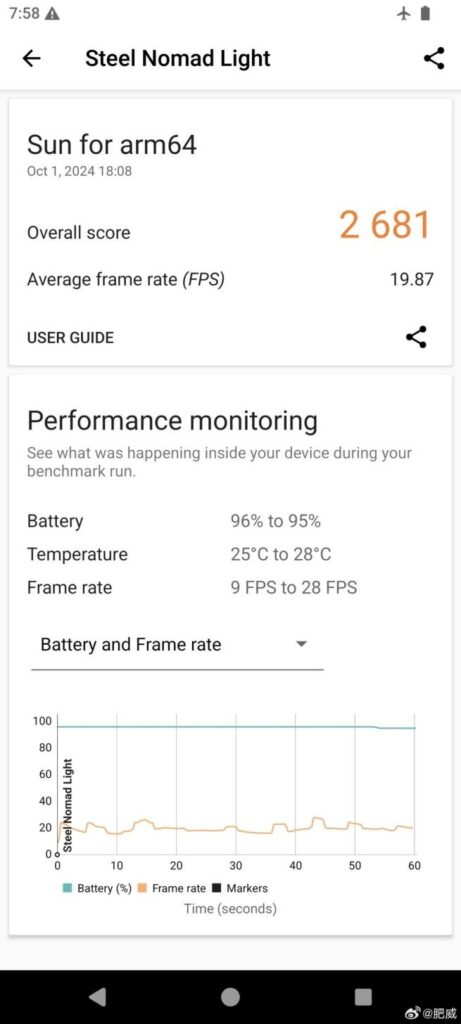
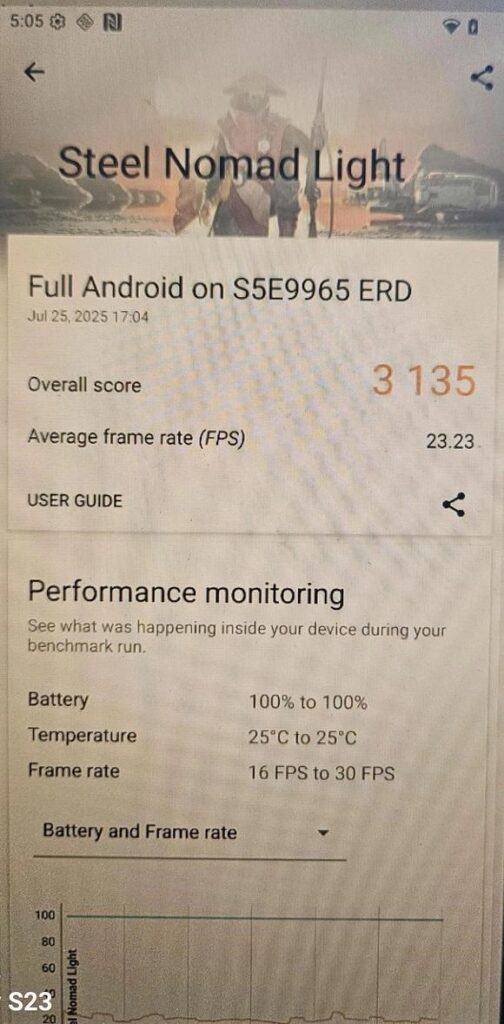
However, there are important caveats to consider. The Exynos 2600 was tested on a development board, not in a retail smartphone, which the source confirms. Test benches usually provide better thermal conditions and more efficient cooling, allowing chips to run at higher speeds without throttling. In contrast, real smartphones operate under tighter thermal and power constraints, which can affect sustained performance.
In addition, this version of the Exynos 2600 is likely not final. Samsung still has time to adjust clock speeds, power management, and thermal behavior before launch. Meanwhile, Qualcomm is expected to release a successor to the Snapdragon 8 Elite soon. Once that’s out and we’ve more concrete evidences, we can finally take the judgement.
Even so, this early benchmark is promising. If Samsung can maintain or improve this level of GPU performance in a real-world device, the Exynos 2600 could mark a significant step forward. What remains unclear, for now, is whether the chip is built on a 2nm or 3nm process.

Follow us on Google Discover & set us as a preferred source in Google News
Share this Post
___________________________


New Blog Posts
___________________________
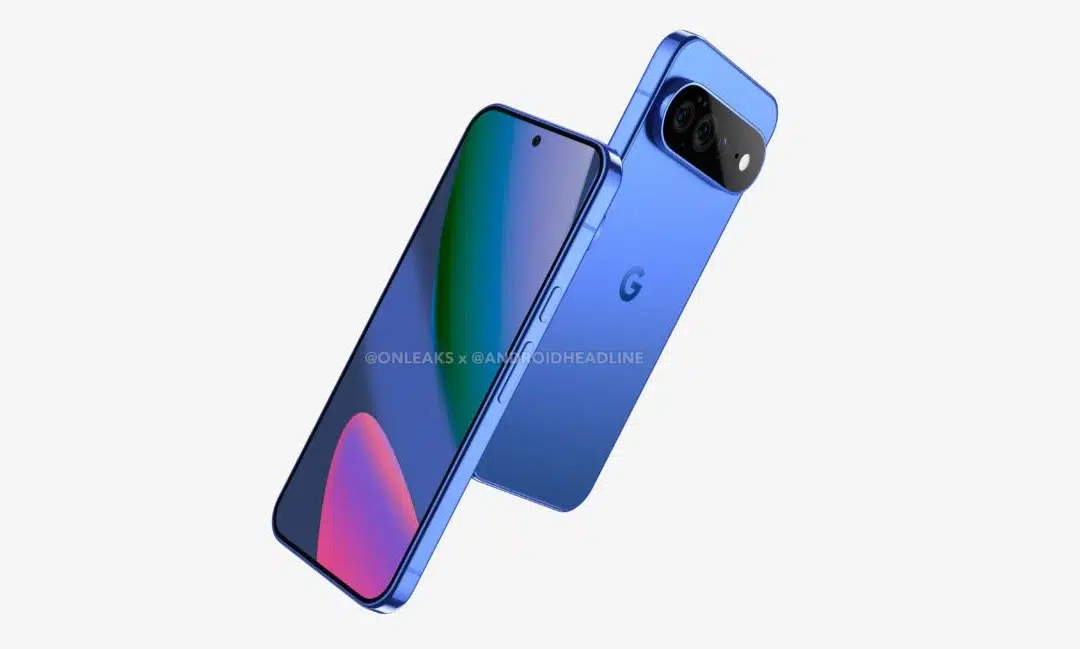
First Set of Pixel 11 Pro XL Renders Are Here
Pixel 11 Pro XL CAD renders show minimal design changes

Is Samsung Preparing One UI 8.5 Beta for Galaxy Z Fold 5 and Flip 5?
Samsung may launch a One UI 8.5 beta program for its 2023 foldables
Galaxy S25 One UI 8.5 Beta May Run Longer Than Expected
Galaxy S25 series’ One UI 8.5 beta may stretch to 10 rounds