Samsung’s 2026 HBM4 Production Sells Out as AI Demand Surges
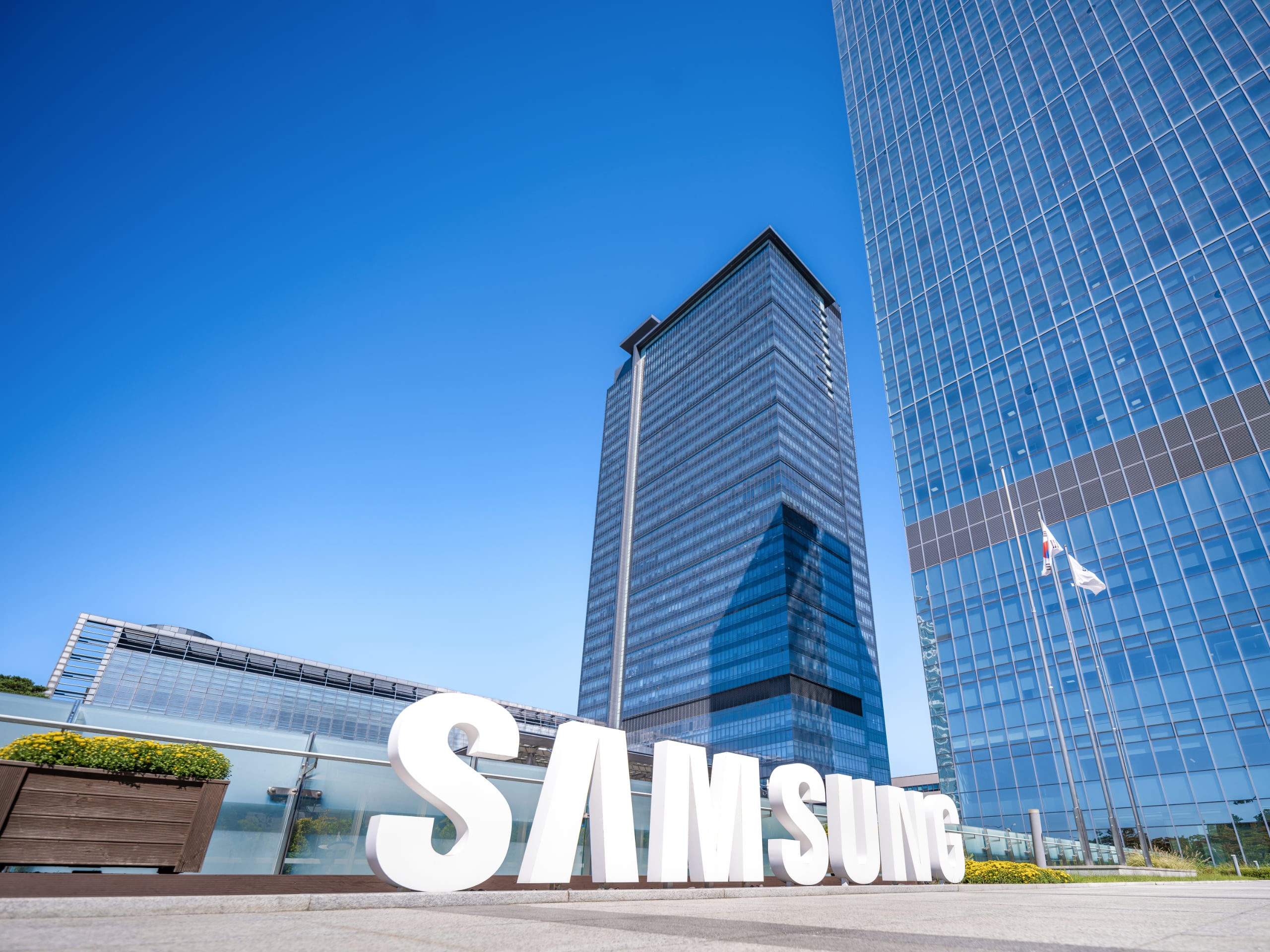
Samsung’s HBM business is finally performing well, all thanks to solid demand from the booming AI industry. The company has reportedly sold all of its planned 2026 production of its next-generation HBM4 chips. In addition, it recently began shipping HBM3E chips to Nvidia, a major breakthrough after months of struggling to pass quality tests.
Samsung ships HBM3E to Nvidia, pre-sells HBM4 chips for 2026
Samsung recently released its financial results for the third quarter of 2025, and the figure looks promising. The firm’s memory business achieved an all-time high in quarterly sales. In its earnings report, it confirmed that “HBM3E is currently in mass production and being sold to all related customers.” This suggests that the Korean memory maker has successfully stepped into Nvidia’s supply chain for fifth-generation HBM chips.
Meanwhile, Samsung’s 6th-generation HBM product, HBM4, is seeing solid demand from clients. The company already shipped samples of this cutting-edge memory chip to key clients for quality testing. It looks like the chip meets buyer requirements. And hence, they have begun placing pre-orders ahead of mass production.
“We’ve significantly expanded our HBM production for next year compared with this year, yet customer demand has already outpaced supply,” said Kim Jae-june, executive vice president of Samsung’s memory business, during the company’s recent third-quarter earnings call (via Kedglobal). “We’re considering further capacity expansion as orders continue to increase.”
Samsung plans to expand its production capacity for its 1c DRAM (core die for HBM4). Furthermore, the company aims to boost sales of DDR5, LPDDR5x, and high-capacity QLC SSDs. It expects the rapid expansion of AI infrastructure will increase demand for its high-value memory and advanced logic chips.
Lately, the gap between Samsung and the industry leader SK Hynix has widened in the global HBM market. Worse yet, Micron secured the second spot in the second quarter of 2025, while Samsung took the last place. The company now aims to take advantage of the AI boom to gain a foothold in this space.

Follow us on Google Discover & set us as a preferred source in Google News
Share this Post
___________________________


New Blog Posts
___________________________
First Set of Pixel 11 Pro XL Renders Are Here
Pixel 11 Pro XL CAD renders show minimal design changes
Is Samsung Preparing One UI 8.5 Beta for Galaxy Z Fold 5 and Flip 5?
Samsung may launch a One UI 8.5 beta program for its 2023 foldables
Galaxy S25 One UI 8.5 Beta May Run Longer Than Expected
Galaxy S25 series’ One UI 8.5 beta may stretch to 10 rounds