Samsung Wins Legal Battle Over Galaxy S22 Game Optimizing Service Controversy
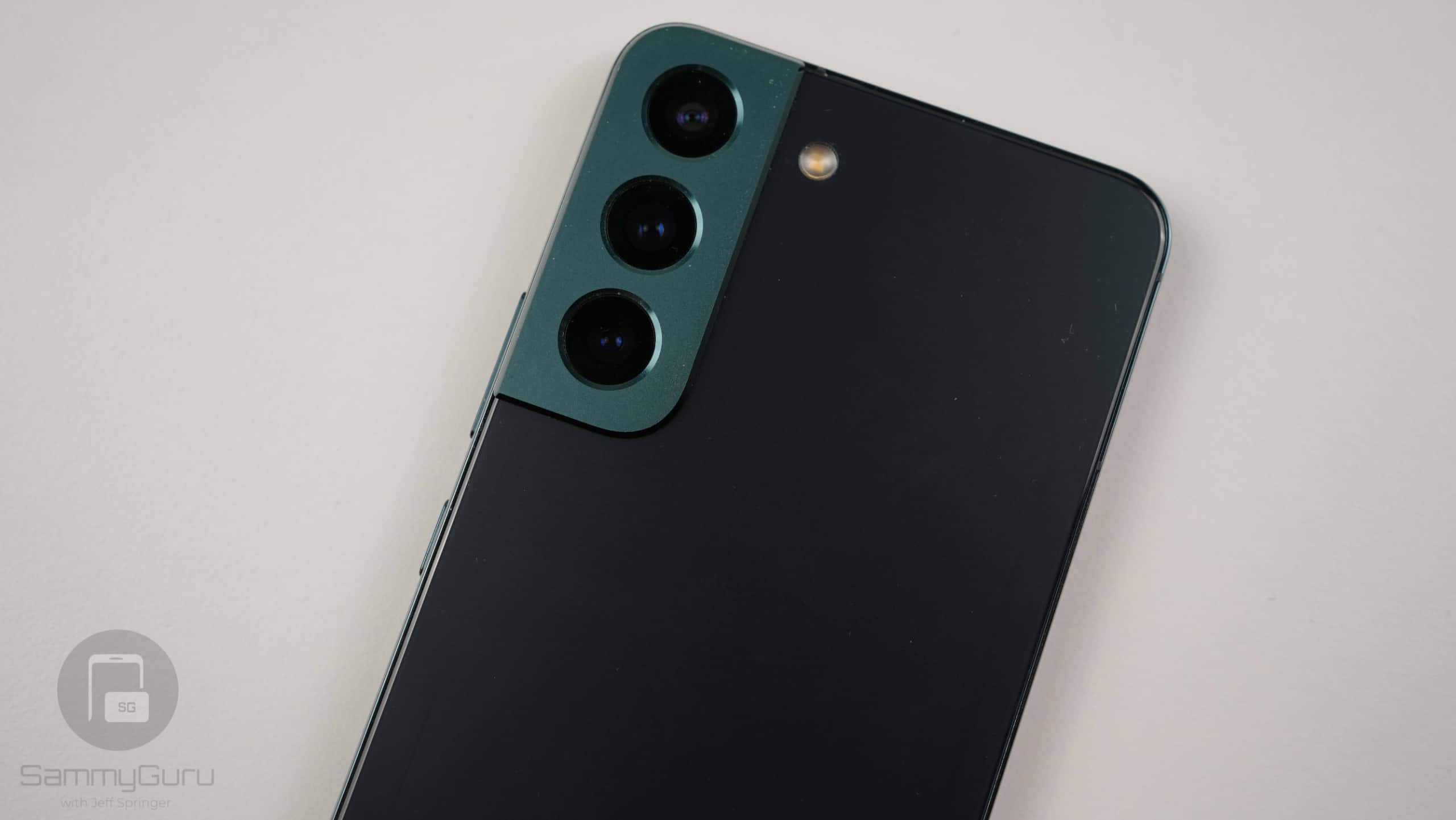
Samsung has cleared a legal hurdle over the company’s controversial Game Optimizing Service (GOS) on the Galaxy S22. The Seoul Central District Court today dismissed a lawsuit filed by 1,882 Galaxy S22 owners. The court ruled that while Samsung’s advertising could be interpreted as deceptive, as there was insufficient evidence of consumer damages.
Court dismisses consumer lawsuit against Samsung
A few days after the launch of the Galaxy S22 in 2022, users started complaining about the company’s Game Optimizing Service (GOS). GOS automatically reduces CPU and GPU performance to prevent overheating as well as improve battery life. While this feature helps to prevent overheating, several users complained that GOS causes a substantial drop in game performance. What’s more frustrating is that Samsung did not allow users to disable GOS manually, leading to widespread backlash.
As a result, some consumers filed a lawsuit against Samsung, demanding 300,000 won in damages per person. During the trial, the consumer side argued that with the Galaxy S22, the Korean company advertised the phone as having the best performance of its time and could normally use high-spec games. They said it constitutes misleading representation and advertising practices. Additionally, they also argued that Samsung didn’t tell the consumer about the GOS policy, which constitutes a violation of the law.
Regarding this lawsuit, on June 12, the Seoul Central District Court rejected all claims of the plaintiffs. The court noted, “The evidence submitted by the consumer side alone is insufficient to recognize that damages occurred to the consumers due to deceptive representation or advertising. It is difficult to view that Samsung Electronics has an obligation to inform the general consumers intending to purchase mobile devices about this policy regarding GOS.”
So, it’s a win for Samsung, as the company won’t have to compensate the users. As smartphone technology evolves, buyers also want more clarity from brands regarding how the device handles performance behind the scenes. This will build trust and help avoid similar controversies in the future.

Follow us on Google Discover & set us as a preferred source in Google News
Share this Post
___________________________


New Blog Posts
___________________________
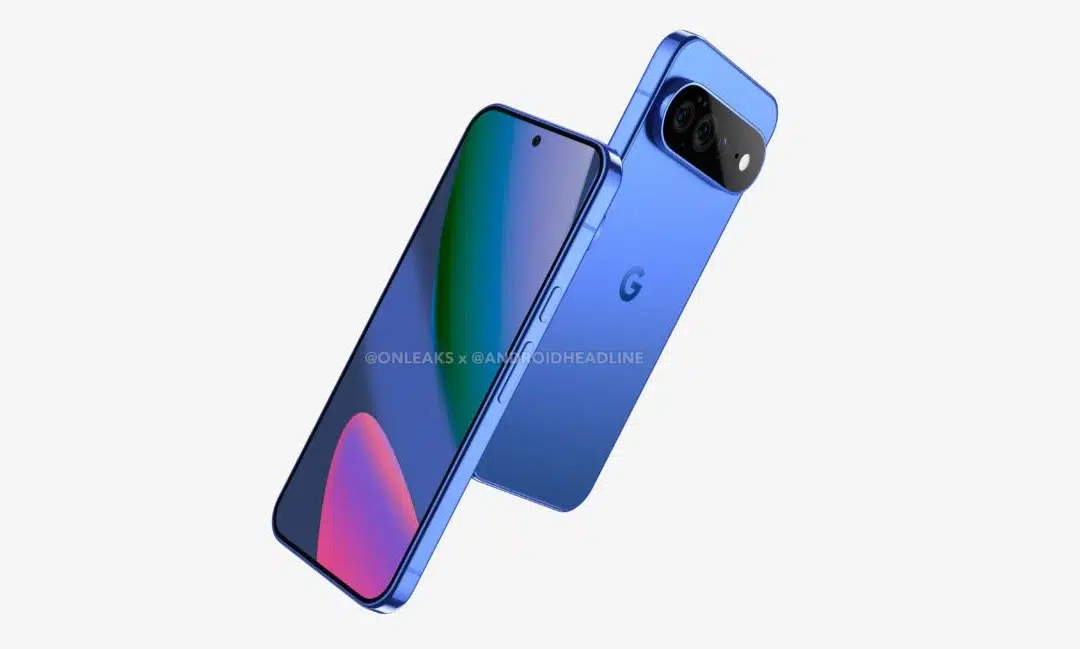
First Set of Pixel 11 Pro XL Renders Are Here
Pixel 11 Pro XL CAD renders show minimal design changes
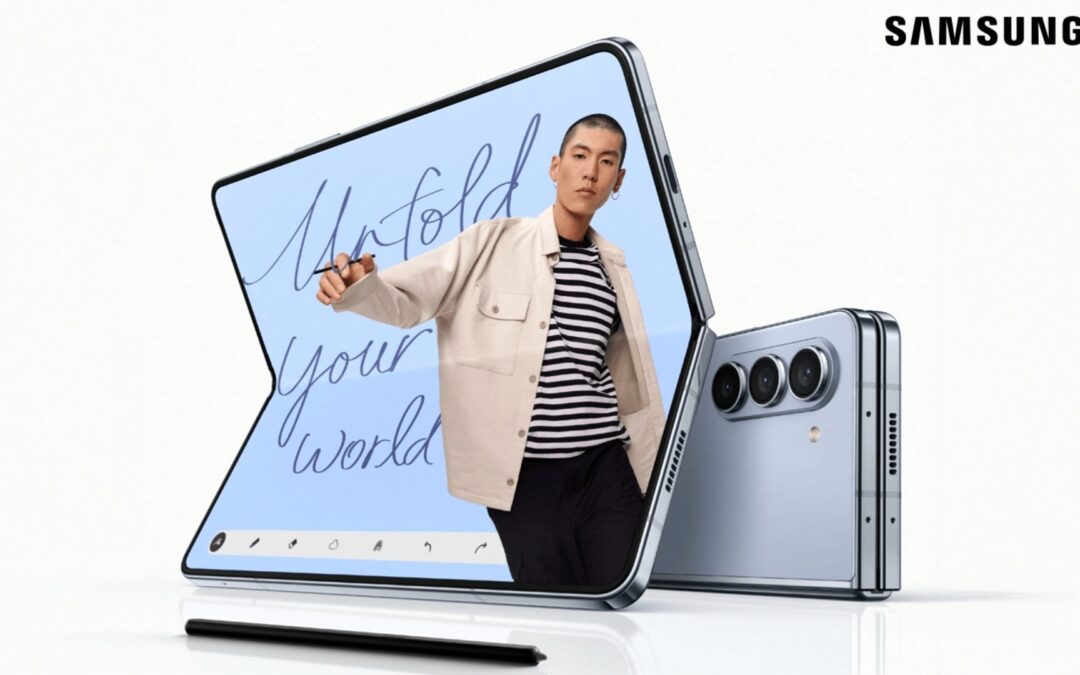
Is Samsung Preparing One UI 8.5 Beta for Galaxy Z Fold 5 and Flip 5?
Samsung may launch a One UI 8.5 beta program for its 2023 foldables
Galaxy S25 One UI 8.5 Beta May Run Longer Than Expected
Galaxy S25 series’ One UI 8.5 beta may stretch to 10 rounds