Samsung Warns Memory Shortages Could Push Device Prices Higher
SammyGuru is reader-supported. We have affiliate and sponsored partnerships, so we may earn a commission when you buy through links on our site — at no extra cost to you. Learn more.
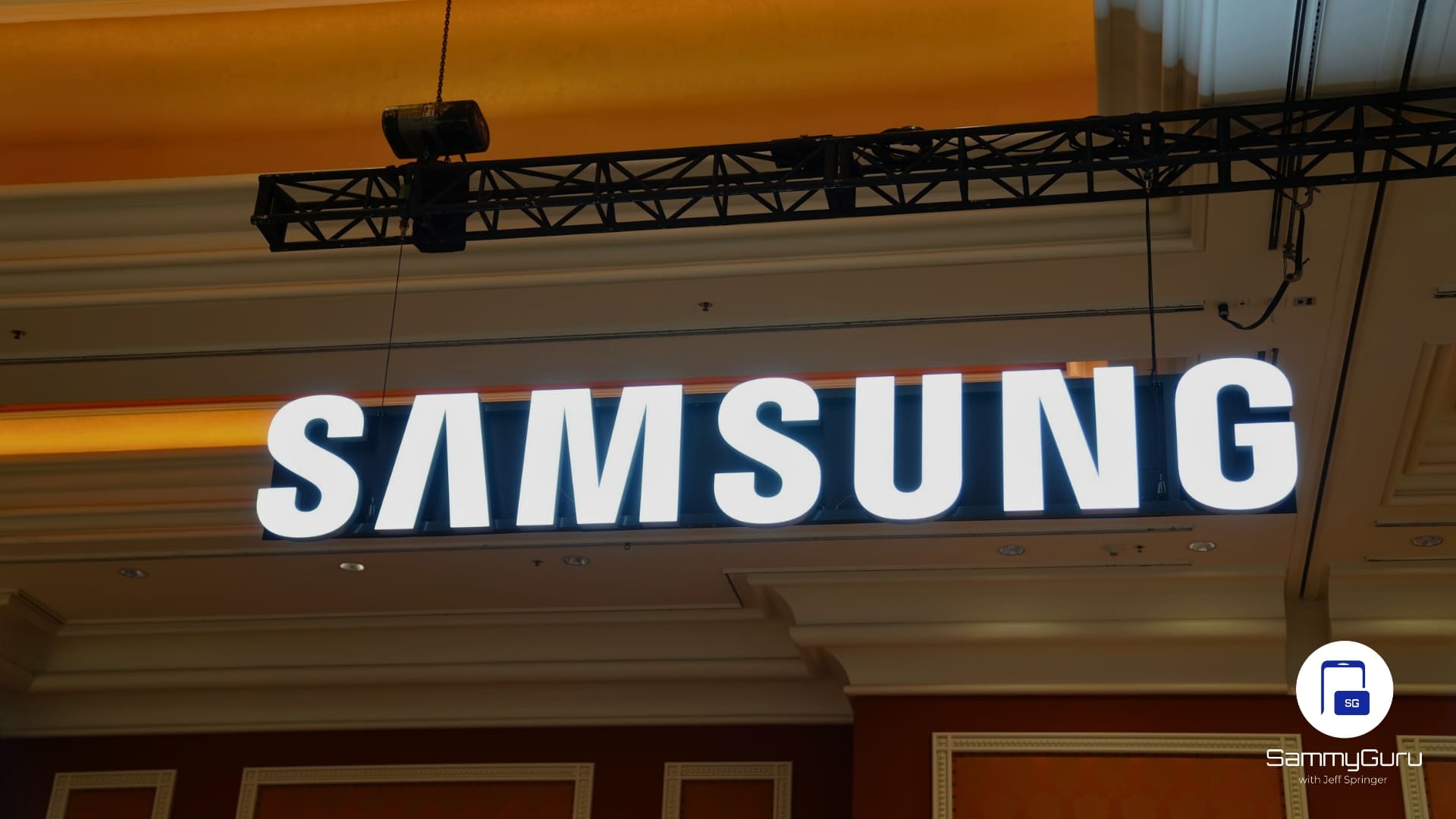
Samsung has warned that memory chip shortages could start pushing device prices higher in 2026. Speaking at CES 2026 in Las Vegas, a senior executive said supply pressure across the semiconductor industry is already building, and no manufacturer is fully shielded from it.
Samsung says rising component costs are getting harder to absorb
Wonjin Lee, Samsung’s President and Head of Global Marketing, told Bloomberg that memory supply challenges will affect the entire market, not just Samsung. While the company wants to shield customers from sudden price hikes, Lee admitted that rising component costs are becoming harder to absorb.
The main driver behind the shortage is massive demand from AI data centers. Modern AI servers rely heavily on high-bandwidth memory, which delivers higher margins for chipmakers than traditional DRAM used in phones, laptops, and other consumer electronics. As a result, manufacturers like Samsung are shifting more production capacity toward AI-focused memory, which is causing memory chip shortages.
That shift is already showing up in pricing. Memory components became noticeably more expensive toward the end of 2025, with contract prices jumping sharply in some segments. Market watchers expect pricing pressure to continue into 2026 as demand stays strong and new production capacity takes time to ramp up.
For Samsung, this creates a delicate balancing act. The company ships huge volumes of smartphones, tablets, TVs, PCs, and home appliances, all of which depend on memory chips. If component costs keep climbing, maintaining current retail prices could start eating into margins.
Put simply, this could mean higher prices for your next phone, PC, TV, or home appliance. Other manufacturers have already hinted at upcoming price increases. There are also rumors that the Galaxy S26 could get more expensive, though not in the US. That may be due to the stronger US dollar, which can help offset higher component costs.

Written by
Abhinav AnandAbhinav Anand is the News Editor at SammyGuru and a technology journalist based in New Delhi. Before joining SammyGuru, he contributed to numerous outlets, including Android Headlines, ExtremeTech, The Mac Observer, Financial Express, Economic Times, iGeeksBlog, KnowTechie, PhonesWiki, SlashGear, and more. You can reach him at abhinav@sammyguru.com.

Follow us on Google Discover & set us as a preferred source in Google News
Share this Post
___________________________


New Blog Posts
___________________________
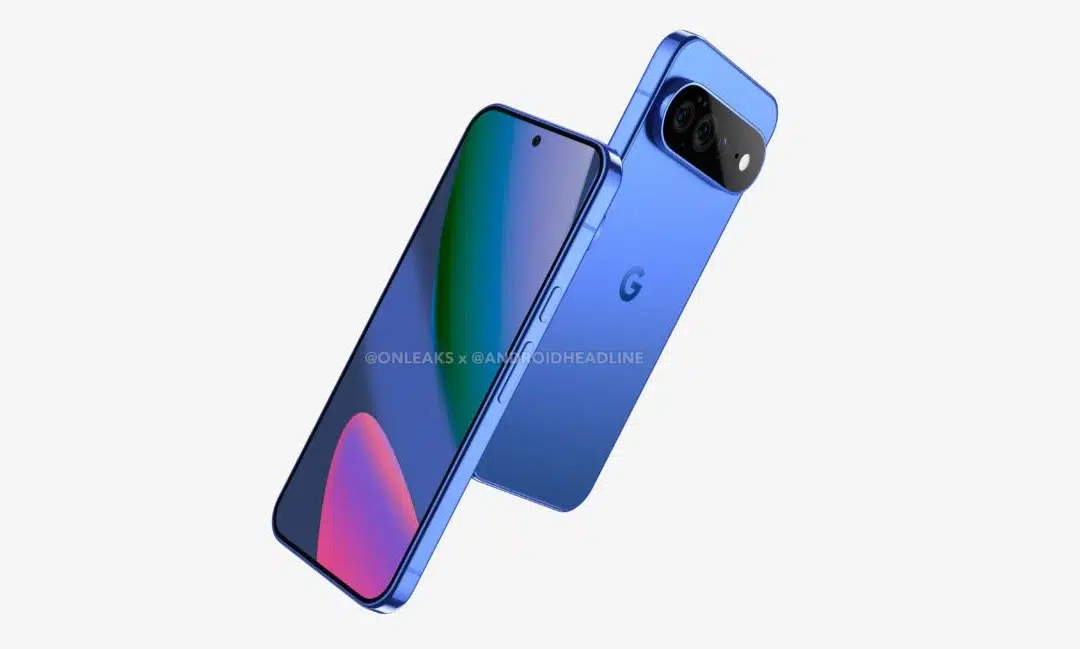
First Set of Pixel 11 Pro XL Renders Are Here
Pixel 11 Pro XL CAD renders show minimal design changes
Is Samsung Preparing One UI 8.5 Beta for Galaxy Z Fold 5 and Flip 5?
Samsung may launch a One UI 8.5 beta program for its 2023 foldables
Galaxy S25 One UI 8.5 Beta May Run Longer Than Expected
Galaxy S25 series’ One UI 8.5 beta may stretch to 10 rounds