Galaxy S26 Ultra Offers Virtual Aperture Across all Lenses — But S25 Ultra Users Still Have Something
SammyGuru is reader-supported. We have affiliate and sponsored partnerships, so we may earn a commission when you buy through links on our site — at no extra cost to you. Learn more.
Samsung expanded Virtual Aperture across all lenses on the Galaxy S26 Ultra. But if your device is limited to synthetic blur control on 1x and 2x only, that does not mean you are stuck. Because, before software blur, there is optical blur. And optical blur is physics.
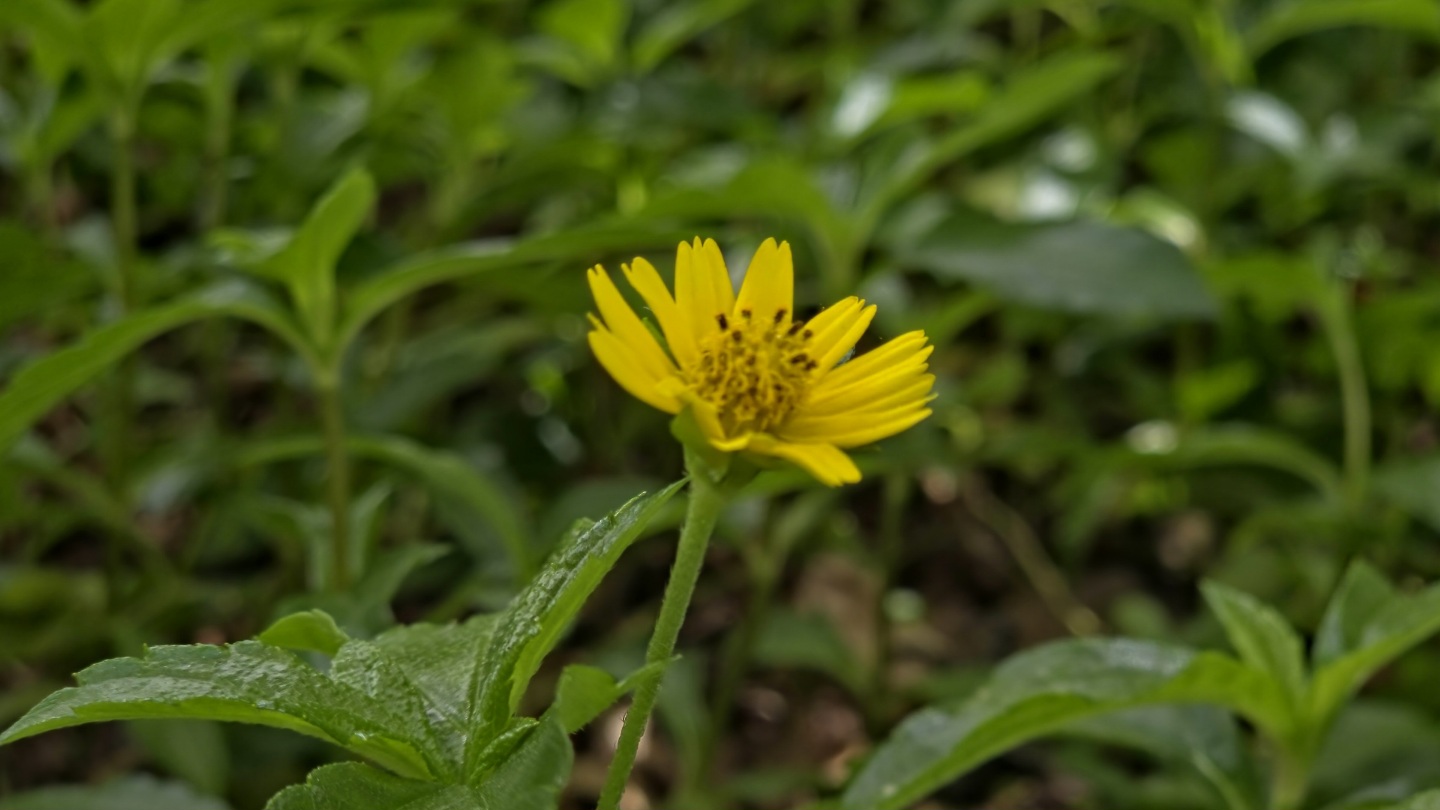
S25 Ultra 5x far distance. Not portrait, not virtual aperture.
All sample images are straight-out-of-camera files captured on the Galaxy S25 Ultra via Expert RAW. No additional editing, retouching, or post-processing was applied.
What “Bokeh” Actually Means
Bokeh is not just background blur. It is the aesthetic quality of out-of-focus rendering. Today, smartphones create it in three ways:
- Natural (Optical) Bokeh — real depth of field, governed by sensor size, focal length, aperture, and distance relationships.
- Portrait Mode — depth-map segmentation isolates the subject and artificially blurs the background.
- Virtual Aperture — a more advanced computational simulation that dynamically adjusts blur strength with refined depth modeling.
Portrait and Virtual Aperture are software interpretations, while Natural bokeh is geometry. And geometry behaves differently depending on distance. When your subject is physically close to the lens, the depth of field becomes shallow. Even smaller sensors can create noticeable separation. But that is not our focus today, but long-distance blur is.
Far Subject Blur — The Real Challenge
When your subject stands several meters away, the depth of field expands dramatically. Background separation weakens. Everything begins to look equally sharp. This is where many people assume that only big sensors can create cinematic separation. But that’s not entirely true. Depth of field depends on:
- Sensor size
- Real focal length
- Aperture
- Subject distance
- Background distance
In modern smartphones, one of the most talked-about telephoto architectures is the 200MP 1/1.4-inch class sensor, commonly associated with Samsung’s HP5-type designs. Paired with 70mm–85mm equivalent optics, it absolutely can produce real optical separation at moderate distances. So yes, a 1/1.4-inch telephoto can generate authentic background blur.
Of course, as the subject distance increases, the depth of field increases. Optical blur strength decreases. Even a 1/1.4-inch smartphone sensor will eventually lose strong separation at far distances. This is not brand-specific. It is geometry: Smaller sensors lose separation earlier, while larger sensors hold it longer. They both obey physics.
However, as mentioned above, sensor size alone doesn’t determine everything. Modern camera systems operate with depth-aware processing pipelines. This does not mean they are adding fake blur like Portrait Mode. But when optical blur begins to weaken at longer distances, the system does not simply accept the flattening of depth. It analyzes spatial layers in real time and identifies the dominant focus plane.
The system them subtly reinforces that plane, not by inventing blur or violating physics, but by emphasizing separation through perception. Instead of masking the background, the system can:
- Prioritize precision on the subject plane
- Slightly reduce the micro-contrast outside it
- Control tonal transitions around edges
- Soften background detail rendering subtly
- Enhance clarity exactly where focus is locked
It cannot create true optical blur when the subject and background share identical depth. But when small depth differences still exist, it can amplify them. It can guide the eye and strengthen the separation that optics already begun.
That computational reinforcement of focus priority is why some telephoto shots appear deeper than raw geometry alone would predict. It is not synthetic bokeh. It is computational emphasis layered onto real depth. And philosophically, that sits very close to what Virtual Aperture does, just without explicitly simulating aperture blades. Physics defines the ceiling, but algorithms determine how close you get to it.
So, Why Does Virtual Aperture Exist?
Because physics has limits. When scene geometry does not allow a shallow depth of field, simulation steps in. Virtual Aperture enables controlled blur strength even when optics alone cannot provide it. It is adjustable, and predictable.
With the Galaxy S26 Ultra, Samsung has expanded Virtual Aperture across all lenses, turning it from a limited effect into a fully scalable creative instrument. But it is not the only path to separation. Galaxy S25 Ultra users can still rely on manual focus.
-
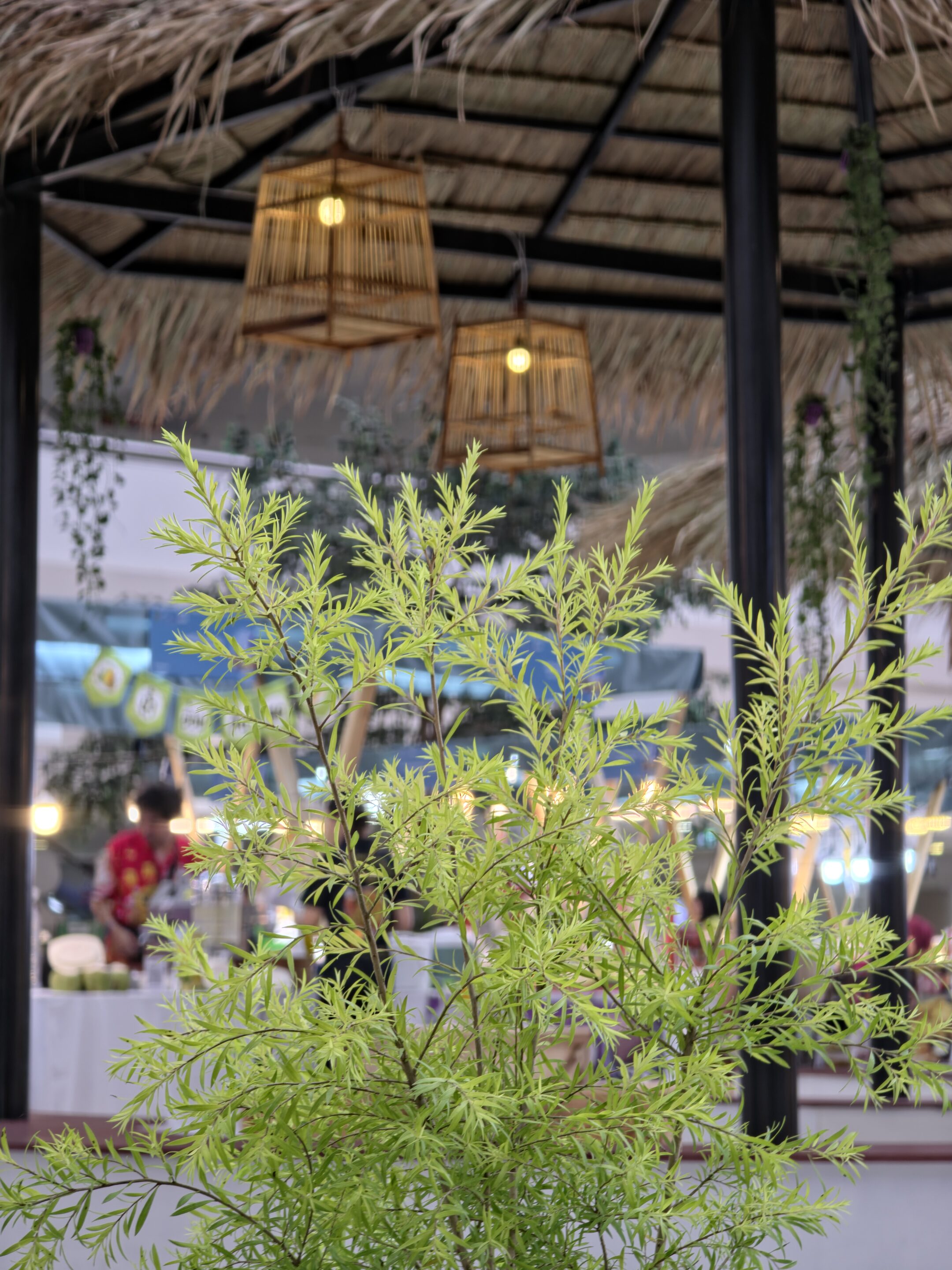
- S25U 3x manual focus
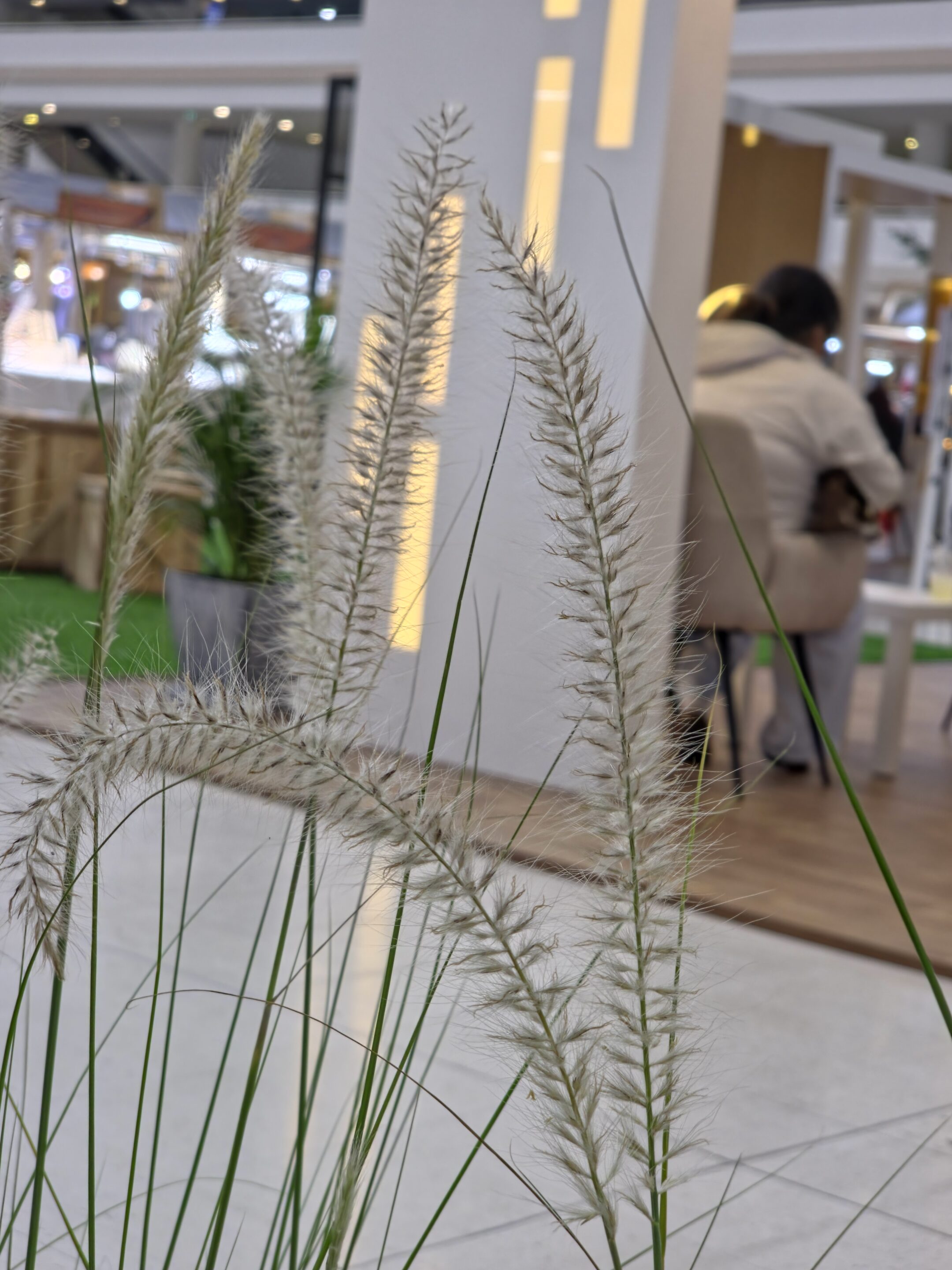
-
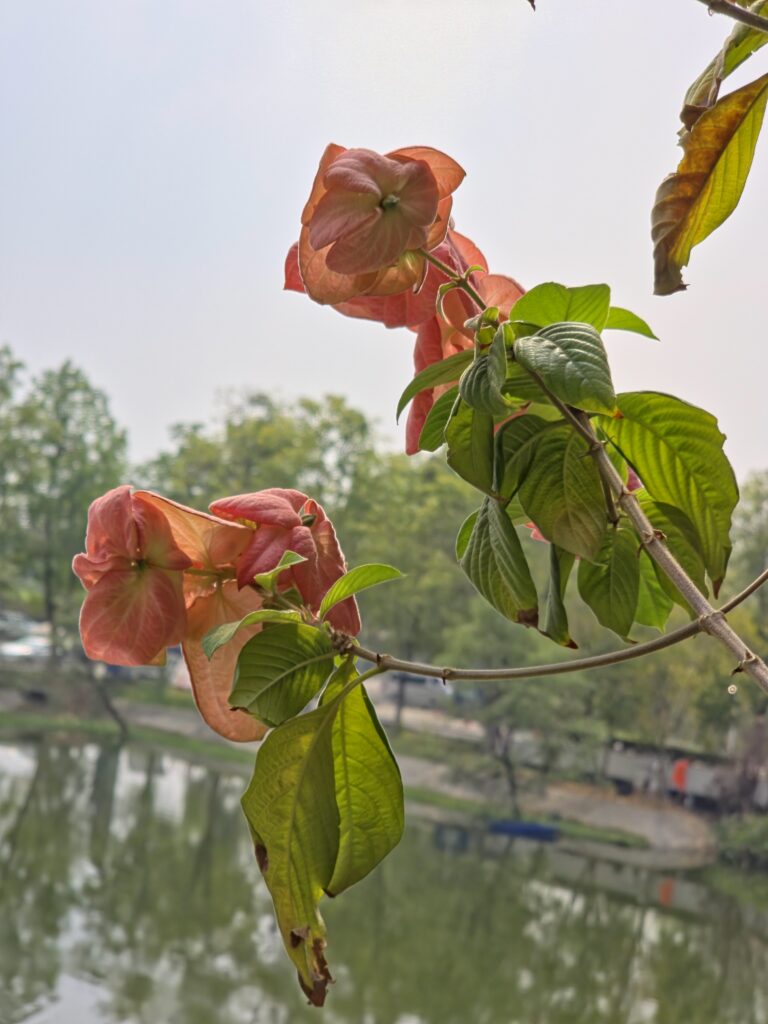
- S25U 3x manual focus
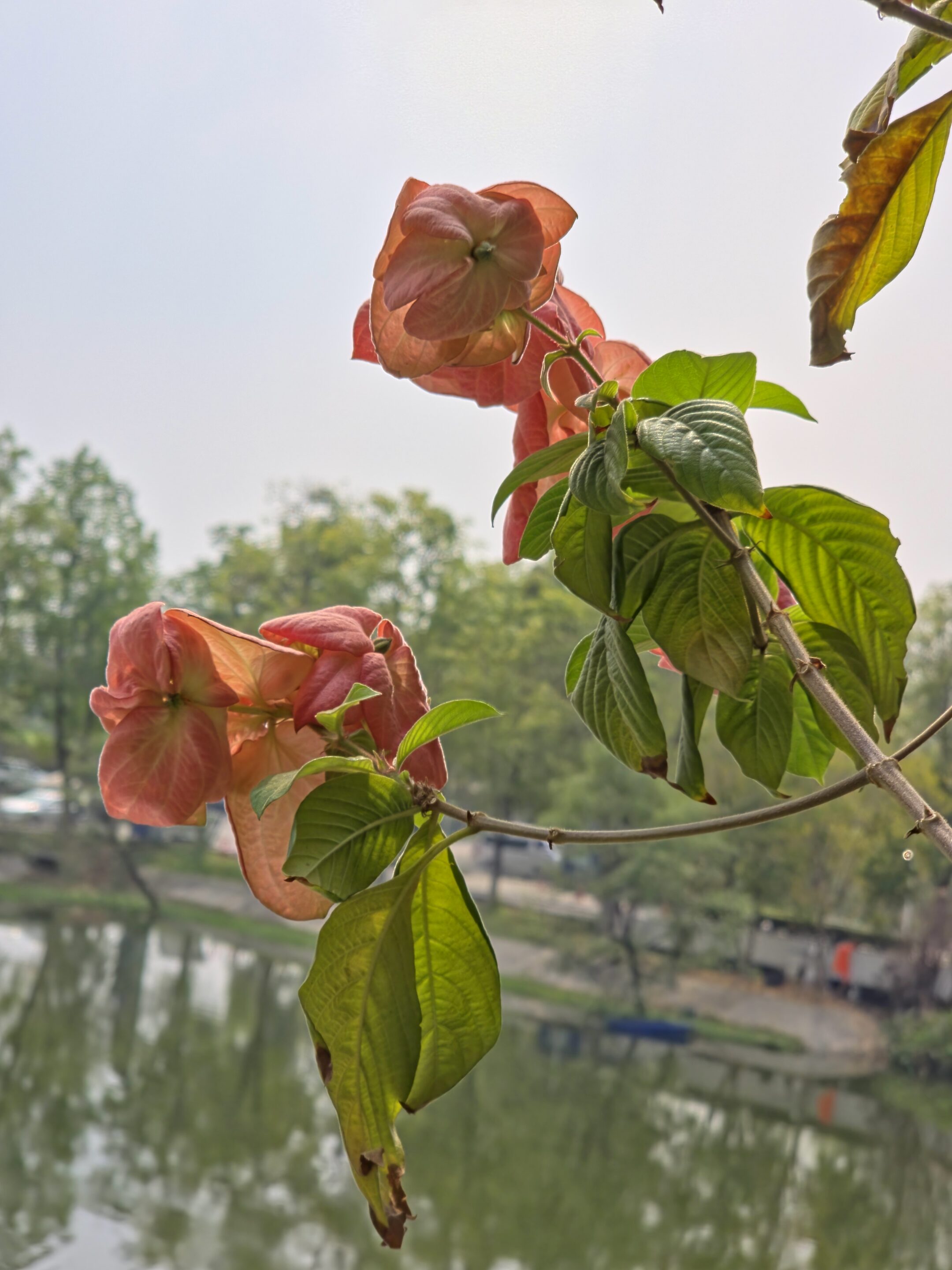
-
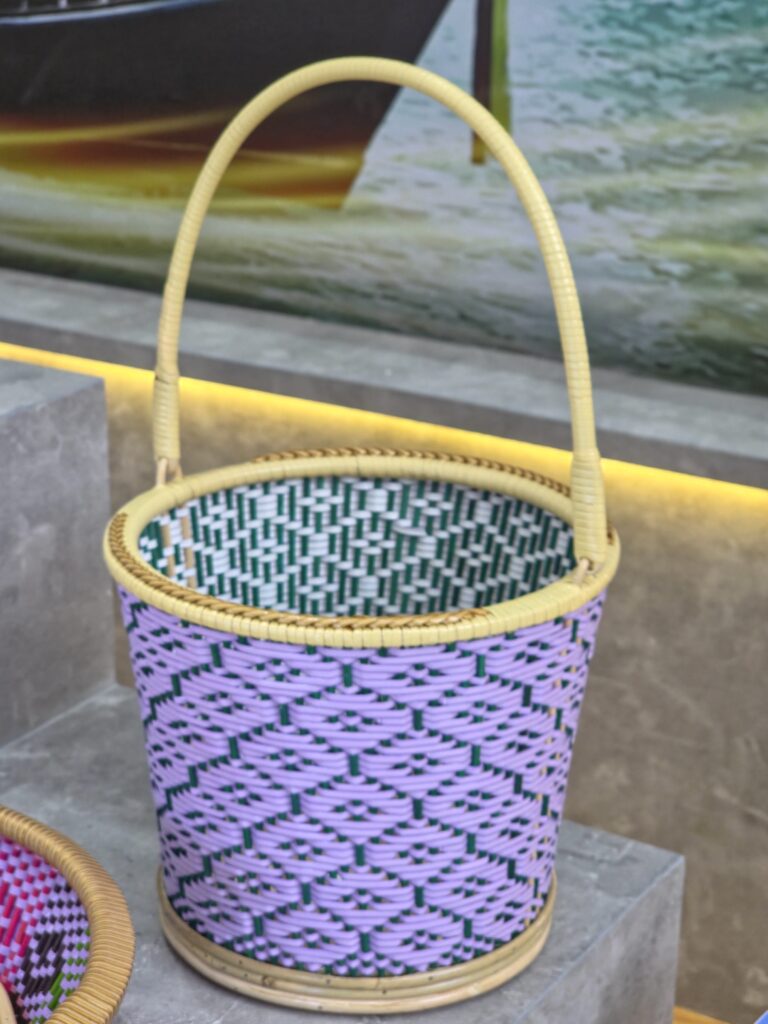
- S25U 3x manual focus
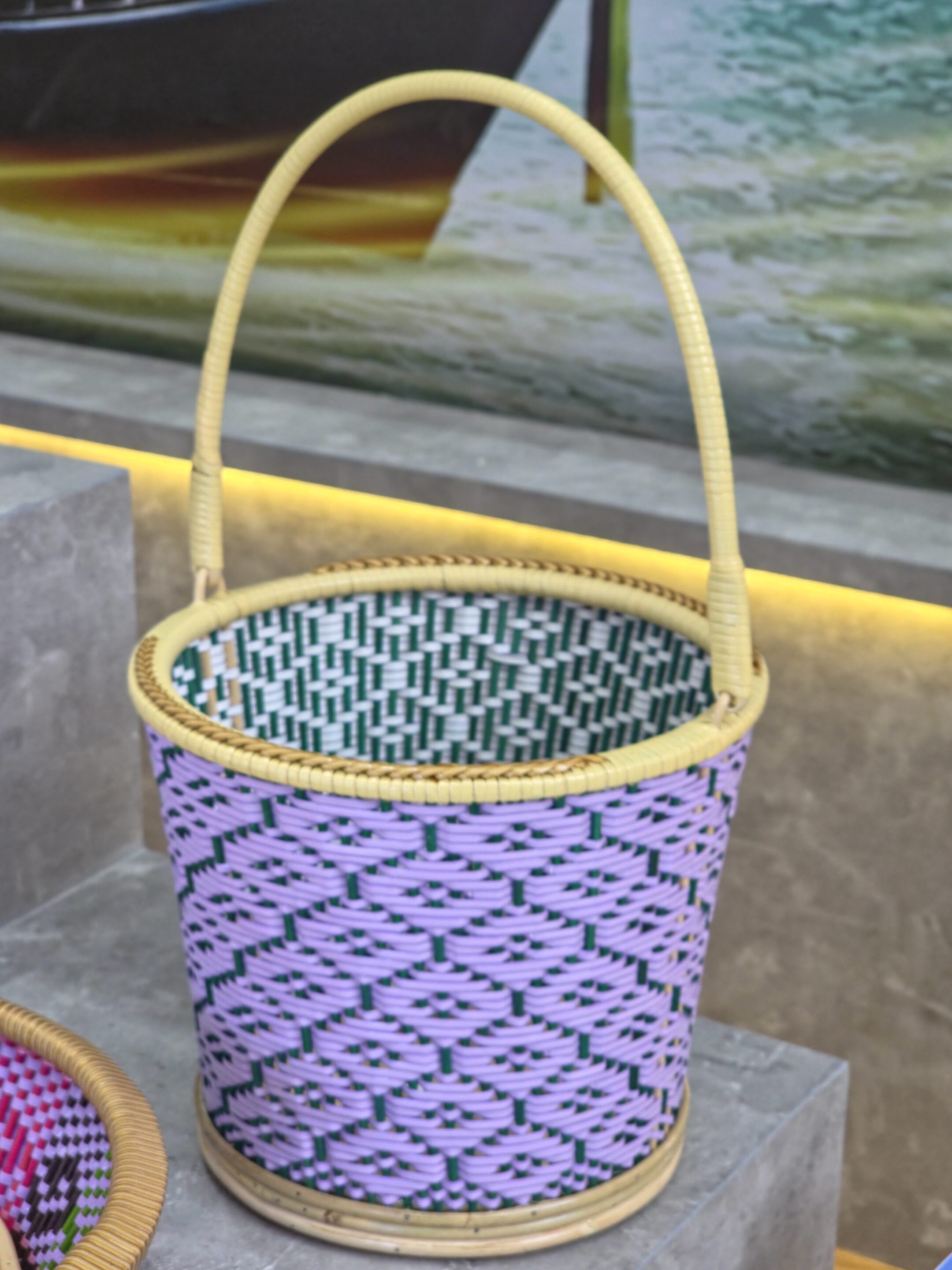
-
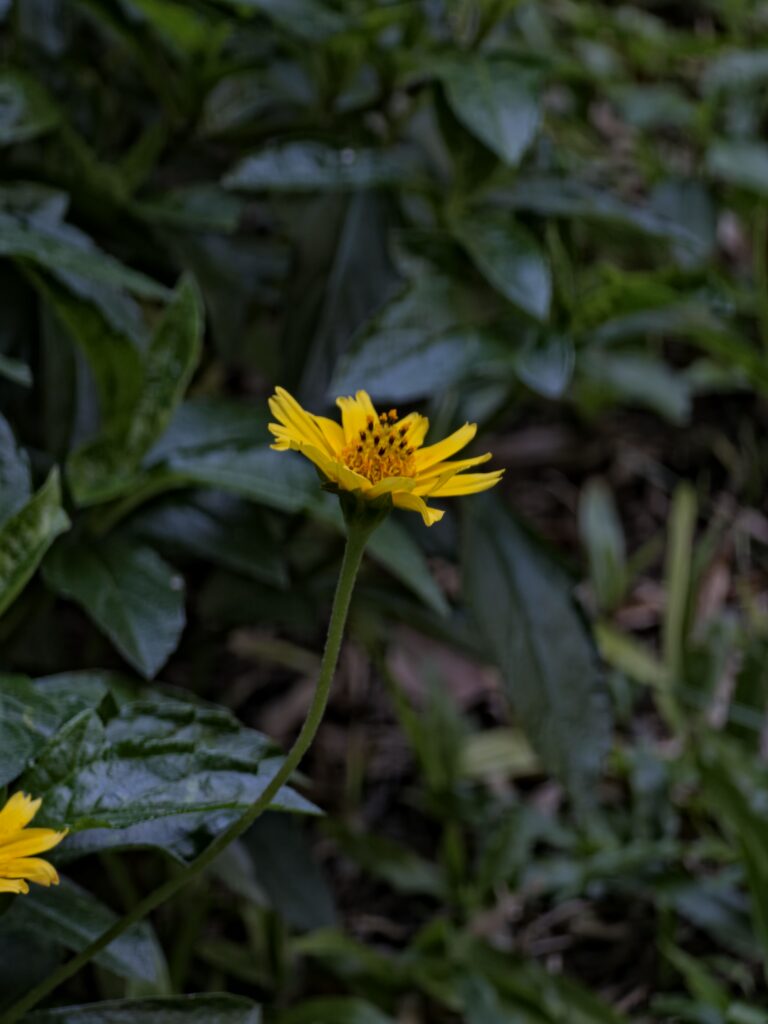
- S25U 5x manual focus
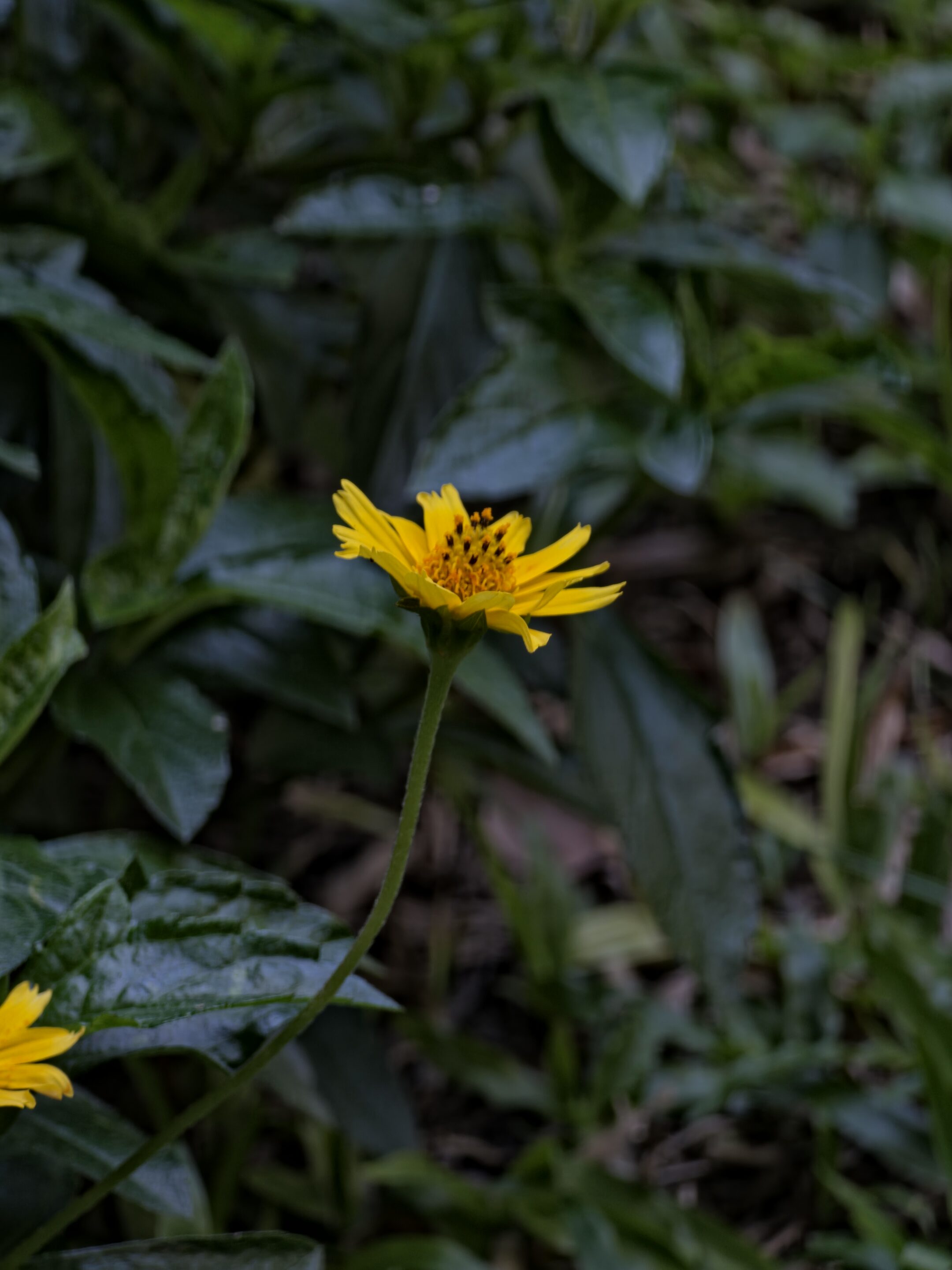
-
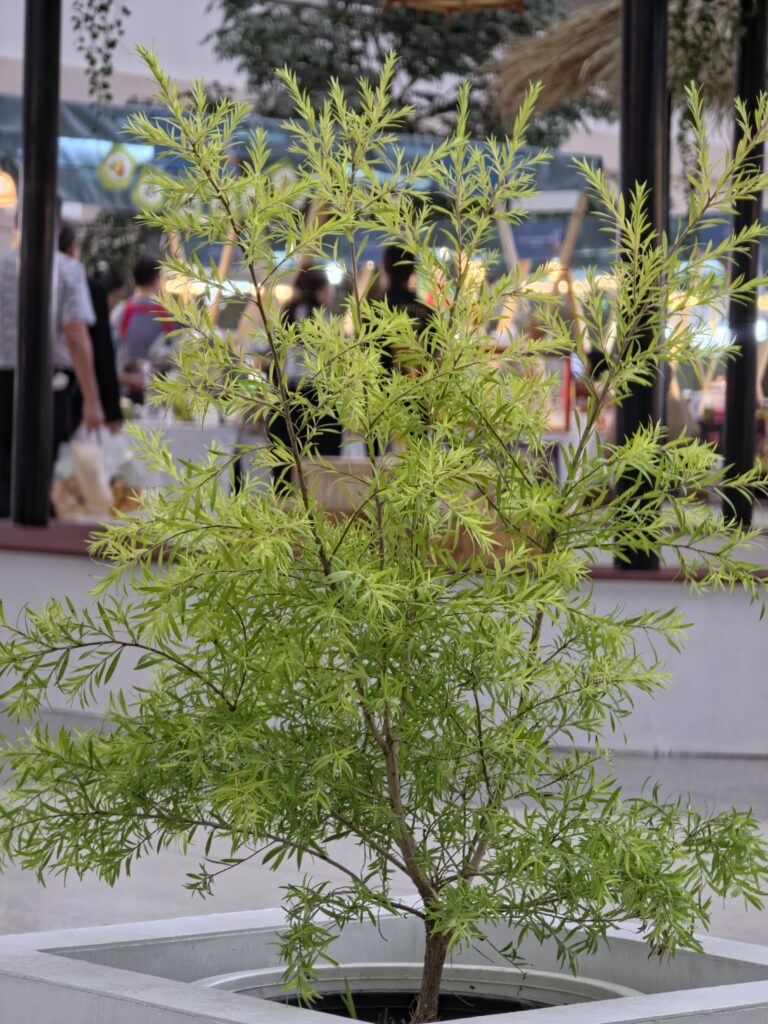
- S25U 5x manual focus
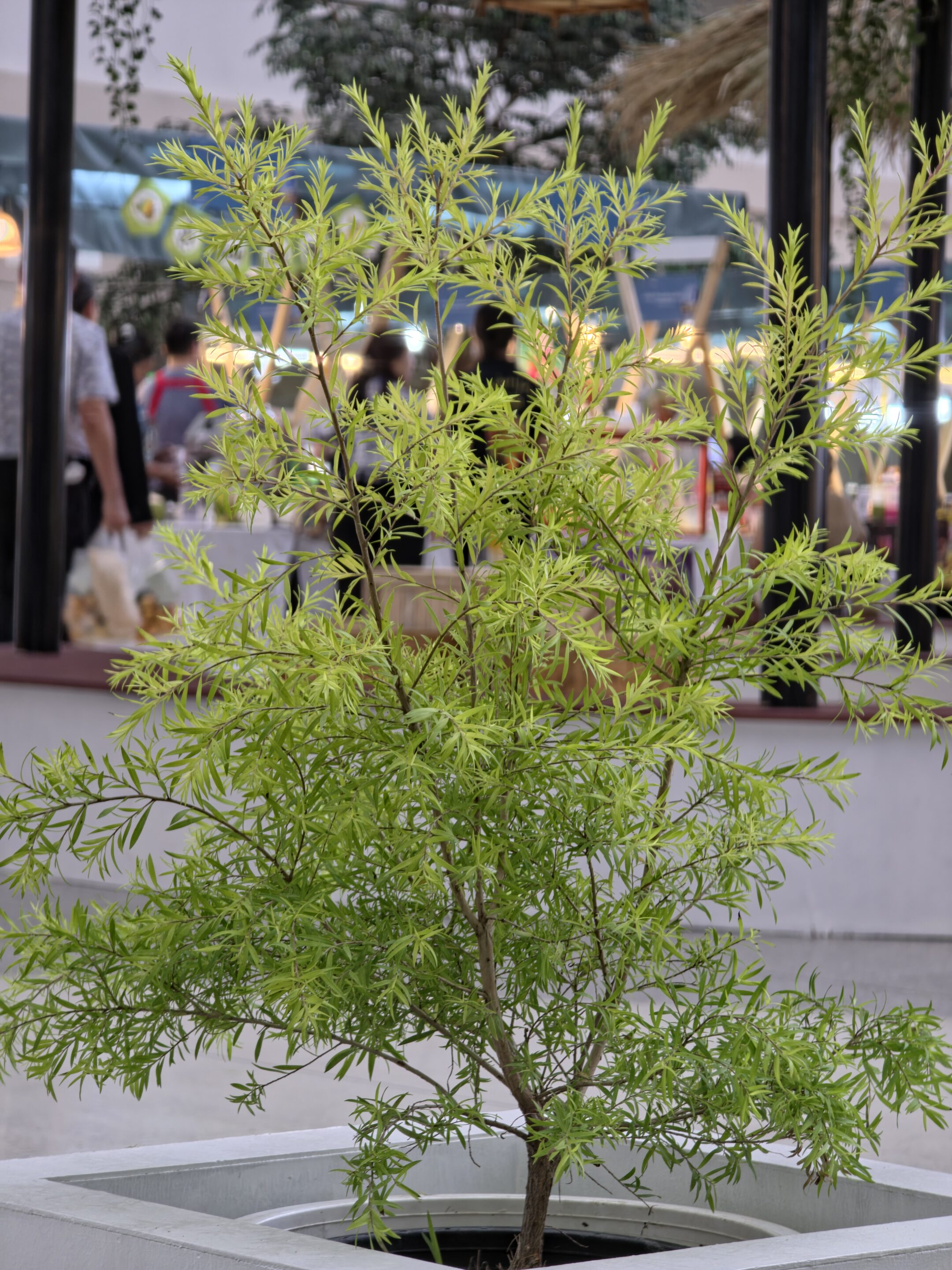
-
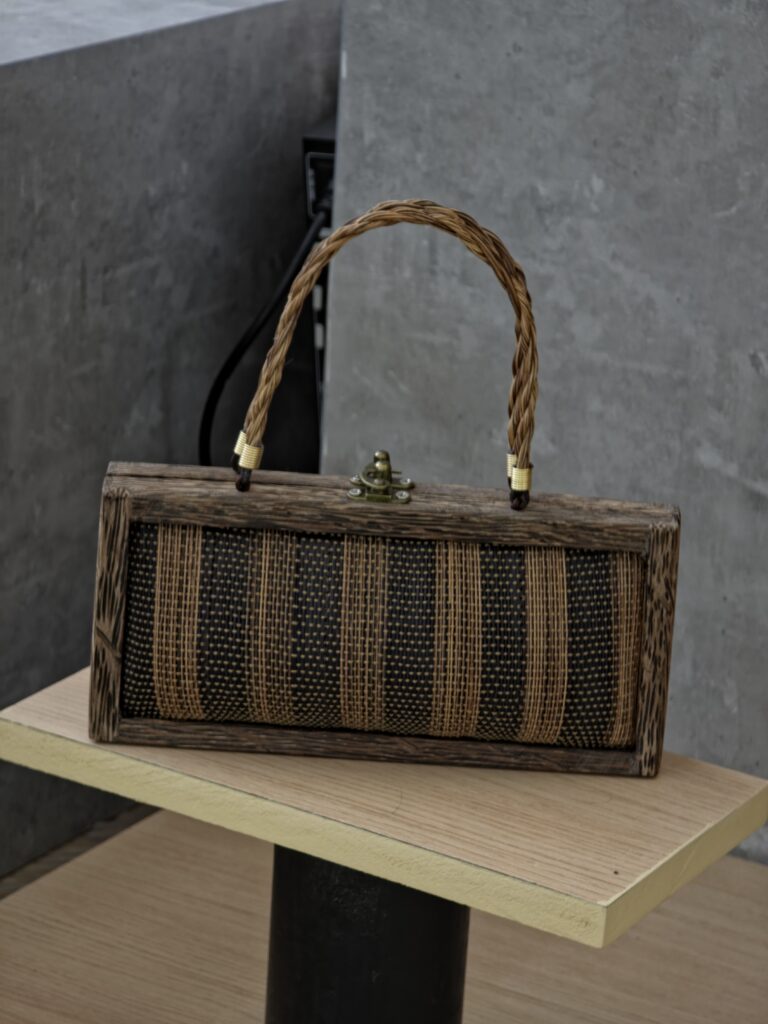
- S25U 3x manual focus
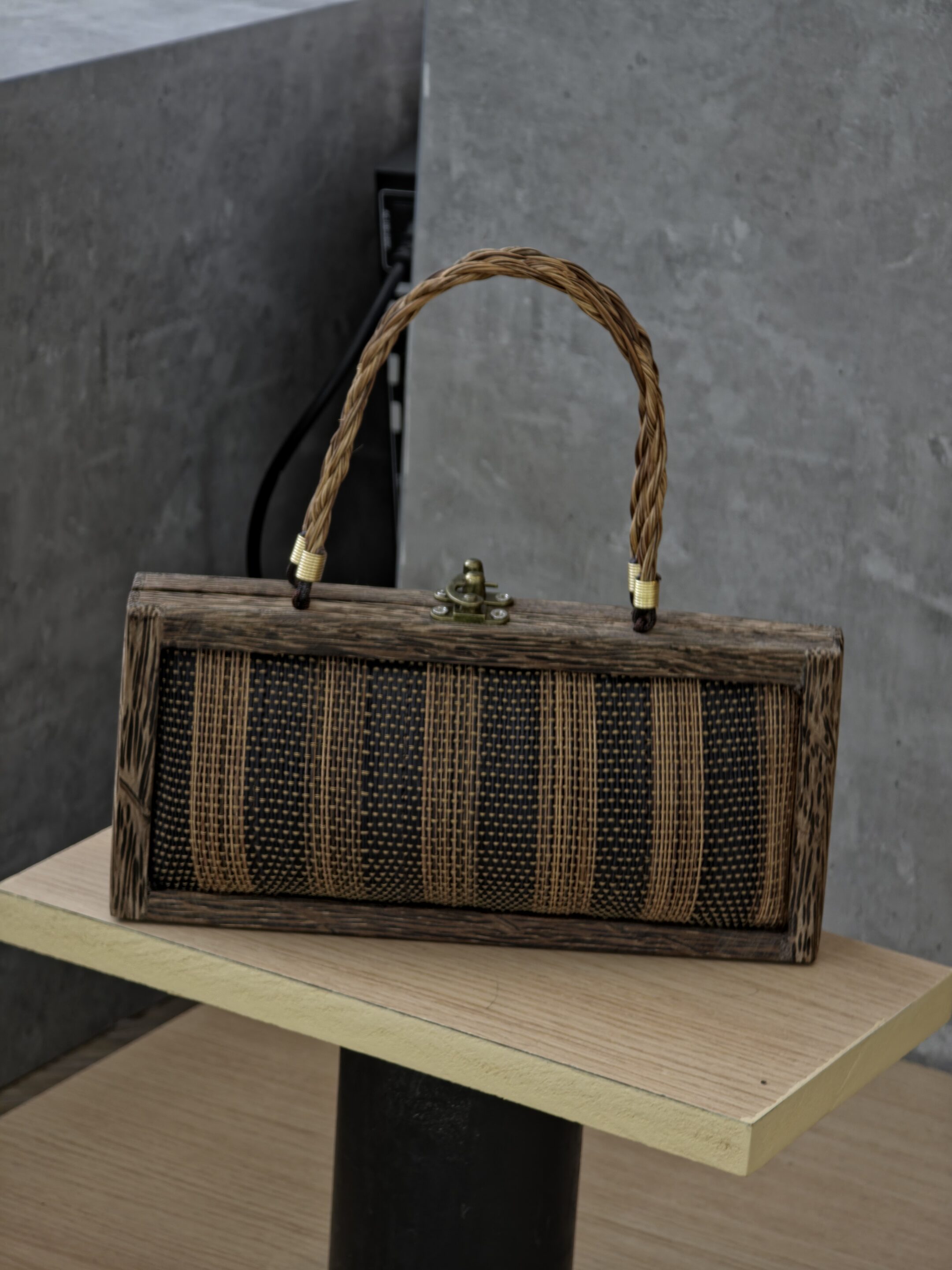
Manual focus is not just for macro shots. It is a depth-of-field positioning tool. When you adjust focus manually, especially within mid-range distances, you are intentionally repositioning the focal plane. You are deciding what lives inside sharpness and what falls outside it. Avoid default infinity focus. Avoid letting the system flatten the scene. Instead, place focus precisely on your subject’s distance.
When optical blur is subtle, correct focus placement becomes critical:
- Even without Portrait Mode
- Even without Virtual Aperture
- Even with smaller sensors
You are working directly with geometry. You are maximizing the separation physics allows. And sometimes, that intentional placement creates more convincing depth than automated blur ever could. A 1/1.4-inch telephoto can absolutely create real optical separation at certain distances. But no smartphone escapes depth-of-field mathematics at far range.
- The difference is timing
- The difference is tolerance
- The difference is how long physics allows the illusion to live
Once you understand that, you stop chasing blur. You start controlling it. Virtual Aperture is powerful. But manual focus is your hidden weapon. And sometimes, manual control beats automation.


Follow us on Google Discover & set us as a preferred source in Google News
Share this Post
___________________________


New Blog Posts
___________________________
First Set of Pixel 11 Pro XL Renders Are Here
Pixel 11 Pro XL CAD renders show minimal design changes
Is Samsung Preparing One UI 8.5 Beta for Galaxy Z Fold 5 and Flip 5?
Samsung may launch a One UI 8.5 beta program for its 2023 foldables
Galaxy S25 One UI 8.5 Beta May Run Longer Than Expected
Galaxy S25 series’ One UI 8.5 beta may stretch to 10 rounds