Samsung to Pay Compensation in Galaxy S22 GOS Lawsuit
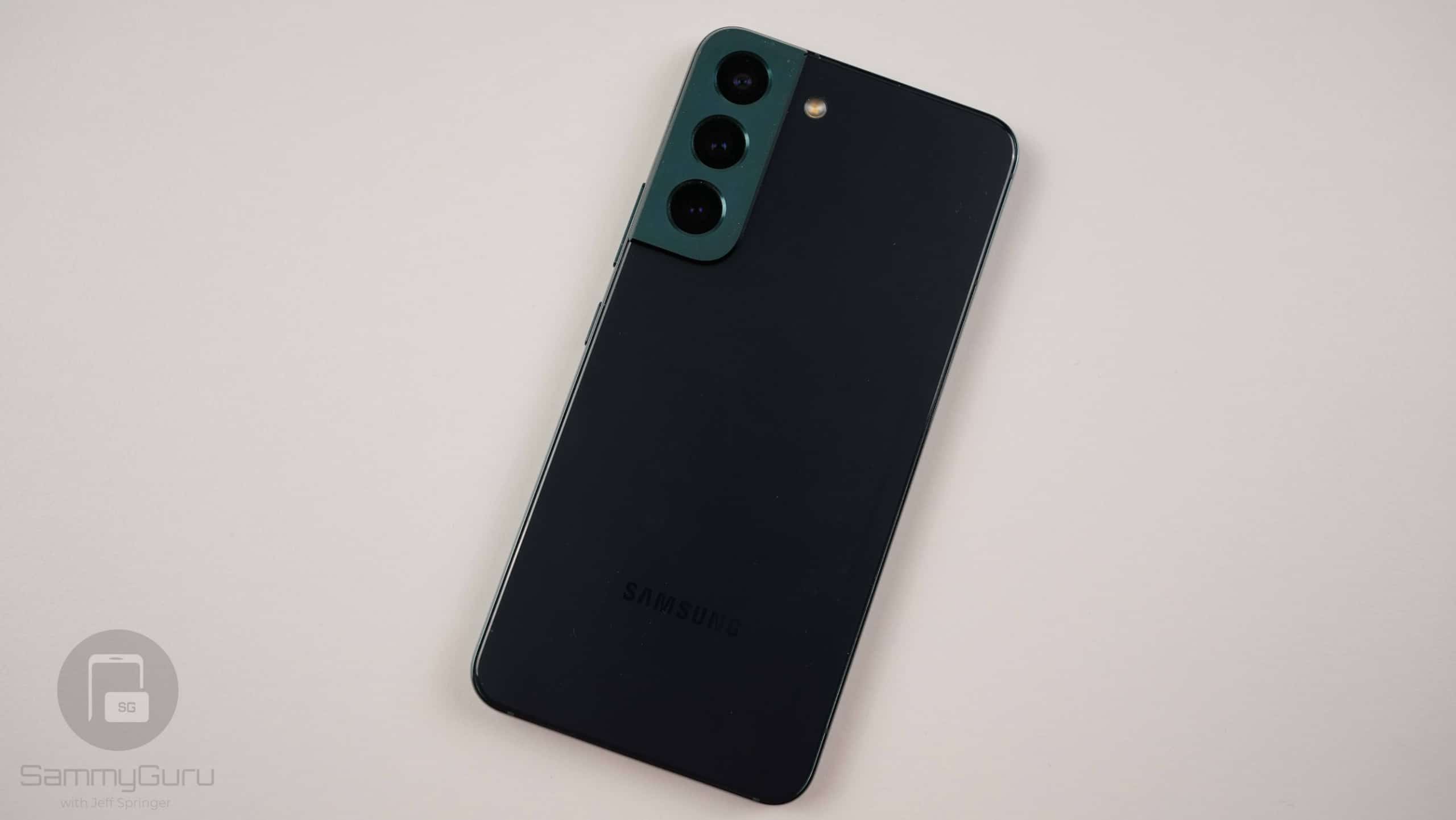
Samsung has long been involved with the Galaxy S22’s Game Optimizing Service (GOS) case. The dispute has finally ended, though it did not go the company’s way. The court ordered the Korean firm to pay compensation to the plaintiffs. It comes after a four-year legal battle about the phone’s performance.
The court issued forced mediation in the Galaxy S22 GOS case
Launched in 2022, the Samsung Galaxy S22 series became controversial because of its GOS. The feature automatically reduced the CPU and GPU performance during heavy tasks like gaming. While this helped prevent overheating and improve battery life, many users said that the company did not inform them about the limitations. More importantly, there was no way to disable GOS, further fueling user frustration.
In March 2022, a group of 1,882 consumers filed a lawsuit against Samsung at the Seoul Central District Court. They argued that the company failed to tell the impact of GOS, which degrades device performance. Each plaintiff wanted compensation of 300,000 Korean won. In the first trial, the court found Samsung’s deceptive representation or advertising. However, it did not agree to impose a compensation order due to insufficient evidence.
During the appeal trial in December 2025, the court recommended that both sides reach a settlement through mediation. However, they failed to do so, even after three mediation sessions. As a result, the court issued a forced mediation decision, and it went in favour of the consumers. Samsung will pay a certain amount to the plaintiffs, though the exact figure has not yet been disclosed.
For the uninitiated, a forced mediation decision is a court-ordered solution that ends a case when both parties fail to reach an agreement. This finally brings the legal battle between Samsung and the consumers to an end. This shows how important it is for an OEM to highlight not only the benefits of features but also their drawbacks. For example, we have seen this with the Galaxy S26 Ultra, which highlights the subtle limitations of its Privacy Display.

Follow us on Google Discover & set us as a preferred source in Google News
Share this Post
___________________________


New Blog Posts
___________________________
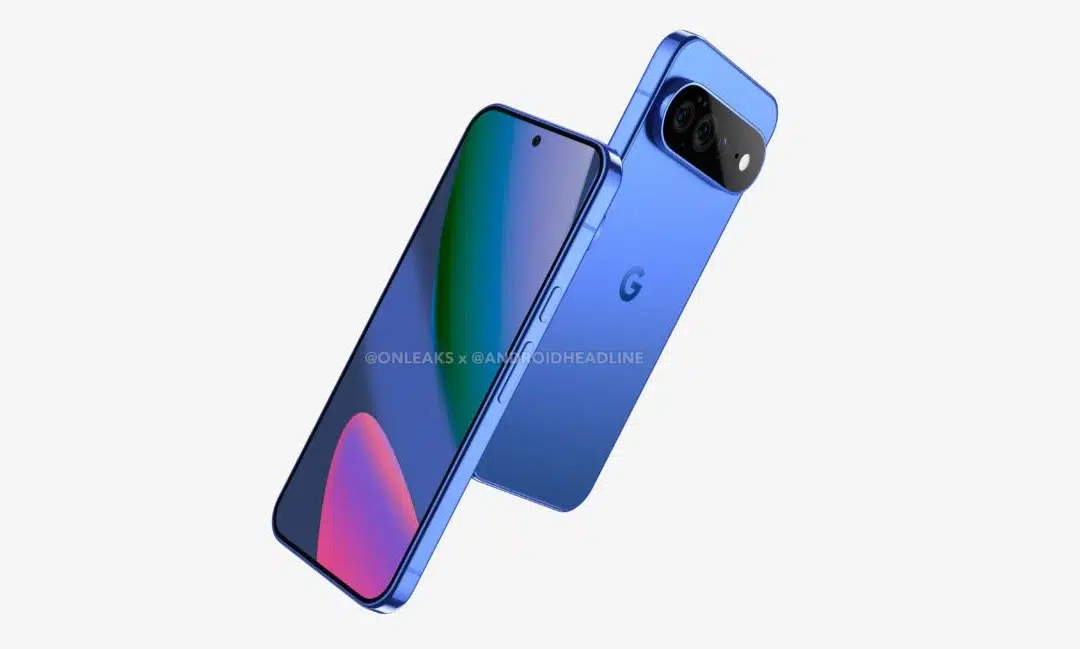
First Set of Pixel 11 Pro XL Renders Are Here
Pixel 11 Pro XL CAD renders show minimal design changes
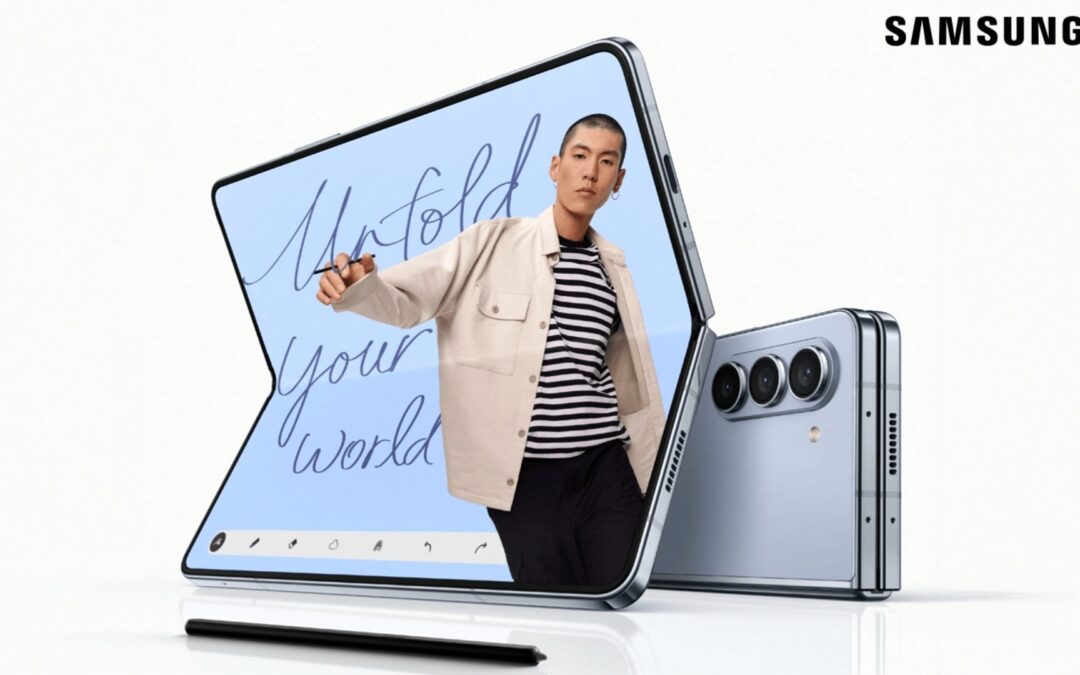
Is Samsung Preparing One UI 8.5 Beta for Galaxy Z Fold 5 and Flip 5?
Samsung may launch a One UI 8.5 beta program for its 2023 foldables
Galaxy S25 One UI 8.5 Beta May Run Longer Than Expected
Galaxy S25 series’ One UI 8.5 beta may stretch to 10 rounds