
Samsung Teases Exynos 2600 for Galaxy S26 – What to Expect
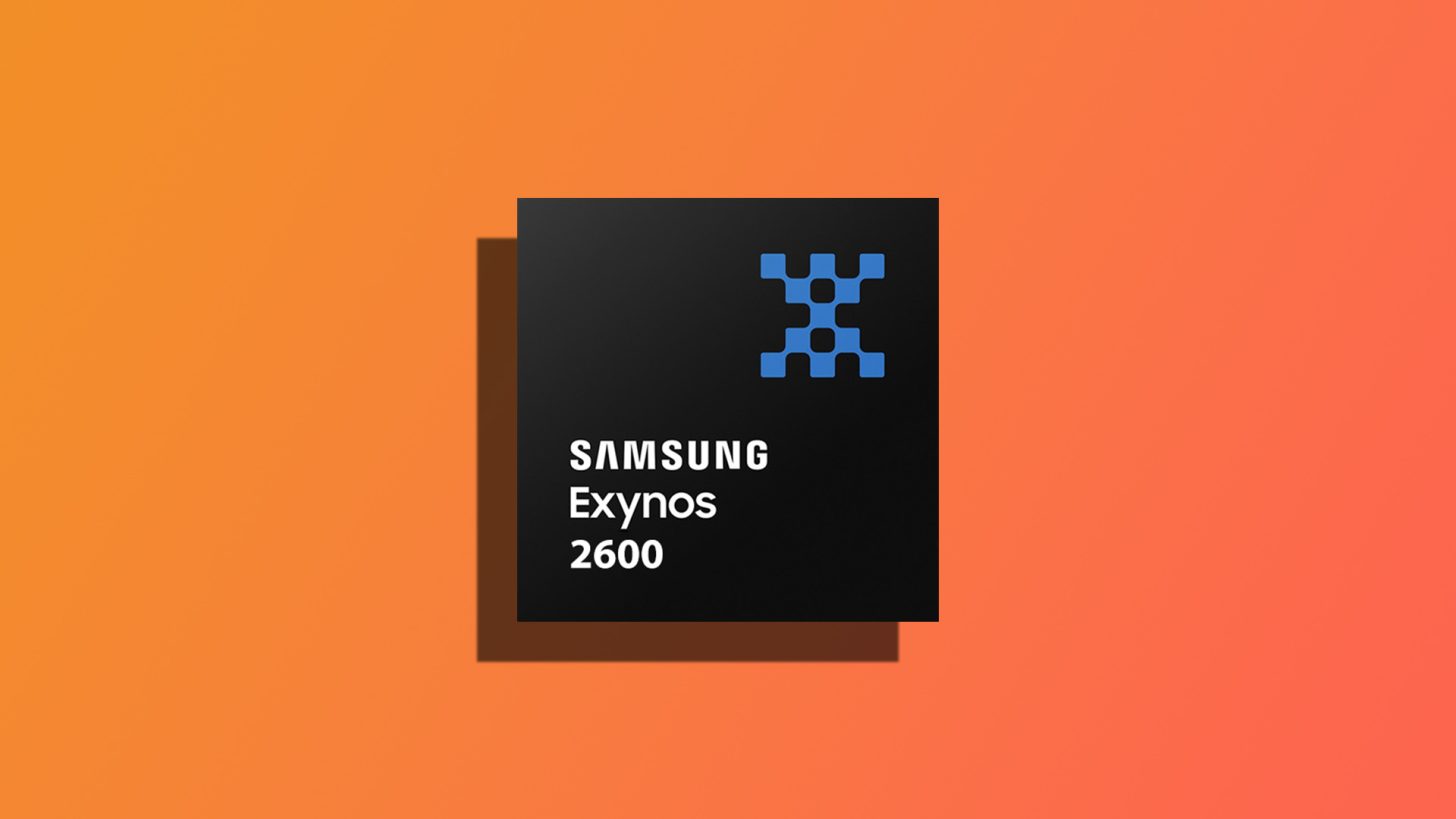
Samsung recently dropped a teaser for its upcoming Exynos 2600 processor, signaling a major leap for its in-house silicon. Expected to power the Galaxy S26 and S26+ in some regions, the new 2nm chipset builds on this year’s 3nm Exynos 2500 as the company attempts a full-scale comeback in the flagship SoC arena. But is the Exynos 2600 truly ready to compete? Let’s take a closer look.
Samsung Exynos returns with 2nm ambition
Samsung promises that it has truly “listened” to criticism and built the Exynos 2600 to match or even surpass Qualcomm and Apple in performance, efficiency, and on-device AI. The official teaser suggests the company has addressed the longstanding complaints around heat, throttling, and inconsistent efficiency that have followed older Exynos chipsets.
With a redesigned thermal approach and a fundamentally new architecture, Samsung is positioning the Exynos 2600 as a reset to the Exynos brand, something built from the ground up to restore confidence. Fabricated on its in-house 2nm Gate-All-Around (GAA) process, the chip adopts a fresh 10-core layout: one prime core, three performance cores, and six efficiency cores.
Leaks suggest the prime Cortex-X class core will peak between 3.55 and 3.8 GHz, with performance cores around 2.96 GHz and efficiency cores near 2.46 GHz. If the leaked Geekbench 6 scores prove accurate, the Exynos 2600 delivers between 3,300 and 4,200 points in single-core tests and between 11,200 and 13,400 in multi-core.
This would make it roughly one-third faster in single-core and nearly half again as fast in multi-core compared to the Exynos 2500. More importantly, these scores put the new Exynos in the same league as Qualcomm’s Snapdragon 8 Elite Gen 5 in terms of raw performance.
AMD-powered Xclipse 960 GPU pushes ray tracing forward
On the graphics side, Samsung is continuing its partnership with AMD. The Exynos 2600 features the new Xclipse 960 GPU, reportedly using an RDNA4-based design with eight compute units and hardware ray tracing. Leaked 3DMark scores suggest the GPU can outperform current Adreno solutions, and Samsung appears to be prioritizing sustained frame rates rather than momentary peaks.
Some early rumor sets claim massive performance gains, as much as 75% over Qualcomm’s next-gen Adreno. However, more conservative analysis places realistic improvements between 15-25%. Even the modest estimates would deliver smoother high-refresh-rate gaming, more stable performance under load, and more visually impressive ray-traced effects. Combined with the 2nm process and improved thermal distribution, the Xclipse 960 could be Samsung’s strongest GPU effort to date.
On-device AI becomes the real battleground
Perhaps the most important component of the Exynos 2600 is its new NPU. Samsung is designing this chip around Galaxy AI, which plays an even bigger role in One UI 8.5 on the Galaxy S26 series. While the Korean firm hasn’t published official TOPS figures, leaks point to significantly higher throughput with efficiency gains that allow more AI tasks to run locally.
Reports indicate that the Exynos 2600’s NPU aims to rival Qualcomm’s enhanced Hexagon engine and compete directly with Apple’s upcoming A19-class neural hardware. For users, this means faster on-device translation, quicker generative editing tools, richer offline assistants, and smoother multimodal experiences. Samsung is betting that future premium smartphone experiences will hinge on local AI, and its new Exynos chip is built to support that shift.
Solving heat and efficiency: HPB and a new layout
For years, Exynos’ biggest challenge has been heat. Samsung is addressing this directly through its 2nm GAA process, which reduces leakage and improves power efficiency. More importantly, the Exynos 2600 uses a reorganized SoC layout with an off-die modem, an approach that frees up thermal headroom and allows compute blocks to breathe.
One of the most emphasized features is Samsung’s Heat Pass Block (HPB) technology. HPB acts as a dedicated thermal conduit that channels heat away from hot spots and into the phone’s vapor chamber. If implemented well in the Galaxy S26 hardware, this could meaningfully reduce throttling and improve sustained CPU and GPU performance, tackling one of the defining weaknesses of older Exynos generations.
Exynos 2600 might be well prepared to take on Snapdragon, finally
While the Snapdragon 8 Elite Gen 5 still appears to lead in peak single-core speed and benefits from a mature TSMC process, the Exynos 2600 may edge ahead in multi-core workloads and ray-tracing performance thanks to its expanded CPU cluster and AMD-powered GPU. Much will depend on Samsung’s tuning of the shipping devices, especially under sustained workloads such as gaming, video capture, and AI processing.
Real-world performance will ultimately be shaped by software integration, modem efficiency, and how well Samsung’s thermal systems handle long-duration tasks. For prospective Galaxy S26 and S26+ buyers, the Exynos 2600 shouldn’t be a dealbreaker. The upcoming models should feel faster, cooler, and more capable than any Exynos phone before them.
Everyday responsiveness, camera processing, and Galaxy AI tasks could see meaningful improvements, narrowing or even eliminating the gap that once separated Exynos from Snapdragon. Samsung’s decision to keep Qualcomm in the Galaxy S26 Ultra shows that the company still wants to reassure power users. But the Exynos 2600 is clearly intended to prove that the company is ready to bring its own silicon back to the top tier.

Follow us on Google Discover & set us as a preferred source in Google News
Share this Post
___________________________


New Blog Posts
___________________________

First Set of Pixel 11 Pro XL Renders Are Here
Pixel 11 Pro XL CAD renders show minimal design changes

Is Samsung Preparing One UI 8.5 Beta for Galaxy Z Fold 5 and Flip 5?
Samsung may launch a One UI 8.5 beta program for its 2023 foldables

Galaxy S25 One UI 8.5 Beta May Run Longer Than Expected
Galaxy S25 series’ One UI 8.5 beta may stretch to 10 rounds