
Samsung Requires Exynos 2600’s Success
For years, Samsung’s Exynos chipsets have faced stigma due to issues like overheating and modem problems. The Exynos 990, 2100, and 2200 specifically come to mind. A good number of Galaxy users with a negative Exynos experience state they’ll refuse to purchase a Galaxy powered by Samsung’s in-house chipset.
Though their claims have validity, this rhetoric is dangerous. It would unfairly reinforce Qualcomm’s dominance in the market. The benefits that come with switching to Exynos outweigh the performance gains from Qualcomm.
Qualcomm is simply too expensive
Qualcomm has maintained dominance over the last few years, delivering unmatched peak performance. Its modems are simply the best. But is the price justified? The Snapdragon 8 Elite for Galaxy costs around $190; the Galaxy S25 Ultra’s production cost comes in at approximately $523, so about 36% is allocated to the chipset alone. Now with costs rising, the Snapdragon 8 Gen 5 Elite is stated to cost between $240 and $280. That’s almost half the production cost of a premium smartphone, potentially exceeding it.
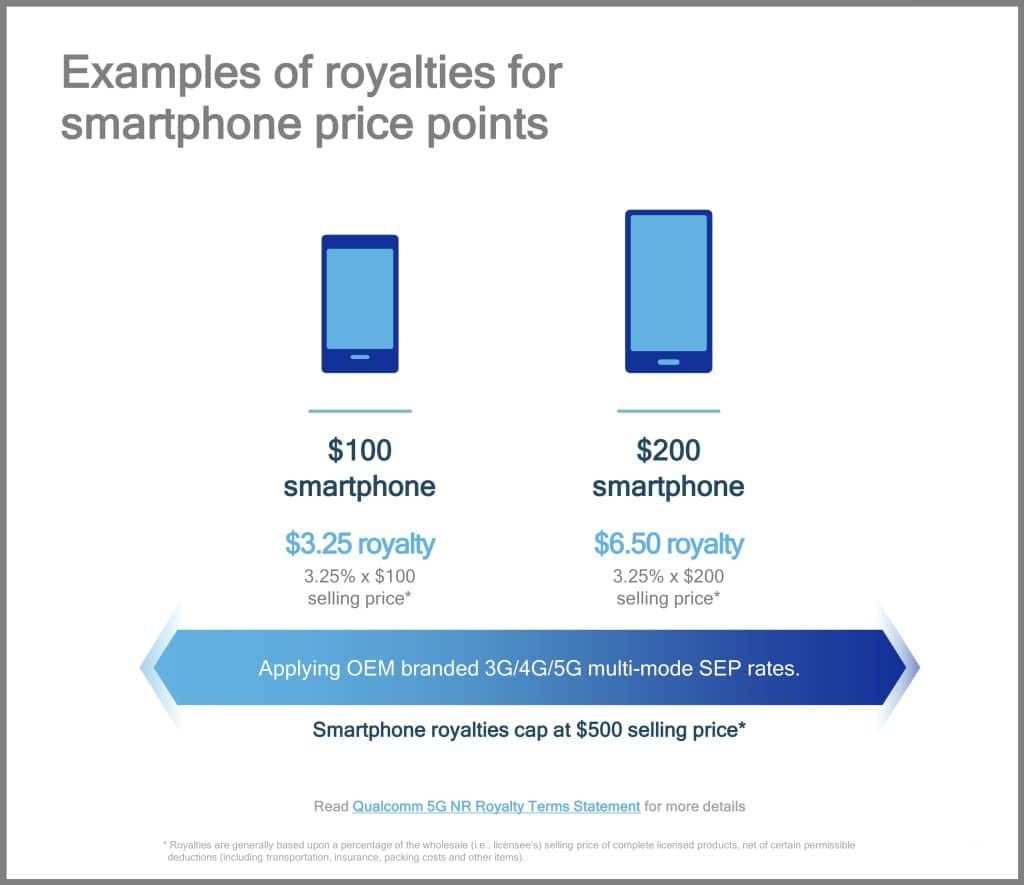
It doesn’t stop there; Samsung needs to pay royalties of $16.25 for each device sold. By the end of June 2025, Samsung reportedly sold 20 million Galaxy S25 phones. That means Qualcomm made $3.8 billion just from the chipset alone, and another $325 million from royalties. No doubt Samsung is Qualcomm’s golden goose, as Samsung has sold more Snapdragon 8 Elite chips than the rest of Android OEMs combined.
Qualcomm’s Royalty Fees
Samsung is a business, and as much as we want them to deliver the latest and greatest, such as their new ALOP 3.5x technology, unfortunately, it’s currently not financially feasible. Even though TM Roh is the CEO of Samsung Mobile Experience, he must answer to shareholders and ensure the company meets its goals. Moreover, continuing to equip Qualcomm chipsets in their devices will soon consume their current production costs.
Rising costs aren’t going away anytime soon
Prices are rising, and TSMC is increasing its costs by ~10%. It isn’t far-fetched to suggest that Samsung needs to focus on Exynos to prioritize its business interests. Reports indicate that Samsung may manufacture Snapdragon chips used in Galaxy phones to help offset costs, but nothing is official yet.
Qualcomm’s chipsets show a trend of increasing year on year, and clearly, Samsung has been trying to offset costs by omitting the S Pen’s Bluetooth capabilities, using Pro-Scaler to enhance the display quality, and employing ProVisual to enhance the camera experience. However, software optimization can only go so far. Therefore, Samsung must rely on the Exynos 2600’s success.
Exynos’ success can extend to the rest
Samsung Foundry has played a key role in the downfall of Exynos chips. The Snapdragon 8 Gen 1, Snapdragon 888, and Exynos 2200 all delivered strong designs, yet Samsung’s fabrication process undermined their potential. These chips ran inefficiently and throttled heavily due to thermal issues.
Compare the Galaxy S22 series to the Galaxy Z Fold 5 and Flip 5: the Snapdragon 8 Gen 1 and its Plus variant share nearly identical designs, but the Plus runs at higher clocks because it was built on TSMC’s process, the chip was vastly superior in terms of efficiency and thermals.
With TSMC’s 2nm process costs reportedly rising by up to 50%, Samsung must succeed in its own foundry efforts. Costs keep climbing, and Samsung cannot evade forever. To compete, the company needs to match TSMC’s performance. Exynos’ success directly drives Samsung Foundry’s success. Samsung’s choice to equip the entire Galaxy S25 series with the Snapdragon 8 Elite hit the LSI department hard, costing it $400 million because the foundry simply wasn’t ready.
Rising production costs will inevitably hit Apple and Google. If Samsung matches or even surpasses TSMC’s process, Apple and Google can cut chip expenses and redirect savings into other device components. Exynos will thrive, and that success will extend to the rest.
Samsung, take Exynos to the next level
We long ago hit peak performance for everyday tasks. Google’s Pixel lineup proves it. Tensor lags generations behind the competition, yet Pixel’s market share continues to grow. Tensor isn’t the fastest, but Pixel’s buttery-smooth software and standout Google features, like AI Call Screen, show smartphones need more than raw power. Samsung should leverage its brand strength to do the same.
Optimized Apps in the Play Store Concept
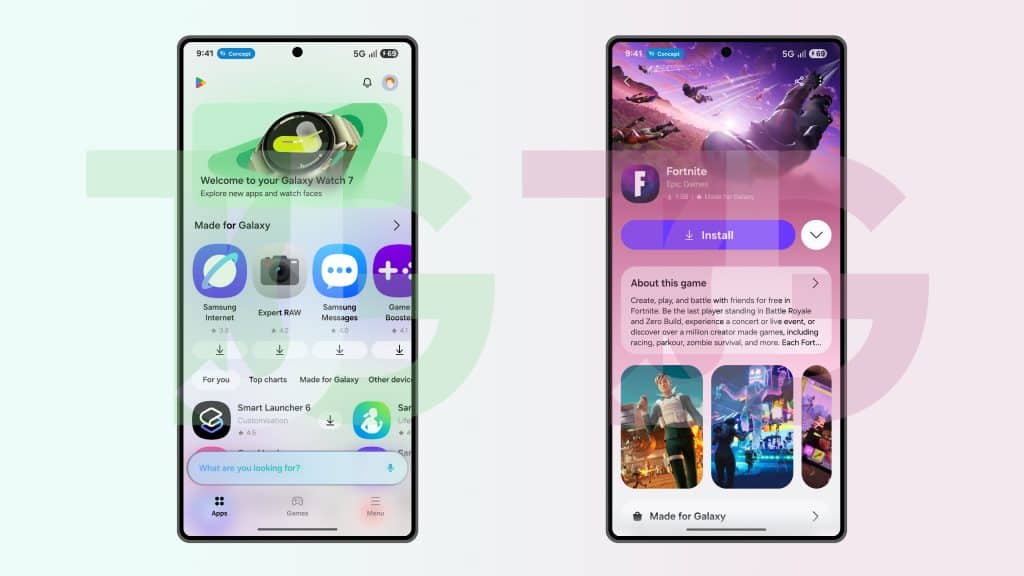
Samsung and Google keep proving how powerful their partnership can be. Why not take it to the next level? Our fantastic colleague, Josh Skinner, designed a concept where the Play Store prioritizes apps and games optimized for Galaxy devices. No excuse exists for Android apps still lagging behind iOS. Samsung should offer developers incentives and simplify optimization across its vast device lineup.
Samsung, help Exynos succeed, and Exynos will fuel your success.

Follow us on Google Discover & set us as a preferred source in Google News
Share this Post
___________________________


New Blog Posts
___________________________
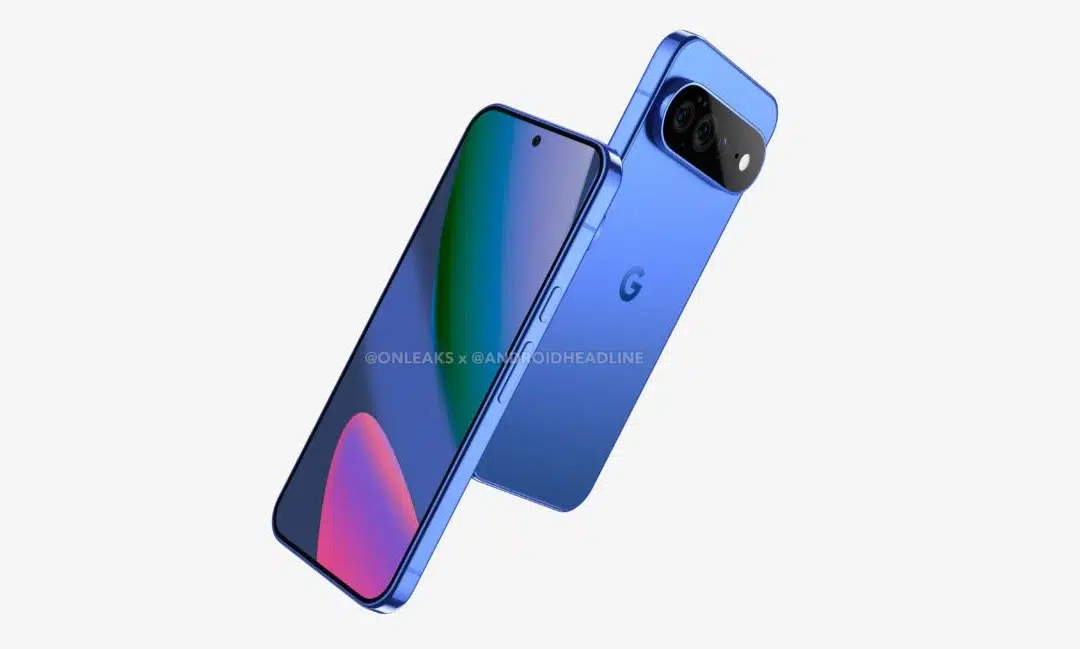
First Set of Pixel 11 Pro XL Renders Are Here
Pixel 11 Pro XL CAD renders show minimal design changes

Is Samsung Preparing One UI 8.5 Beta for Galaxy Z Fold 5 and Flip 5?
Samsung may launch a One UI 8.5 beta program for its 2023 foldables
Galaxy S25 One UI 8.5 Beta May Run Longer Than Expected
Galaxy S25 series’ One UI 8.5 beta may stretch to 10 rounds