
Samsung Ramps Up Taylor Fab and P5 Line for Next-Gen Chips
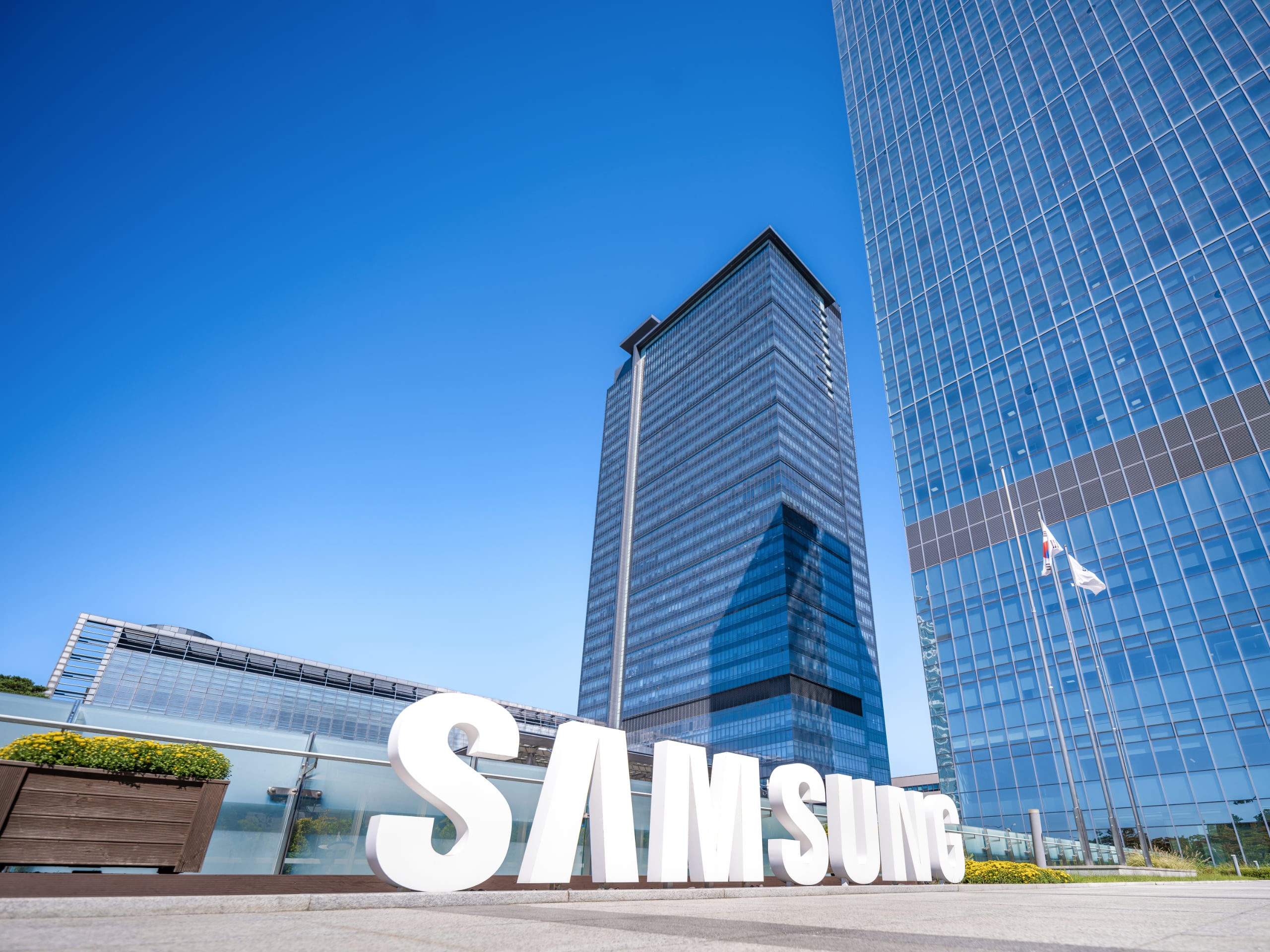
Samsung is aiming to cater to the next wave of the global semiconductor industry. The company plans to start advanced chip production at its Taylor fab next year, with the first equipment installation scheduled for March. The firm’s Pyeongtaek Line 5 (P5) has also begun ordering key infrastructure, though full-scale operations won’t start until 2028.
Samsung aims to boost global chip production capacity
Samsung initially expected to start Taylor fab production with the 4nm process. However, the company has recently decided to move directly to the more cutting-edge 2nm process. According to a report from Munhwa, the Korean firm will install the first equipment at the fab in March 2026. It expects to deliver the first wafers as early as the second quarter of next year.
In addition, Samsung plans to make 50,000 wafers per month when Taylor fab begins operations. This number is similar to the initial 2nm production volume of its arch-rival TSMC in Taiwan. It is worth mentioning that the company initially projected just 20,000 wafers per month, but has now more than doubled that figure. The firm now aims to increase production to 100,000 wafers per month by 2027.
Samsung has already secured major orders to ensure strong production from the start at its Taylor fab. For example, earlier this year, the company inked a $16.5 billion contract with Tesla to supply AI6 autonomous driving chips. Likewise, it will make application-specific integrated circuits (ASICs) for China’s MicroBT and Canaan.
Meanwhile, Samsung has recently approved the construction of the P5 production line in its Pyeongtaek 2nd Complex. Korean media outlet Chosun says that the company has begun ordering gas and chemical process equipment while still building the plant’s structure to speed up production. The company is now aiming to start operations at the plant in 2028.
As for the P4 line at Pyeongtaek (production hub for 10nm 6th-generation (1c) DRAM), it is also moving faster than planned. The company has brought forward equipment installation and test operations by two to three months. The 1c DRAM will serve as the core foundation for 6th-generation HBM4 chips.

Follow us on Google Discover & set us as a preferred source in Google News
Share this Post
___________________________


New Blog Posts
___________________________

First Set of Pixel 11 Pro XL Renders Are Here
Pixel 11 Pro XL CAD renders show minimal design changes

Is Samsung Preparing One UI 8.5 Beta for Galaxy Z Fold 5 and Flip 5?
Samsung may launch a One UI 8.5 beta program for its 2023 foldables
Galaxy S25 One UI 8.5 Beta May Run Longer Than Expected
Galaxy S25 series’ One UI 8.5 beta may stretch to 10 rounds