
Samsung Raises Galaxy S25 Edge, Fold 7 and Flip 7 Prices Amid Rising Costs
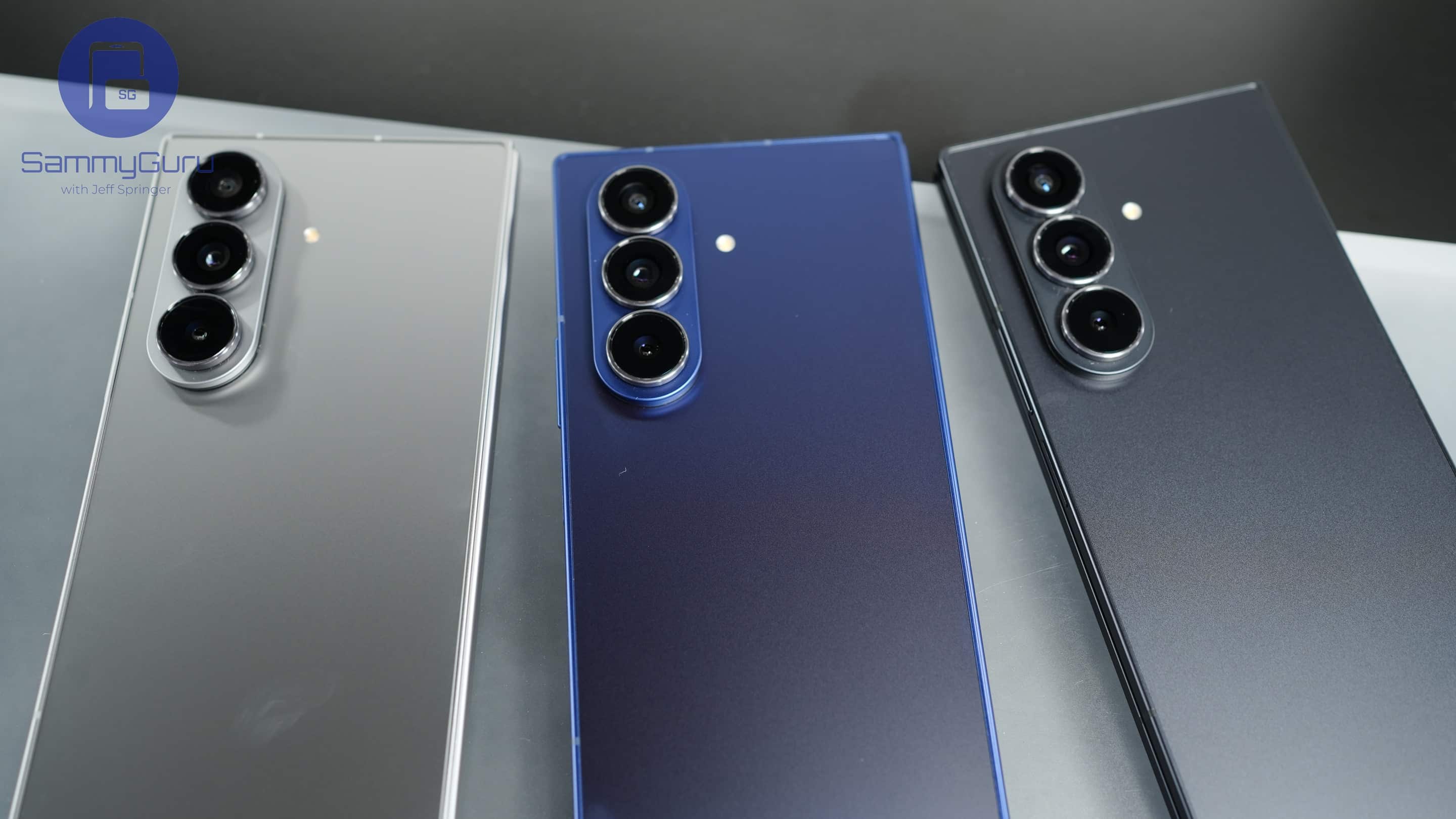
Smartphone prices typically fall over time, not rise. But Samsung is quietly flipping that playbook. After increasing prices for some of its midrange phones in India, the company is now reportedly doing the same with its premium lineup in South Korea. The Galaxy Z Fold 7, Flip 7, and S25 Edge are all said to be getting more expensive. However, this is not a strategic upsell, but a response to rising market pressures and component costs.
Price hikes hit Samsung’s foldables and premium flagships
According to the Korean media (via Jukan), Samsung is increasing prices for several phones in South Korea on April 1. The 512GB variants of the Galaxy Z Fold 7, Flip 7, and S25 Edge will now cost KRW 100,000 (approx. $65) more in the Korean market. Their 1TB variants will see a hike of KRW 200,000 (approx. $130).
This sudden hike several months after launch gives us a clearer picture of the current market situation. Memory prices have surged dramatically over the past year. Industry reports indicated that DDR4 prices have jumped from around $1.35 to $13, a nearly 10x increase, between February 2025 and February 2026. NAND storage costs have risen roughly fivefold.
These components are fundamental to every smartphone, especially high-end devices with large storage and RAM configurations. As costs climb, manufacturers are faced with a difficult choice: absorb the hit or pass it on. Samsung appears to have chosen the latter. Perhaps it reached a tipping point before deciding to increase prices.
“With memory prices surging to unprecedented levels, manufacturers face significant margin pressure. While demand softening is a concern, cost pressures leave them no choice but to raise product prices,” an industry expert summed up the situation.
At the moment, the reported price hikes are limited to South Korea. Samsung has not officially confirmed whether similar adjustments will be made in global markets. However, given the global nature of supply chains and component pricing, it would not be surprising to see this trend extend beyond a single region. If memory costs remain elevated, other markets could face similar increases in the coming months.

Follow us on Google Discover & set us as a preferred source in Google News
Share this Post
___________________________


New Blog Posts
___________________________

First Set of Pixel 11 Pro XL Renders Are Here
Pixel 11 Pro XL CAD renders show minimal design changes

Is Samsung Preparing One UI 8.5 Beta for Galaxy Z Fold 5 and Flip 5?
Samsung may launch a One UI 8.5 beta program for its 2023 foldables
Galaxy S25 One UI 8.5 Beta May Run Longer Than Expected
Galaxy S25 series’ One UI 8.5 beta may stretch to 10 rounds