Samsung’s QLED TVs Could Get Cheaper with New QD Sheet Structure
SammyGuru is reader-supported. We have affiliate and sponsored partnerships, so we may earn a commission when you buy through links on our site — at no extra cost to you. Learn more.
Samsung’s QLED TVs have grown in popularity in recent years, thanks to their impressive picture quality. To penetrate deeper into the market, the Korean company now aims to make these TVs more affordable. It is reportedly pursuing a new strategy to reduce manufacturing costs of the QD sheet, one of the key components of QLED TVs, by removing the expensive barrier films.
Samsung aims to reduce the manufacturing cost of the QD sheet
QD (Quantum Dot) sheet plays a big role in enhancing color reproduction on QLED TVs. The current structure of the QD sheet is “barrier film – PET – QD layer – PET – barrier film”. However, the inclusion of barrier film in the sheet increases the production cost by up to 40%. That’s why the company wants to remove the barrier film from the QD sheet entirely.
According to a Korean media outlet, TheElec, Samsung has teamed up with Hansol Chemical to develop a simplified QD sheet structure for its QLED TVs. The QD sheet structure currently under development is “PET – QD layer – PET,” removing the barrier films on both sides.
However, this sheet structure requires a new protection method as the QD layer will be exposed to air and moisture. In the current structure, the barrier films on both sides work as a shield, preventing moisture and oxygen from damaging the QD layer over time. To address this, Samsung is working on encapsulating individual QD particles, which is more cost-effective than incorporating barrier films.
“Samsung Electronics has been researching ways to remove the barrier film from existing QD sheets for years. The goal is to reduce manufacturing costs. However, it will take time until mass production,” an industry insider told the publication.
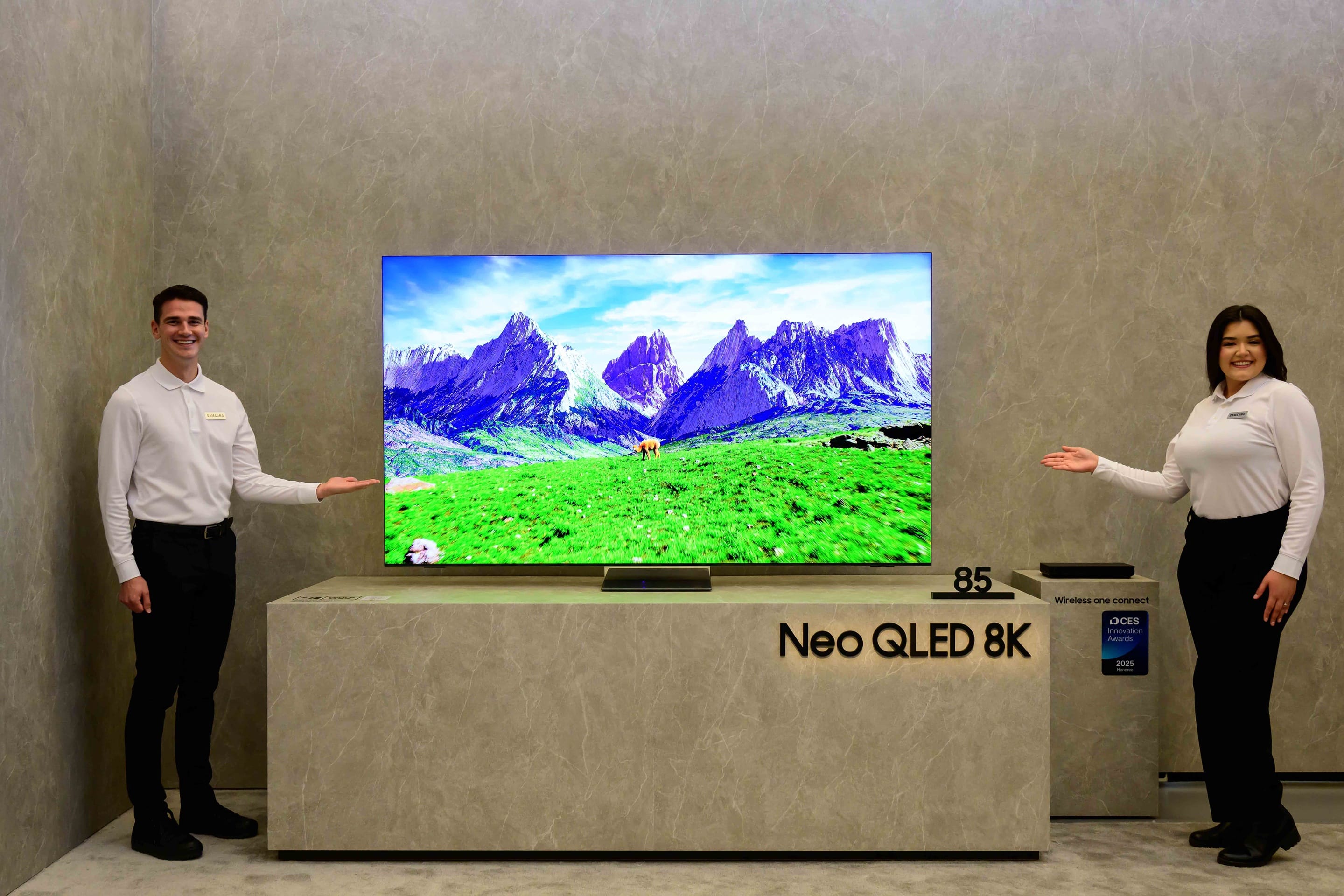
While this new technology is still in development and mass production may take time, it could be a major step toward lowering the price of QLED TVs in the future. If you are looking for a smart TV, you should check out Samsung’s 2025 Neo QLED 8K and 4K TV lineup that uses Vision AI technology to improve picture and sound quality.

Written by
Binay KonwarBinay Konwar started his blogging journey in 2014 and has since written plenty of tech articles. At present, he is working as a News Writer at SammyGuru, covering everything about Samsung. He holds a Master's degree in Mathematics, but his real passion lies in tech and writing. In his free time, he enjoys playing chess and watching movies.

Follow us on Google Discover & set us as a preferred source in Google News
Share this Post
___________________________


New Blog Posts
___________________________
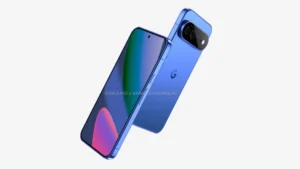
First Set of Pixel 11 Pro XL Renders Are Here
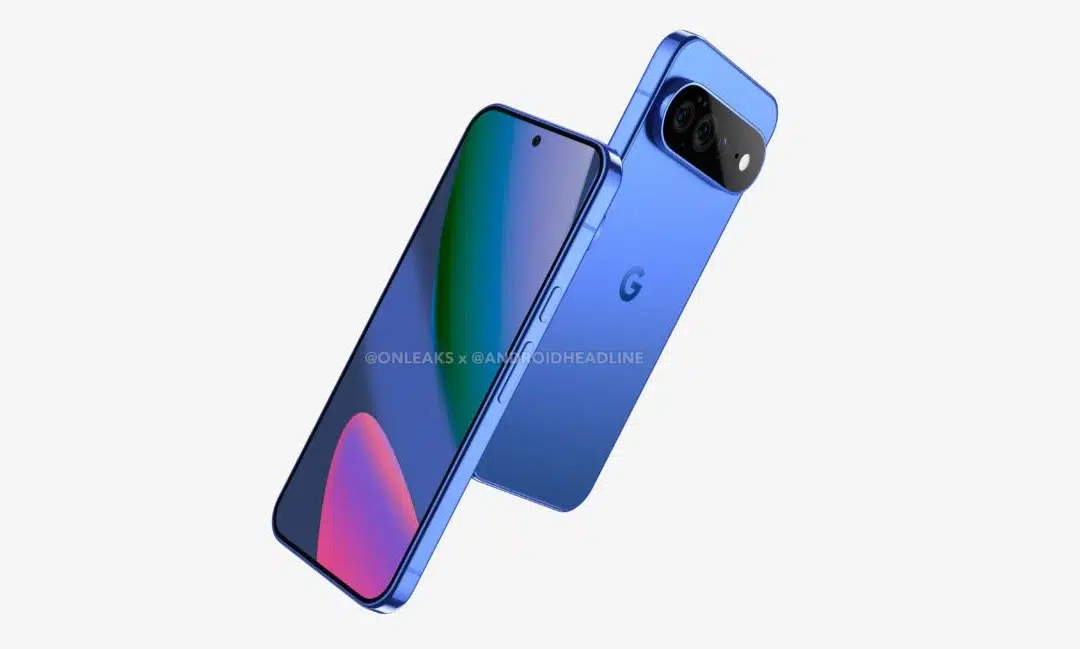
Pixel 11 Pro XL CAD renders show minimal design changes
Is Samsung Preparing One UI 8.5 Beta for Galaxy Z Fold 5 and Flip 5?
Samsung may launch a One UI 8.5 beta program for its 2023 foldables
Galaxy S25 One UI 8.5 Beta May Run Longer Than Expected
Galaxy S25 series’ One UI 8.5 beta may stretch to 10 rounds