Samsung Powers Korea’s First SmartScore Gold Building with b.IoT Platform

SammyGuru is reader-supported. We have affiliate and sponsored partnerships, so we may earn a commission when you buy through links on our site — at no extra cost to you. Learn more.
Samsung has bolstered its leadership in smart building technology. The company’s building integration solution, b.IoT, has helped Factorial Seongsu become the first building in Korea to secure the SmartScore Gold certification. This shows how cutting-edge technologies can improve energy efficiency while optimizing building operations.
Samsung’s b.IoT advances Korean office building
WiredScore certifies the smart capabilities of buildings through SmartScore. It assesses a bunch of advanced technologies, such as the Internet of Things (IoT) and artificial intelligence (AI), to learn how effective they are in real operation. Based on the outcomes, buildings earn Smart Score grades in the order: Platinum, Gold, Silver, and Certified. For example, Texas Tower in Houston, USA, and The Henderson in Hong Kong have received this certification.
Factorial Seongsu, an office building near Seongsu Station in Seoul, has recently received the SmartScore Gold rating. Built in 2020 on a logistics site, it is a ‘Tech Ready Building’. Samsung collaborated with the project team to power advanced technology into the building.
One of the key reasons for Factorial Seongsu achieving the Gold rating is Samsung’s b.IoT solution. This technology lets managers monitor the operational status of the entire building in real time. On top of that, it offers efficient control solutions according to the situation. For example, the system analyzes energy usage, equipment operation, and heating and cooling efficiency using AI. It then predicts usage patterns, supports optimal energy management, and sends alerts during abnormal operations.
Samsung’s b.IoT solution at Factorial Seongsu also plays a key role in energy consumption. By operating central and system air conditioning in optimal conditions, the building reduced energy usage by about 27% from June 1 to September 30 last year. It also supports connection to a DVM geothermal system, which delivers efficient heating and cooling. Thanks to support for digital twin technology, the system creates a 3D model of the real building and displays the status of all facilities in real time.

Written by
Binay KonwarBinay Konwar started his blogging journey in 2014 and has since written plenty of tech articles. At present, he is working as a News Writer at SammyGuru, covering everything about Samsung. He holds a Master's degree in Mathematics, but his real passion lies in tech and writing. In his free time, he enjoys playing chess and watching movies.

Follow us on Google Discover & set us as a preferred source in Google News
Share this Post
___________________________


New Blog Posts
___________________________
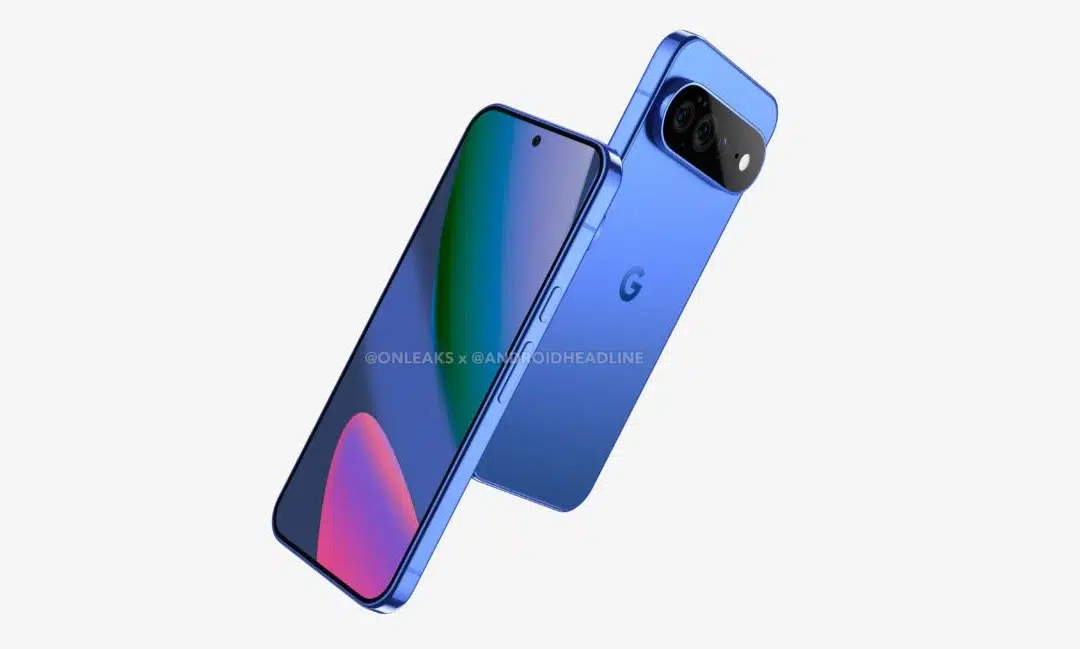
First Set of Pixel 11 Pro XL Renders Are Here
Pixel 11 Pro XL CAD renders show minimal design changes

Is Samsung Preparing One UI 8.5 Beta for Galaxy Z Fold 5 and Flip 5?
Samsung may launch a One UI 8.5 beta program for its 2023 foldables
Galaxy S25 One UI 8.5 Beta May Run Longer Than Expected
Galaxy S25 series’ One UI 8.5 beta may stretch to 10 rounds