Samsung Plans to Introduce Glass Interposers in Chip Packaging by 2028
SammyGuru is reader-supported. We have affiliate and sponsored partnerships, so we may earn a commission when you buy through links on our site — at no extra cost to you. Learn more.
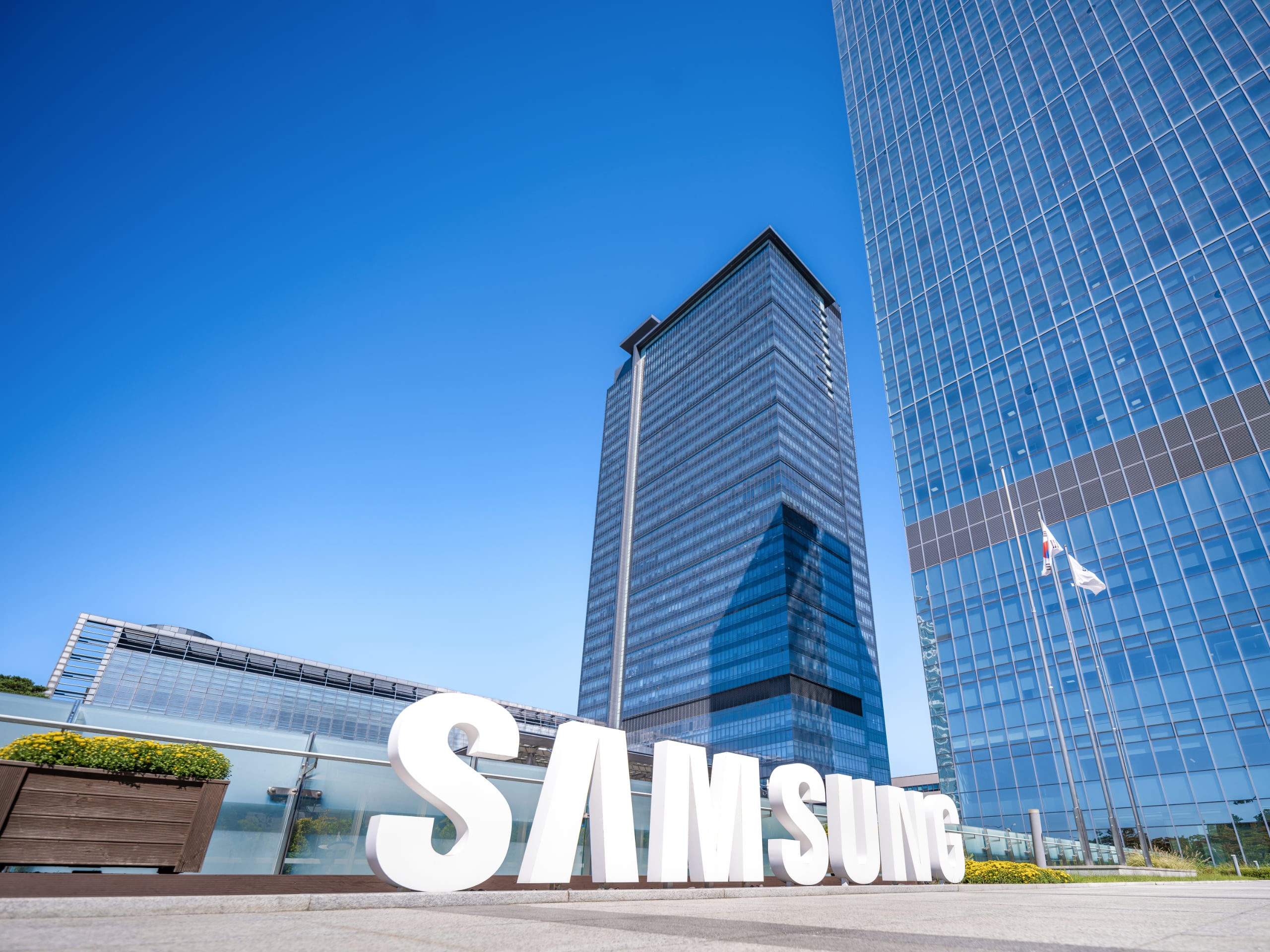
As Samsung is struggling in its semiconductor business, the company now aims to adopt a new strategy to stay competitive in the market. It plans to introduce glass substrates to semiconductor manufacturing in 2028, which is a next-generation packaging component. This marks a shift from the current material silicon interposers to glass interposers.
Samsung plans to adopt glass-based chip packaging
With the rapid growth in demand for AI chips, Samsung is now gearing up for the future semiconductor market. “Samsung Electronics has established a plan to convert silicon interposers to glass interposers in 2028 to respond to customer demands,” according to the Korean outlet ETNews. This will help the company to lead early in the next-generation chips packaging segment.
For the uninitiated, interposers are also known as intermediate substrates, which play a big role in AI chips packaging. These chips rely heavily on 2.5D packaging, where interposers connect GPUs to high-bandwidth memory (HBM). For years, chip manufacturers have been using silicon interposers in packaging due to high-speed data transmission and high thermal conductivity. However, higher material and process costs result in higher manufacturing costs.
As a result, Samsung aims to use glass interposers, which are a cheaper alternative to silicon interposers. This solution not only makes it easy to implement ultra-fine circuits, but also offers better semiconductor performance than silicon interposers. The report says that the company will use small-sized glass interposers (around 100 x 100mm) instead of full-sized glass substrates (510 x 515mm). While this helps accelerate prototyping and quickly enter the market, industry experts say that the approach may lower production capacity during mass manufacturing.
Samsung also plans to handle glass interposer packaging at its Cheonan campus. It will use its panel-level packaging (PLP) line, which is a packaging method on square panels instead of wafer-level packaging (WLP). This process is suitable for glass substrates and will help the company increase production.
Meanwhile, the Korean firm is in talks with supply chain companies to utilize glass interposers in its chip packaging. If this pans out, Samsung could gain early momentum in the glass interposer space, crucial for next-gen AI chips. It may begin pilot production later this year.

Written by
Binay KonwarBinay Konwar started his blogging journey in 2014 and has since written plenty of tech articles. At present, he is working as a News Writer at SammyGuru, covering everything about Samsung. He holds a Master's degree in Mathematics, but his real passion lies in tech and writing. In his free time, he enjoys playing chess and watching movies.

Follow us on Google Discover & set us as a preferred source in Google News
Share this Post
___________________________


New Blog Posts
___________________________
First Set of Pixel 11 Pro XL Renders Are Here
Pixel 11 Pro XL CAD renders show minimal design changes

Is Samsung Preparing One UI 8.5 Beta for Galaxy Z Fold 5 and Flip 5?
Samsung may launch a One UI 8.5 beta program for its 2023 foldables
Galaxy S25 One UI 8.5 Beta May Run Longer Than Expected
Galaxy S25 series’ One UI 8.5 beta may stretch to 10 rounds