Samsung’s One UI 8.5 May Add Protection Against Photosensitive Epilepsy
Photosensitive epilepsy is no joke. While it is often played for laughs in pop culture — think The Simpsons scenes where characters collapse under flashing lights — the real-world impact is serious. For people with PSE, even ordinary activities like watching a video or playing a game can be unpredictable and dangerous, as a single strobe sequence might trigger a seizure. Samsung’s One UI 8.5 for Galaxy devices may bring a handy solution for this problem.
One UI 8.5 will protect Galaxy users from photosensitive epilepsy
Leaked code strings from One UI 8.5 suggest Samsung is working on a system that can automatically detect repeated strobe effects in videos and dim the display, lowering the chance of those visuals crossing the photosensitive epilepsy trigger threshold. Android Authority discovered a reference to a setting called “Reduce flashing lights,” which lowers the screen brightness if video content includes a strobe effect above a certain level.
Users may also be able to adjust dimming intensity, acknowledging that sensitivity to flashing lights can vary from person to person. However, Samsung does not appear to let users change the trigger level itself, which makes sense. Setting the threshold too high could defeat the entire purpose of the feature, while setting it too low might make video playback unnecessarily dim.
The publication notes that the system “can only work on the display of this device.” This might mean the protection won’t apply if you’re casting to an external monitor. It might also require some hardware tuning, which could limit the function to Samsung’s latest phones. Likely the Galaxy S26 series and newer, as One UI 8.5 debuts with the next-gen flagships in early 2026.
Moreover, references specifically mention “video content,” suggesting that it only works in media apps. It may not cover native games where flashing visuals are common. It would be a missed opportunity though, as games are often a major source of strobing effects. Covering them would make the tool far more useful to vulnerable users. Nonetheless, it’s a handy feature to have on your phone if you suffer from photosensitive epilepsy.
Follow us on Google Discover & set us as a preferred source in Google News
Share this Post
___________________________


New Blog Posts
___________________________
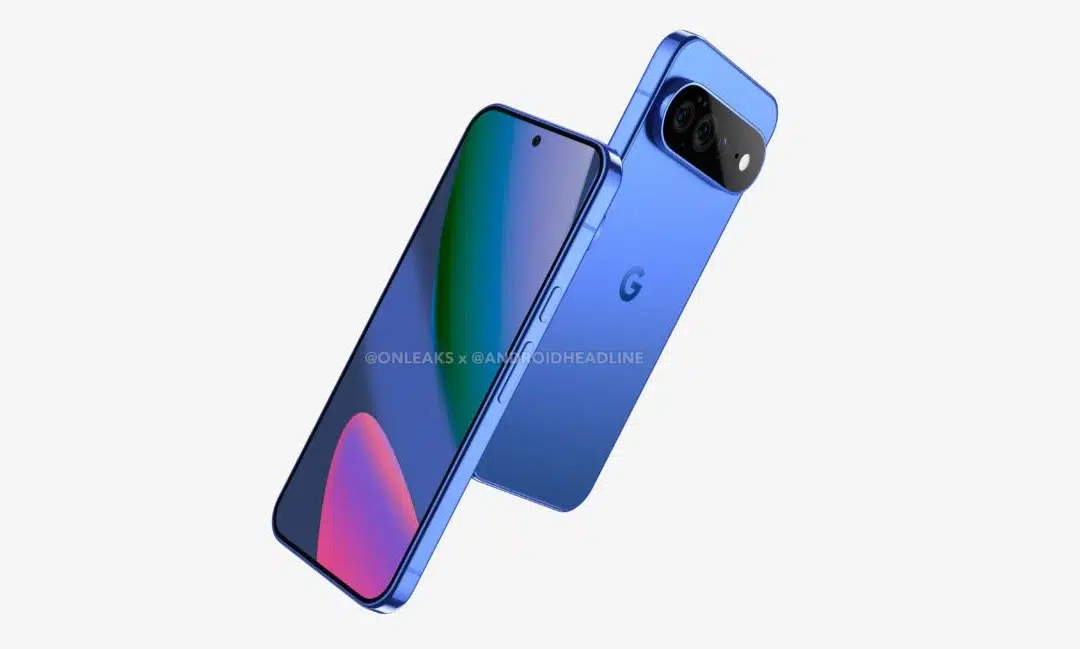
First Set of Pixel 11 Pro XL Renders Are Here
Pixel 11 Pro XL CAD renders show minimal design changes
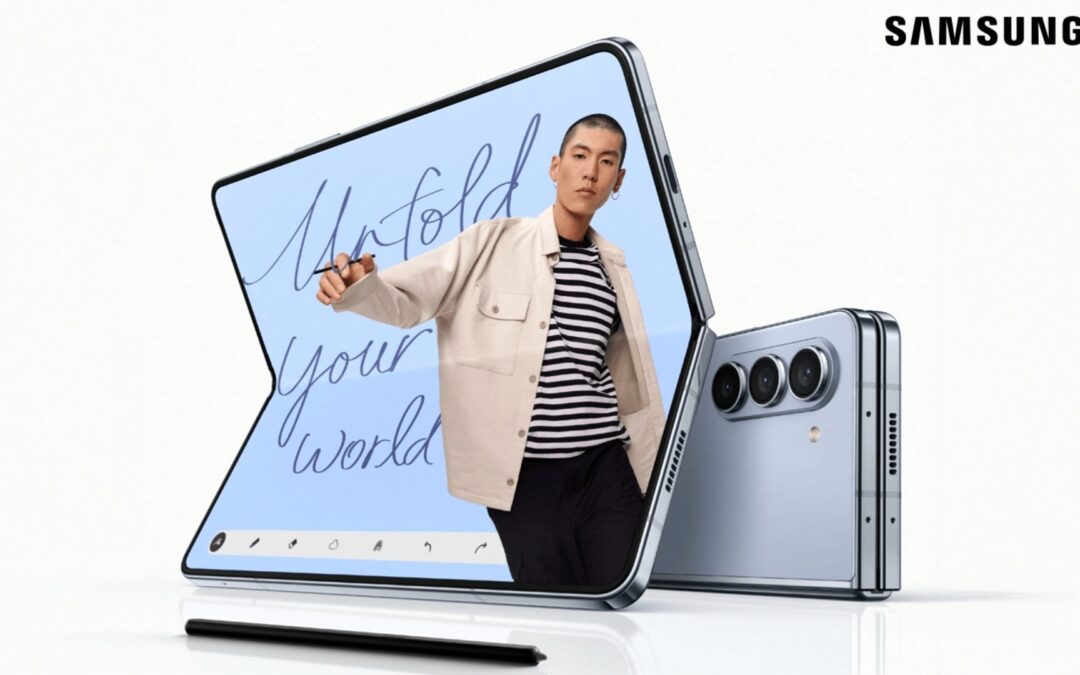
Is Samsung Preparing One UI 8.5 Beta for Galaxy Z Fold 5 and Flip 5?
Samsung may launch a One UI 8.5 beta program for its 2023 foldables
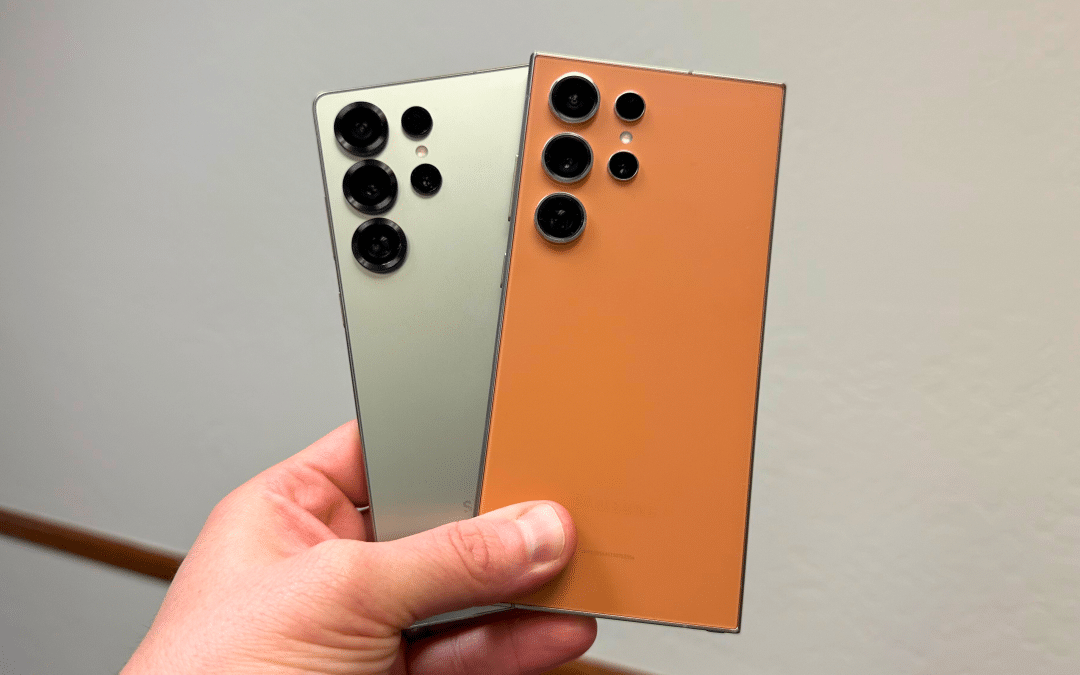
Galaxy S25 One UI 8.5 Beta May Run Longer Than Expected
Galaxy S25 series’ One UI 8.5 beta may stretch to 10 rounds