Samsung’s New Slidable Smartphone Display Expands from 5.1 to 6.7 Inches
SammyGuru is reader-supported. We have affiliate and sponsored partnerships, so we may earn a commission when you buy through links on our site — at no extra cost to you. Learn more.
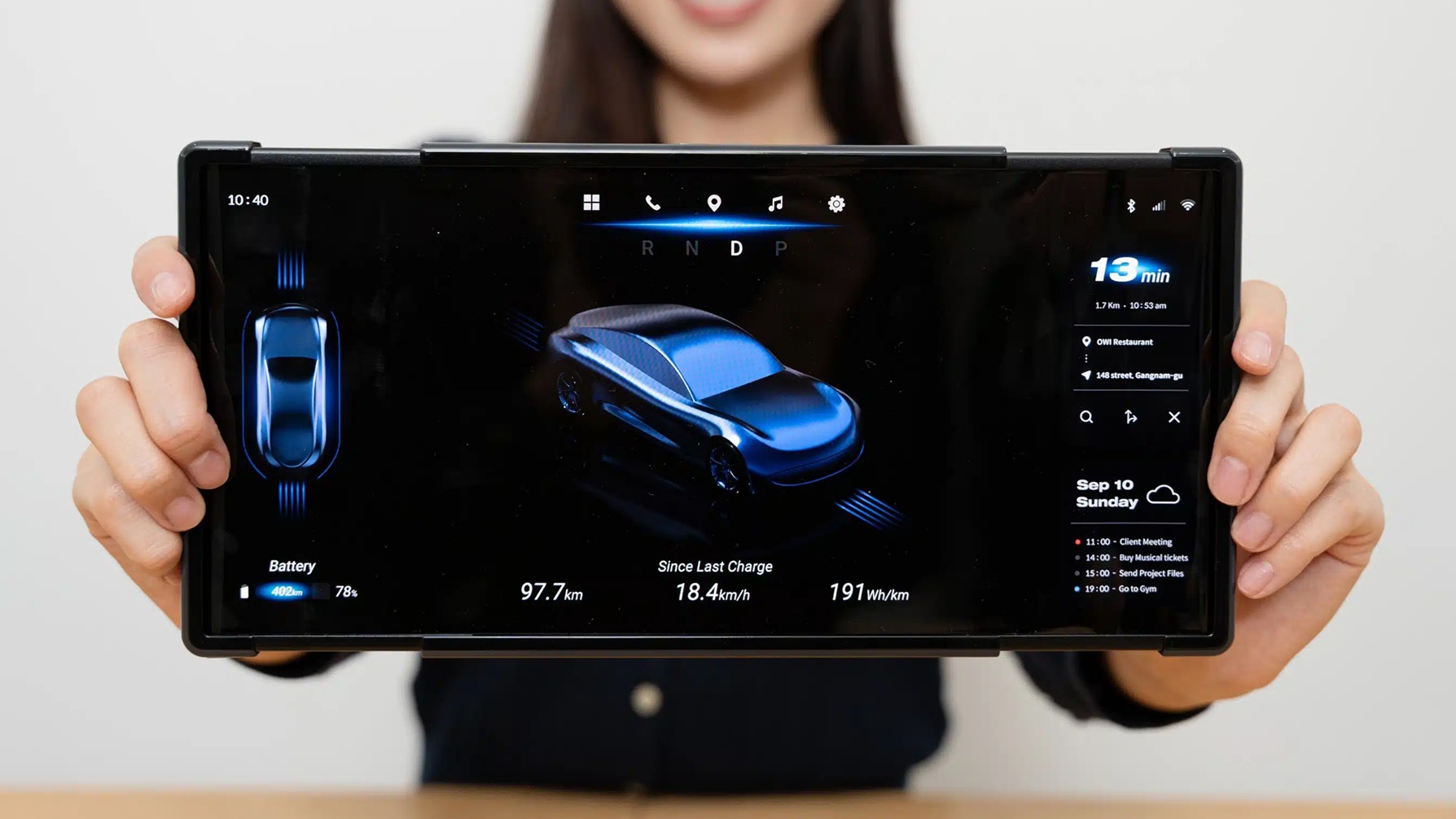
Samsung’s foldable phones have already transformed the idea of how a smartphone display can work. The company is now experimenting with another form factor that could reshape mobile design: a smartphone with a slidable display. It presented a fresh prototype at MWC 2026, currently underway in Barcelona, Spain.
Samsung showcases a slidable smartphone concept at MWC 2026
Rollable and slidable smartphone concepts have been around for a while now. However, we have yet to see a real commercial product. The latest prototype showcased by Samsung at MWC 2026 gives us another glimpse at how expandable screens might evolve beyond foldables. The device extends vertically as the user slides the phone’s rails upward, revealing additional screen area hidden within its body.
Unlike foldables that rely on hinges, the slidable mechanism allows the display to roll out smoothly from inside the phone. In its compact form, the device features a 5.1-inch display with a 16:9 aspect ratio. Sliding the rails upward expands the screen to 6.7 inches with a taller 22:9 aspect ratio. According to the concept’s spec sheet, the panel offers a resolution of 1,080 × 2,640 pixels and a pixel density of 426ppi (via Android Authority).
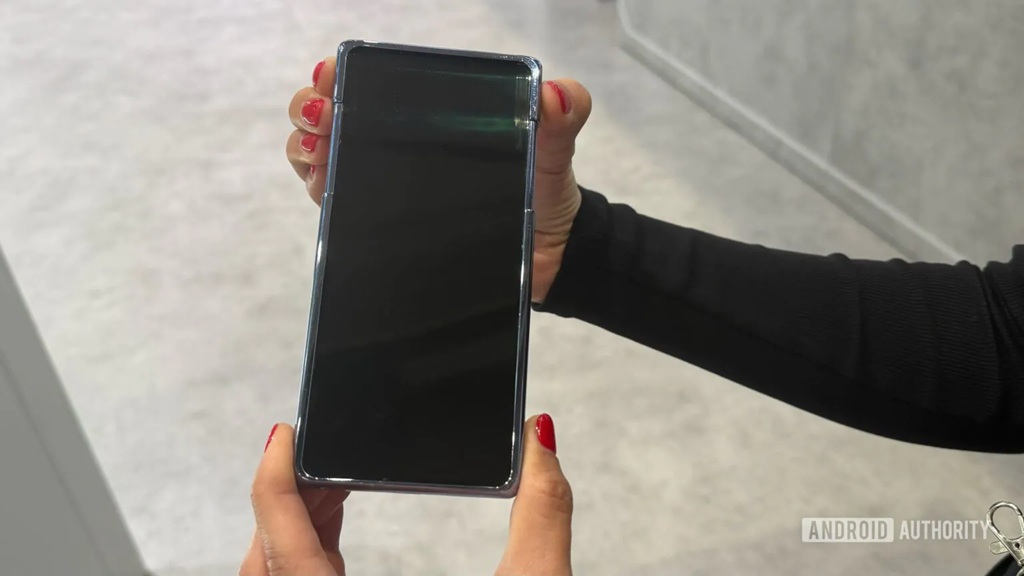
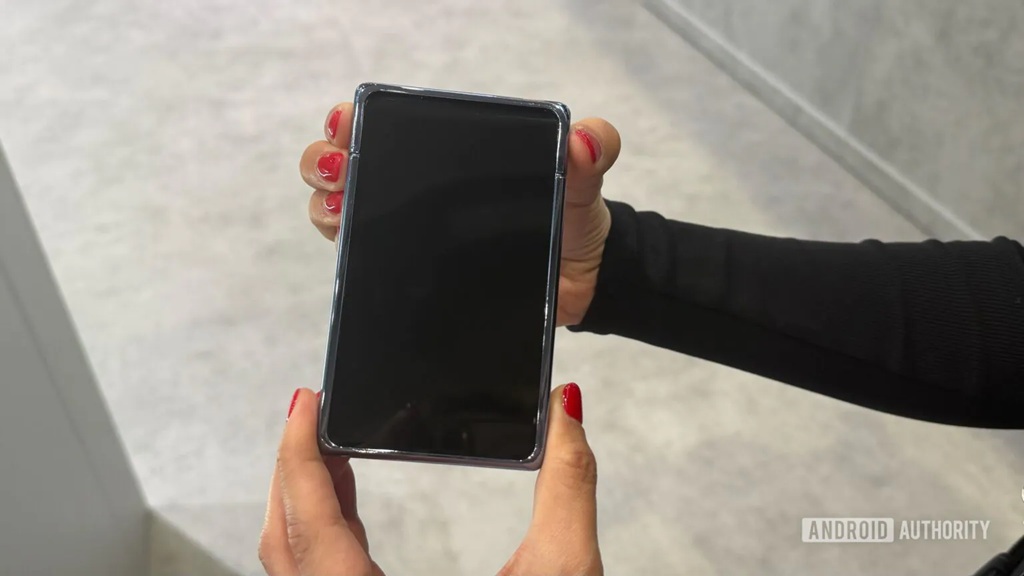
The design essentially turns a compact smartphone into a taller, more immersive display when needed. For example, users could keep the phone in its smaller size for quick tasks like messaging or calling. When watching videos, browsing the web, or multitasking, the display can be extended to provide more screen space. Rotating the phone into landscape orientation would also produce a noticeably wider viewing area.
While the concept is intriguing, Samsung hasn’t revealed when, or even if, it plans to commercialize the technology. The company only described the slidable display as “under development,” suggesting that it could still be several years away from appearing in a consumer product. As mentioned above, Samsung and other companies have been toying with the idea for a while, but there’s still no clear path to commercialization.

Written by
Sumit AdhikariSumit, a life-long Samsung user, is passionate about technology and has been professionally writing on tech since 2017. He’s a mathematics graduate by education and enjoys teaching basic mathematics tricks to school kids in his spare time. Sumit believes in artificial intelligence and dreams of a fully open, intelligent and connected world.

Follow us on Google Discover & set us as a preferred source in Google News
Share this Post
___________________________


New Blog Posts
___________________________
First Set of Pixel 11 Pro XL Renders Are Here
Pixel 11 Pro XL CAD renders show minimal design changes
Is Samsung Preparing One UI 8.5 Beta for Galaxy Z Fold 5 and Flip 5?
Samsung may launch a One UI 8.5 beta program for its 2023 foldables
Galaxy S25 One UI 8.5 Beta May Run Longer Than Expected
Galaxy S25 series’ One UI 8.5 beta may stretch to 10 rounds