Samsung’s Meaning of “Ultra” is Degrading
SammyGuru is reader-supported. We have affiliate and sponsored partnerships, so we may earn a commission when you buy through links on our site — at no extra cost to you. Learn more.
Samsung’s first Galaxy S ‘Ultra’ device, the Galaxy S20 Ultra, debuted in 2020. It touted a monstrous spec sheet: a 6.9-inch QHD+ AMOLED display at a 120Hz refresh rate, 108MP main sensor, 100X Space Zoom, and up to 16GB of RAM. What more could you ask from a phone? But things have changed lately.
The degradation of “Ultra”
Don’t get us wrong. Over the last five years, the Galaxy S Ultra has gone through many advancements: transition to the Note design, the Bluetooth S Pen, a 200MP main camera, a Titanium frame, and even “for Galaxy” Snapdragon chips that outperform the standard version. But 2024 was the beginning of Samsung’s “cost-cutting” becoming apparent.
The Galaxy S24 Ultra has one glaring issue that wasn’t present in the previous Galaxy S23 Ultra: a grainy display at low brightness.
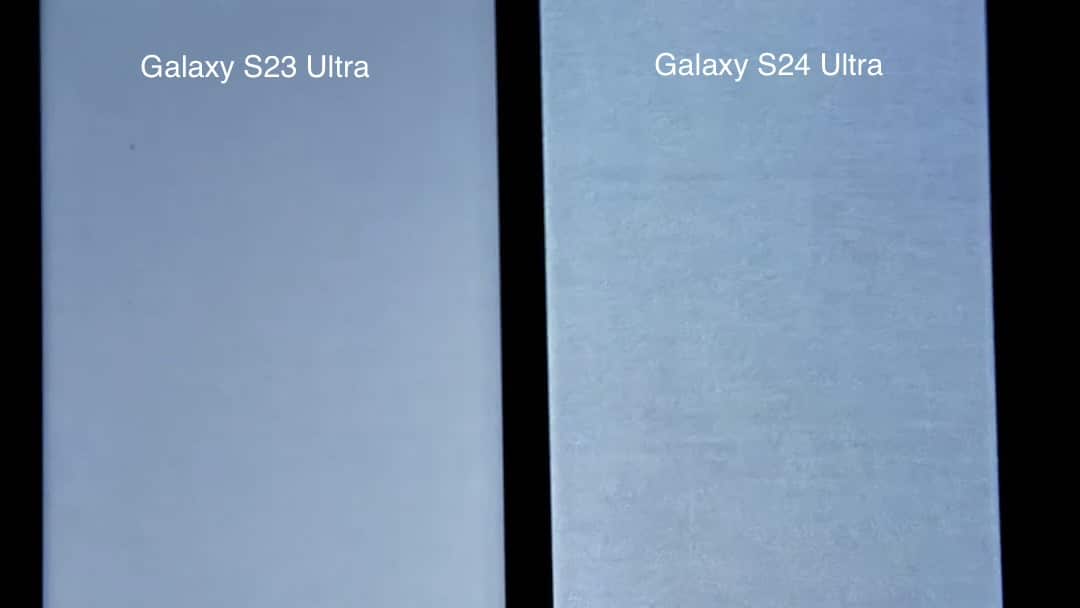
Reddit User: u/Xxthe-onexX
This issue, of course, won’t affect the majority of use cases, but its presence on one of Samsung’s most premium products is unacceptable. Worst yet, this trend of compromises continued with the Galaxy S25 Ultra’s S Pen, which lacks Bluetooth features like remote camera shutter.
Teardown videos suggest that the device itself didn’t lose the capability to charge the S Pen. Rather, the stylus lost its Bluetooth functionality. One could argue that the coils are present to detect the S Pen’s presence. However, considering the coils are connected to the wireless charger and the S Pen circuit board has changed, the S Pen itself is the likely culprit.
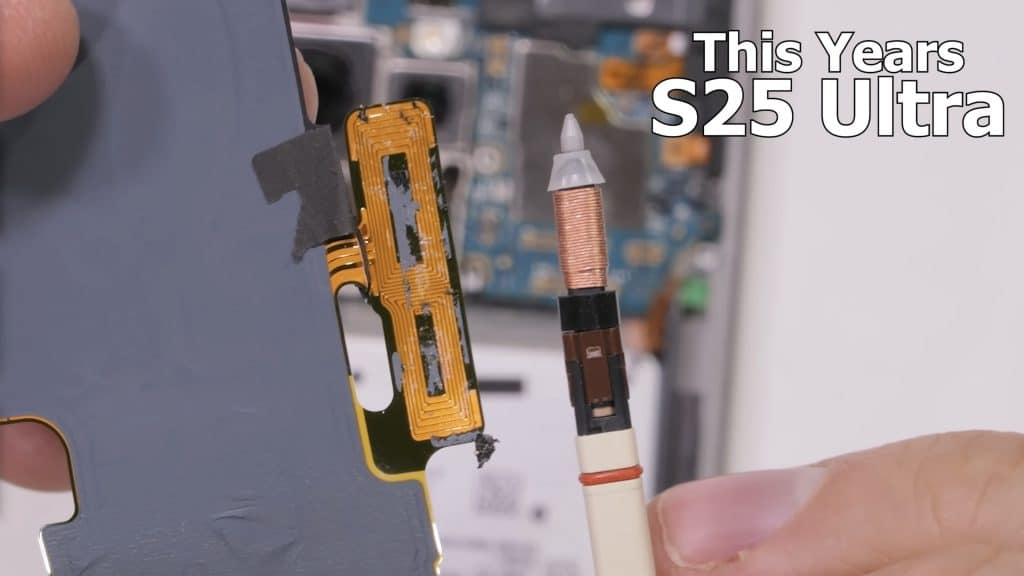
JerryRigEverything’s Teardown
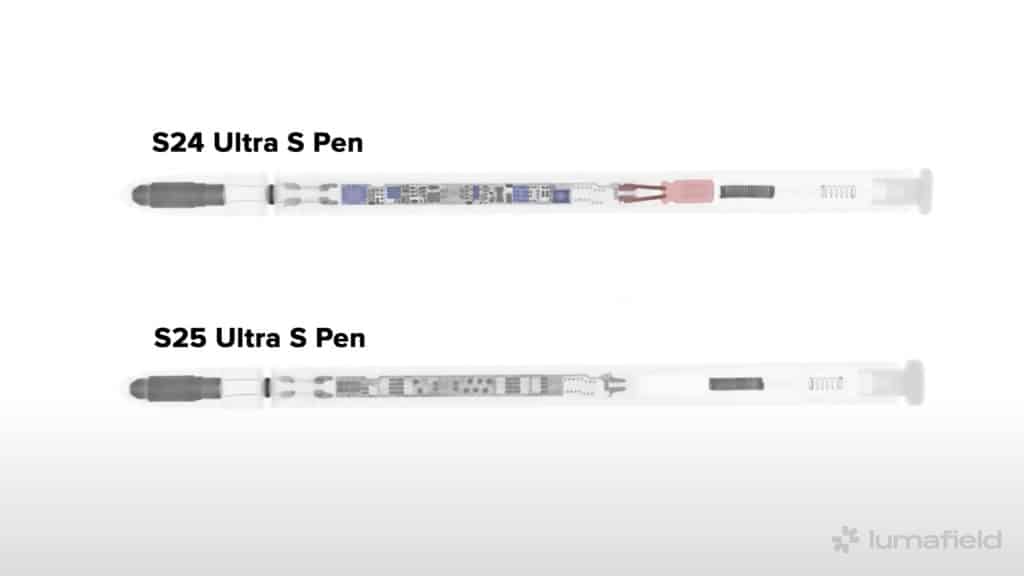
iFixIt’s Tear Down
What makes this infuriating is Samsung’s reasoning: “Users aren’t utilizing it”. Samsung has a track record of its users not knowing what their devices offer. At Samsung Unpacked January 2024, there wasn’t a single mention of the anti-reflective layer for the Galaxy S24 Ultra. This game-changing feature was oddly omitted. Instead, what did we hear? AI, AI, AI.

Samsung Unpacked January 2024
Fast forward to 2025, and Samsung is applying the “Ultra” label to anything resembling its Galaxy S Ultra. Before diving into Samsung’s “Ultra Experience Ready to Unfold,” let’s examine how competitors are using the “Ultra” name for their products.
Apple’s approach to the Ultra branding is superior
The Apple M1 Ultra, the pinnacle of Apple’s offerings, achieves what PC manufacturers attempted with Nvidia SLI and AMD CrossFire: merging two SoCs, specifically two M1 Max chips.
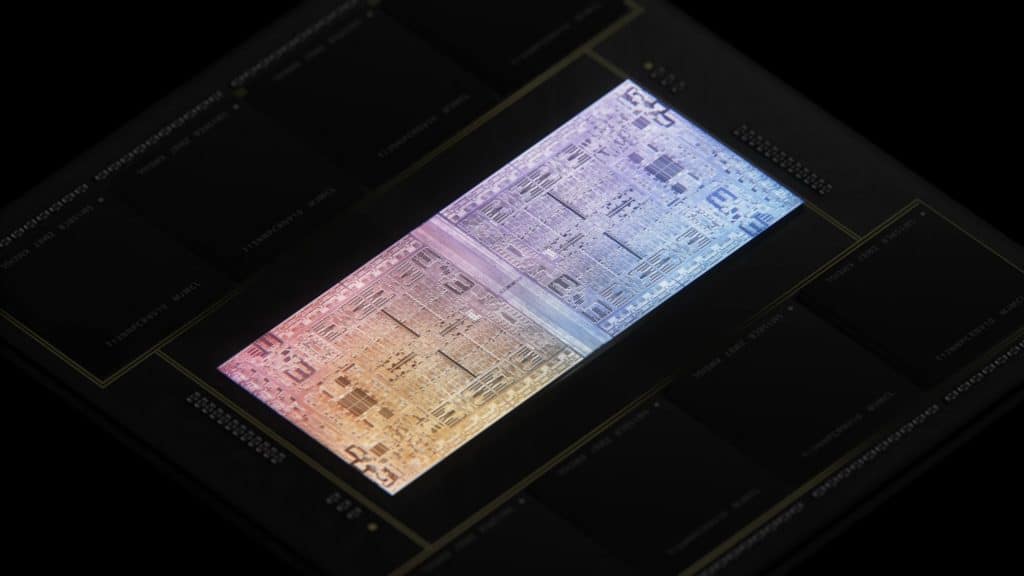
Apple M1 Ultra SoC
The M1 Ultra represents the pinnacle of Apple’s Mac offerings, a legacy continued by the Apple Watch Ultra. This watch is crafted for ultra-demanding scenarios, such as ultramarathons, extreme mountain climbing, and deep-sea diving. Designed with a unibody titanium construction, built to last for days, and created for those navigating the world.
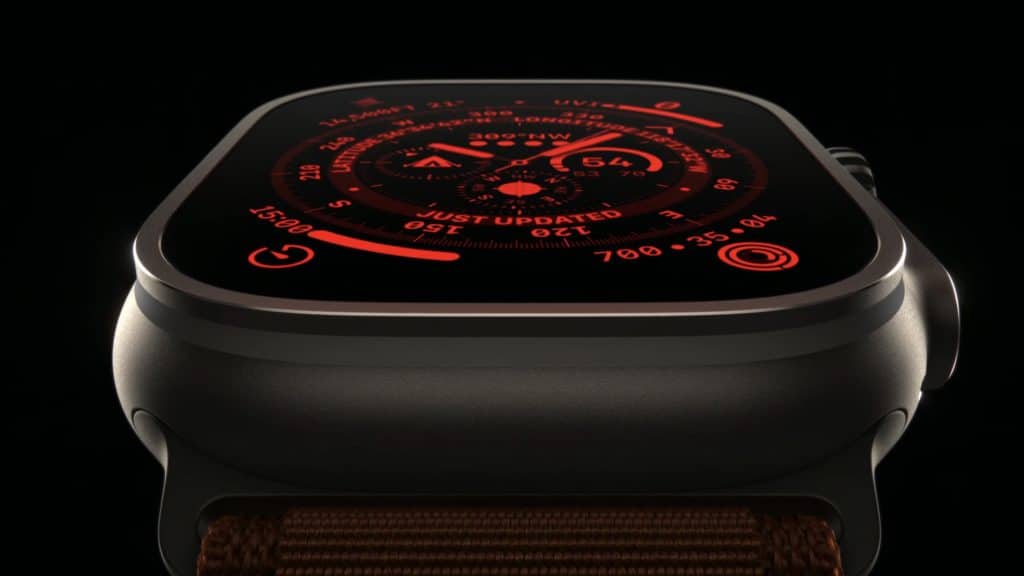
Apple Watch Ultra
What was Samsung’s response to Apple’s Ultra Watch?
The Galaxy Watch Ultra with a colorway and watch face design nearly identical to those of the Apple Watch Ultra, including the orange accent. This was unfortunate, as it overshadowed the impressive capabilities of the Exynos W1000 chip. The Galaxy Watch Ultra’s strengths were diminished by the focus on these similarities during the event.
Similarly, the Galaxy Buds 3 and Buds 3 Pro, despite being exceptional products, faced significant scrutiny. Numerous posts and articles highlighted their striking resemblance to Apple’s AirPods and AirPods Pro.
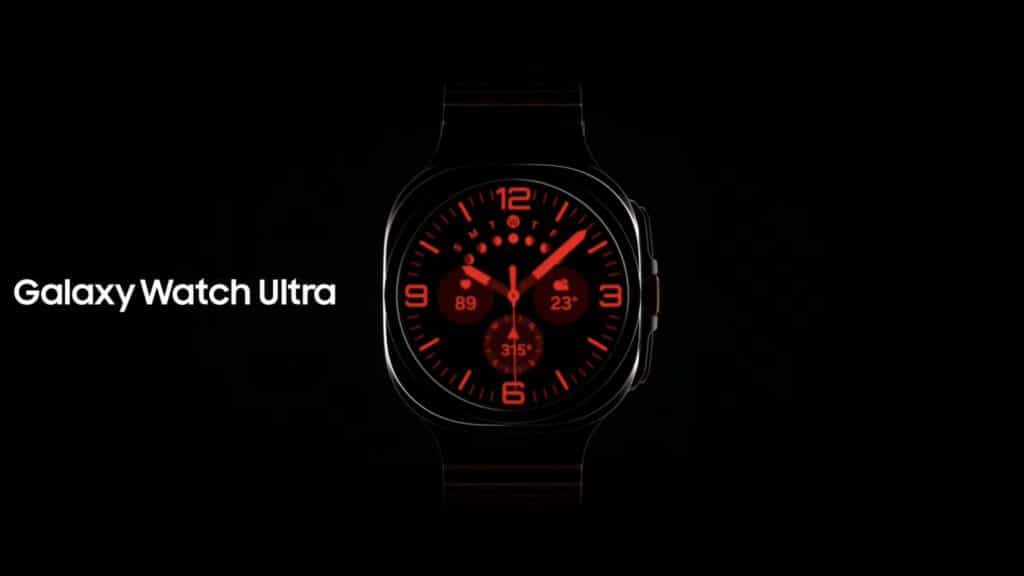
Galaxy Watch Ultra
The situation was so severe that Samsung Electronics Chairman Lee Jae-yong was furious, and employees faced strict disciplinary action following the Galaxy Watch 7 Series, Galaxy Watch Ultra, and Galaxy Buds 3/3 Pro reveal. Samsung has an issue with fragmentation, not only with their software but with their internal management as well. How do you learn about the designs after the event?
The Galaxy Z Fold 7 doesn’t deliver the true Ultra Experience
When I read that “The Ultra Experience is ready to Unfold,” I expected features like a Titanium frame, a built-in S Pen, an anti-reflective display, and/or the S Ultra camera system. I hoped the Galaxy Z Fold 7 would be the perfect replacement for my Galaxy S24 Ultra.
However, we received only one Ultra-level feature: the 200MP main camera. It’s the same sensor used in the Galaxy S25 Edge, which itself is a slimmer version of the S25 Ultra’s 200MP sensor. The trade-off is marginally weaker stabilization, though it still delivers solid results about 98% of the time, making the difference hardly noticeable in daily use.
The rest of the Fold 7 doesn’t quite deliver the Ultra experience Samsung touted. No S Pen support, no 50MP ultrawide lens, no 5x zoom camera, no anti-reflective display; there are plenty of compromises.
Samsung’s overuse of the “Ultra” branding
The “Ultra” branding has eroded with the absence of three key components. The Galaxy Z Fold 7 maintains an 8.9mm profile, but its camera bump increases the thickness to 14mm. Why didn’t Samsung slightly increase the thickness of the Galaxy Z Fold 7 to include a vapor chamber and, as a bonus, reduce the camera bump size?
Omitting the vapor chamber makes zero sense; it should’ve had Ultra-level sustained performance. The exclusion of S Pen support is understandable, as Samsung is reportedly developing a digitizer-less S Pen. But the lack of Titanium when the Galaxy S25 Edge exists is just odd.
The Galaxy S25 Edge, at just 5.8mm thick, incorporates a 200MP sensor in a sleek profile. It features an 11% larger vapor chamber than the Galaxy S25+, delivering superior thermal performance. Built with a titanium frame, it successfully withstood JerryRigEverything’s bend test.
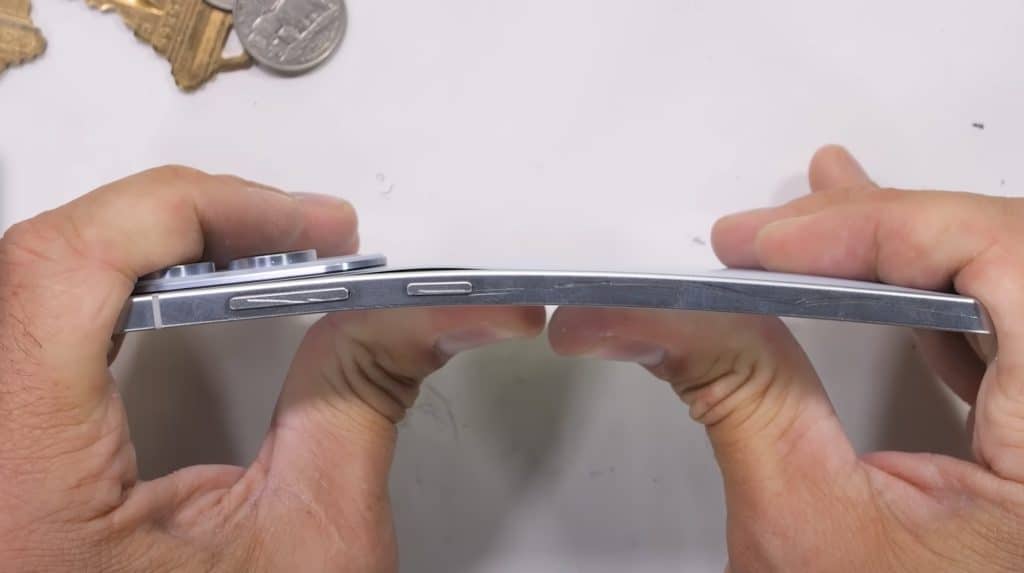
JerryRigEverything
After a few weeks with the Galaxy Z Fold 7, it feels like there’s room for a slimmer, more affordable Galaxy Z Fold FE. Samsung could easily build a compact foldable that pairs an impressive 200MP main camera with balanced performance at the right price. At the same time, it could reserve a true Ultra Fold loaded with premium features for those willing to pay more. With rumors pointing to two Galaxy Z Fold 8 models next year, Samsung might already be heading in that direction.
Interestingly, one aspect that hasn’t been stripped down but has consistently improved year after year is the Snapdragon SoC. That said, Samsung did replace the Snapdragon with its in-house Exynos for the Galaxy Z Flip 7, so nothing’s guaranteed.


Follow us on Google Discover & set us as a preferred source in Google News
Share this Post
___________________________


New Blog Posts
___________________________
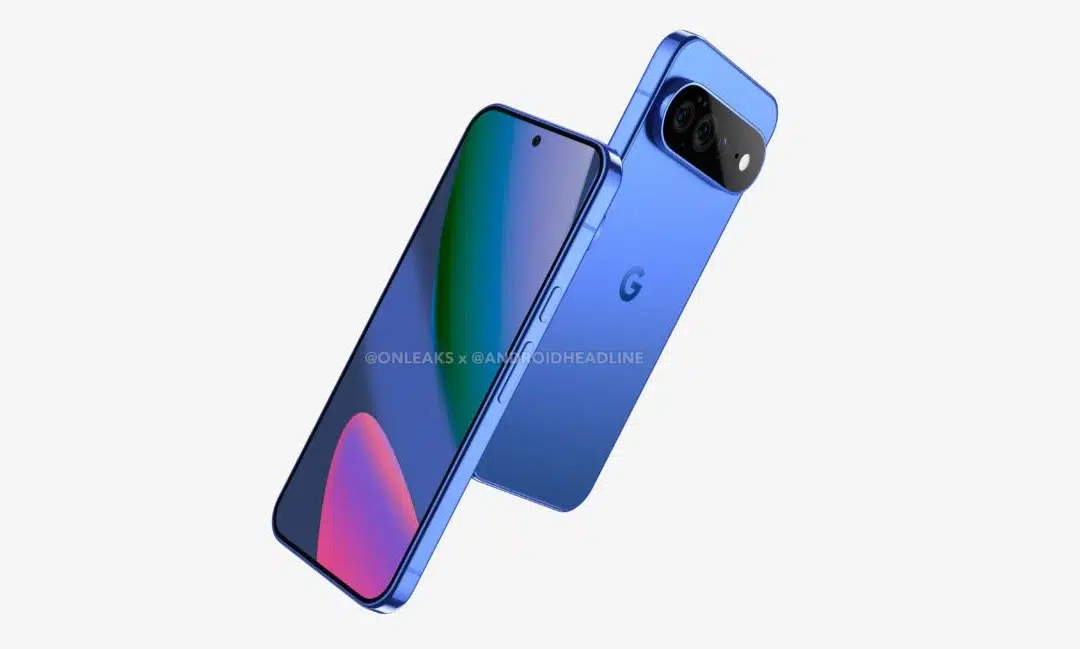
First Set of Pixel 11 Pro XL Renders Are Here
Pixel 11 Pro XL CAD renders show minimal design changes
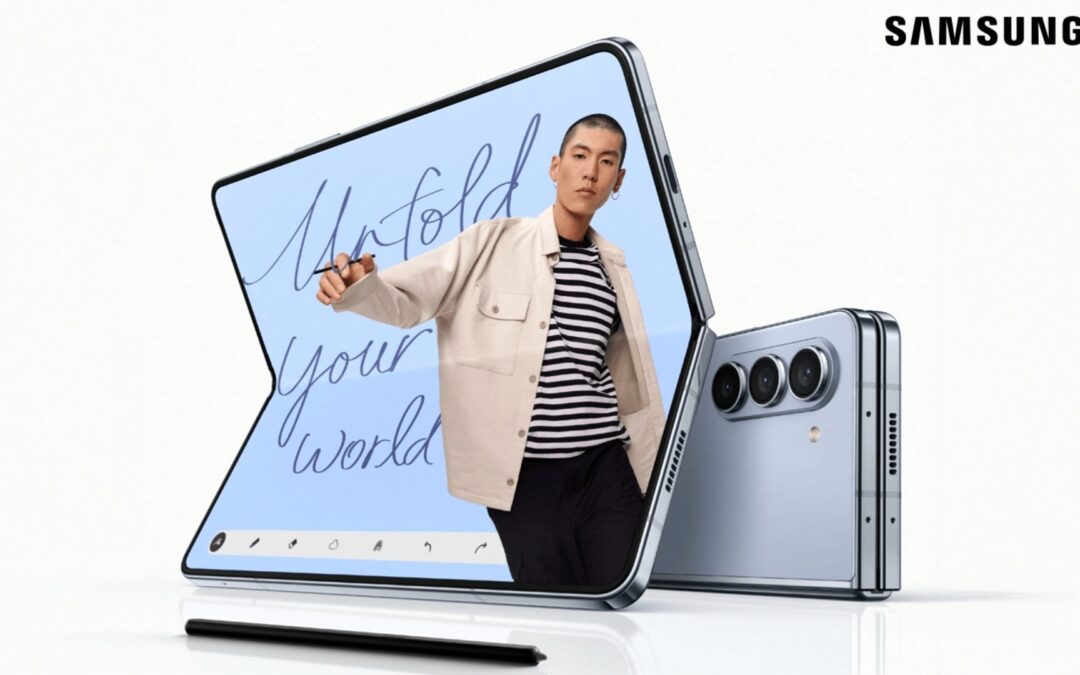
Is Samsung Preparing One UI 8.5 Beta for Galaxy Z Fold 5 and Flip 5?
Samsung may launch a One UI 8.5 beta program for its 2023 foldables
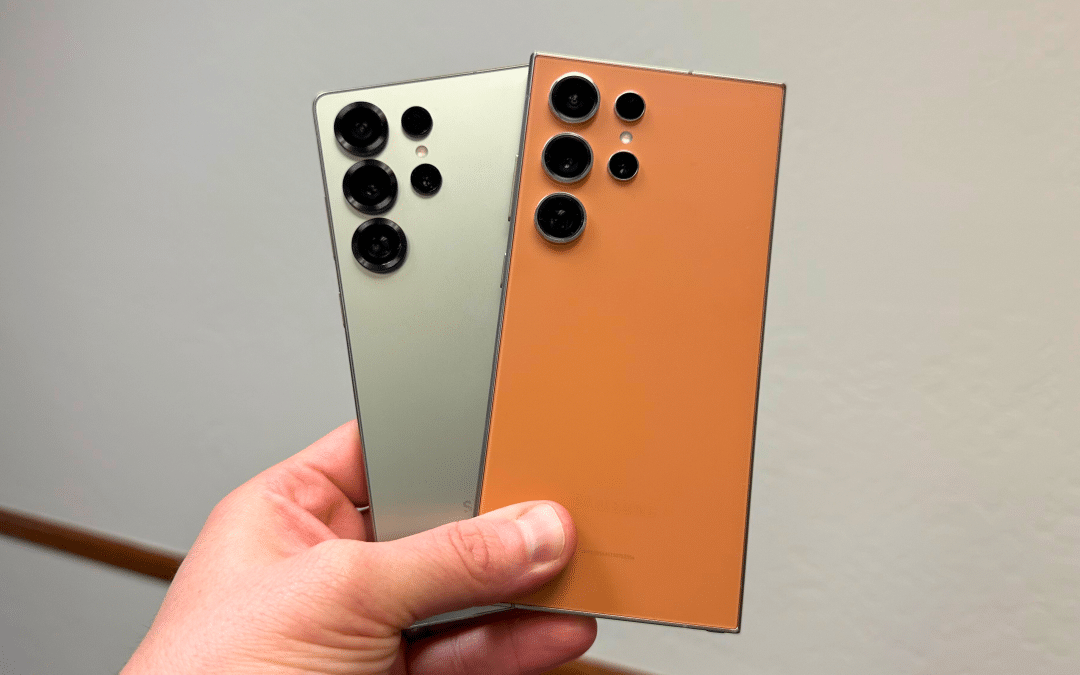
Galaxy S25 One UI 8.5 Beta May Run Longer Than Expected
Galaxy S25 series’ One UI 8.5 beta may stretch to 10 rounds