Samsung Loses Memory Market Crown to SK Hynix for the First Time
SammyGuru is reader-supported. We have affiliate and sponsored partnerships, so we may earn a commission when you buy through links on our site — at no extra cost to you. Learn more.
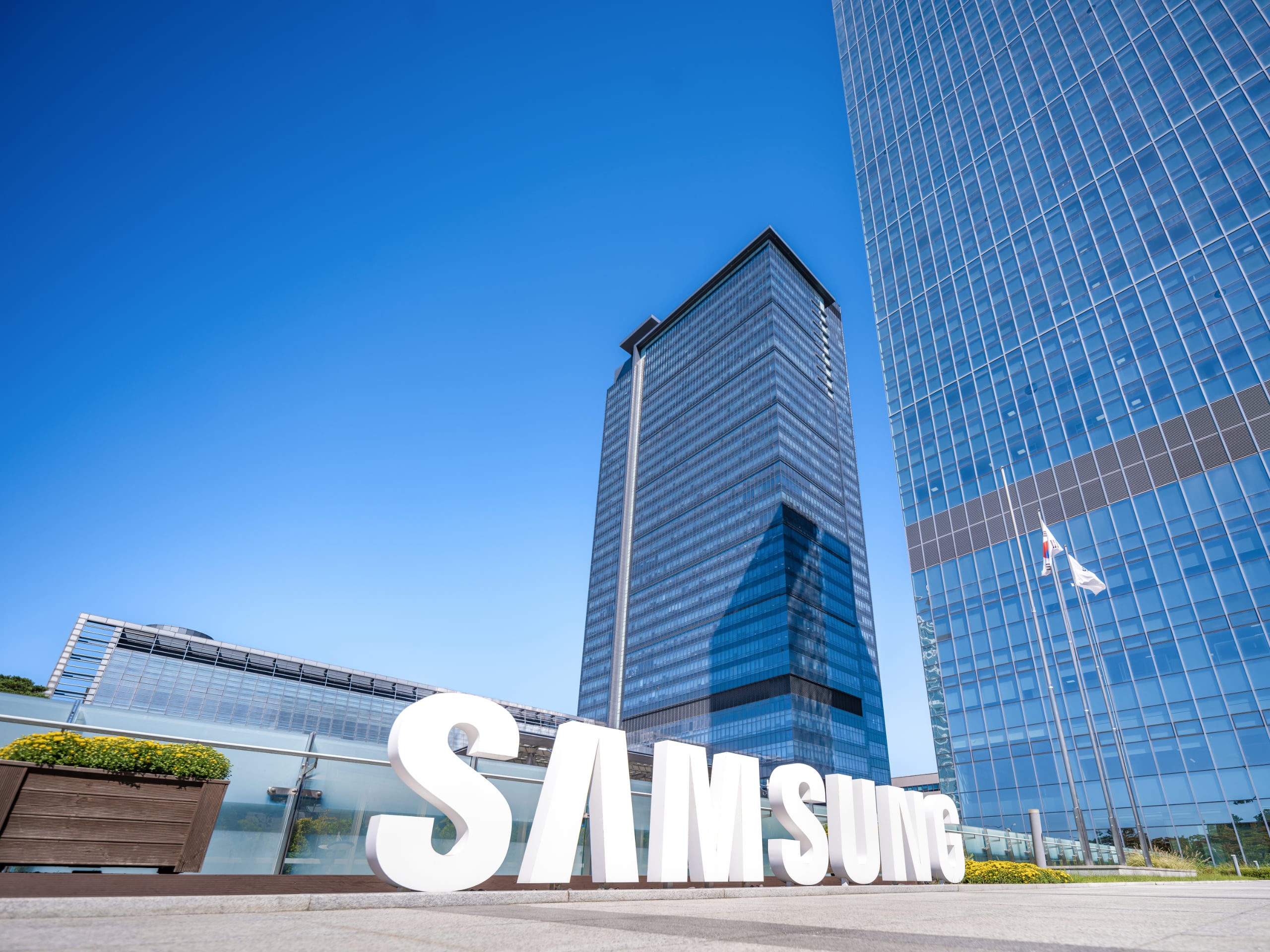
Samsung has lost its top spot in the global memory chip market for the first time. Now, the market leader is SK Hynix according to Q2 2025 revenue results. Thanks to its dominance in High Bandwidth Memory (HBM) chips, it has finally succeeded in overtaking Samsung. The Korean tech giant needs to enter Nvidia’s HBM3E supply chain as soon as possible to make a comeback.
Samsung falls way behind in the HBM market
Samsung has recently revealed its financial report for the April-June 2025 period. It reported sales of KRW 21.2 trillion from its memory division. Meanwhile, its competitor SK Hynix earned KRW 21.8 trillion in memory sales. These figures make SK Hynix the top memory supplier for the first time in its history.
Samsung failed to take advantage of the early AI boom in the HBM market. While demand for high-performance memory has increased lately, Samsung is still struggling to strike deals with major clients like Nvidia. As a result, it is losing market share in the HBM segment, while SK Hynix continues to grow.
According to Counterpoint Research, Samsung’s shipment share for HBM products in Q2 2025 was 17%. That’s a big decline compared to 41% during the same period last year. Meanwhile, SK Hynix secured 62% of shipments, strengthening its leadership in this space. The research firm says Samsung saw a decline because of the export restrictions to China, which limited the sales channel.
In addition to strengthening its DRAM and NAND segments, Samsung now also needs to perform well in the HBM market. “However, to regain lost market share, it is critical for Samsung to diversify its HBM3E customer base and pass NVIDIA’s stringent quality tests,” said Jeongku Choi, an analyst at Counterpoint Research.
Unfortunately, Samsung continues to face setbacks with NVIDIA’s quality test for 12-layer HBM3E — the certification process has reportedly been delayed to Q4 2025. Only time will tell if the company will succeed in securing a deal with NVIDIA and regain its position in the memory market.

Written by
Binay KonwarBinay Konwar started his blogging journey in 2014 and has since written plenty of tech articles. At present, he is working as a News Writer at SammyGuru, covering everything about Samsung. He holds a Master's degree in Mathematics, but his real passion lies in tech and writing. In his free time, he enjoys playing chess and watching movies.

Follow us on Google Discover & set us as a preferred source in Google News
Share this Post
___________________________


New Blog Posts
___________________________
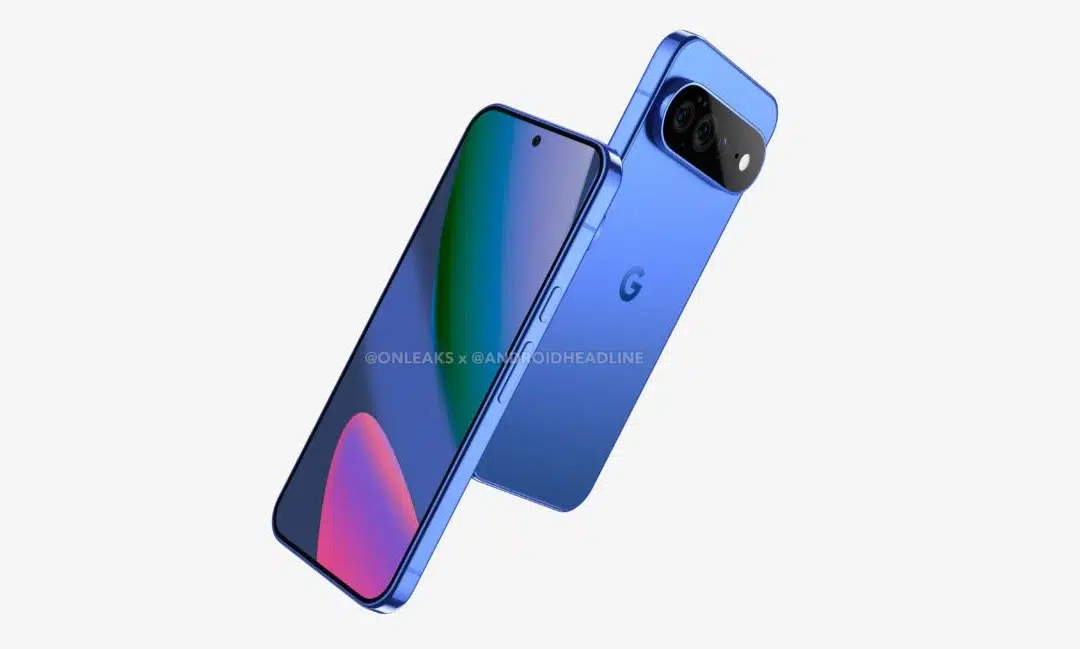
First Set of Pixel 11 Pro XL Renders Are Here
Pixel 11 Pro XL CAD renders show minimal design changes

Is Samsung Preparing One UI 8.5 Beta for Galaxy Z Fold 5 and Flip 5?
Samsung may launch a One UI 8.5 beta program for its 2023 foldables
Galaxy S25 One UI 8.5 Beta May Run Longer Than Expected
Galaxy S25 series’ One UI 8.5 beta may stretch to 10 rounds