
Samsung Looks Serious About Bringing Variable Aperture Back
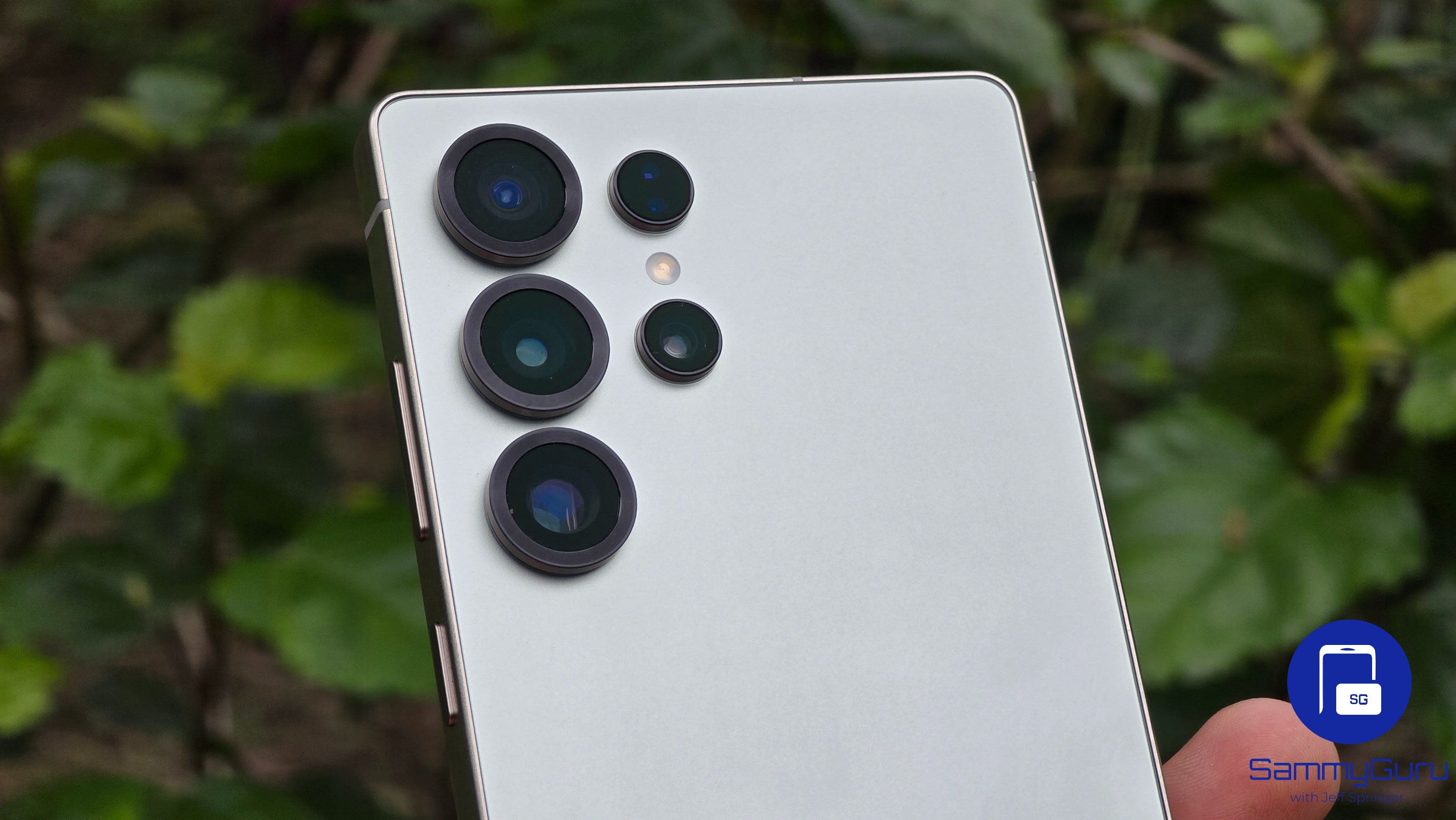
Samsung appears to be seriously considering the return of one of its most experimental camera features. According to new reports, the company is actively exploring variable aperture camera technology once again. The renewed push may not be a coincidence, as growing pressure from Apple could be forcing Samsung to rethink its long-term camera strategy.
Samsung tried variable aperture years ago and dropped
A camera’s aperture controls how much light reaches the sensor. Wider apertures help in low light but can struggle in bright daylight, while narrower apertures improve sharpness and exposure when lighting conditions are harsh. A physical variable aperture allows the camera to adapt optically before software even steps in.
Back in 2018, Samsung introduced variable aperture on the Galaxy S9 series. The camera could physically switch between two apertures, allowing it to capture more light in low-light conditions and restrict light in bright scenes. At the time, it was a rare example of smartphone cameras borrowing directly from traditional photography hardware.
While the feature worked well, it never became a headline-grabbing reason to upgrade. Camera enthusiasts appreciated the added flexibility, but most everyday users rarely took advantage of it. As a result, Samsung quietly dropped variable aperture just a year later with the Galaxy S10 lineup and hasn’t revisited it since.
However, growing chatter suggests Samsung may be preparing to bring it back, potentially with the Galaxy S27 Ultra next year. The company has reportedly requested development of variable aperture camera modules from multiple suppliers, signaling a renewed push behind the scenes.
While the move would be welcome given how far smartphone camera technology has advanced, the timing raises an interesting question. Variable aperture could be making its way back to Galaxy flagships just as Apple prepares to adopt similar hardware. The iPhone 18 Pro Max is rumored to offer the technology later this year.
Of course, Samsung originally pioneered this solution on smartphones. However, revisiting a long-abandoned feature at the same moment Apple enters the space may still invite comparisons and renewed copycat claims from critics. It remains to be seen who does it better.

Follow us on Google Discover & set us as a preferred source in Google News
Share this Post
___________________________


New Blog Posts
___________________________
First Set of Pixel 11 Pro XL Renders Are Here
Pixel 11 Pro XL CAD renders show minimal design changes
Is Samsung Preparing One UI 8.5 Beta for Galaxy Z Fold 5 and Flip 5?
Samsung may launch a One UI 8.5 beta program for its 2023 foldables
Galaxy S25 One UI 8.5 Beta May Run Longer Than Expected
Galaxy S25 series’ One UI 8.5 beta may stretch to 10 rounds