Samsung Inches Closer to Launching Smart Glasses
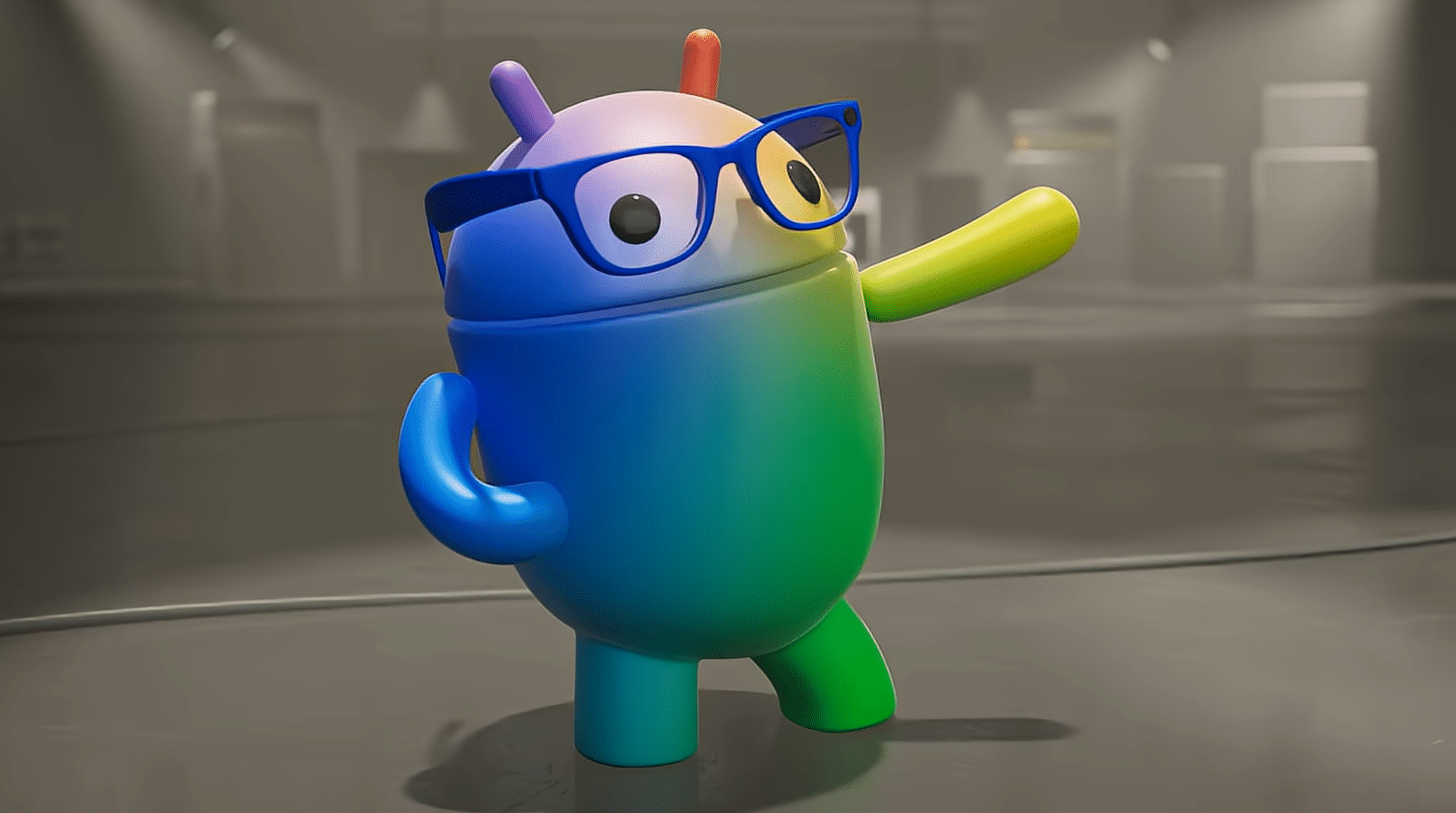
Samsung is reportedly gearing up to launch its first smart glasses sometime in 2026. However, the company already appears to be laying the groundwork. The firm’s Nearby Device Scanning service recently added quick pair support for glasses, suggesting that the wearable is just around the corner.
Samsung lays the groundwork for smart glasses with quick pair support
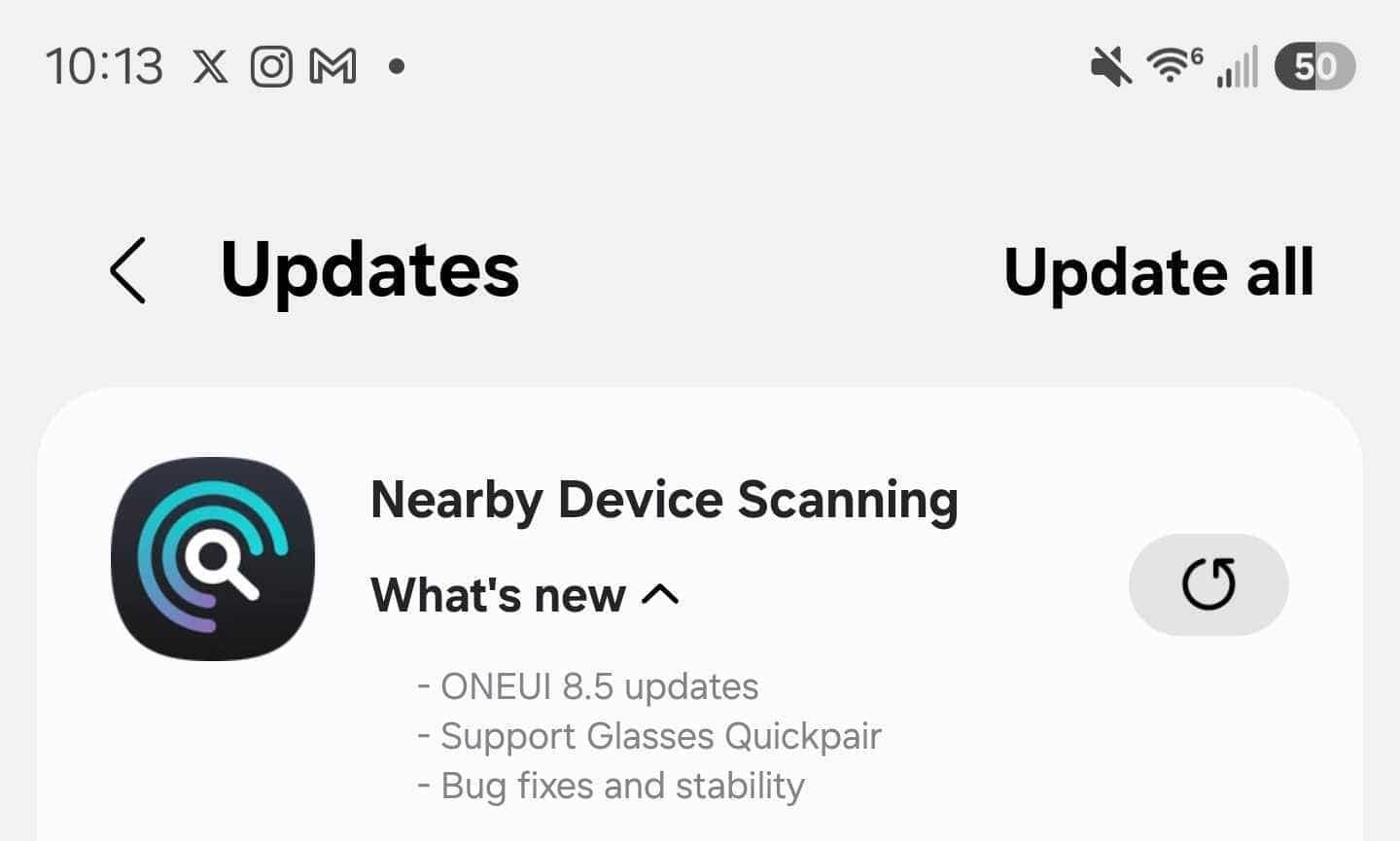
Nearby Device Scanning is a built-in feature that enables easy pairing between Galaxy accessories and Galaxy smartphones or tablets. It already works with devices like Galaxy Buds and Galaxy Watches, showing a pop-up to automatically pair when a compatible device is nearby. In its latest update, the feature added support for Glasses Quickpair. This suggests the company plans to launch its smart glasses soon.
Samsung is working on at least two different smart glasses models. Expected to debut in 2026, the first model could be lightweight and screenless, focusing on AI features, audio, and photography. Meanwhile, the second model could arrive in 2027 as a more advanced version. It may include an augmented reality (AR) display that offers visual overlays.
The first smart glasses may carry the model number SM-O200P. They may feature transition-style lenses that adjust to lighting conditions. Moreover, there could be a built-in camera for capturing images or processing visual information. The glasses may connect to a smartphone via Wi-Fi and Bluetooth (they likely won’t support mobile data). This means you will need a Galaxy phone nearby to use the glasses’ features. The Glasses Quickpair support within Nearby Device Scanning appears to be intended for this job.
Samsung will reportedly make its first screenless smart glasses available in the US. Hopefully, the company will expand the release to other regions as well, though it could depend on market response. We’ll let you know when we have new information about the glasses. Meanwhile, you can check out the company’s first Galaxy XR headset, a multimodal AI device built on Android XR.

Follow us on Google Discover & set us as a preferred source in Google News
Share this Post
___________________________


New Blog Posts
___________________________
First Set of Pixel 11 Pro XL Renders Are Here
Pixel 11 Pro XL CAD renders show minimal design changes
Is Samsung Preparing One UI 8.5 Beta for Galaxy Z Fold 5 and Flip 5?
Samsung may launch a One UI 8.5 beta program for its 2023 foldables
Galaxy S25 One UI 8.5 Beta May Run Longer Than Expected
Galaxy S25 series’ One UI 8.5 beta may stretch to 10 rounds