Samsung Highlights Importance of Trust and Security in AI Era
SammyGuru is reader-supported. We have affiliate and sponsored partnerships, so we may earn a commission when you buy through links on our site — at no extra cost to you. Learn more.
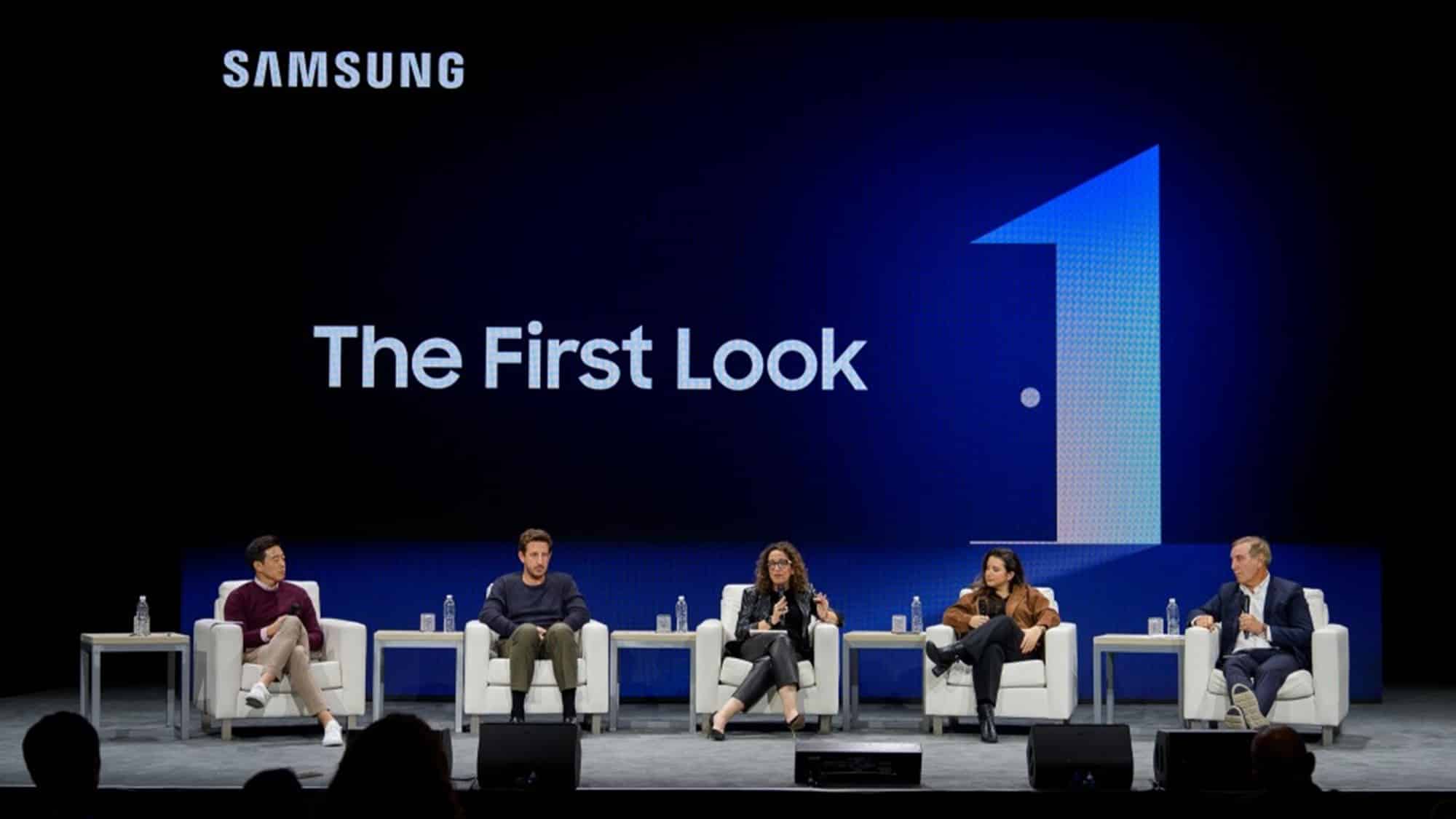
Samsung has highlighted the growing importance of trust and security in AI as technology becomes a part of day-to-day life. At its Tech Forum session, “In Tech We Trust? Rethinking Security & Privacy in the AI Age,” held at the ongoing CES 2026, the company brought global experts in technology, research, and ethics to discuss how users can feel confident about AI in their devices.
Panelists discuss trust and security as AI plays a key role in daily life
In recent years, AI has become more advanced — it can predict users’ needs, manage routines, and work autonomously across devices. Of course, this makes life more convenient, but it also raises questions about privacy, security, and control. Panelists emphasized that trust is earned through consistent and understandable behavior, not just promises.
Allie K. Miller, CEO of Open Machine, said users want to know whether an AI model is running locally or in the cloud. When they can see that their data is secure and which features are powered by AI, it builds confidence. Simply put, users are looking for transparency and control in AI.
Samsung also highlighted its trust-by-design approach that makes AI predictable, transparent, and easy to control. The company focuses on device AI to keep personal data locally whenever possible. It uses cloud-based AI only when greater speed or scale is required.
The panel also discussed the importance of security as intelligence spread across multiple devices. Samsung’s Knox security platform protects billions of devices from the chipset up the software slack. Thanks to the Knox Matrix framework, devices can authenticate and protect one another. The company also works with industry leaders such as Google and Microsoft to improve security research, interoperability, and protect the whole ecosystem.
Meanwhile, Amy Webb, CEO of the Future Today Strategy Group, emphasized that people don’t make purchasing decisions based solely on trust. “People aren’t paying for trust. They don’t buy things because of trust. They buy things because of convenience. So, if the AI piece of this hooks people in, it makes their lives easier and more convenient,” she explained. You can read more of the panel discussion here.

Written by
Binay KonwarBinay Konwar started his blogging journey in 2014 and has since written plenty of tech articles. At present, he is working as a News Writer at SammyGuru, covering everything about Samsung. He holds a Master's degree in Mathematics, but his real passion lies in tech and writing. In his free time, he enjoys playing chess and watching movies.

Follow us on Google Discover & set us as a preferred source in Google News
Share this Post
___________________________


New Blog Posts
___________________________
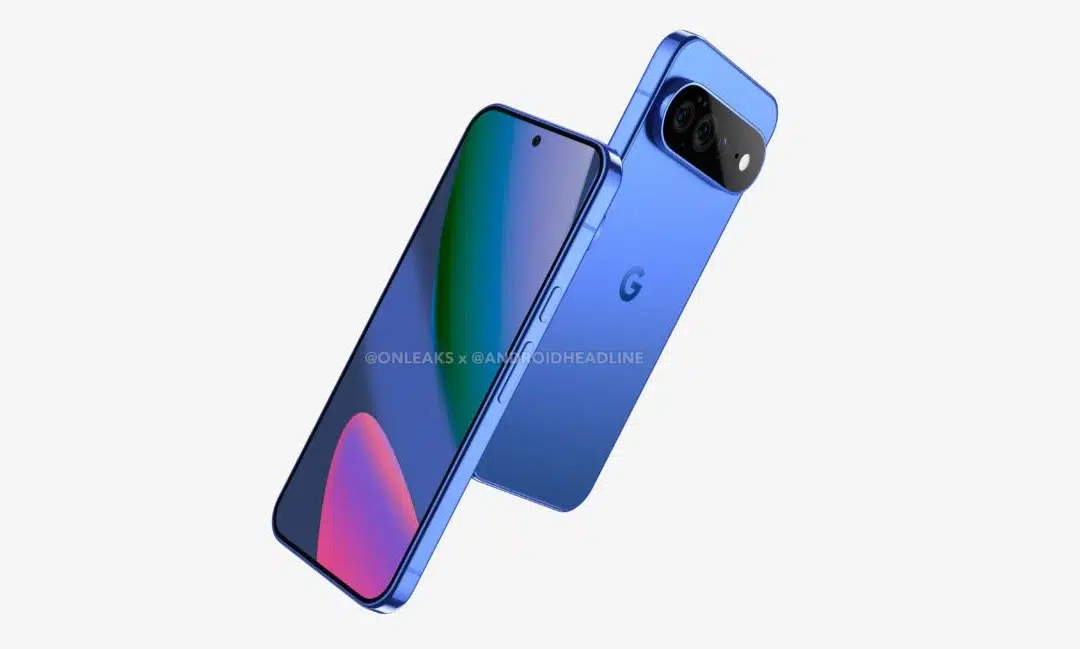
First Set of Pixel 11 Pro XL Renders Are Here
Pixel 11 Pro XL CAD renders show minimal design changes
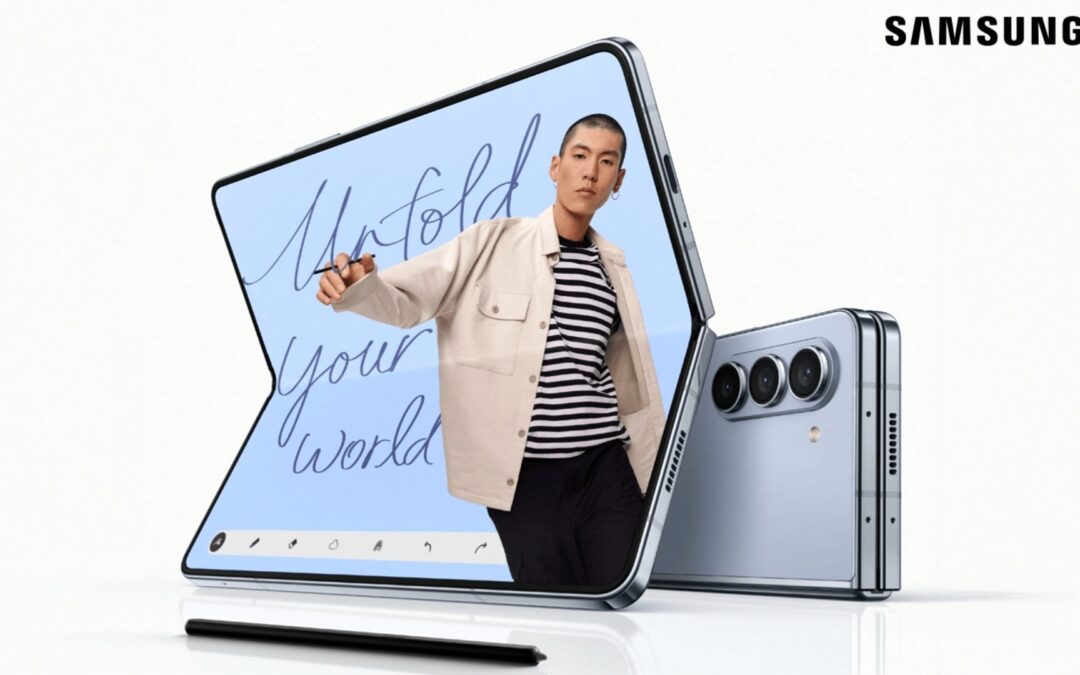
Is Samsung Preparing One UI 8.5 Beta for Galaxy Z Fold 5 and Flip 5?
Samsung may launch a One UI 8.5 beta program for its 2023 foldables
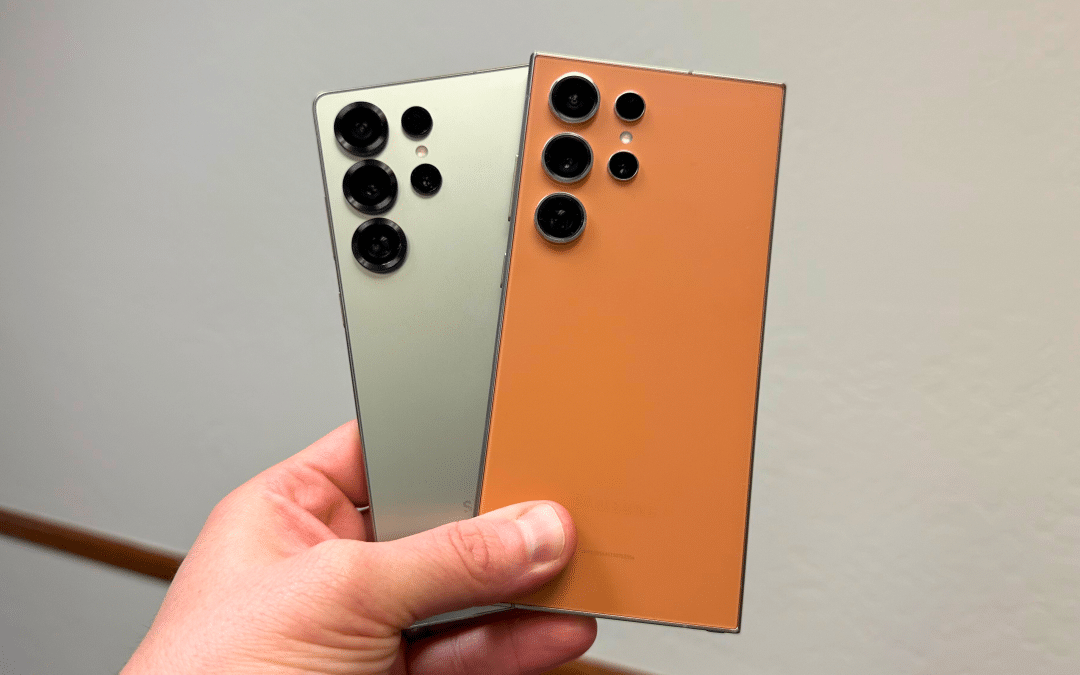
Galaxy S25 One UI 8.5 Beta May Run Longer Than Expected
Galaxy S25 series’ One UI 8.5 beta may stretch to 10 rounds