Samsung Facing Pricing Pressure on Galaxy Z TriFold
SammyGuru is reader-supported. We have affiliate and sponsored partnerships, so we may earn a commission when you buy through links on our site — at no extra cost to you. Learn more.
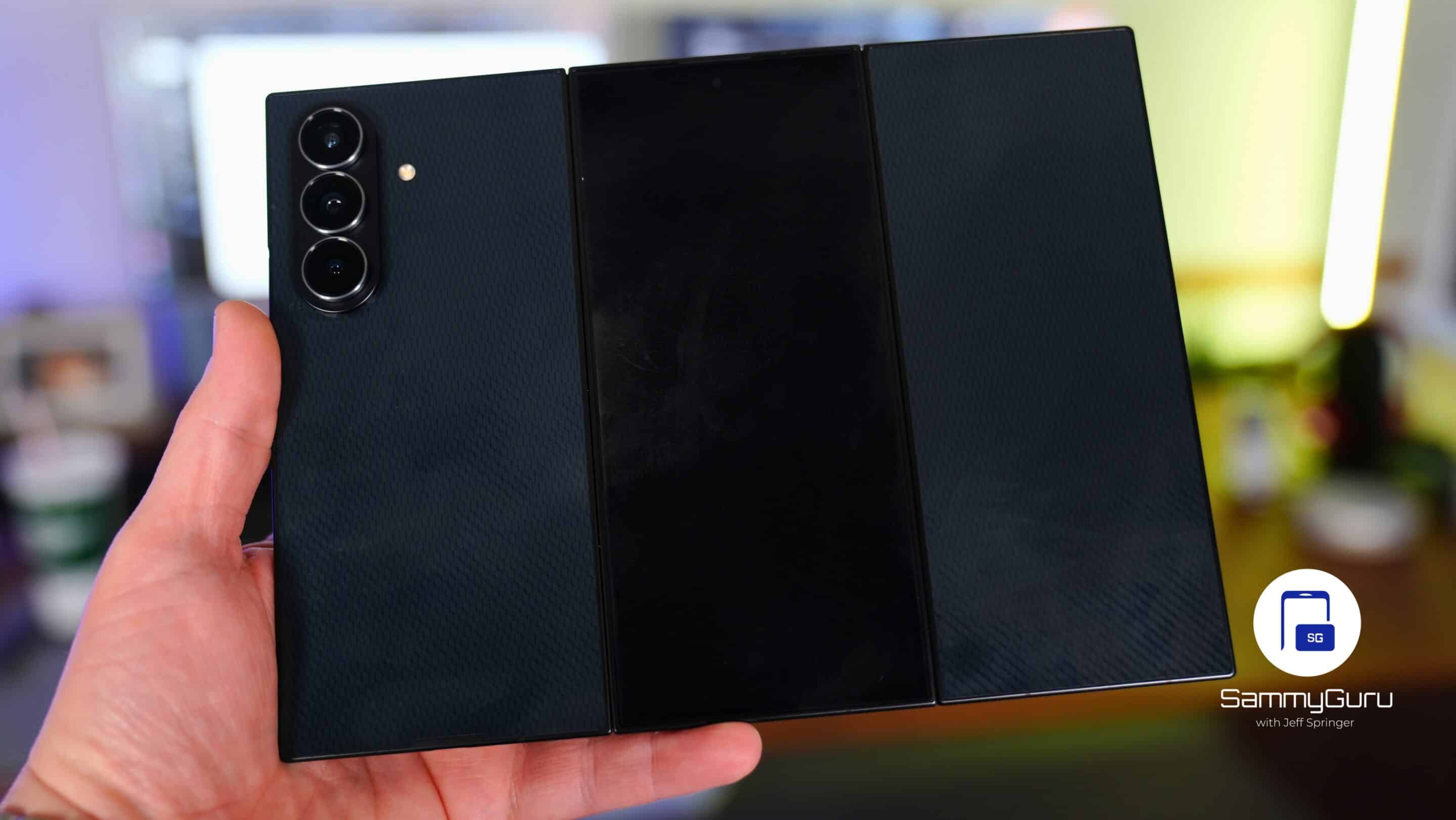
Samsung has launched the Galaxy Z TriFold, bringing a revolution to the mobile industry. However, the company is facing intense pricing pressure behind the scenes, as increasing component costs make it difficult to sell the device profitably. At the same time, the upcoming Galaxy S26 series is suffering similar cost problems.
Samsung appears to be selling its TriFold at a loss
Samsung’s Galaxy Z TriFold takes the foldable smartphone experience to the next level. Unlike Z Fold phones that fold once, the TriFold features a three-panel design that folds twice. As a result, it offers users a much larger screen when fully opened. However, such a cutting-edge folding device needs expensive components and complex engineering.
The Galaxy Z TriFold costs KRW 3,590,400 in South Korea. Samsung initially intended to set the price around 4 million won, but rising competition led the company to lower it slightly. Moreover, the Korean firm rushed to release the TriFold after Chinese rival Huawei unveiled its second-generation tri-fold phone. It also wanted to showcase its advanced technological innovation in the foldable segment, but this comes at a cost.
Korean media outlet The Bell says the Galaxy Z TriFold’s production cost surpasses its selling price, meaning the company loses money on each unit sold. Due to limited production, Samsung also cannot rely on mass manufacturing to offset the costs of advanced components. During the launch event, the company said, “There were various issues, such as the memory price, but we made a grand decision to reduce it and achieve this difficult price.”
As of now, Samsung is gearing up to bring its Galaxy Z TriFold to the US in the first quarter of 2026. The phone might hit store shelves at around $2,500, which is reasonable compared with the Galaxy Z Fold 7’s $1,999 price. Meanwhile, Samsung is having difficulty setting prices for the upcoming Galaxy S26 series. One of the key reasons is the recent surge in memory prices, which has pushed up production costs.

Written by
Binay KonwarBinay Konwar started his blogging journey in 2014 and has since written plenty of tech articles. At present, he is working as a News Writer at SammyGuru, covering everything about Samsung. He holds a Master's degree in Mathematics, but his real passion lies in tech and writing. In his free time, he enjoys playing chess and watching movies.

Follow us on Google Discover & set us as a preferred source in Google News
Share this Post
___________________________


New Blog Posts
___________________________
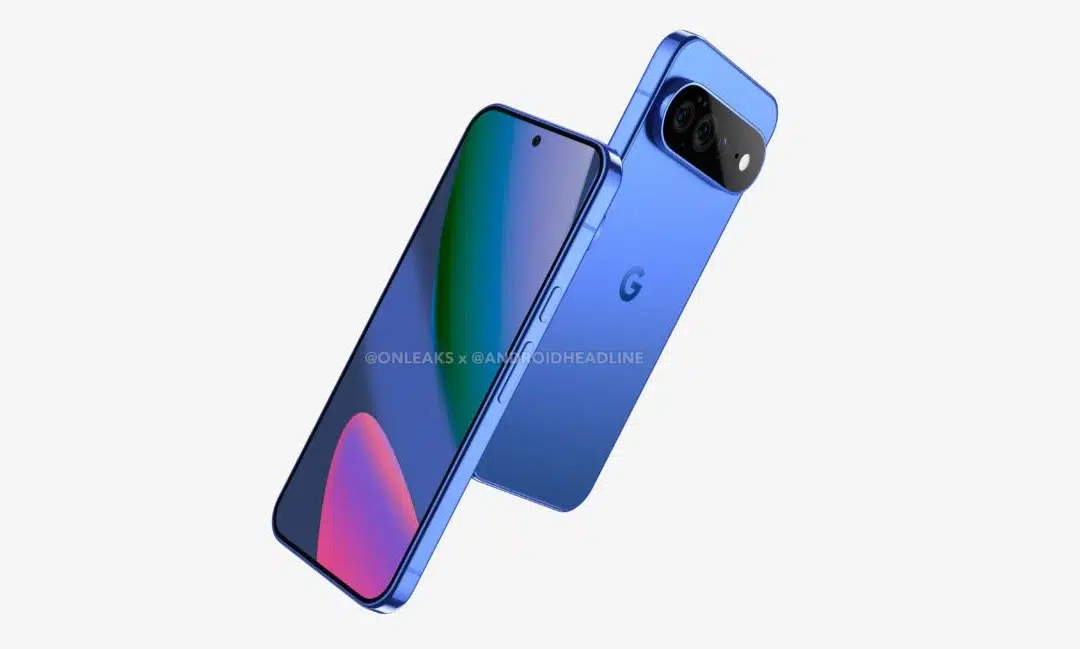
First Set of Pixel 11 Pro XL Renders Are Here
Pixel 11 Pro XL CAD renders show minimal design changes
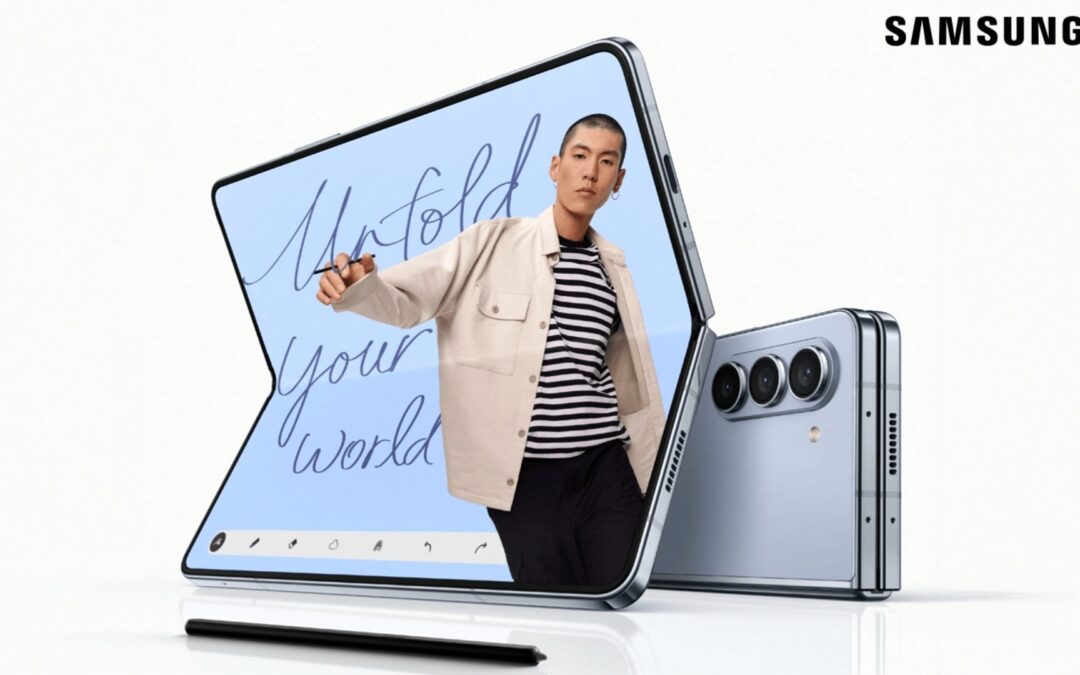
Is Samsung Preparing One UI 8.5 Beta for Galaxy Z Fold 5 and Flip 5?
Samsung may launch a One UI 8.5 beta program for its 2023 foldables
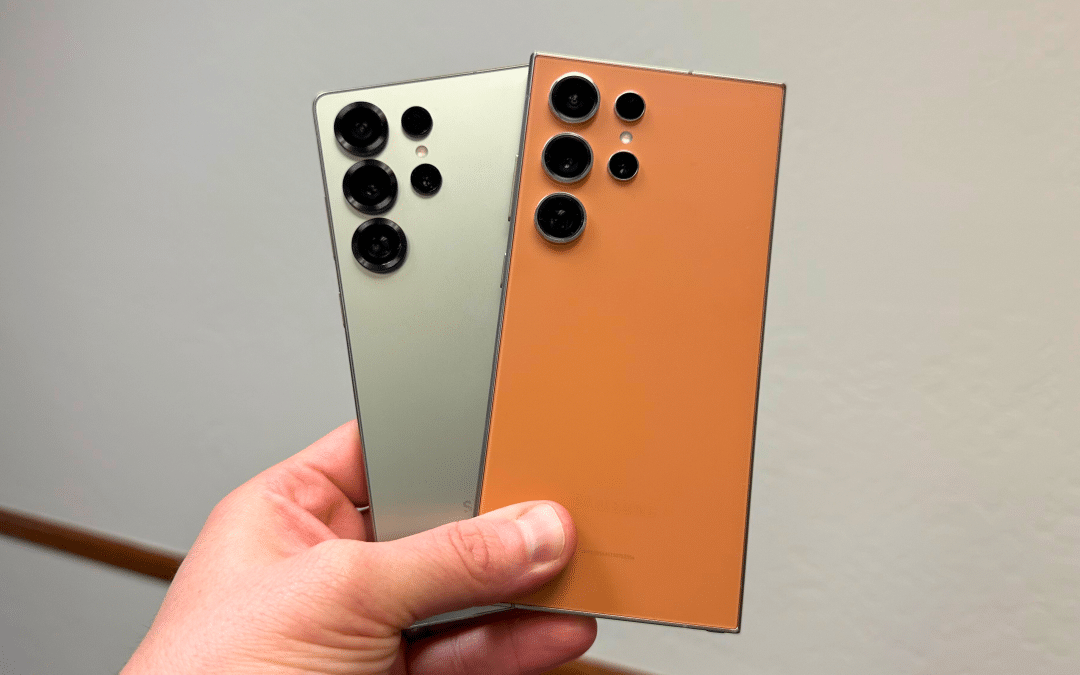
Galaxy S25 One UI 8.5 Beta May Run Longer Than Expected
Galaxy S25 series’ One UI 8.5 beta may stretch to 10 rounds