Samsung Eyes Long-Term Chip Supply Agreements with Big Tech Giants
SammyGuru is reader-supported. We have affiliate and sponsored partnerships, so we may earn a commission when you buy through links on our site — at no extra cost to you. Learn more.
While Samsung is securing profits in the memory business, it also aims to solidify its position in the supply chain going forward. The company is reportedly seeking long-term agreements to supply memory chips to Google and Microsoft. If it pans out, the Korean firm would sign its first binding memory supply agreement of this kind.
Samsung aims to boost its memory supply chain with multi-year deals
In recent years, the memory industry has seen a surge in demand thanks to the rapid growth of AI data centers. This opens a big opportunity for memory makers to increase production and sales. Unsurprisingly, Samsung remains in a strong position to benefit the most from this trend.
According to a report from EBN, Samsung is negotiating long-term chip supply contracts with Google and Microsoft. The likely plan is to set the purchase volume for several years while linking the price to the market. The tech giants may pay large advance amounts to Samsung. However, if they fail to buy the agreed volume within three to five years, these payments would be deducted.
Memory chip prices fall into two types: spot prices and fixed prices. The former change daily depending on immediate supply and demand, while the latter serve as benchmarks for large-scale supply contracts. Securing multi-year contracts helps both parties to achieve predictable business stability and visibility.
“This long-term supply contract essentially means that they are instructed to expand as volume is guaranteed,” said a semiconductor industry official. “By promising large volumes over an extended period, they will be able to expand with peace of mind.”
Industry watchers expect Samsung to expand its investments once the long-term supply contracts are finalized. The reason is that demand volume will become clear, giving the company confidence to invest without hesitation. In fact, the firm recently confirmed to spend over 110 trillion won (the largest yearly investment in its history) this year on R&D and facilities. This could help it boost its leadership in the growing AI semiconductor market.

Written by
Binay KonwarBinay Konwar started his blogging journey in 2014 and has since written plenty of tech articles. At present, he is working as a News Writer at SammyGuru, covering everything about Samsung. He holds a Master's degree in Mathematics, but his real passion lies in tech and writing. In his free time, he enjoys playing chess and watching movies.

Follow us on Google Discover & set us as a preferred source in Google News
Share this Post
___________________________


New Blog Posts
___________________________
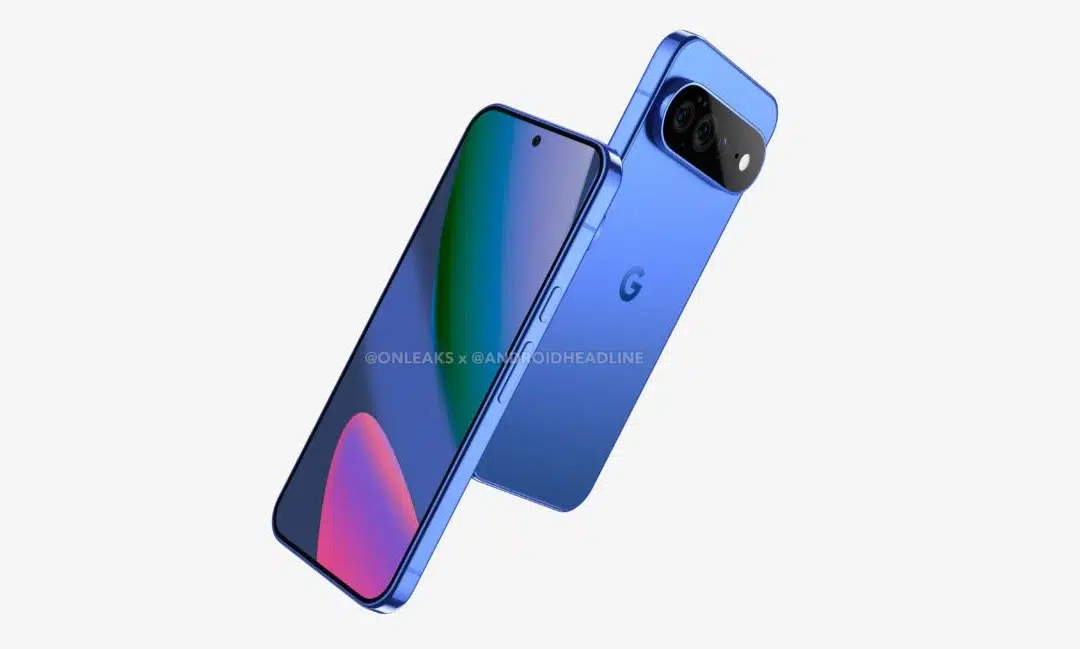
First Set of Pixel 11 Pro XL Renders Are Here
Pixel 11 Pro XL CAD renders show minimal design changes
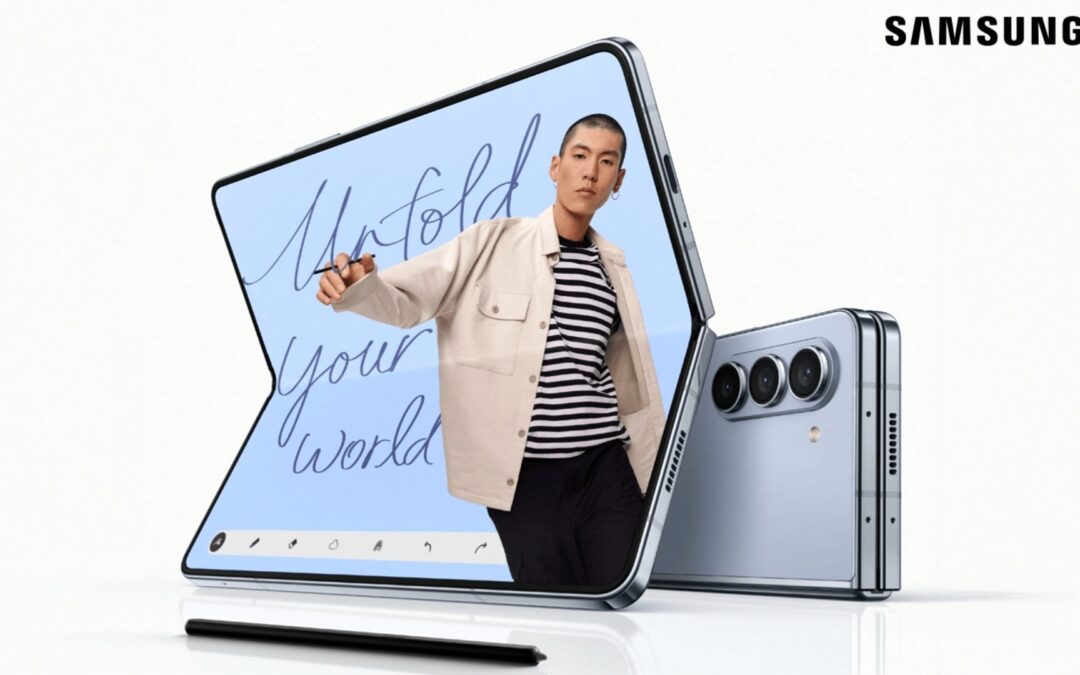
Is Samsung Preparing One UI 8.5 Beta for Galaxy Z Fold 5 and Flip 5?
Samsung may launch a One UI 8.5 beta program for its 2023 foldables
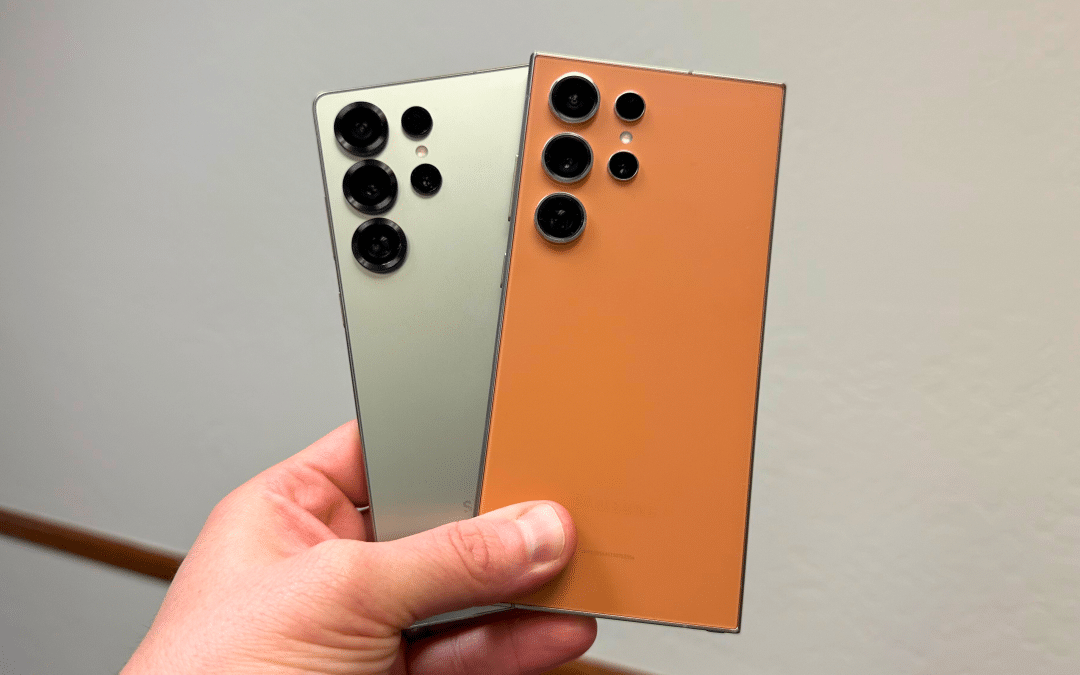
Galaxy S25 One UI 8.5 Beta May Run Longer Than Expected
Galaxy S25 series’ One UI 8.5 beta may stretch to 10 rounds