
Samsung Exynos Auto V720 to Power BMW’s New iX3 Electric SUV
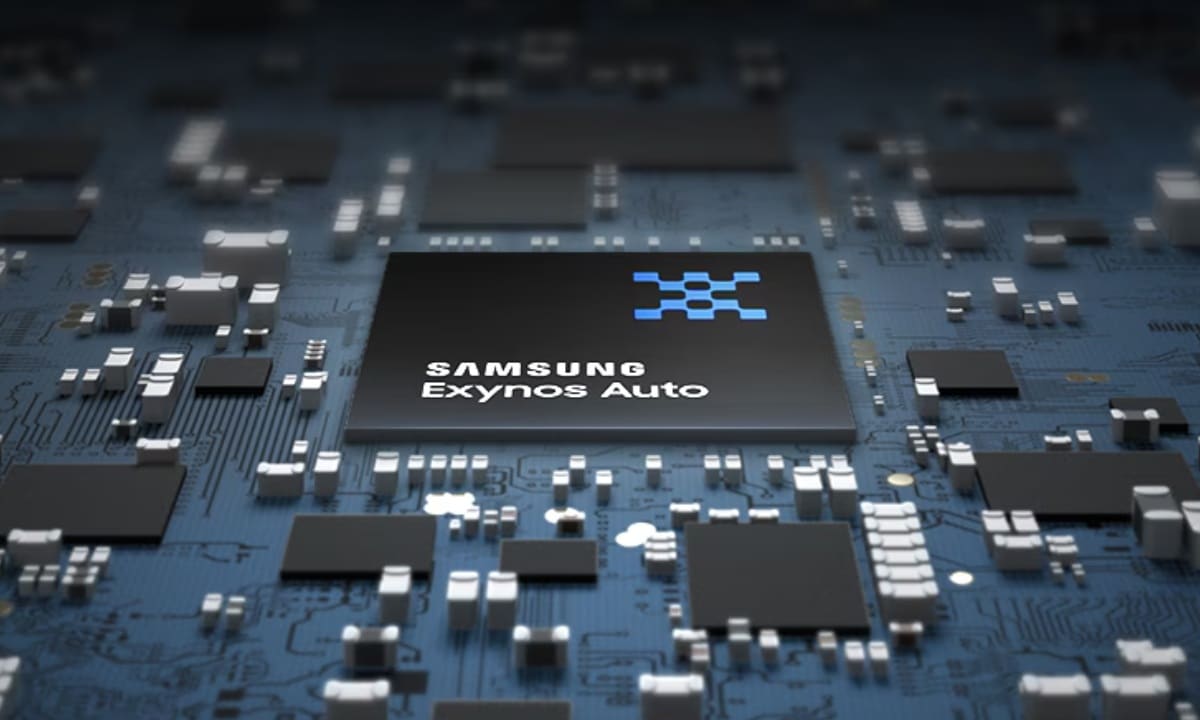
Samsung may be rethinking its Exynos Auto strategy, but it seemingly isn’t exiting the automotive chip space outright. Even as reports suggest the company has dismantled its automotive SoC team and paused mass production of some previously announced chips, it has landed a significant win. BMW is reportedly set to use the Exynos Auto V720 in its upcoming electric SUV, with plans to deepen the partnership in the future.
BMW adopts Exynos Auto V720 for next-gen vehicles
According to the Korean media, BMW has selected Samsung’s Exynos Auto V720 chip for its upcoming electric SUV, the new BMW iX3. Built on an advanced 5nm process, it is a high-performance infotainment processor offering real-time navigation, high-resolution multimedia, and advanced graphics. The chip meets the growing demand for sophisticated in-car computing platforms.
The new BMW iX3 is the first built on the German carmaker’s next-generation electric platform, so it’s a big win for Samsung. More importantly, BMW reportedly plans to use Exynos Auto chips in its future electric vehicles, as well as some upcoming internal combustion engine models. The Exynos Auto V920, also a 5nm chip but more powerful than the V720, may power the new 7 Series sedan.
As mentioned, this comes amid rumors of Samsung scaling back the Exynos Auto business due to profitability concerns. Despite being in the business for several years and supplying to some big names like Audi, Hyundai, and Volkswagen, the company hasn’t managed a strong foothold in this market.
In fact, recent reports suggested that Samsung may exit the automotive SoC space altogether. However, with BMW seemingly signing a multi-year deal, there’s hope that the Exynos Auto lineup still has a future. Whether this win represents a renewed commitment or the final phase of the Korean firm’s automotive chip ambitions, only time will tell.

Follow us on Google Discover & set us as a preferred source in Google News
Share this Post
___________________________


New Blog Posts
___________________________
First Set of Pixel 11 Pro XL Renders Are Here
Pixel 11 Pro XL CAD renders show minimal design changes

Is Samsung Preparing One UI 8.5 Beta for Galaxy Z Fold 5 and Flip 5?
Samsung may launch a One UI 8.5 beta program for its 2023 foldables
Galaxy S25 One UI 8.5 Beta May Run Longer Than Expected
Galaxy S25 series’ One UI 8.5 beta may stretch to 10 rounds