Samsung Could Get More HBM3E Orders Thanks to Nvidia H200 China Ban Lift
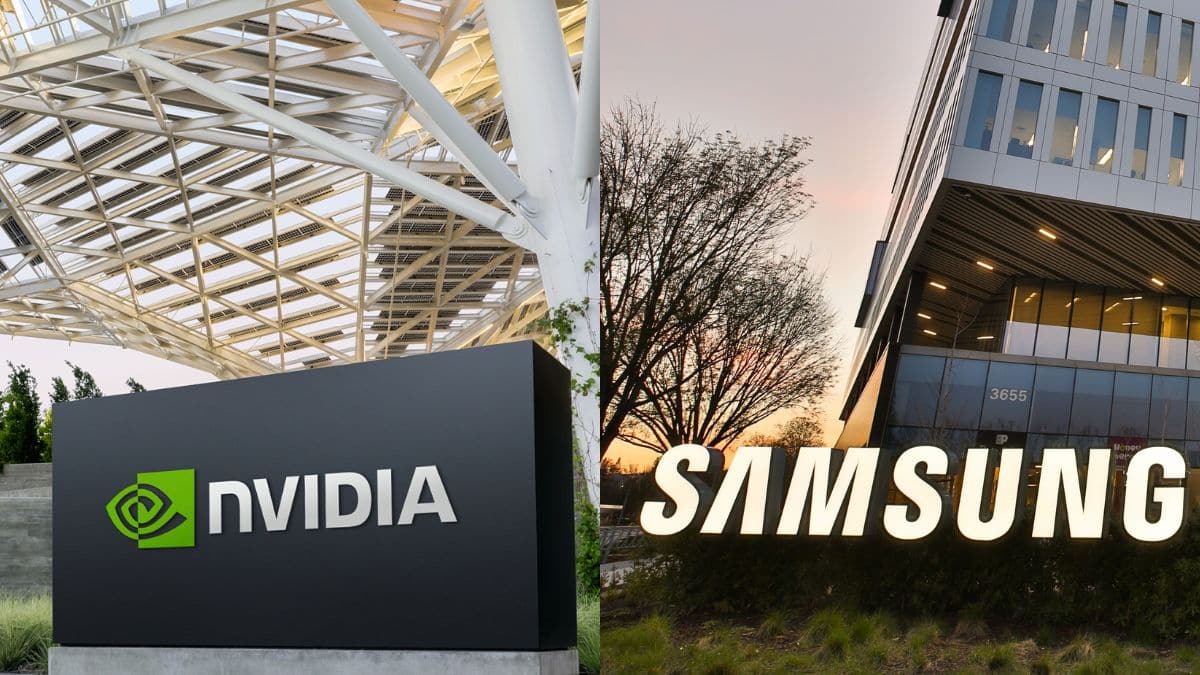
While Samsung recently stepped into Nvidia’s HBM3E supply chain, it is not receiving as many orders as its arch-rival and industry leader, SK Hynix. Thanks to the recent lifting of the US export ban on Nvidia’s H200 AI chip to China, new opportunities are emerging for both companies. The reason is that the chip uses HBM3E memory, and Nvidia will likely need more of it to meet demand from Chinese customers.
Nvidia H200 ban lift creates opportunities for Samsung and SK Hynix
SK Hynix may benefit the most in the short term. The company already supplies around 90% of Nvidia’s HBM volume for several products, like H100 and H200. Its dominant position means it may take the majority of new orders resulting from H200 sales in China. This could further strengthen the company’s leadership in the global HBM market.
For Samsung, the opportunity is more about growth and long-term strategy. While the order volumes may be smaller than SK Hynix’s, it could allow the company to expand its presence in the AI memory market. Chinese clients like ByteDance and Alibaba are reportedly in talks with Nvidia for H200 chips. If they ink a deal, Samsung may get more HBM3E orders.
Meanwhile, Samsung is hopeful that it can make a comeback in the HBM market with its next-generation HBM4 product. The company is using advanced 1c DRAM (6th generation 10nm-class) technology to produce HBM4, which promises higher performance and efficiency compared to previous generations. If Samsung secures HBM4 supply contracts with Nvidia, it could close the gap with SK Hynix in the coming years.
As of now, Nvidia is testing Samsung’s early HBM4 samples. The former has also reportedly given positive feedback on the chip’s performance. The two companies are also discussing pricing and supply plans for next year, with Samsung intending to charge the same price as SK Hynix.

Follow us on Google Discover & set us as a preferred source in Google News
Share this Post
___________________________


New Blog Posts
___________________________
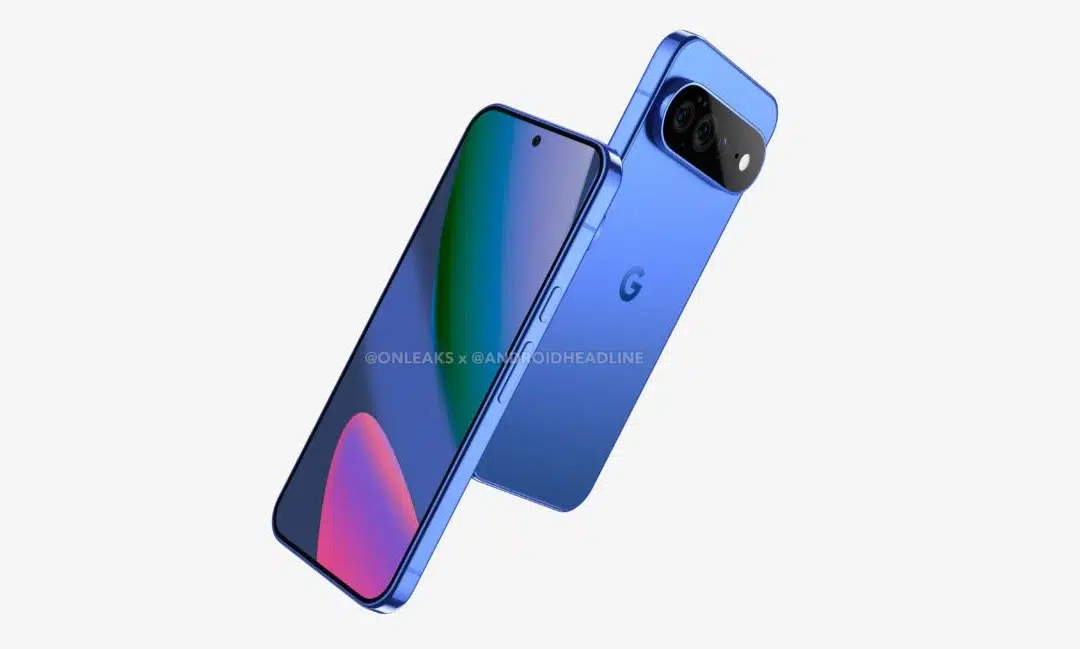
First Set of Pixel 11 Pro XL Renders Are Here
Pixel 11 Pro XL CAD renders show minimal design changes
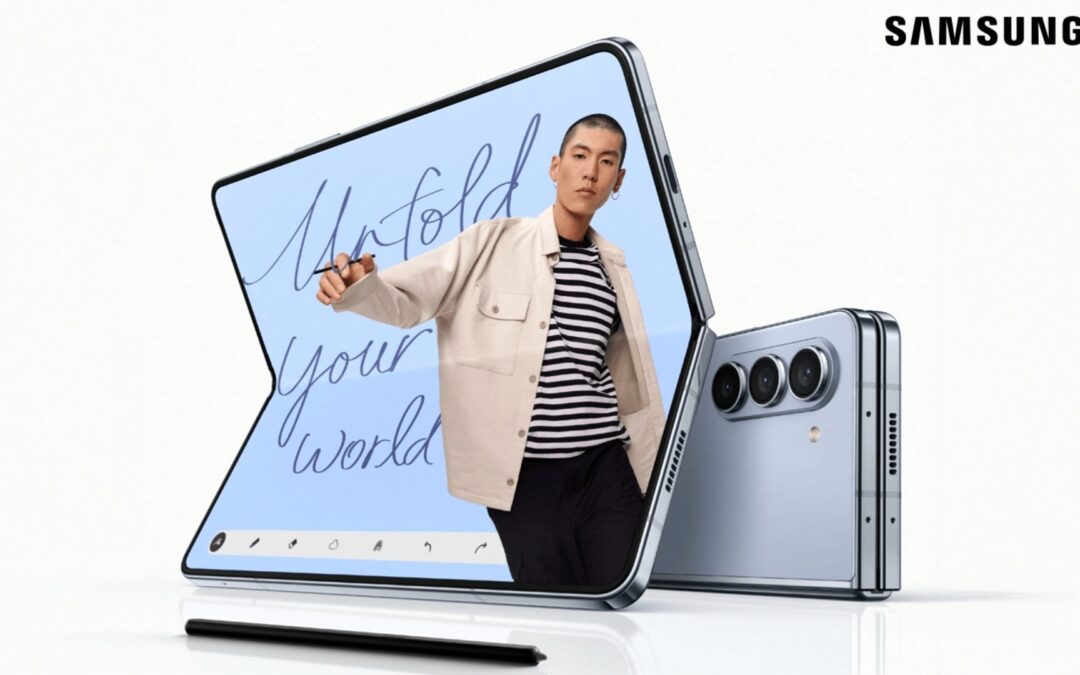
Is Samsung Preparing One UI 8.5 Beta for Galaxy Z Fold 5 and Flip 5?
Samsung may launch a One UI 8.5 beta program for its 2023 foldables
Galaxy S25 One UI 8.5 Beta May Run Longer Than Expected
Galaxy S25 series’ One UI 8.5 beta may stretch to 10 rounds