
Samsung Begins Prototype Mass Production of 2nm Exynos 2600 Targeted at Galaxy S26
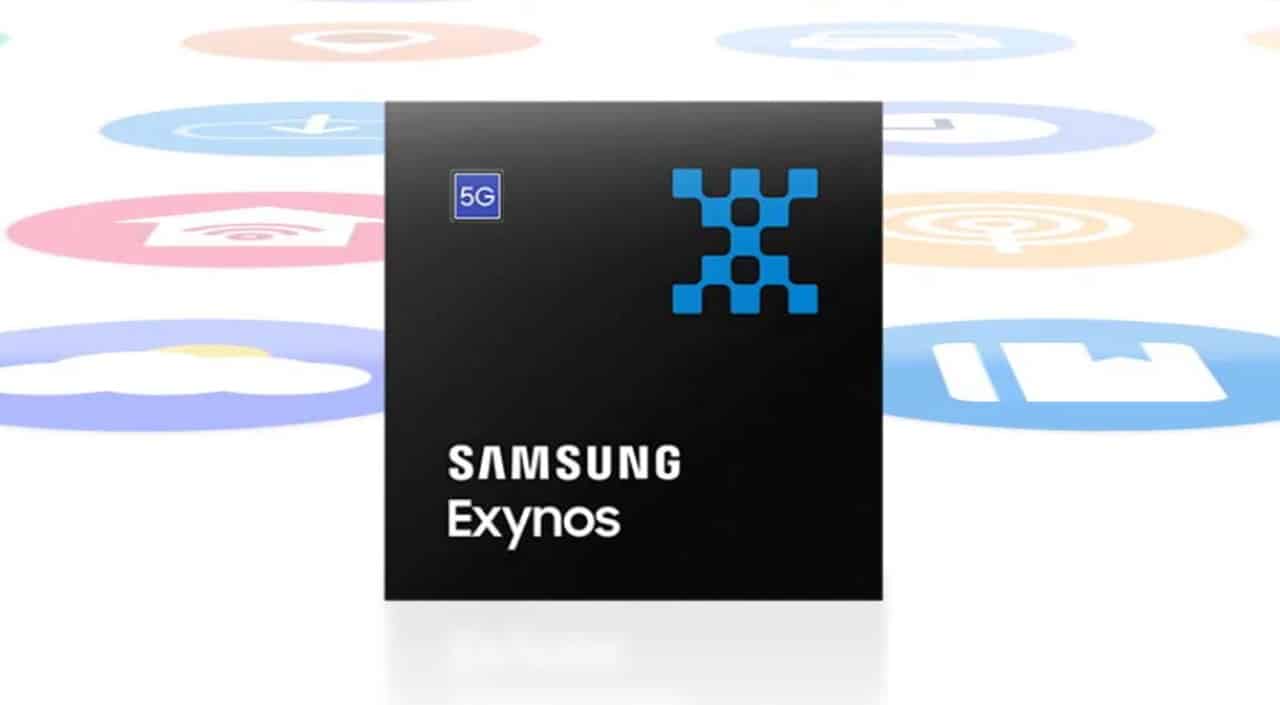
Samsung may have made significant progress on its next-gen mobile chipset, the Exynos 2600. Expected to power the Galaxy S26 series next year, the 2nm chip has reportedly entered the prototype mass production phase. This development marks a major milestone for Samsung Foundry’s 2nm process technology. The firm has been struggling with poor yields since switching to the GAA transistor architecture with its 3nm process a couple of years back.
Samsung’s 2nm Exynos 2600 enters prototype mass production
After completing initial test production earlier this year with a reported yield of around 30%, Samsung has now significantly increased wafer input for prototype mass production of the Exynos 2600, the Korean media reports. The company’s goal is to push yields to over 50% without performance degradation, a threshold necessary to move forward with the next phase: risk production.
This intermediate stage serves as the final testing ground before full-scale mass production. It involves validating the chip design, stress-testing the process stability, and producing thousands to tens of thousands of chips. If successful, Samsung expects to start full-scale production in early 2026, giving the Exynos 2600 enough lead time before the Galaxy S26’s launch in January or February 2026.
There’s no doubt that Samsung would go the extra mile to achieve this goal. The Exynos 2600 is more than just another SoC for the company. It represents the Korean firm’s first large-scale implementation of its 2nm process. Success here would not only validate Samsung Foundry’s 2nm technology but also improve its competitiveness against rivals like TSMC, which currently leads in advanced node production. This could attract big fabless companies, most of which currently rely on TSMC for the production of their chips.
Cost management opportunities for Samsung’s mobile division
Underperforming Exynos chips have not only hurt Samsung’s semiconductor division but also its mobile unit. A successful launch of the Exynos 2600 could re-establish Exynos as a serious in-house alternative to Qualcomm’s Snapdragon chipsets, helping manage costs better. After setbacks with the Exynos 2500, which was initially intended for the Galaxy S25 series but reportedly failed to meet mass production yield targets on the 3nm process, Samsung is treading carefully.
While momentum appears strong, uncertainties remain. If yield improvements stall or defect rates remain high during risk production, Samsung may be forced to delay mass production, just as it did with the Exynos 2500, which looks set to power the Galaxy Z Flip 7 coming next month. The company cannot afford another misstep, particularly with global competition in the 2nm race heating up.

Follow us on Google Discover & set us as a preferred source in Google News
Share this Post
___________________________


New Blog Posts
___________________________

First Set of Pixel 11 Pro XL Renders Are Here
Pixel 11 Pro XL CAD renders show minimal design changes

Is Samsung Preparing One UI 8.5 Beta for Galaxy Z Fold 5 and Flip 5?
Samsung may launch a One UI 8.5 beta program for its 2023 foldables
Galaxy S25 One UI 8.5 Beta May Run Longer Than Expected
Galaxy S25 series’ One UI 8.5 beta may stretch to 10 rounds