One Ocean Swim Could Be Enough to Damage Your Galaxy Watch
SammyGuru is reader-supported. We have affiliate and sponsored partnerships, so we may earn a commission when you buy through links on our site — at no extra cost to you. Learn more.
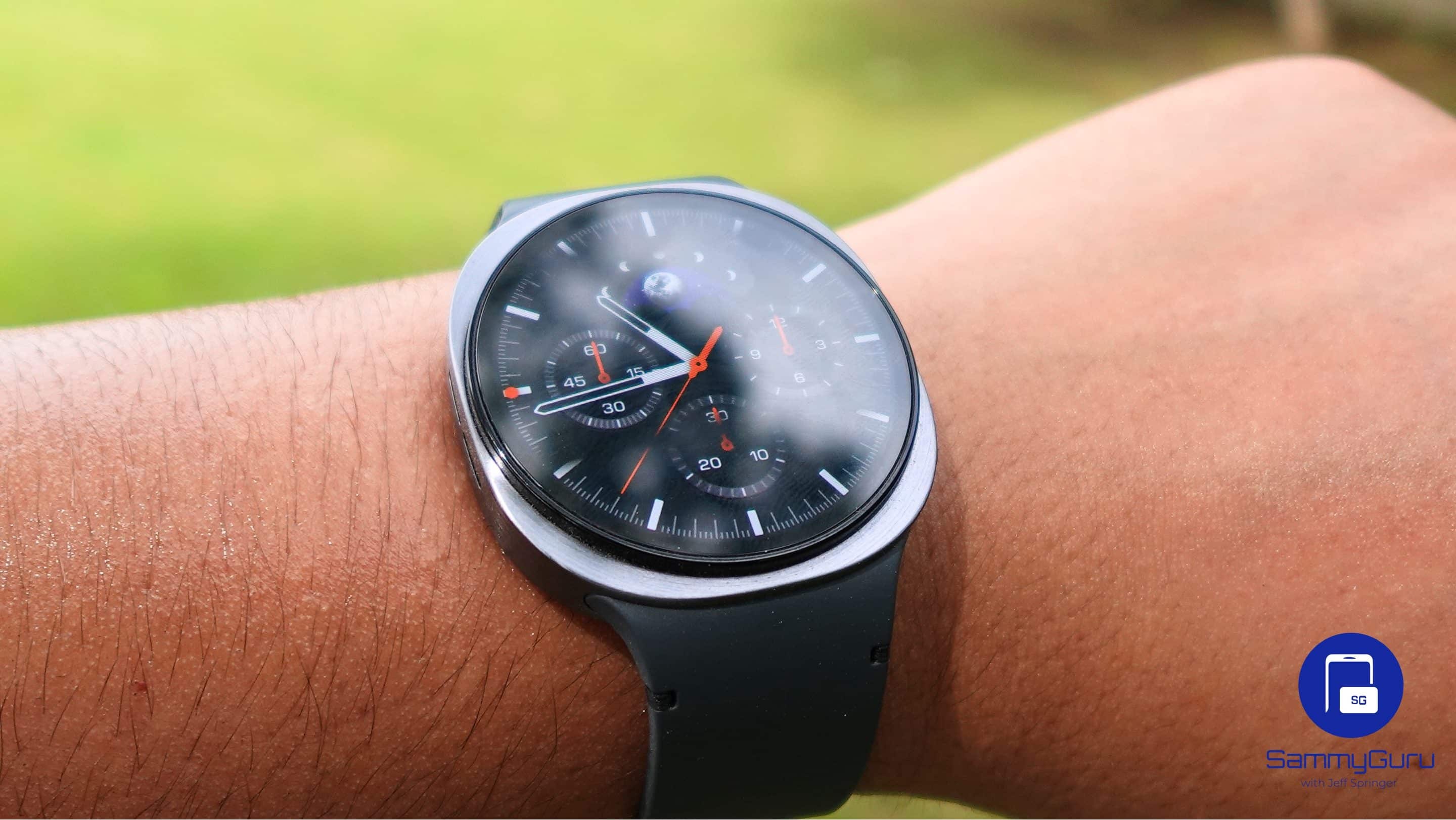
Smartwatches like the Galaxy Watch series often come with water resistance ratings, which makes them seem safe for swimming. However, that doesn’t mean they’re built for every type of water. In fact, taking your smartwatch into the ocean could slowly damage it, even if everything seems fine at first.
Salt water is the biggest problem for any electronic device, even if it has an IP68 rating
This isn’t just theory. One user posted on Reddit (via Android Authority) that their Galaxy Watch 5 Pro died after swimming in the ocean, even though it was supposed to handle water exposure. Another user warned that salt water can damage internal components once it dries, especially in areas like the speaker. Even Samsung recommends rinsing your Galaxy Watch with fresh water after exposure, and shake your watch to eject water.
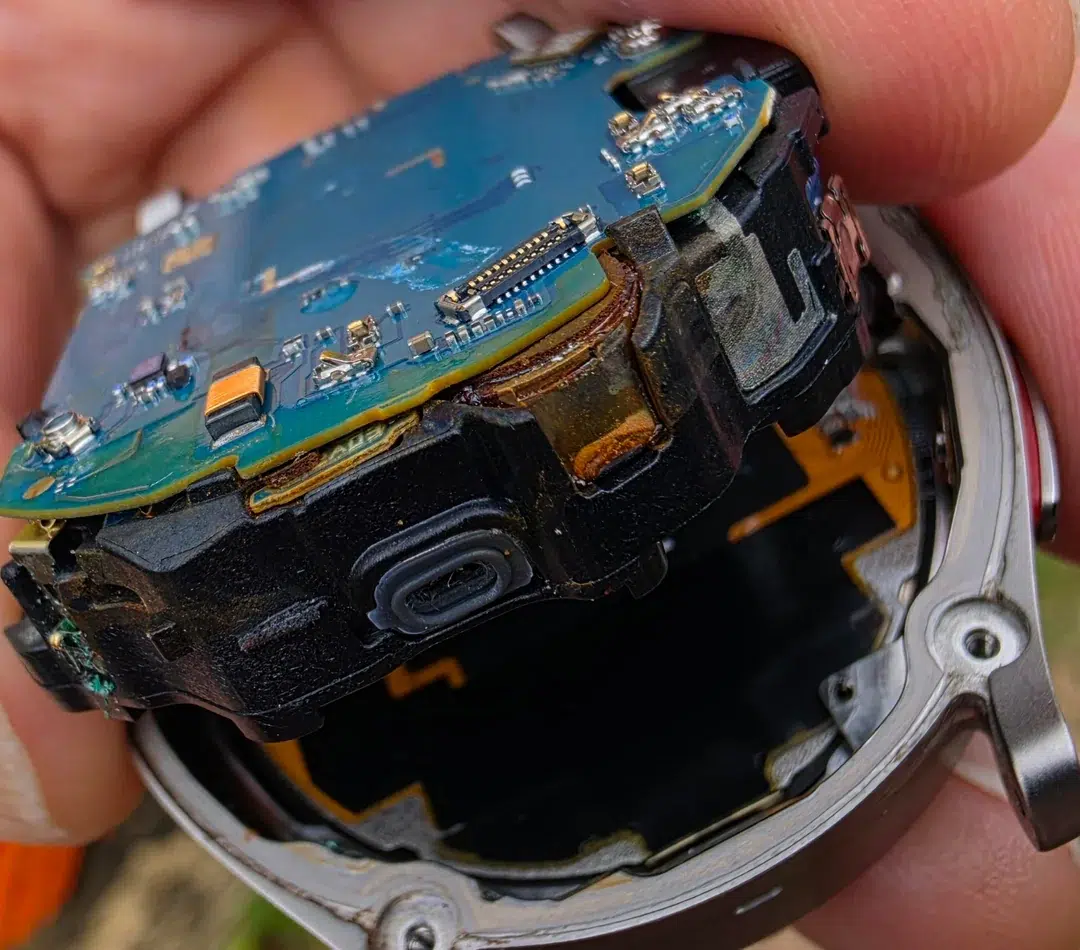
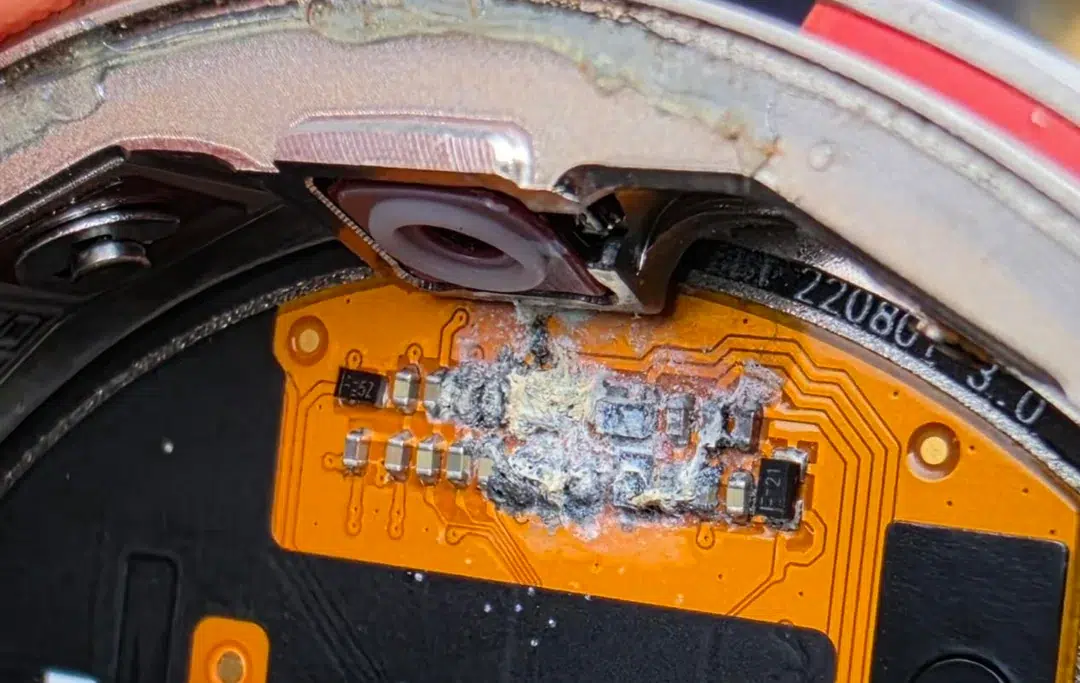
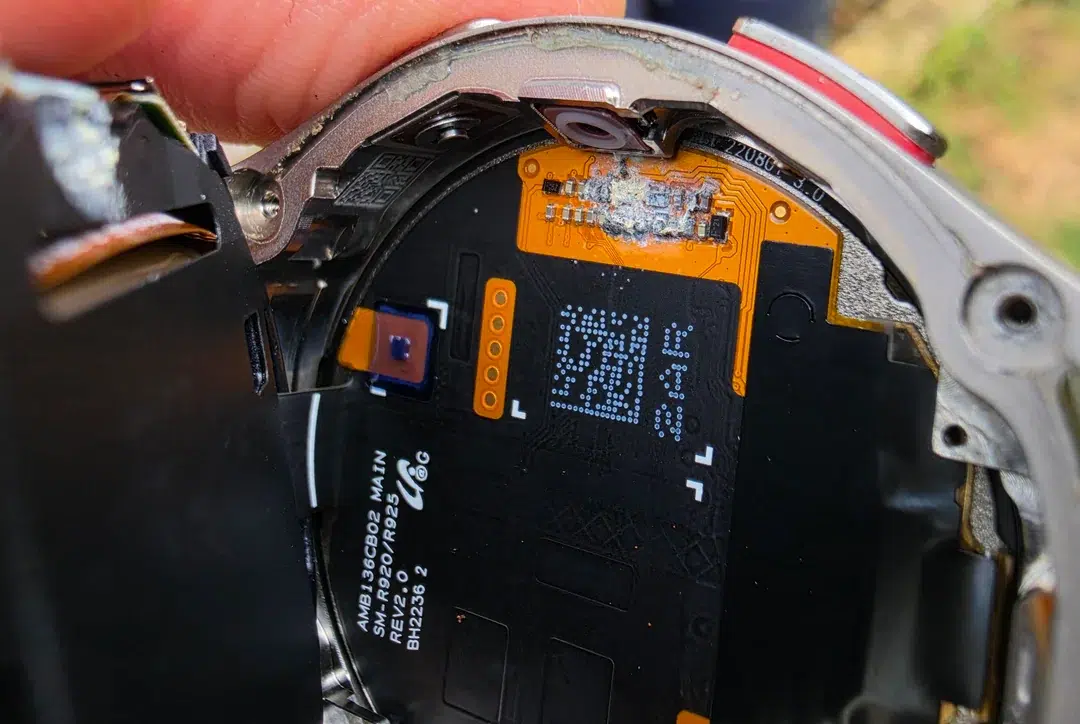
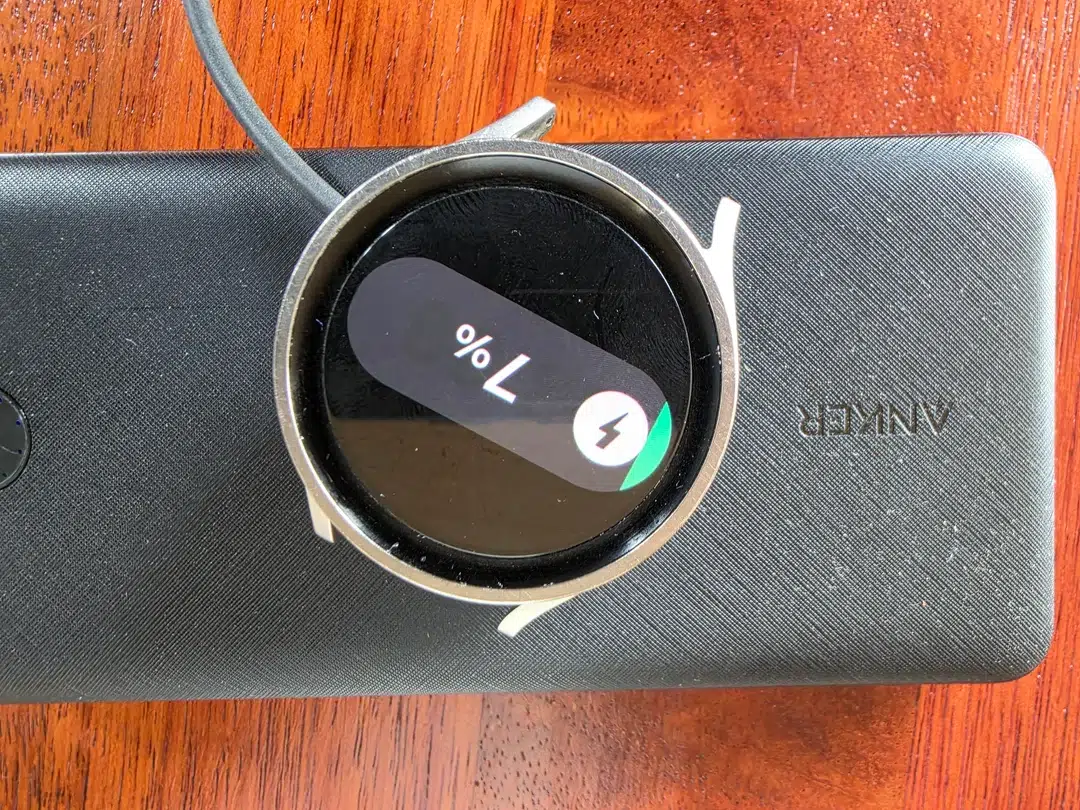
While many users assume water resistance equals full protection, the reality is much more complicated. The main issue comes down to salt water, which is far more aggressive than fresh water. Instead of pool or tap water, salt water actively corrodes internal components over time, even if the device is sealed. This means your smartwatch might survive a few swims without any visible issues. However, salt residue can build up inside small openings like the speaker or buttons, eventually leading to damage.
Water resistance doesn’t mean Waterproof
Another important detail is that smartwatches are water-resistant, not waterproof. Most Galaxy Watch models are rated at 5ATM and IP68, which means they are tested in controlled conditions using fresh water only. Galaxy Watch Ultra 2024 and Watch Ultra 2025 on the other hand, are rated for 10ATM and IP68 water and dust resistance.
In real-world use, several factors can reduce that protection, like wear and tear over time, small drops or impacts, temperature changes, and exposure to chemicals like salt or chlorine. As a result, your watch can gradually lose its water resistance over time, even if it’s technically rated for swimming.
My experience with the Galaxy Watch Active 2
I’ve actually experienced something similar myself with the Galaxy Watch Active 2 in 2021. I used it in a chlorine-treated swimming pool, thinking it would be completely fine. However, not long after that, the display started acting up. A white line appeared on the screen, and the touchscreen became unreliable.
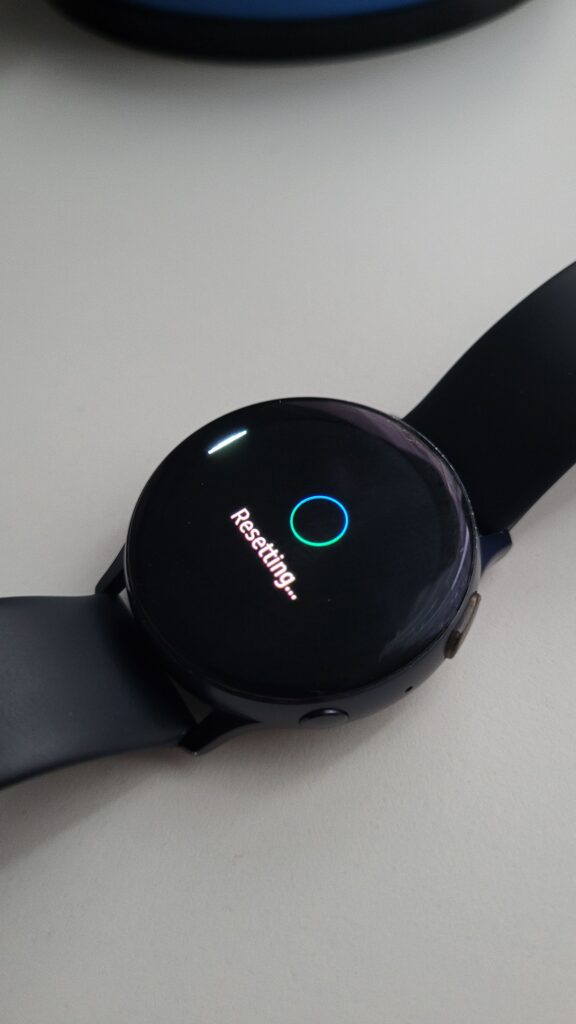
At first, the watch still worked, so I kept using it. But over time, the issues got worse, and after about a year, the watch completely died. Looking back, water exposure likely played a role in that gradual failure, and since then, I avoided keeping my Galaxy Watch 5 on my wrist around pools or even while washing the dishes.
Should you swim with your smartwatch?
In general, occasional pool swimming is usually fine if the device supports it. However, long-term exposure can still cause wear. You should rinse your smartwatch or smartphone with fresh water after swimming in a pool or in the ocean. Speaking about the ocean, though, it’s a different story. Salt water, combined with sand and movement, creates a much harsher environment for electronics.
Even though modern smartwatches and smartphones are more durable than ever, they’re still not invincible. And as many users (myself included) have learned the hard way, water damage often shows up later, not immediately.


Follow us on Google Discover & set us as a preferred source in Google News
Share this Post
___________________________


New Blog Posts
___________________________
First Set of Pixel 11 Pro XL Renders Are Here
Pixel 11 Pro XL CAD renders show minimal design changes

Is Samsung Preparing One UI 8.5 Beta for Galaxy Z Fold 5 and Flip 5?
Samsung may launch a One UI 8.5 beta program for its 2023 foldables
Galaxy S25 One UI 8.5 Beta May Run Longer Than Expected
Galaxy S25 series’ One UI 8.5 beta may stretch to 10 rounds