More Proof Points to AI Notification Summaries in One UI 8.5 [U]
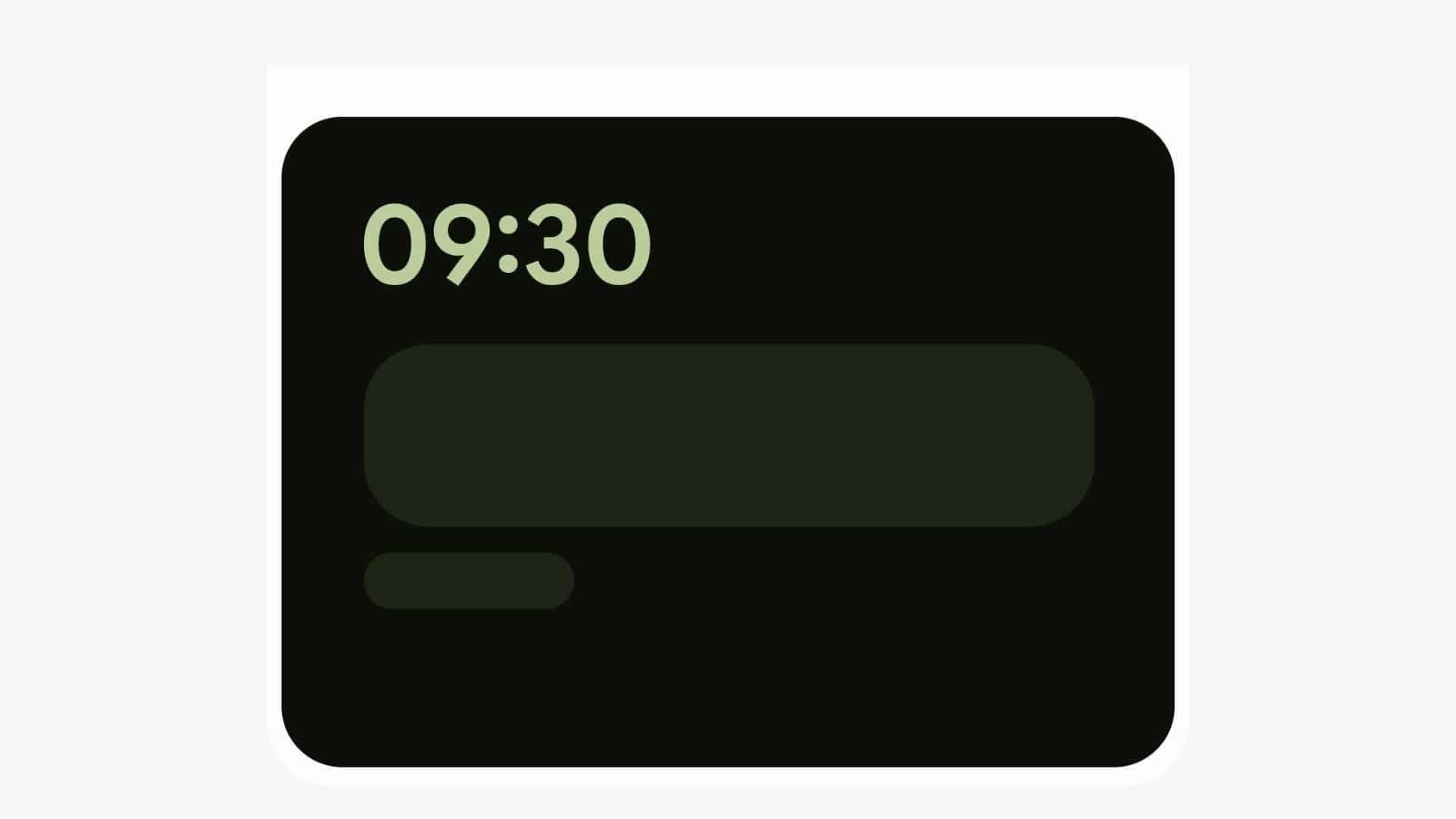
Update 10/02 2:15PM EST: One UI 8.5 build shows a Notification summaries page, but Mishaal Rahman notes it’s actually stock Android, not Samsung-specific. We believe Samsung will likely adapt Google’s implementation to match One UI. The feature requires Android System Intelligence, which isn’t yet publicly available, Mishaal adds. Check out his full tweet.
We already know that Samsung is actively working on One UI 8.5. It’s expected to debut on the Galaxy S26 series early next year. A recent One UI 8.5 firmware gave many of us a sneak peek, or more accurately, a detailed look at some of the upcoming features. Now, yet another One UI 8.5 firmware build has leaked out into the wild.
One UI 8.5 may finally bring AI Notification summaries!
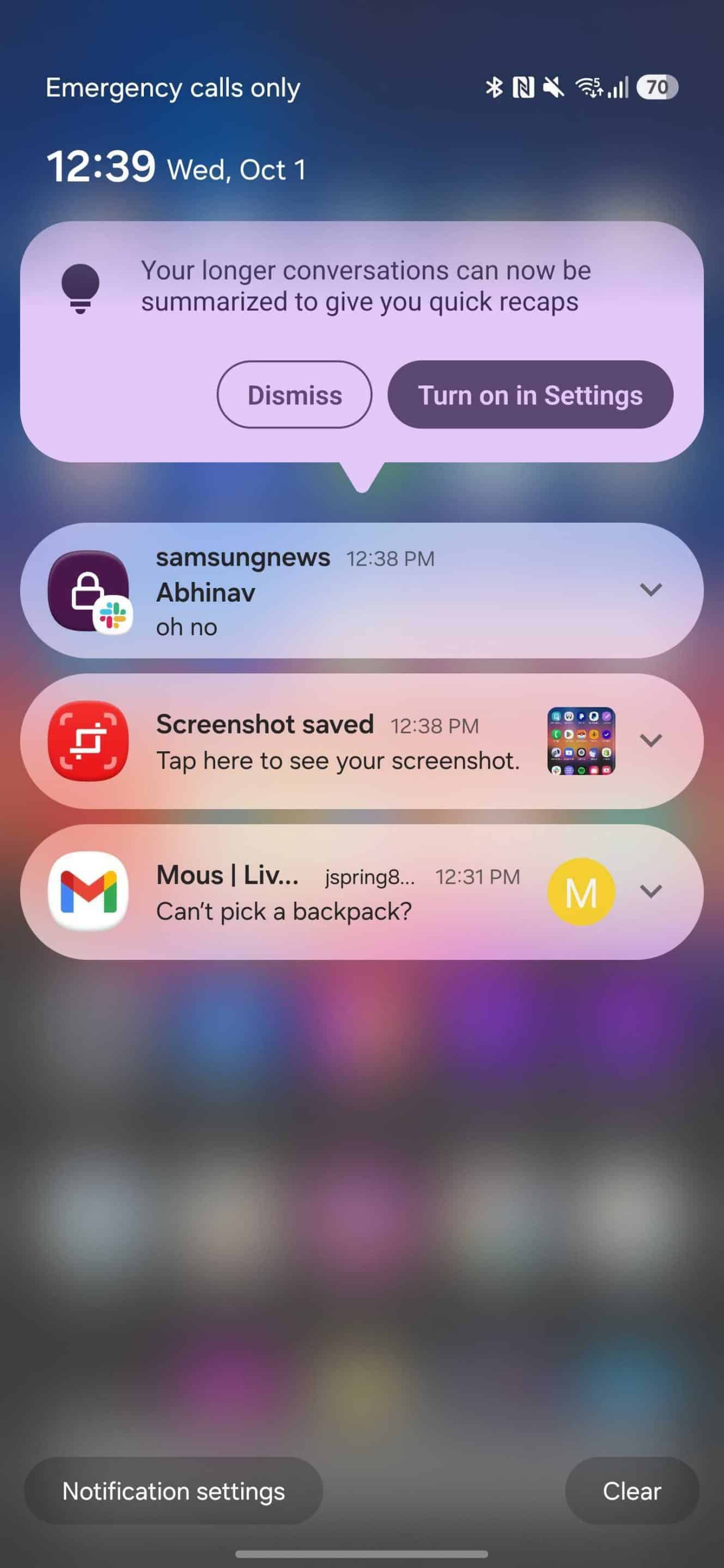
The first of many updates, it confirms one of the most anticipated features for Galaxy devices. This One UI 8.5 firmware build provides more concrete evidence that Galaxy devices will soon include AI-powered Notification summaries. SamMobile spotted the change and we can corroborate that when you first pull down the notification panel, a pop-up shows up. It explains what the Notification summaries are designed to do.
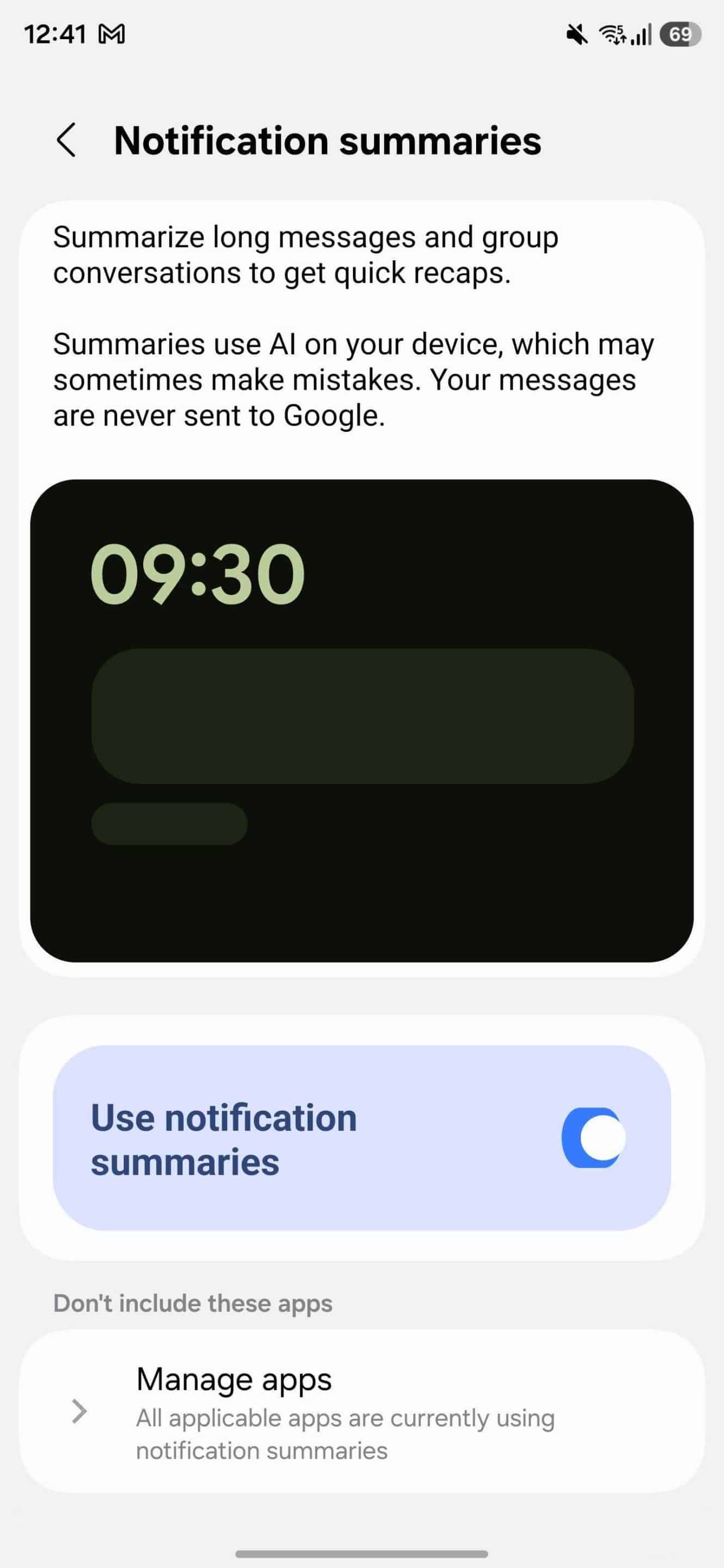
In the settings, there’s a placeholder for selecting which apps should be included, but for now, every app is listed automatically, and you can’t remove any. It’s more of a preview than a finished tool. Unfortunately, the feature isn’t actually working yet, so we can’t confirm how accurate the results might be.
The feature will run through Google’s cloud services, which should make it reliable once it officially launches. For now, though, it’s mostly a sneak peek, showing that Samsung is exploring ways to make notifications less overwhelming. It will be interesting to see how Samsung implements it, especially given that Apple struggled when it launched a similar feature.
We might see AI Notification summaries fully functional on the Galaxy S26 series. Until then, there’s little hope unless someone finds a way to manually enable it. This feature has long been rumored for Galaxy devices. But it’s unclear what might have delayed Samsung from launching it earlier.

Follow us on Google Discover & set us as a preferred source in Google News
Share this Post
___________________________


New Blog Posts
___________________________
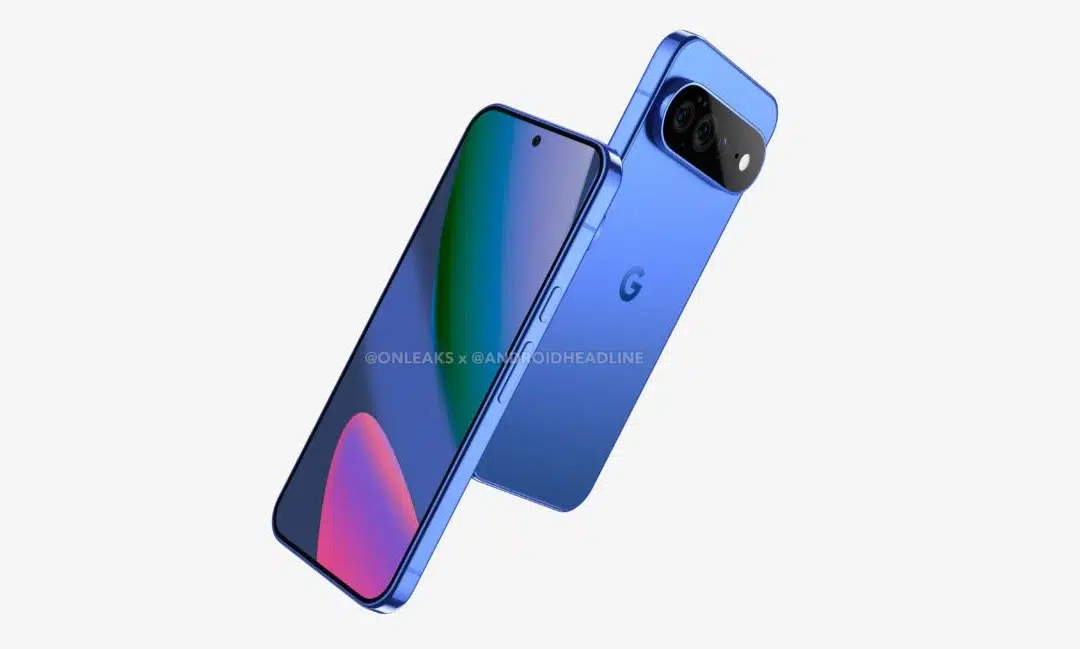
First Set of Pixel 11 Pro XL Renders Are Here
Pixel 11 Pro XL CAD renders show minimal design changes
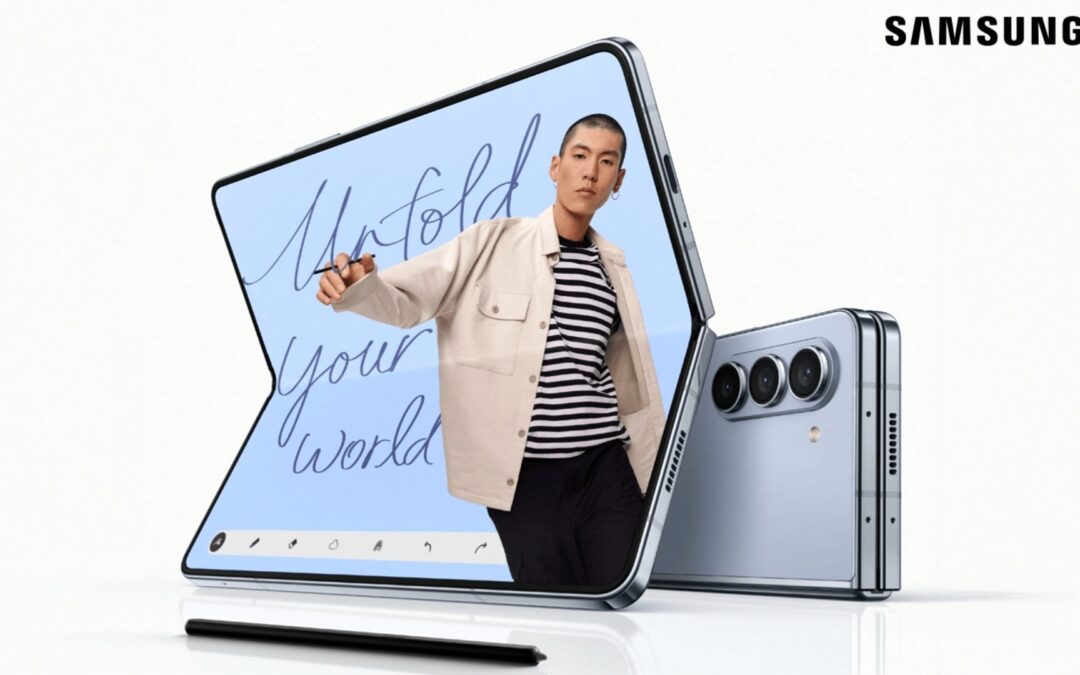
Is Samsung Preparing One UI 8.5 Beta for Galaxy Z Fold 5 and Flip 5?
Samsung may launch a One UI 8.5 beta program for its 2023 foldables
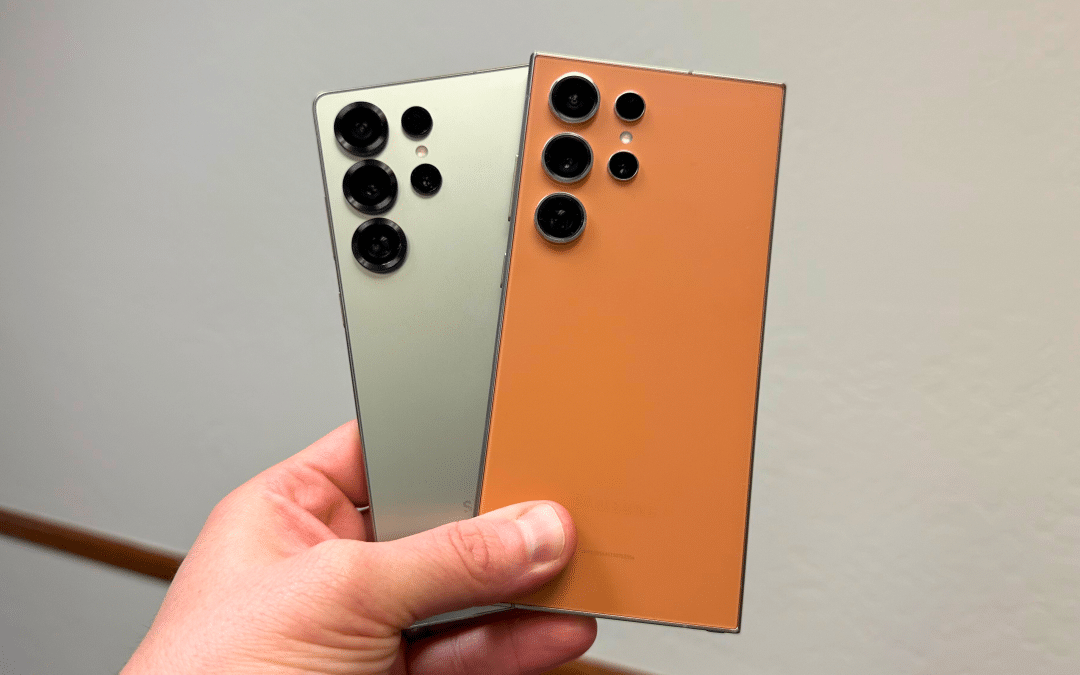
Galaxy S25 One UI 8.5 Beta May Run Longer Than Expected
Galaxy S25 series’ One UI 8.5 beta may stretch to 10 rounds