Google Prepares Faster Linux Apps on Android with GPU Support
Google is working on a big improvement for its Linux Terminal app on Android. The update will let graphical Linux apps run faster by using the device’s GPU instead of relying only on the CPU. Right now, Linux apps with graphical interfaces are slow and drain the battery quickly because they use CPU-based rendering.
GPU-accelerated Linux apps on the way to Android Terminal app
The Linux Terminal app first launched earlier this year for running command-line Linux programs. With One UI 8, it made its way to select Samsung Galaxy phones. Later, Google added support for apps with graphical user interfaces (GUIs). While this is exciting for developers, the apps currently use a software renderer called Lavapipe, which is entirely CPU-based. This makes the apps sluggish and puts extra strain on the phone’s battery and heat management.
To fix this, Google is testing a new technology called gfxstream, as Mishaal Rahman puts in an Android Authority report. Gfxstream is a graphics virtualization system that sends graphics instructions from the Linux virtual machine directly to the Android device’s GPU. This approach allows Linux apps with GUIs to run much faster, almost like they were running on a regular desktop computer.
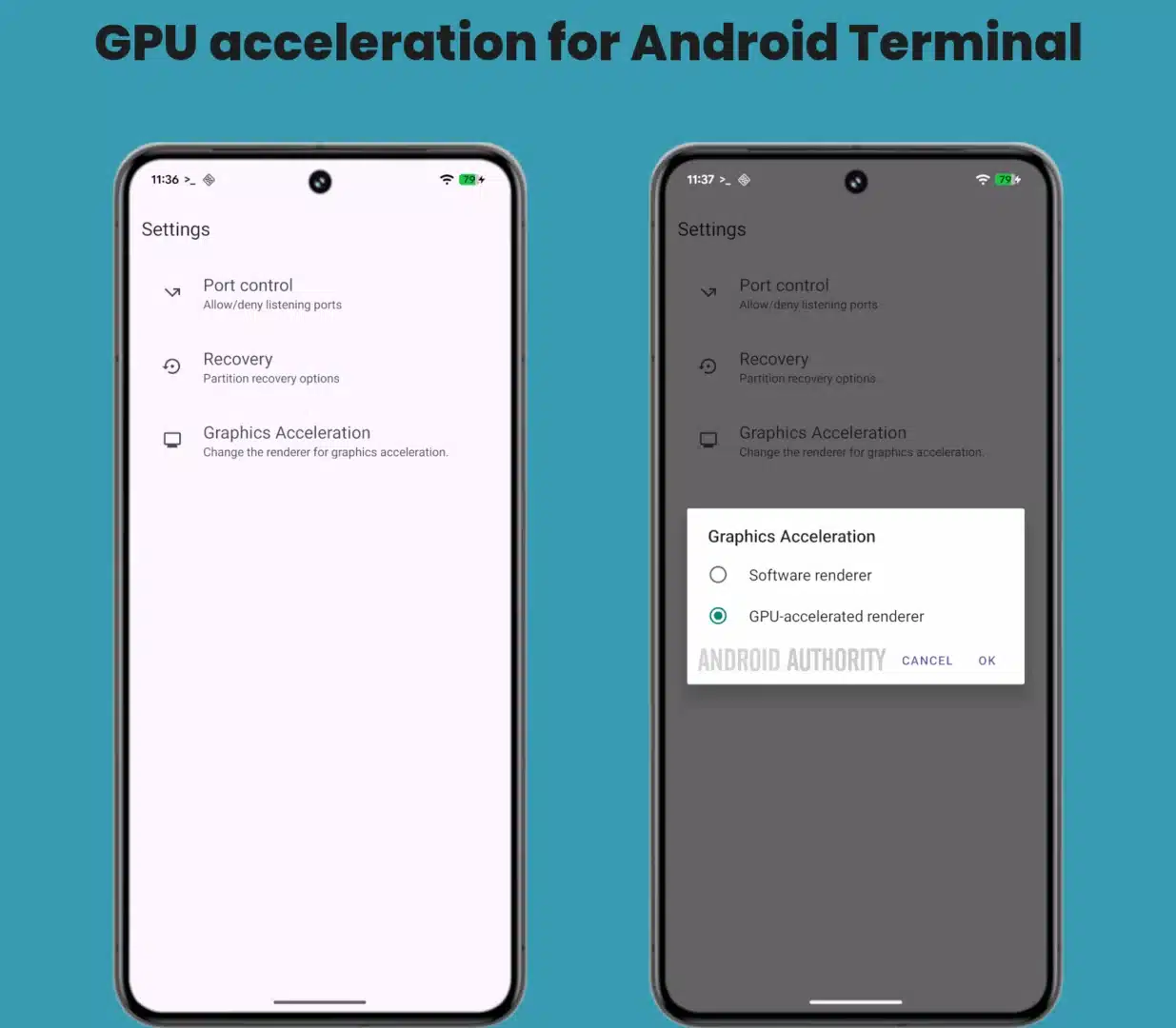
Evidence for this feature was spotted in the Android Canary 2509 release. The Terminal app now has a hidden “Graphics Acceleration” option in its settings. Currently, users only see the “software renderer” toggle for Lavapipe. But there is a hidden toggle for a “GPU-accelerated renderer,” which is believed to enable gfxstream. Google has hidden this option for now, and it is not fully functional yet.
Once GPU support is ready, Linux apps on Android should perform much better. The change will make running graphical Linux tools smoother and less taxing on devices, which is especially useful for developers and power users who rely on these apps for work.

Follow us on Google Discover & set us as a preferred source in Google News
Share this Post
___________________________


New Blog Posts
___________________________
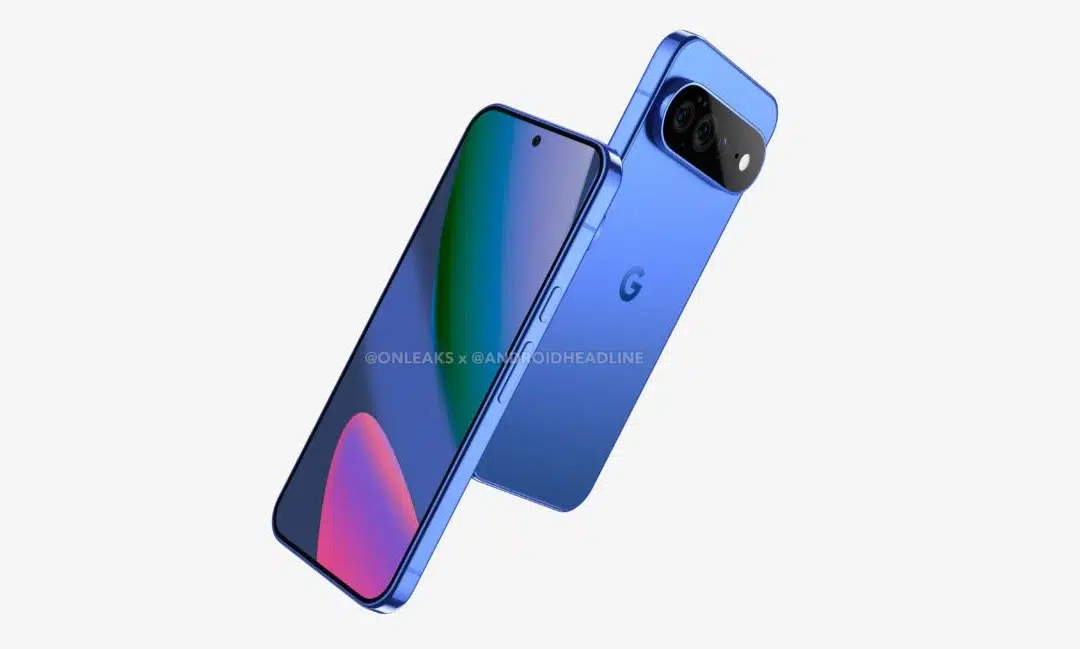
First Set of Pixel 11 Pro XL Renders Are Here
Pixel 11 Pro XL CAD renders show minimal design changes
Is Samsung Preparing One UI 8.5 Beta for Galaxy Z Fold 5 and Flip 5?
Samsung may launch a One UI 8.5 beta program for its 2023 foldables
Galaxy S25 One UI 8.5 Beta May Run Longer Than Expected
Galaxy S25 series’ One UI 8.5 beta may stretch to 10 rounds